


Victorian Painted Console Table
A victorian painted console table brings architectural presence to a hallway, grounding the space with period character and useful surface area.
Victorian Painted Console Table
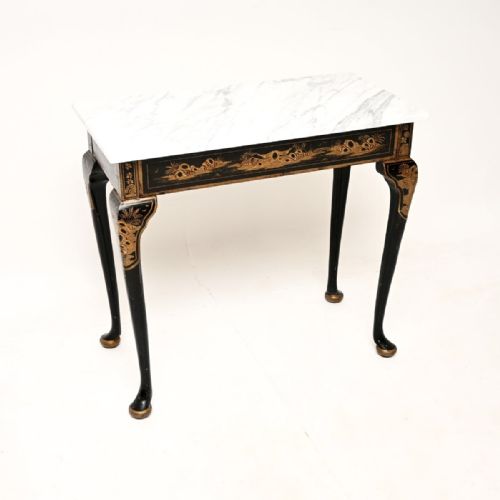
When you search for a victorian painted console table, you find nineteenth-century utility and decorative craft meeting in domestic furniture designed for hallways, living spaces, and grand rooms. The selection ranges from robust pine country pieces to formal marble-topped variants and occasional lacquer work.
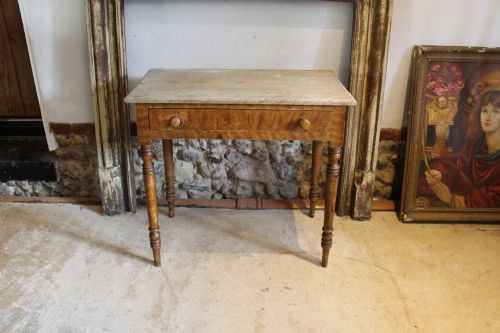
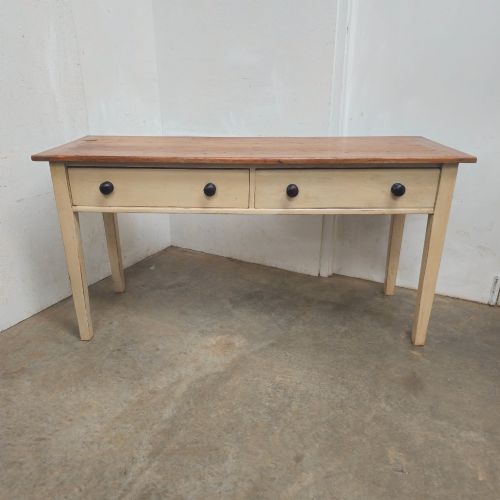
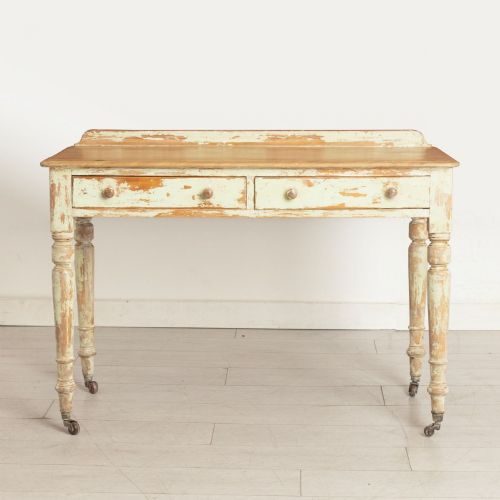
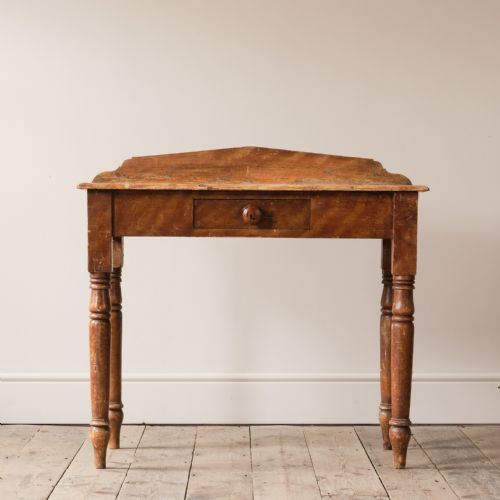
The most common examples on this page are pine console and side tables retaining original or scumbled paint finishes. These practical forms span the nineteenth century, including pieces built around eighteen seventy and eighteen eighty.
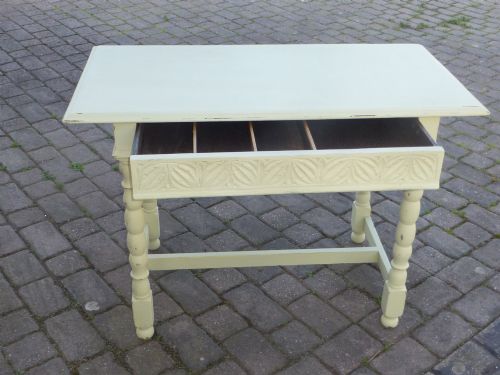
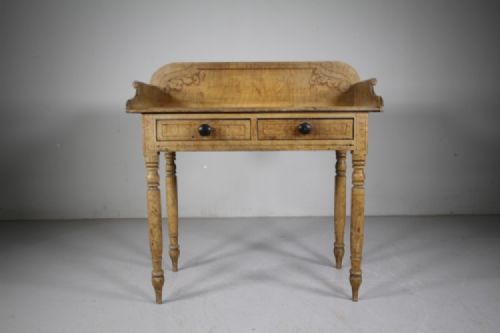
Alongside standard console tables, the evidence includes related side tables, serving tables, washstands, and occasional garden pieces in cast iron and wood. These forms share the narrow footprint and surface utility characteristic of hallway and reception furniture.
How they were made
Construction relies heavily on solid timber foundations, predominantly pine and oak, alongside mahogany, birch, and satinwood on finer examples. Workshops built these tables for everyday utility, employing traditional joinery for frames, drawers, and turned or tapered legs.
Surface treatments define the character of these pieces, utilising layered paint, scumbling, lacquer, and hand-painted decoration. Many retain original painted finishes, while others feature applied marble tops, brass mounts, or cast iron bases designed for durability.
Listings feature nineteenth-century pine, oak, mahogany, and cast iron, alongside marble and lacquered surfaces.
What varies in quality
Quality rests primarily on the integrity of the surface and the honesty of the paint layer. Tables retaining untouched original paintwork or period scumble finish command attention, whereas later re-painting alters the historical weight of the piece.
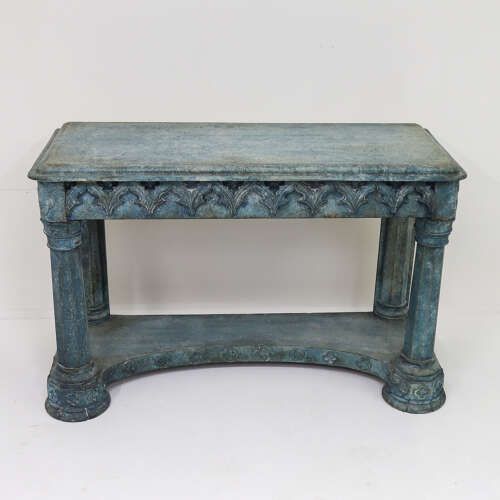
Construction materials and decorative ambition separate standard utility items from high-status reception pieces. Simple pine boards built for country houses sit at one end, while marble tops, Gothic revival detailing, and Chinoiserie lacquer mark the other.
The Victorian Painted Console Table Glossary
- Scumble
- A decorative painting technique involving a translucent top layer dragged over a lighter base to simulate grain or texture. This finish appears frequently on nineteenth-century country furniture.
- Chinoiserie
- European interpretation of Chinese artistic motifs, applied here in lacquer and painted decoration. It reflects the Victorian taste for exotic ornamentation on occasional and hall tables.
- Console table
- A wall-mounted or freestanding table designed with a shallow depth to stand against a hallway or drawing-room wall. They often feature decorative brackets or legs at the front.
- Dresser base
- A low utilitarian wooden cabinet featuring drawers or cupboards, used historically for food preparation or serving. These sturdy pieces frequently cross over into console and serving table categories.
Victorian Painted Console Table: Frequently Asked Questions
Where should I place a console table?
These narrow tables suit hallways, narrow entryways, and reception rooms where floor space is limited. They provide a practical surface for lamps, correspondence, and decorative objects without blocking movement.
Position them flat against a wall, sometimes paired with a mirror or hanging art above to anchor the arrangement within the room.
How do I care for original painted surfaces?
Original painted and scumbled finishes require gentle maintenance using a dry or barely damp microfiber cloth to remove dust. Avoid chemical cleaners, solvents, and modern polishes that can lift or soften historic paint layers.
Keep the timber away from direct heat sources and strong sunlight to prevent the underlying wood from shrinking and the paint from crazing further.
Are these tables suitable for daily use?
Nineteenth-century console and side tables were constructed for practical domestic utility, making them sturdy enough for everyday modern living. Solid pine, oak, and hardwood frames handle normal weight placed upon the surface.
Use coasters and felt pads beneath objects to protect historic timber and painted or marble tops from accidental scratches and moisture rings.
What is the difference between a console and a side table?
Console tables traditionally anchor against a wall, sometimes relying on the wall or front legs for support, whereas side tables are freestanding four-legged items. In nineteenth-century vernacular furniture, the terms often overlap depending on proportions.
Both forms offer similar surface utility in hallways and living spaces, though console tables lean more toward architectural display.