


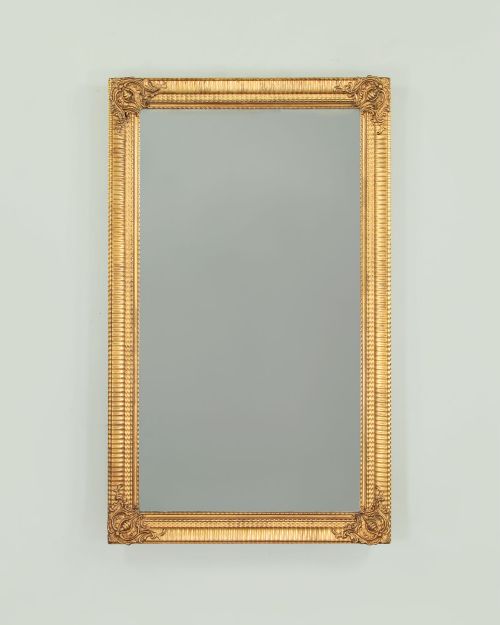
Victorian Overmantel Wall Mirror
When choosing a victorian overmantel wall mirror, you are selecting a substantial architectural focal point designed to sit above a fireplace.
Victorian Overmantel Wall Mirror
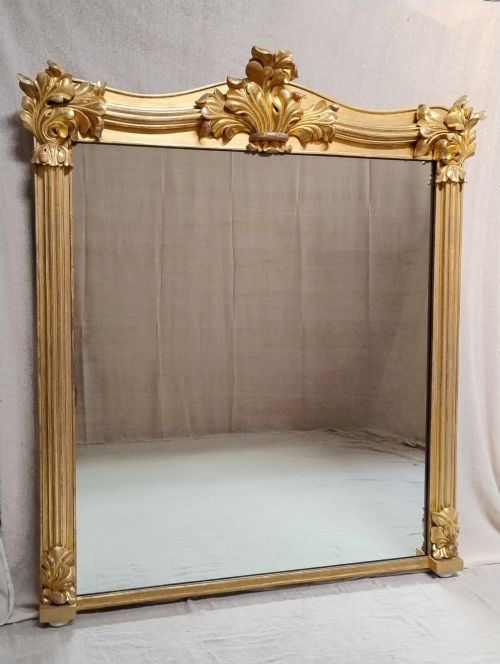
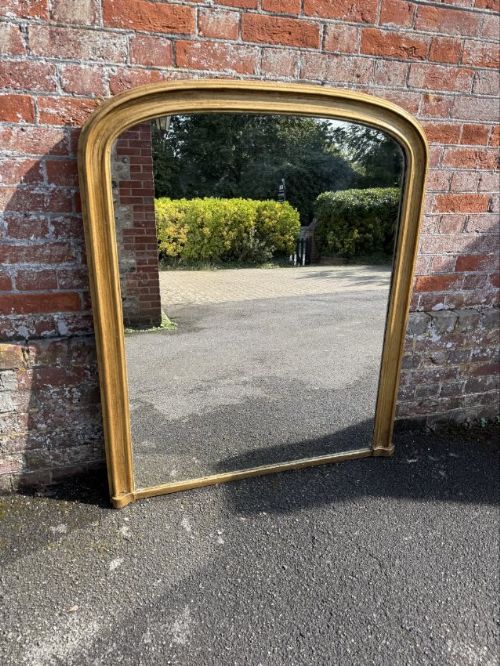
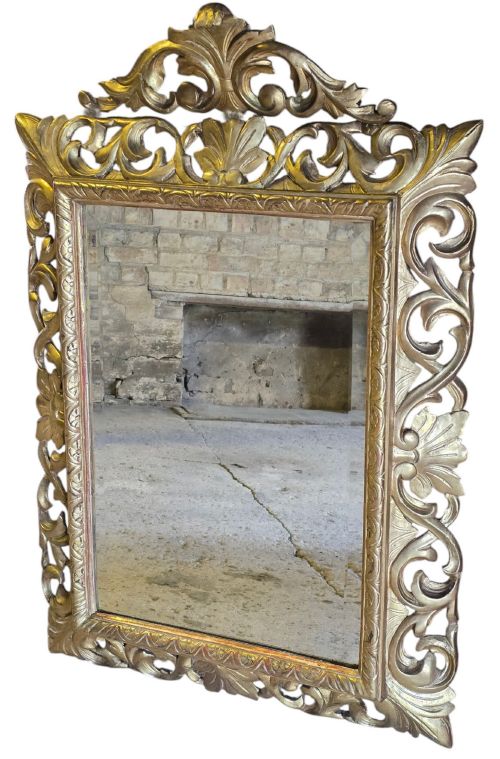
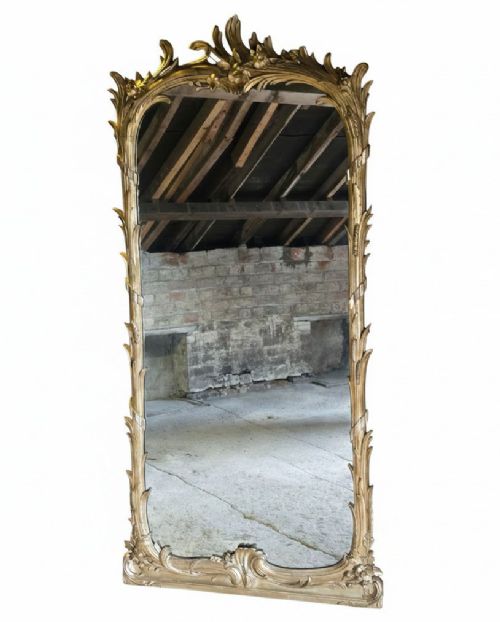
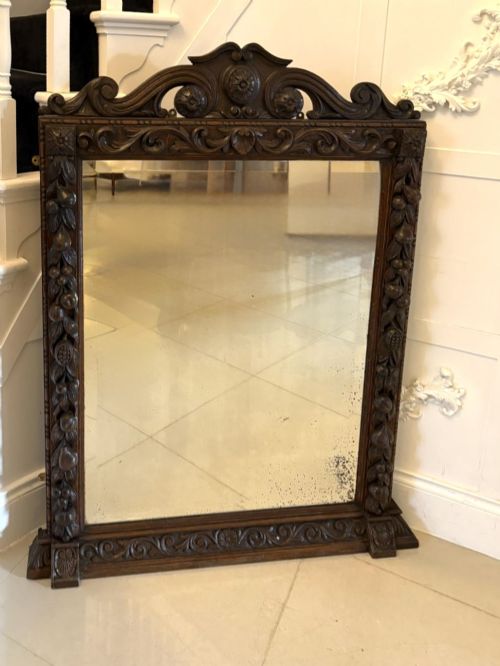
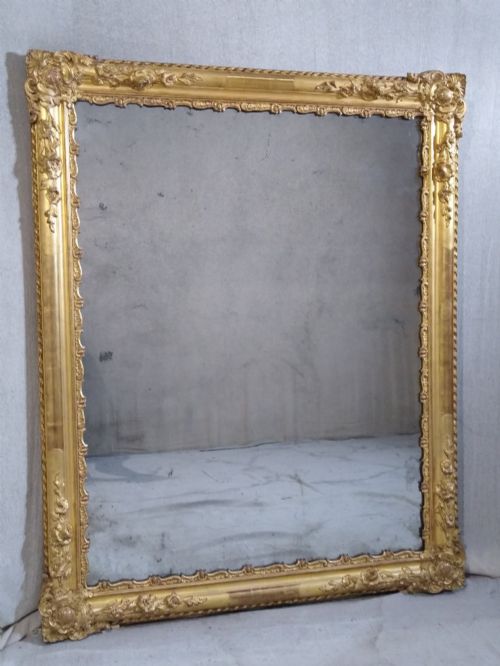
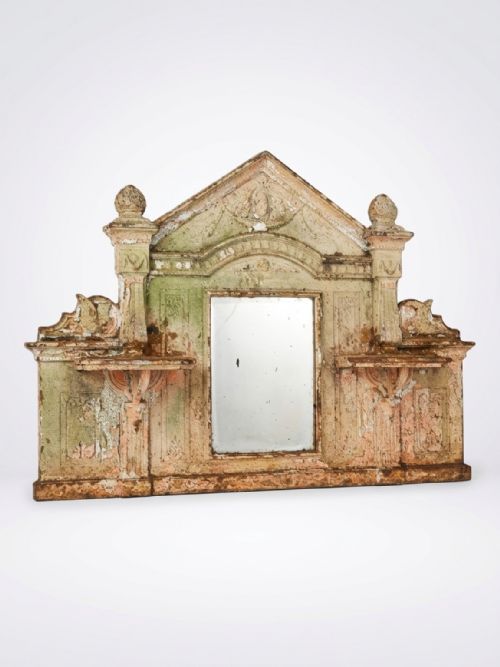
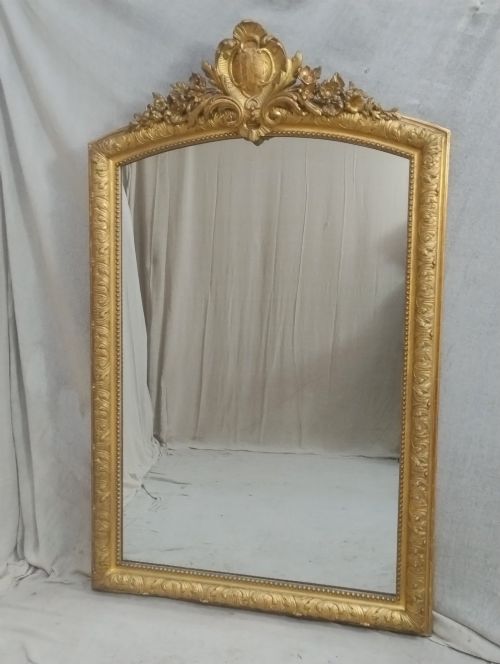
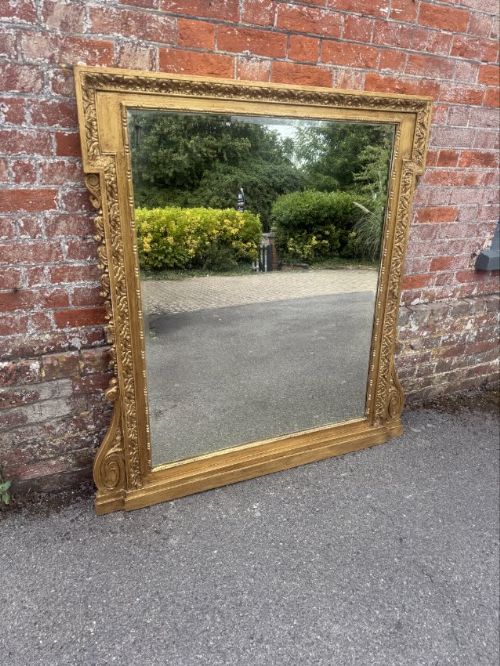
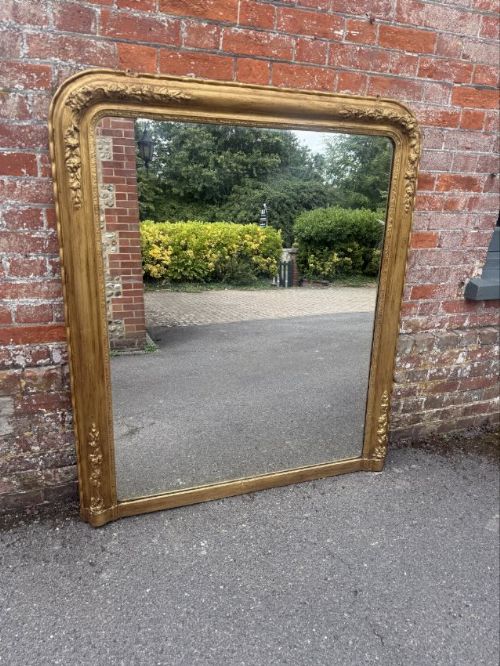
A victorian overmantel wall mirror is a large-scale looking glass created to mount upon the chimney breast within nineteenth-century reception rooms. These items frequently display arched, shaped, or rectangular tops intended to draw the eye upward and reflect natural light across the interior space. The selection spans English and French origins, drawing upon robust timber frames built to endure domestic hearth conditions.
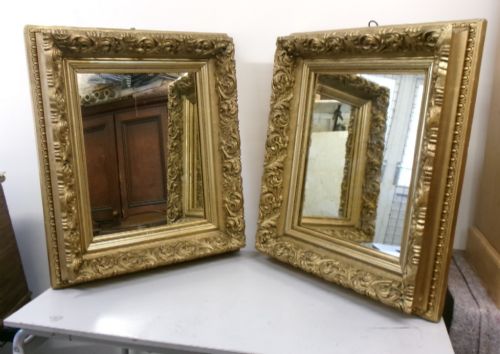
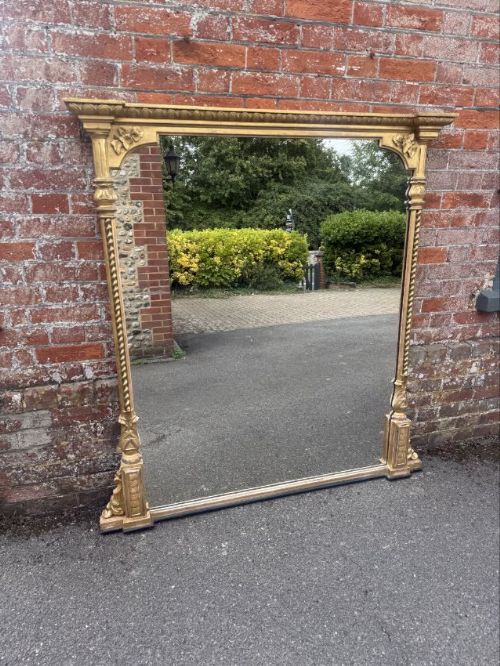
The dominant examples on this page date from the Victorian era, particularly the 1850s, 1860s, 1870s, and 1880s, alongside occasional Edwardian interpretations. Makers constructed these mirrors in various formats, ranging from architectural column frames and rope-twist borders to ornate giltwood pieces featuring acanthus leaf decoration. Buyers also encounter walnut and oak framing alongside heavily gilded gesso and composition models.
How they were made
Artisans constructed the structural carcasses of these mirrors using native timbers such as oak, walnut, and mahogany, providing a sturdy foundation for heavy glass plates. Craftsmen then applied layers of gesso - a mixture of plaster and glue - onto the wood to build up intricate decorative reliefs.
Moulders pressed or carved ornament like acanthus leaves and rope-twist details into the composition material before finishing the surfaces with gold leaf or paint. Large mirror plates were set securely into the rebated frames, sometimes incorporating triple plates or bevelled edges depending on the desired design.
Some nineteenth-century sailors repurposed nautical rope-twist techniques into gilt frames, bringing maritime craftsmanship right to the drawing room fireplace.
What varies in quality
The distinction between standard and superior pieces rests heavily upon the depth and crispness of the carved woodwork and gesso enrichment. Fine examples display sharply defined ornament and smooth application of gold leaf, whereas lesser pieces rely on simplified composition mouldings that can appear blunt.
Structural integrity also separates the range, with premier specimens retaining their original heavy timber backboards and stable joint construction. The clarity and preservation of the mirror glass itself further determine the grade, alongside the harmonious proportion of the frame architecture.
S T Townshend Norwich
The Victorian Overmantel Wall Mirror Glossary
- Gesso
- A mixture of chalk, gypsum, and size used as a base for gilding and relief ornamentation on wooden frames. Artisans built up this pliable substance to carve intricate scrollwork and floral motifs.
- Overmantel
- A mirror specifically proportioned to hang on the wall directly above a mantelpiece or fireplace. These items were essential interior fixtures designed to amplify candlelight and daylight.
- Giltwood
- Timber, commonly pine or oak, that has been coated with gold leaf applied over a prepared ground. It provides a luminous surface that catches the ambient light.
- Pier glass
- A tall mirror designed to be hung on the pier, the solid wall space situated between windows. They share similar decorative traits with overmantel mirrors.
- Composition
- A moulded mixture of whiting, resin, glue, and linseed oil pressed into metal dies to form decorative reliefs. It allowed makers to produce elaborate ornamentation more efficiently than hand-carving.
Victorian Overmantel Wall Mirror: Frequently Asked Questions
How do I hang a heavy overmantel mirror safely?
These mirrors carry significant weight due to their dense timber frames and thick glass plates. Secure the hanging fixings directly into the structural wall studs or masonry rather than relying solely on plasterboard.
Employ professional mirror hangers or heavy-duty brackets rated well beyond the item's actual mass to ensure stability above a heat source.
Where should an overmantel mirror be placed?
Traditionally, these mirrors sit centrally upon the chimney breast above the fireplace surround, anchoring the room's vertical axis. Their original purpose was to reflect light from windows and chandeliers back into the interior.
While designed for the hearth, modern placements also include mounting them low against a floor as a leaner mirror in a hallway or drawing room.
How do I clean nineteenth-century mirror glass?
Use a soft, lint-free cloth paired with a gentle, non-ammonia glass cleaner applied to the cloth rather than directly onto the plate. This prevents moisture from seeping behind the silvering or damaging the surrounding gesso.
Take care to avoid abrasive materials or vigorous rubbing around the edges where the historic silver backing may be fragile.
How do I distinguish between an 1850s and an 1880s mirror?
Mirrors from the 1850s frequently exhibit robust classical revival or early rococo revival influences with deep, hand-finished gesso mouldings and heavy wooden carcasses. By the 1880s, designs often incorporated varied wood tones like walnut alongside machine-pressed composition ornament.
Examining the construction methods on the reverse, such as screw types and backboard timber, helps clarify the period of production.