
Victorian Ormolu Light
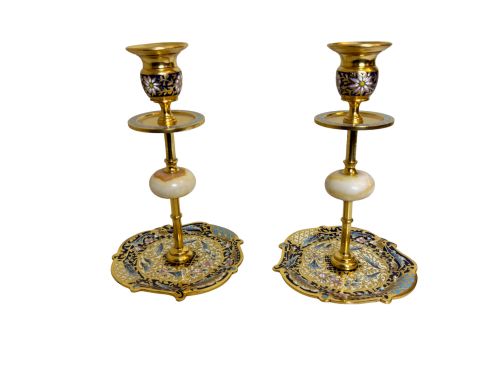
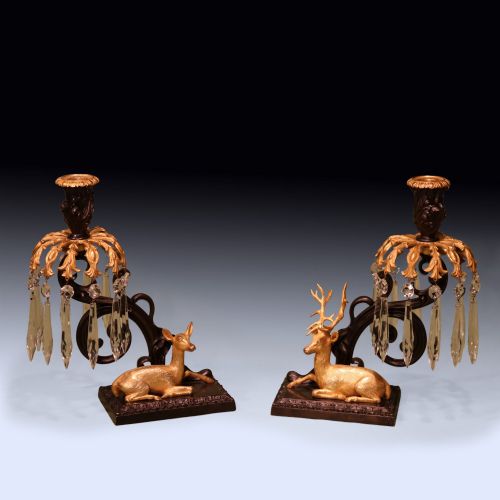
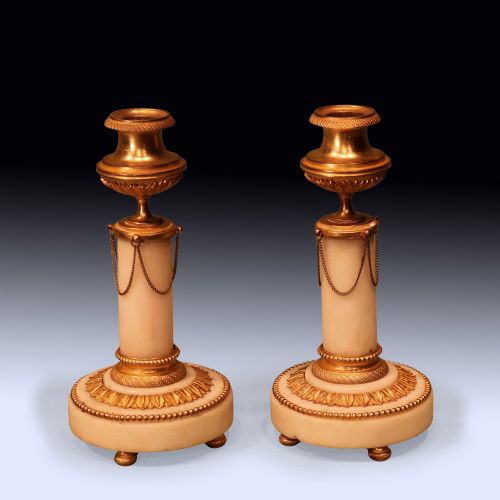
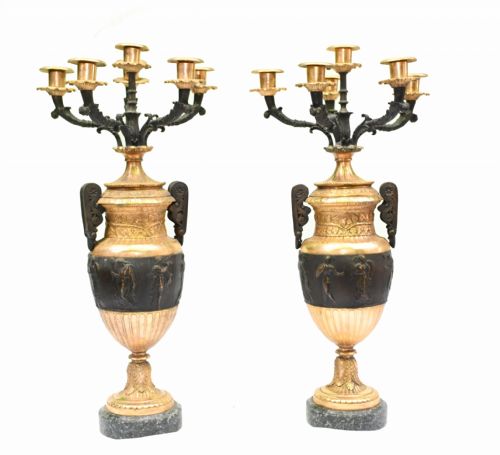
These Victorian ormolu light pieces combine heavy gilt metal with porcelain, marble and glass to bring warmth and formal presence to a room.
Victorian Ormolu Light
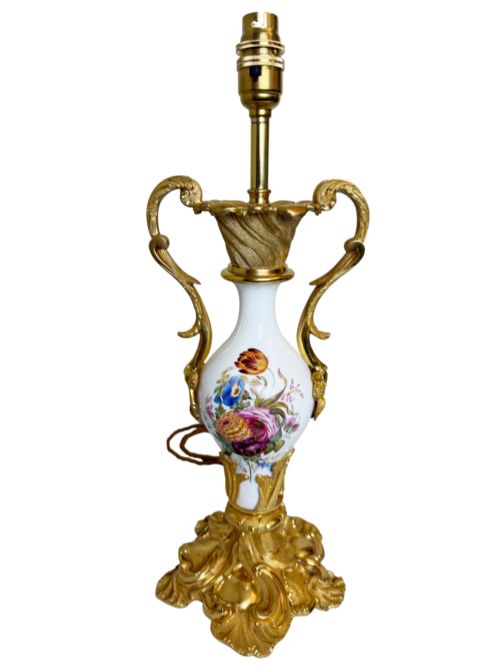
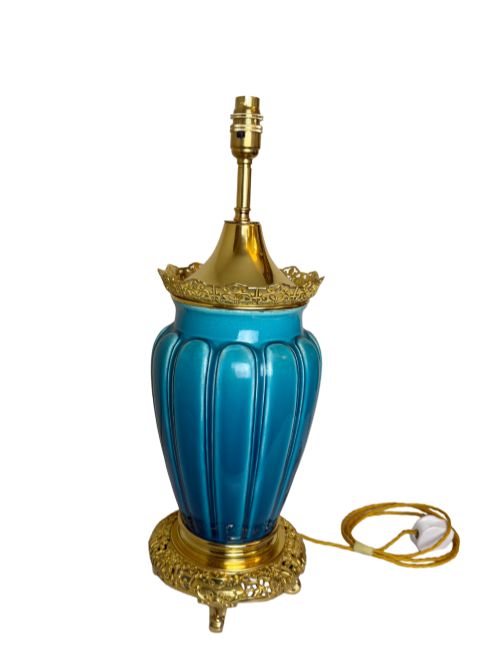
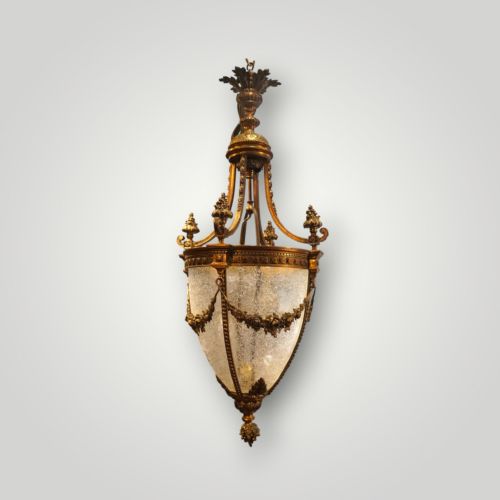
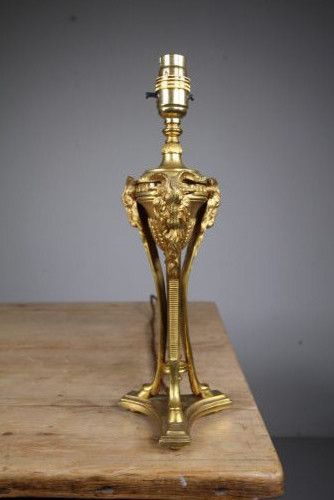
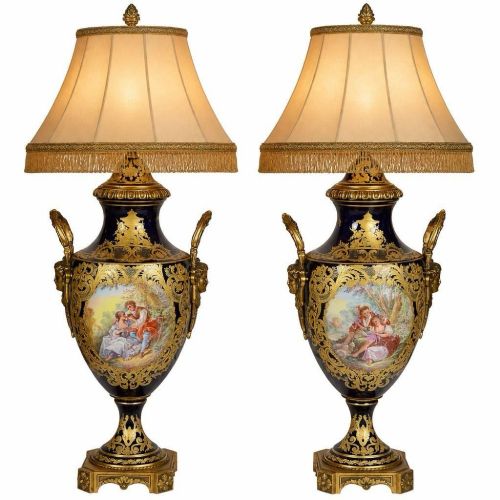
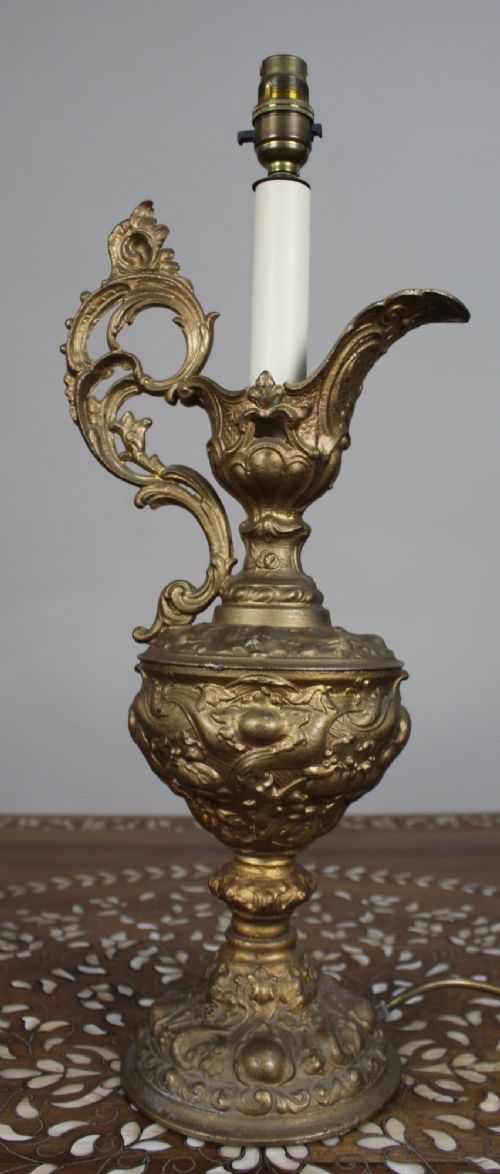
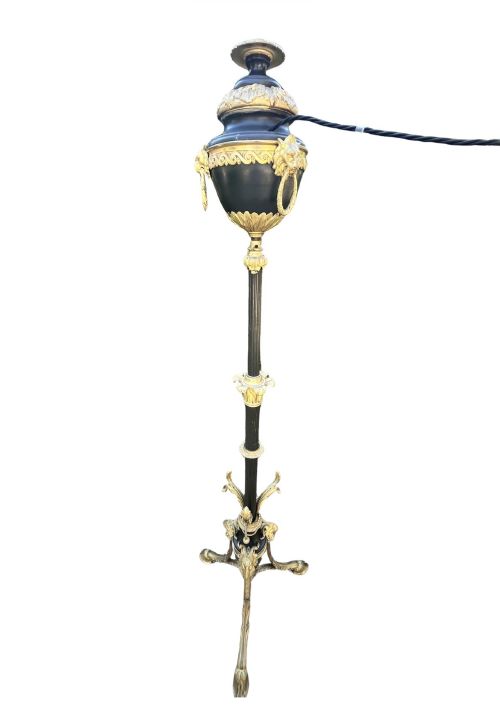
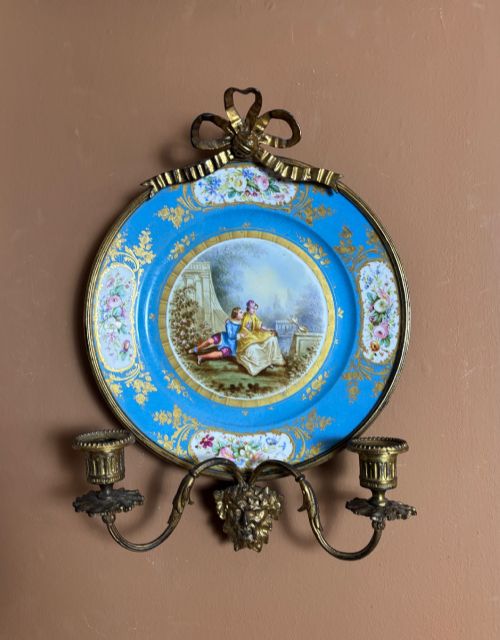
A victorian ormolu light encompasses table lamps, candlesticks, candelabra, wall sconces, floor lamps, chandeliers and hall lanterns produced during the nineteenth century. These objects frequently combine cast metal work with decorative inserts such as porcelain, marble, onyx and glass.
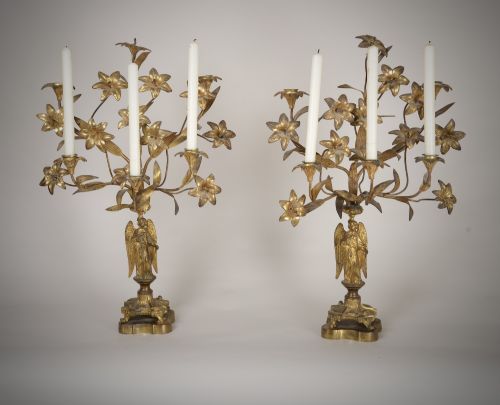
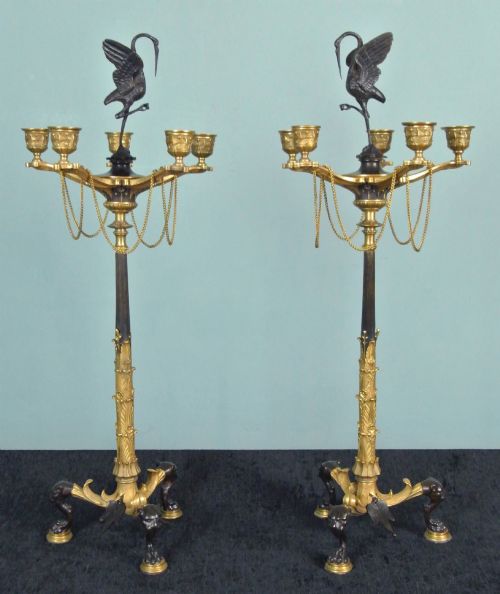
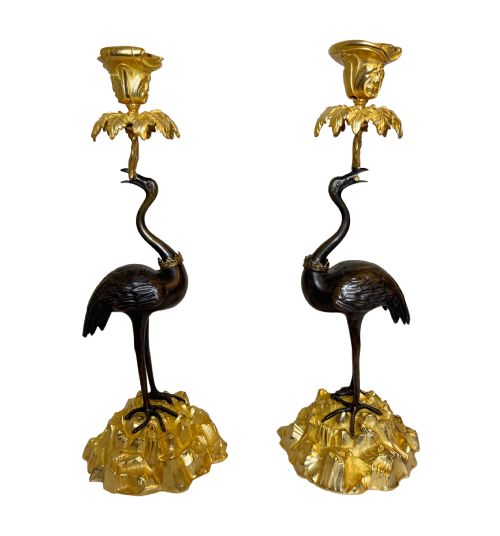
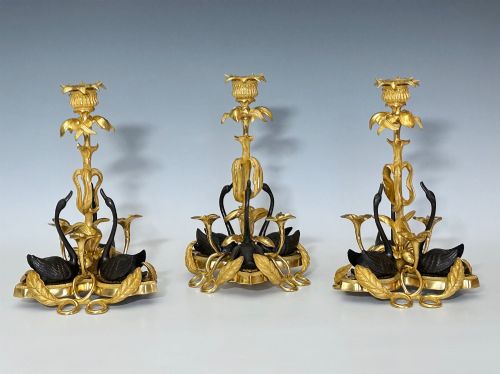
The selection on this page draws heavily from French Rococo Revival, Neoclassical and Victorian design idioms, often taking the form of paired mantel ornaments adapted later for electricity or left as candle-bearing fixtures.
Buyers encounter matching pairs of candelabra alongside single table lamps mounted on porcelain vases or stone bases, reflecting domestic lighting customs of the period.
Materials and construction
Maker workshops utilised bronze, brass and gilt metal, applying mercury gilding or electroplating to achieve the characteristic bright golden surface known as ormolu. These metal mounts were cast in sections and chased by hand to sharpen details like acanthus leaves, cherubs and animal motifs.
Many of these lighting fixtures incorporate contrasting secondary materials including white marble, onyx, rock crystal and ceramics such as Sevres style porcelain, Cantonese porcelain or Chinese monochrome vases.
Listings feature items dated across the nineteenth century, including specific years like 1850, 1860, 1880, 1890 and 1900 alongside general Victorian and Edwardian periods.
Judging quality
Quality rests primarily on the crispness of the metal chasing and the weight of the cast bronze or brass elements, where deeply carved foliage and sharply defined figures separate superior pieces from softer commercial castings. The integration of secondary materials like carved marble or hand-painted porcelain further indicates the tier of the original workshop.
The presence of original mounting hardware, well-matched pairs and complex multi-arm configurations distinguishes exceptional examples from standard domestic lighting of the Victorian era.
Barbedienne·Thomas Hope
The Victorian Ormolu Light Glossary
- Ormolu
- Gilded bronze produced by applying an amalgam of gold and mercury to a bronze base, or later through electroplating. The technique yields a rich golden finish characteristic of nineteenth-century decorative metalwork.
- Candelabra
- Branched lighting fixtures designed to hold multiple candles simultaneously. They often feature removable central sections or ornate arm clusters.
- Champleve
- An enamelling technique where troughs or cells are hollowed out of a metal surface and filled with vitreous enamel before firing. It frequently appears alongside gilt bronze on nineteenth-century desk sets and candlesticks.
- Lustre
- A candelabra or candlestick hung with cut glass pendants designed to refract candlelight. These hanging prisms create extra sparkle when lit.
Victorian Ormolu Light: Frequently Asked Questions
Were these lights originally electrified?
Most of these pieces started life holding candles or burning oil during the nineteenth century. They were converted to electricity decades later as domestic lighting habits changed.
Wiring methods vary, with some conversions preserving the original metal body without drilling while others route cords through the centre.
How do I clean ormolu safely?
Ormolu surfaces require gentle dusting with a soft brush to protect the delicate gold layer from abrasion. Moisture and chemical polishes strip the historic gilt finish away.
Professional care is recommended if tarnish obscures the underlying bronze or brass detail.
What is the difference between ormolu and gilt brass?
Ormolu strictly denotes mercury-gilded bronze, though the term often describes gilt brass and gilt metal from the Victorian period. Bronze offers a heavier weight and crisper casting definition than brass.
Examining the underside or unexposed areas helps reveal the base metal beneath the golden surface.
How do I identify French versus English pieces?
French pieces often follow Rococo Revival or Empire styles with cast cherubs, urns and floral motifs influenced by Parisian workshops. English examples tend to incorporate neoclassical restraint or Gothic revival elements.
Porcelain inserts like Sevres style panels frequently point toward French manufacture.