
Victorian Open Back Chairs
Victorian open back chairs are timber seating pieces defined by unsolid backs, offering comfort and support through open frames.
Victorian Open Back Chairs
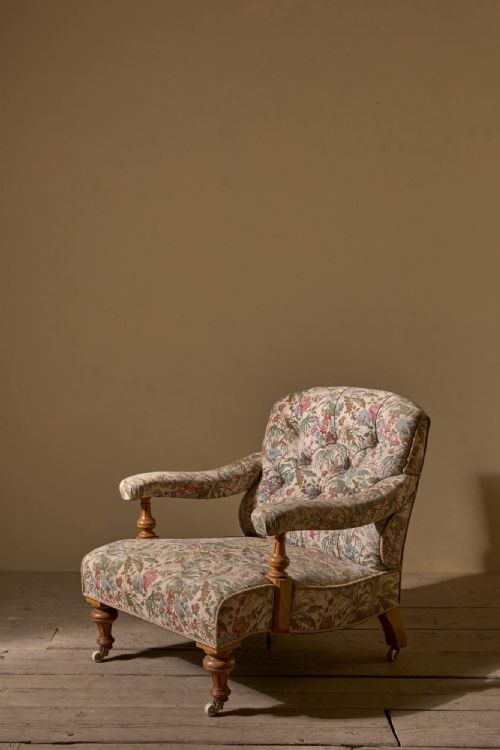
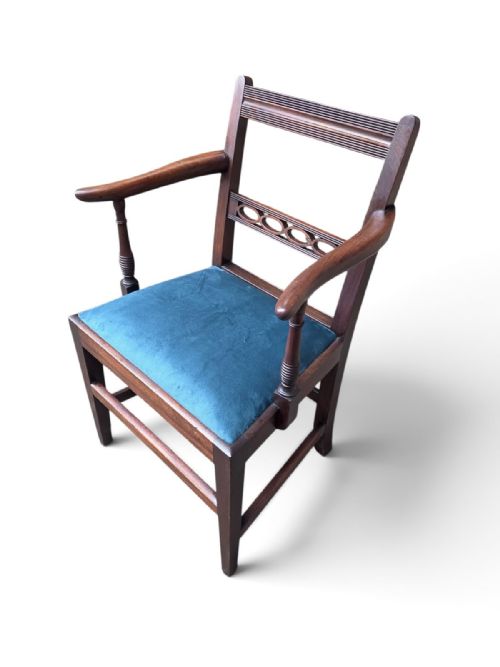
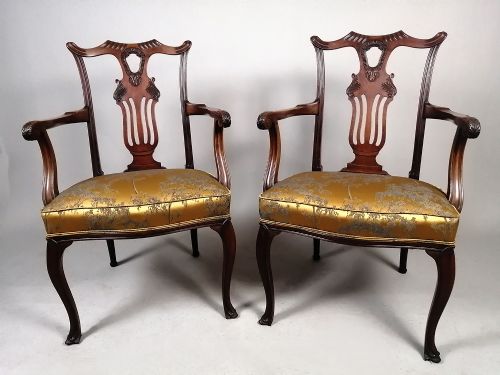
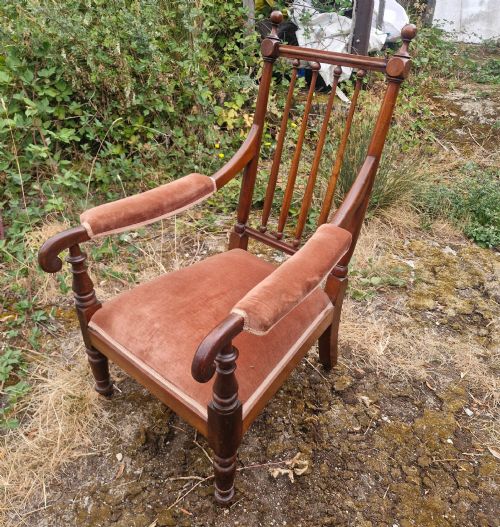
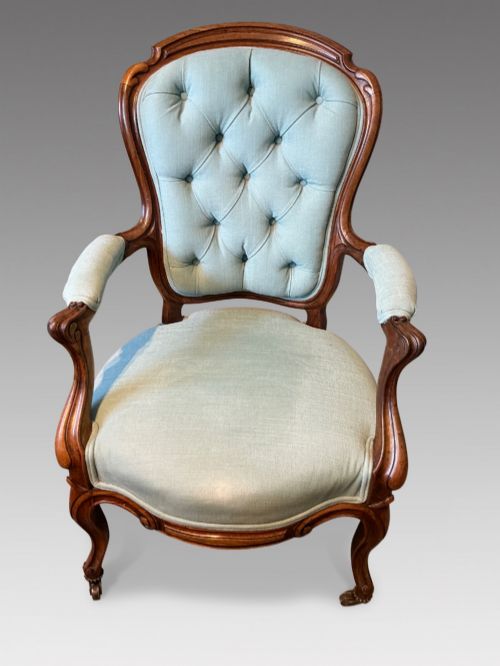
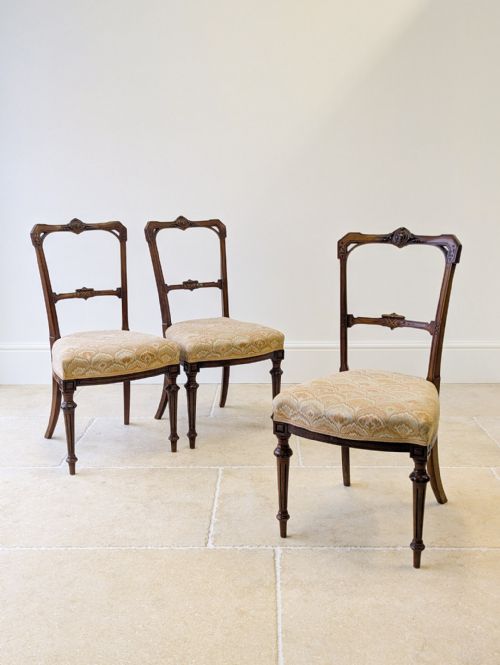
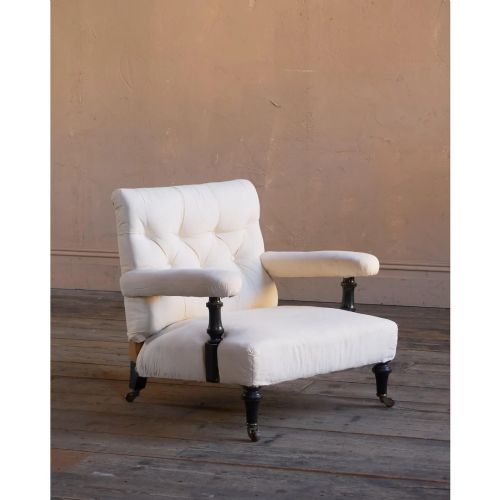
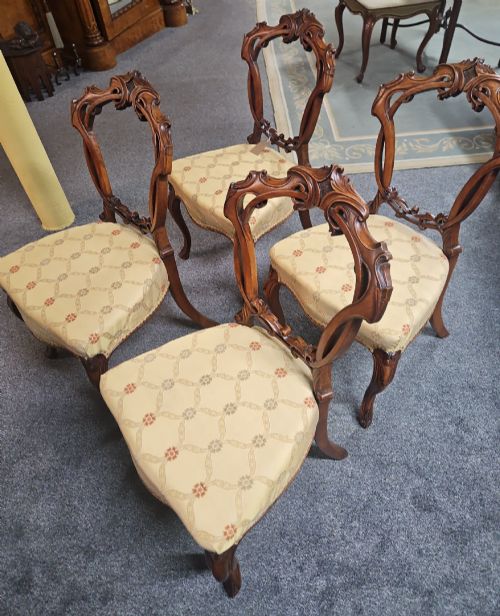
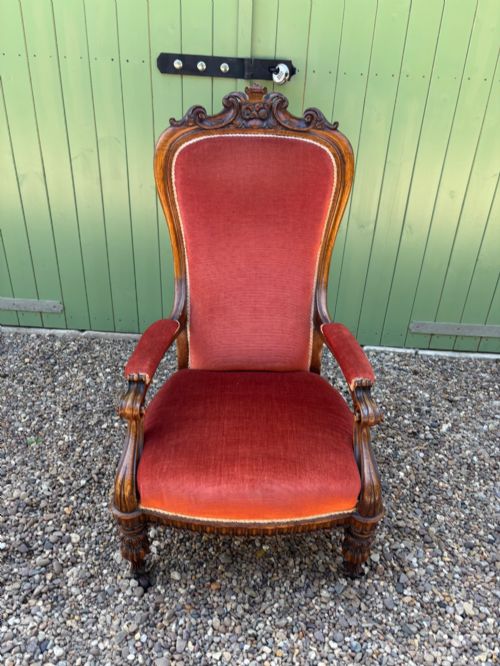
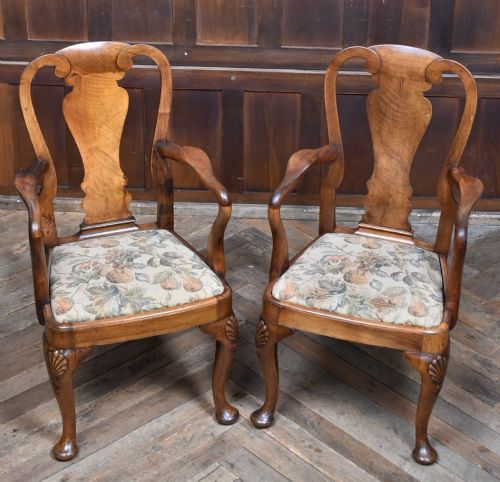
When buyers search for Victorian open back chairs, they look for seating forms shaped during the nineteenth century. These pieces appear as armchairs, salon chairs, dining chairs, and desk chairs designed with open timber frameworks.
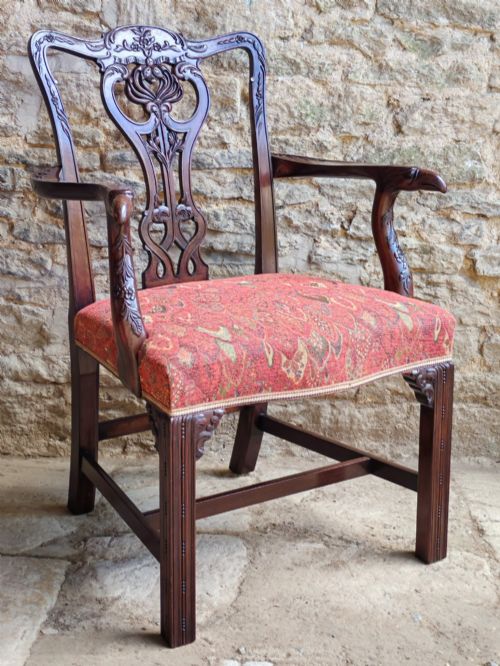
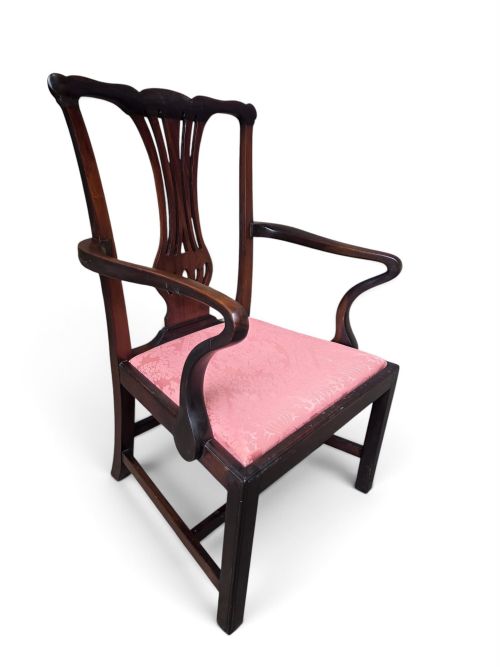
The most common versions on this page are mahogany, walnut, and oak armchairs spanning the Victorian period and surrounding decades. Many examples demonstrate revival styles including Chippendale and Rococo, alongside country house and salon designs.
How they were made
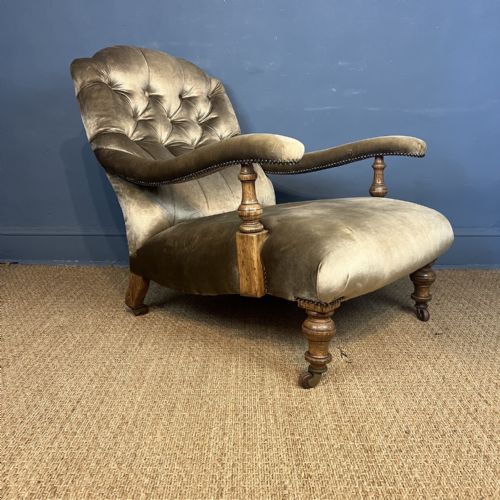
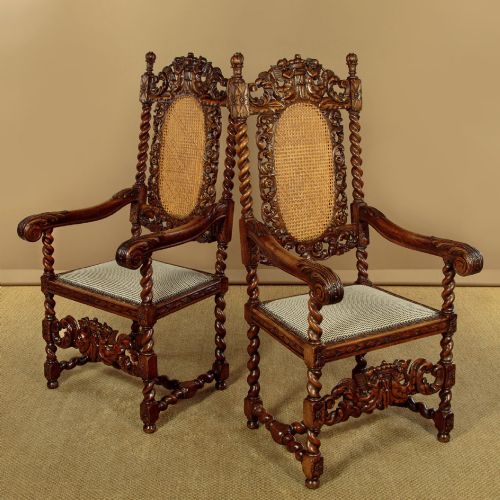
Cabinet makers utilised dense hardwoods such as mahogany, walnut, and oak to construct the supportive frames of these chairs. Skilled joinery formed the structural open backs, arms, and legs, sometimes incorporating turned wood elements like bobbin turnings.
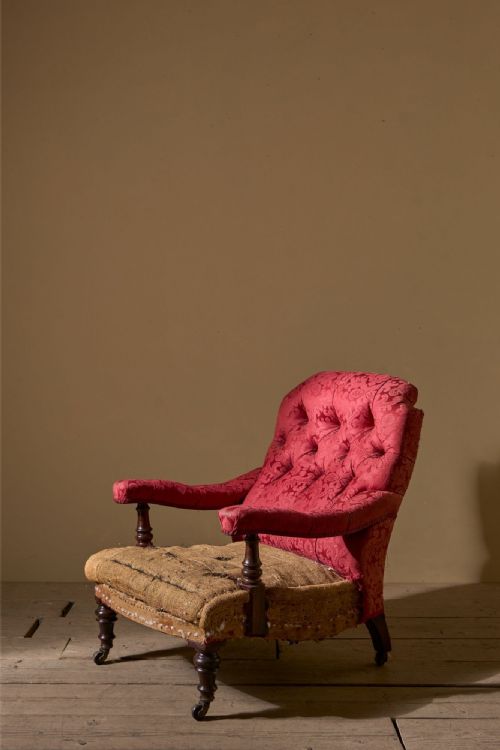
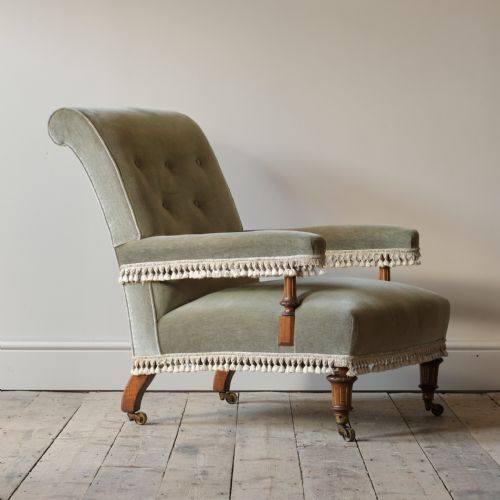
Upholstery techniques applied velvet, silk fabric, linen, and cane to seats and backrests. Frame decoration frequently involved carved wooden details and occasional giltwood finishes.
Country house seating occasionally arrives with historic textiles intact, preserving centuries of domestic life within a single cushion.
What varies in quality
The standard of a chair rests upon the execution of its woodwork and the integrity of its timber frame. Solid construction in walnut or mahogany with crisp carving separates standard production from finer examples.
Attribution to notable makers elevates a piece, as does the retention of original upholstery materials like silk fabric or cane work. The balance of proportion across arms, legs, and open back structures dictates visual success.
Howard and Sons·Gillows·Mellier and Co·Holland and Sons·Hindley and Sons·James Shoolbred
The Victorian Open Back Chairs Glossary
- Open armchair
- A timber chair fitted with open wooden arms rather than upholstered enclosed sides. This form provides a lighter visual profile than a fully padded armchair.
- Carver
- A traditional term for an armchair, often built to match a set of smaller dining chairs. These pieces typically sat at the head of a dining table.
- Salon chair
- A smaller decorative chair designed for entertaining rooms rather than heavy daily dining use. These items frequently display delicate carved walnut or mahogany frames.
- Cane seat
- A seating surface woven from rattan or similar plant material. This technique offers flexible support within an open wooden frame.
- Fauteuil
- An open-arm armchair originating in France, constructed with an exposed wooden frame. Examples appear in nineteenth century interpretations of earlier historical styles.
- Bobbin turned
- A style of woodturning resembling a string of beads or bobbins. Makers applied this decorative method to the legs and structural members of nineteenth century chairs.
Victorian Open Back Chairs: Frequently Asked Questions
What is an open back chair?
An open back chair is a seating piece featuring a supportive frame without a solid or fully padded backrest. This design typically exposes timber splats, rails, or spindle work.
Such chairs allow light to pass through the construction, creating a lighter appearance in a room compared to fully upholstered armchairs.
Where were these chairs used?
These seating forms served multiple rooms across nineteenth century houses, from formal drawing rooms and libraries to country house bedrooms and dining spaces.
Armchairs often stood beside fireplaces or desks, while lighter salon chairs gathered in parlours for entertaining guests.
How do I identify a Victorian chair?
Identification relies on examining the timber species, construction methods, and stylistic revival motifs characteristic of the nineteenth century. Common woods include mahogany, walnut, and oak.
Details such as balloon backs, bobbin turning, and specific revival styles like Chippendale or Rococo help confirm the period.
Can I use these chairs daily?
Many nineteenth century chairs remain structurally sound for regular daily seating when frames are stable and joints are secure. Timber armchairs provide robust support for studies and living areas.
Consider the condition of upholstered cushions, cane panels, and textile coverings before intensive everyday use.