
Victorian Open Adjustable Bookcase
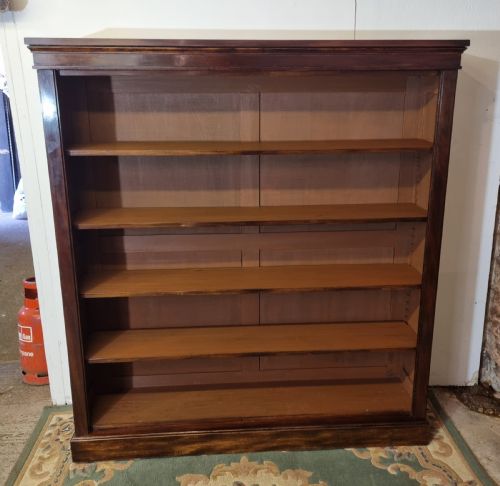
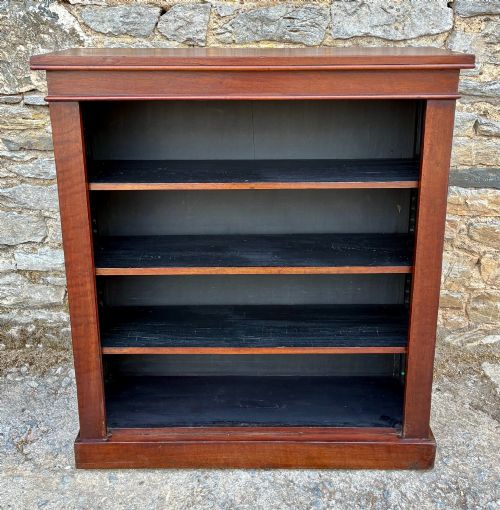
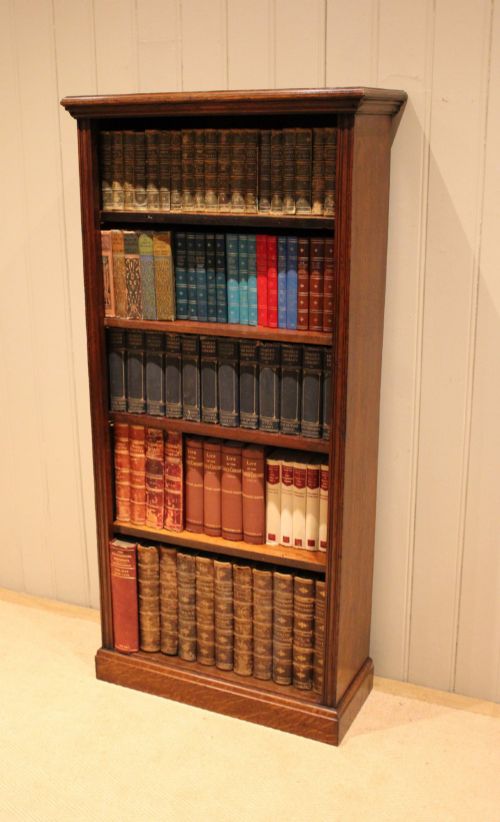
A victorian open adjustable bookcase offers flexible shelf heights within a sturdy timber frame, making it the practical choice for growing libraries.
Victorian Open Adjustable Bookcase
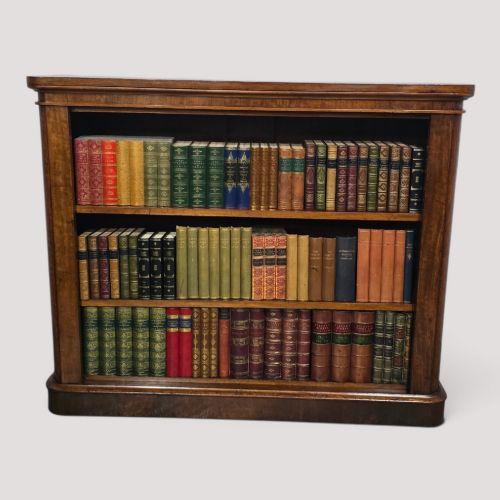
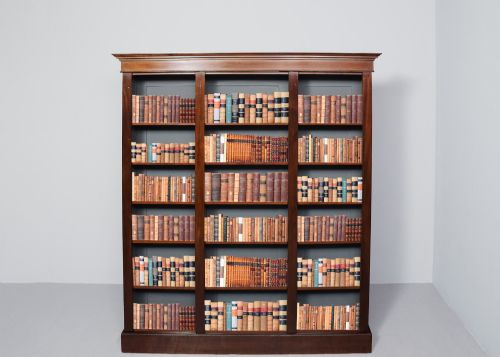
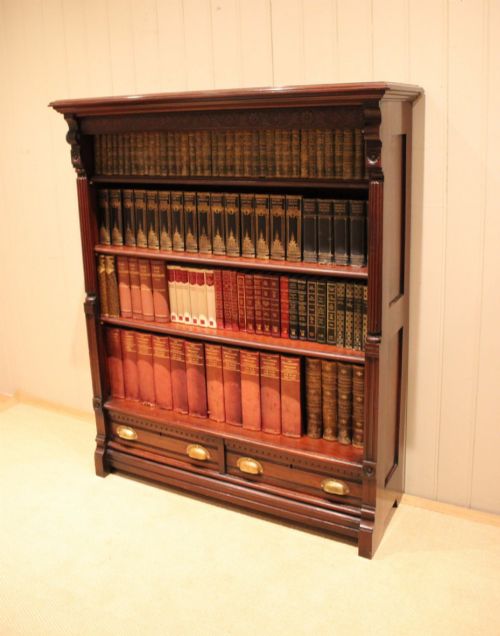
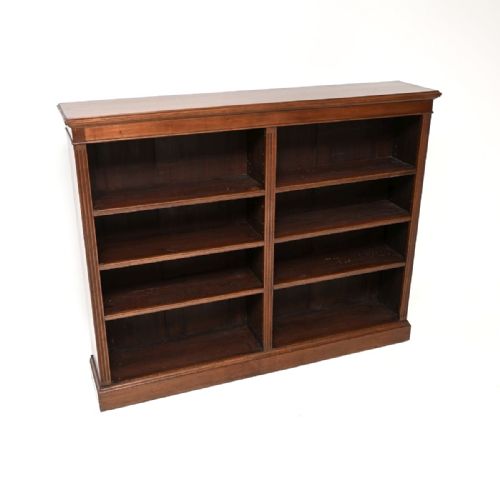
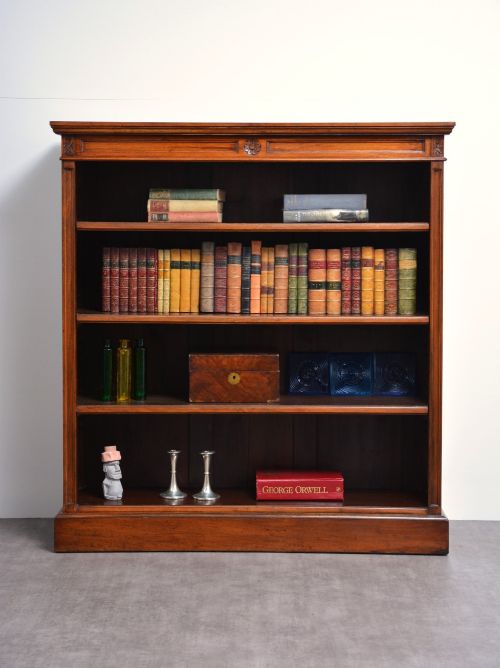
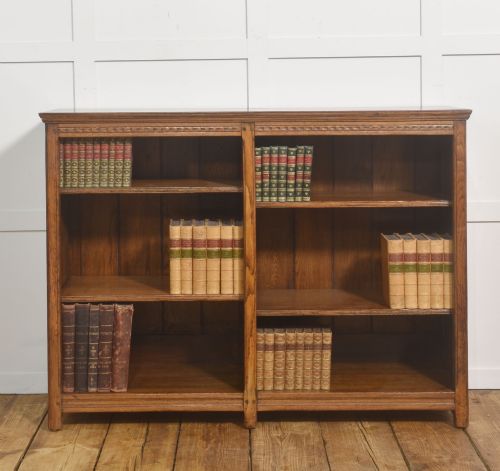
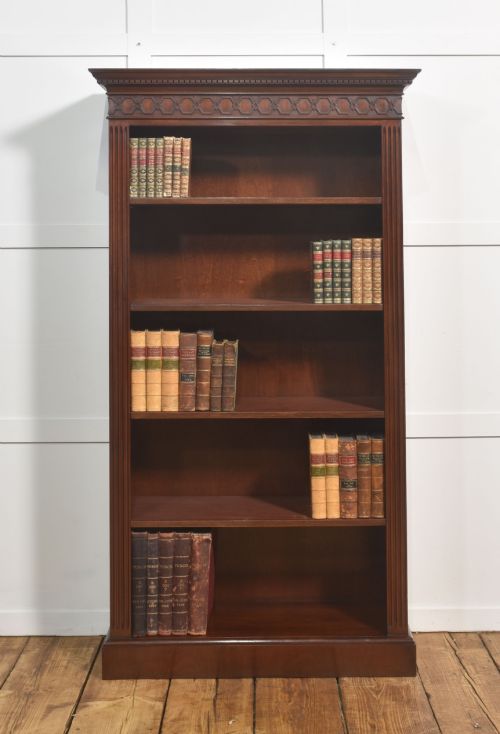
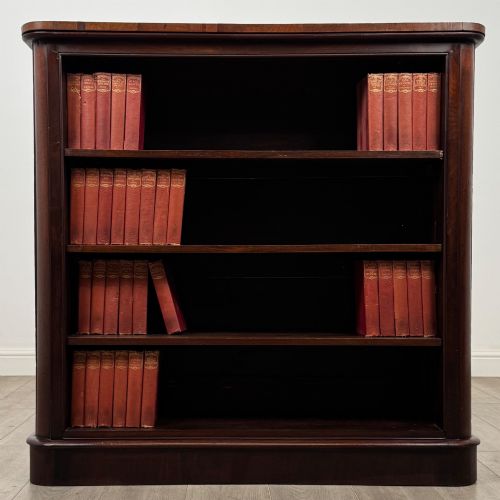
When searching for a victorian open adjustable bookcase, a buyer encounters freestanding shelving units designed without glass doors, allowing direct access to volumes. The form dates primarily from the nineteenth century, ranging from low dwarf formats to tall library editions.
Most examples found on this page are constructed from mahogany, oak, or walnut, frequently featuring adjustable shelf mechanisms such as wooden ratchets or brass studs. Pieces emerge from various periods including the mid-Victorian era, the later decades of the nineteenth century, and into the Edwardian transition.
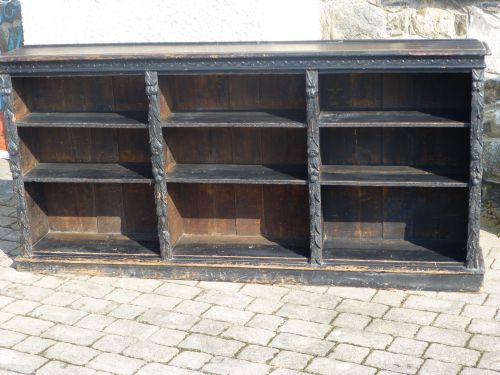
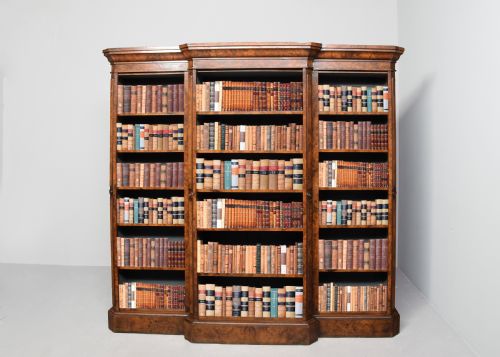
Makers and designers of the time produced multi-section breakfront formats alongside simpler single-bay bookcases. Certain pieces incorporate decorative elements like satinwood inlay, ebonisation, or carved details aligned with Gothic Revival and Sheraton styles.
What varies in quality
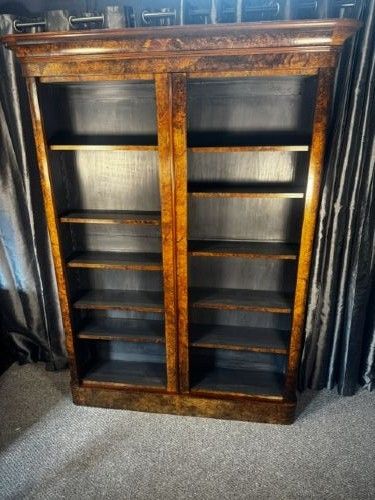
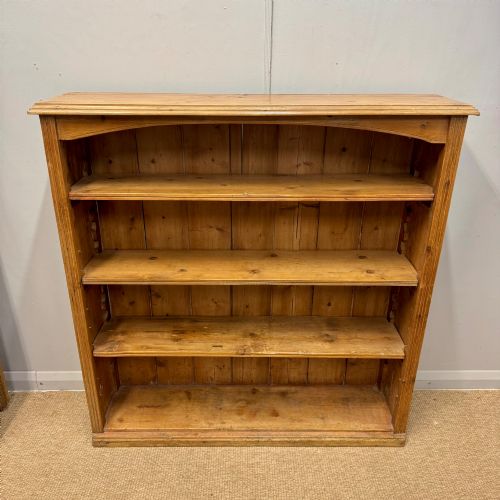
Quality in these bookcases is defined by the selection of timber and the precision of the shelf adjustment mechanism. Heavy mahogany and figured burr walnut demand superior initial stock selection compared to utility softwood or pine.
Construction refinement separates standard utilitarian shelving from library-grade pieces by makers employing complex breakfront configurations, fine marquetry inlay, and robust ebonised or carved mouldings.
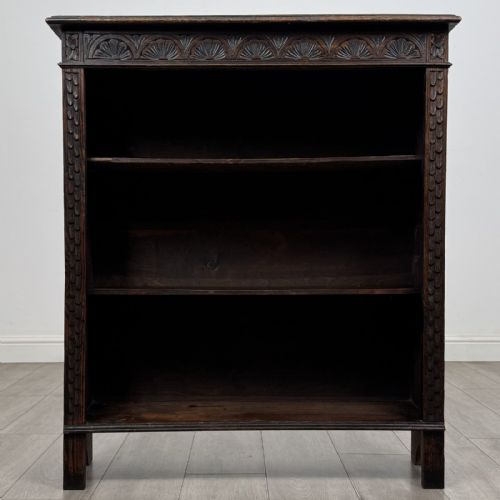
One unexpected resident carved into the woodwork is a green man peering out from an ebonised dwarf bookcase.
Edwards and Roberts
The Victorian Open Adjustable Bookcase Glossary
- Breakfront
- A piece of furniture where the central section projects forward from the flanking bays. This layout creates architectural depth in large library bookcases.
- Dwarf bookcase
- A low shelving unit designed to sit beneath window height or display decorative objects on the upper surface. These shorter pieces maintain an open format for easy access.
- Marquetry
- Decorative inlay work using various coloured wood veneers to form pictorial or geometric patterns. It appears frequently on formal Victorian and Edwardian cabinetry.
- Ebonised
- Timber treated with a chemical stain or finish to resemble heavy, dark ebony. This technique was popular for decorative effect during the late nineteenth century.
Victorian Open Adjustable Bookcase: Frequently Asked Questions
How do adjustable shelves work?
Shelves rest on wooden ratchets, brass pins, or metal strips set into the interior sides of the uprights. This arrangement allows owners to change shelf heights manually.
Such systems accommodate books of varying height without requiring permanent alteration to the internal frame.
Are these bookcases entirely solid wood?
Many examples utilise solid timbers like mahogany, oak, or walnut throughout the uprights and shelves. Other pieces incorporate figured veneers applied to stable secondary woods.
Backboards are commonly constructed from thinner softwood panels secured with traditional panel grooves.
Where should I place a low bookcase?
Low or dwarf bookcases function well beneath windows or against walls where taller furniture would block light. Their upper surfaces provide space for lamps and decorative objects.
Positioning them away from direct heat sources protects the timber and veneer from drying out.