

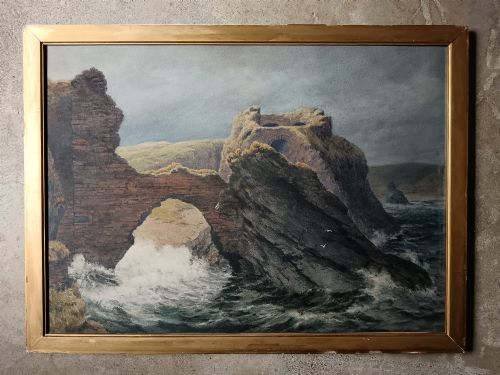


Victorian Ocean Seascape
A victorian ocean seascape captures the movement of coastal tides and the majesty of nineteenth-century shipping on canvas and paper.
Victorian Ocean Seascape
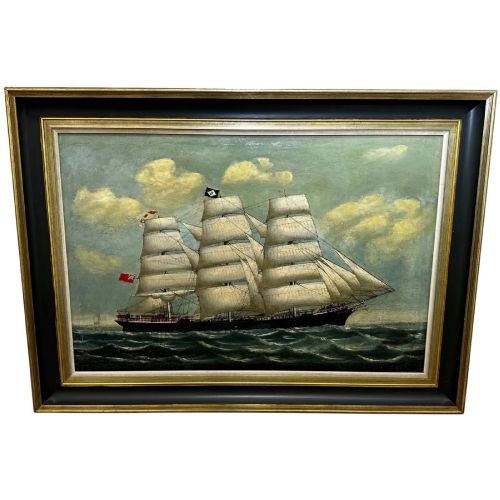
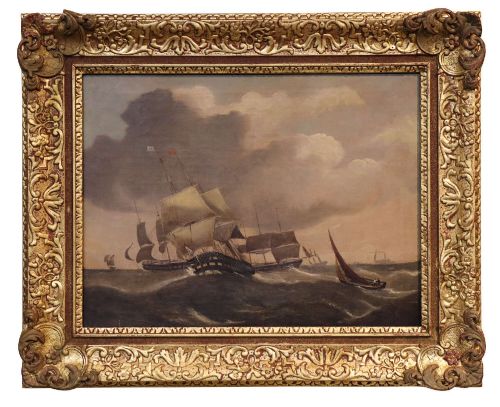
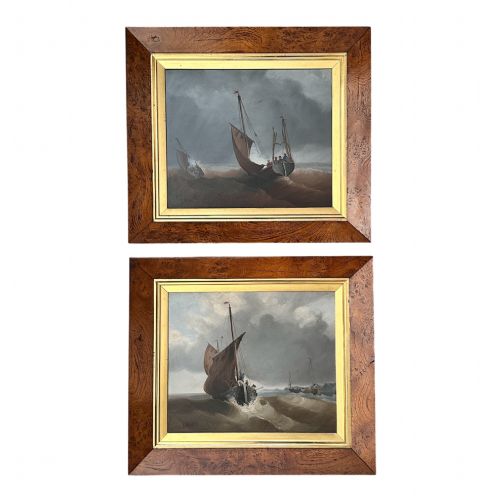
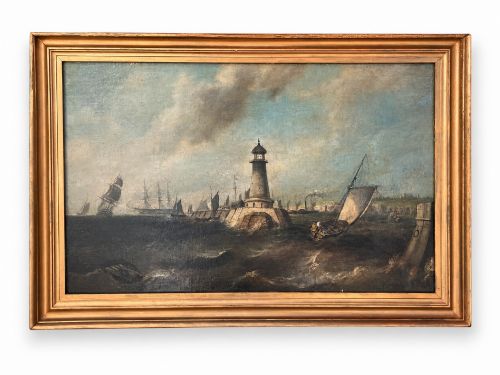
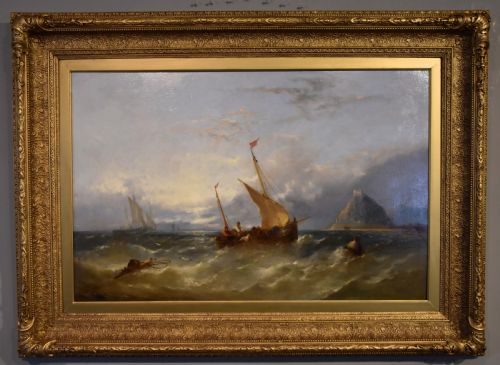
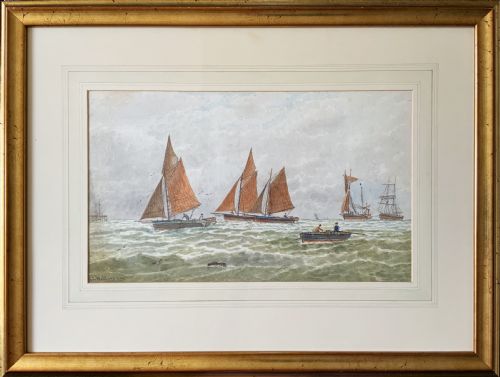
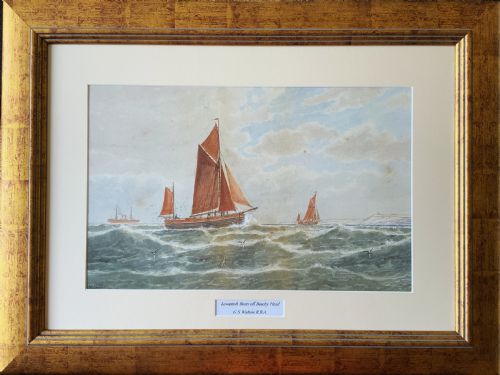
A victorian ocean seascape brings nineteenth-century maritime life indoors through depictions of coastal scenes, harbour approaches and open waters in rough weather. These works range from intimate watercolours to large oil paintings housed in gilt wood frames.
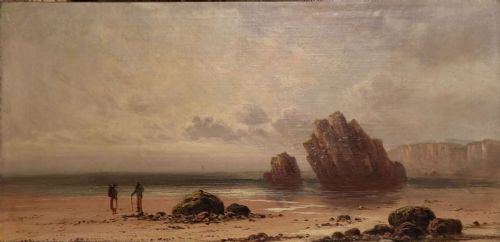
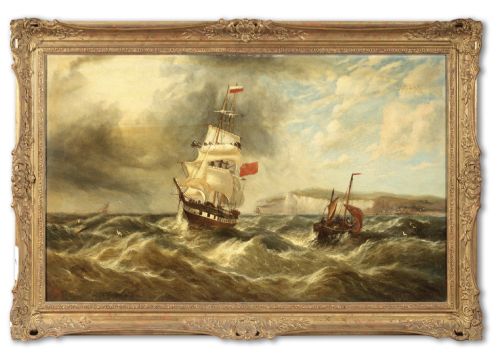
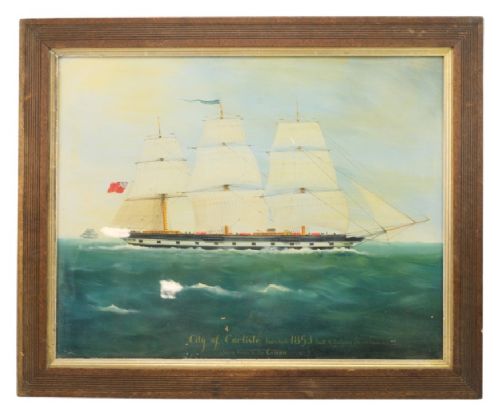
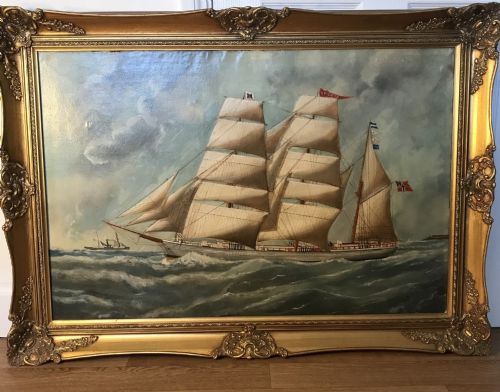
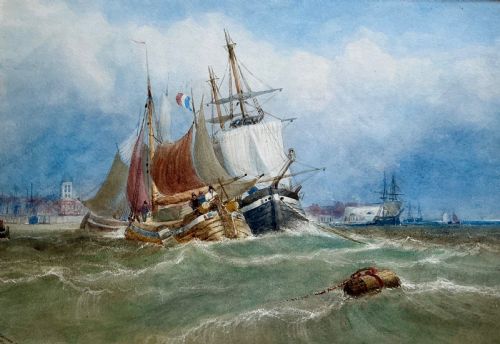
Buyers encounter depictions of specific vessels such as three-masted schooners, barques and fishing boats navigating British and European waters. Many examples record historical vessels, lighthouses and dramatic shipwrecks along rocky shores.
The prevailing style aligns with nineteenth-century marine art, capturing natural light and atmospheric coastal conditions across England, Scotland, Wales and continental Europe.
Materials and Techniques
Artists utilised oil on canvas or board to build rich textures for heavy seas, crashing waves and stormy skies. Pigments were often layered on primed surfaces to achieve depth in the water and luminosity in the clouds.
Watercolour on paper was frequently employed for harbour views and coastal studies, allowing artists to capture translucent effects in the sea and delicate shifts in coastal light. These works were protected behind glass and mounted within traditional frames.
Finished paintings were commonly housed in heavy gilt wood frames, sometimes accented with gold leaf to complement the maritime subject matter.
Several Victorian captains undoubtedly squinted through salt spray at the very types of three-masted barques immortalised in these stormy canvases.
Factors That Distinguish Quality
Quality rests upon the artist's command of maritime atmosphere, particularly the convincing movement of water and the correct rigging of vessels. Works by trained practitioners exhibit a sharper understanding of nautical architecture and light.
The condition of the canvas and pigment layer influences desirability, with untouched surfaces retaining the original hand of the painter. Retaining a period gilt wood frame adds historical integrity to the piece.
William Banks Fortescue·John Rose Miles·Nicholas Condy·William Henry Williamson·George Stanfield Walters·Henry Barlow Carter·John Moxon·Charles William Adderton·Gustave De Bréanski·Thomas Bush Hardy·Daniel Sherrin·William Greaves·Charles Sim Mottram·Claude Thomas Stanfield Moore·Kate E Booth·George Gregory·George Henry Knight·John Callow·E Tucker
The Victorian Ocean Seascape Glossary
- Barque
- A sailing vessel with three or more masts, having the foremast and mainmast square-rigged and the mizzenmast fore-and-aft rigged. These ships appear frequently in nineteenth-century maritime trade paintings.
- Gilt Wood
- Wood that has been coated with a thin layer of gold leaf or metallic gilt paint. Frames finished in this manner were standard for nineteenth-century fine art.
- Marine Art
- Artistic representation of the sea, ships, and coastal views. This genre encompasses both commercial shipping records and dramatic coastal storm scenes.
- Sea Stack
- A geological landform consisting of a steep and often vertical column or columns of rock in the sea. They feature prominently in dramatic coastal landscape paintings.
- Watercolour
- Paint consisting of colour suspended in a water-soluble vehicle. Artists applied this medium to paper to create luminous coastal and harbour studies.
Victorian Ocean Seascape: Frequently Asked Questions
What is a victorian ocean seascape?
A victorian ocean seascape is a nineteenth-century painting or watercolour depicting ships, coastal shores, lighthouses, or harbours. These artworks document the maritime activity and maritime trade of the period.
They reflect the artistic styles of nineteenth-century marine art, focusing on weather conditions, maritime vessels, and coastal topography.
How were these marine paintings displayed?
Nineteenth-century marine artworks were typically housed in ornate gilt wood frames designed to complement the subject matter. Oil paintings on canvas hung directly on walls, while watercolours were mounted behind glass on paper.
Frames often featured decorative moulded details that suited the Victorian interior aesthetic.
Who painted nineteenth-century marine art?
These works were produced by professional artists, coastal residents, and members of recognised artistic societies who specialised in maritime subjects. Many painters travelled along the British and European coasts to sketch harbours and shipping.
Some artists recorded specific historical vessels, naval engagements, or documented commercial shipping lines of the era.
How do I care for an antique painting?
Antique canvases and watercolours require stable indoor environments away from direct sunlight and high humidity. Keeping them out of extreme temperature fluctuations protects both the pigment and the wooden support.
Watercolours behind glass benefit from minimal exposure to bright light to prevent fading of the pigments on paper.