


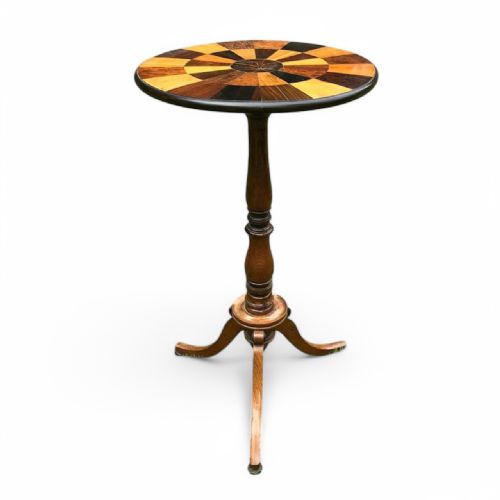


Victorian Oak Wine Stand
These victorian oak wine stand pieces combine robust timber with utility, offering sturdy surfaces for bottles and glasses in any traditional interior.
Victorian Oak Wine Stand
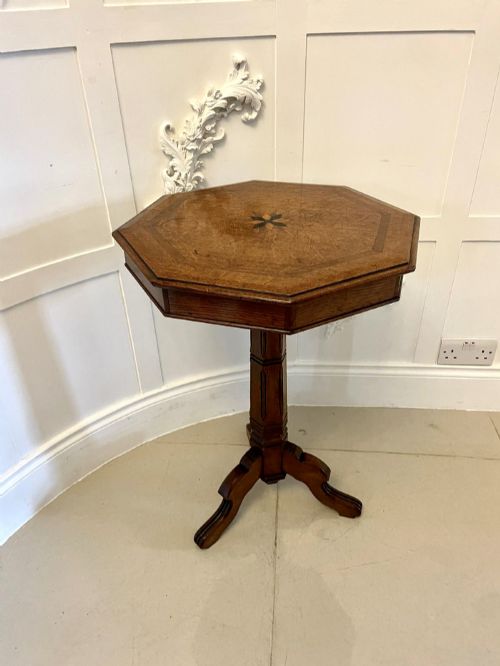
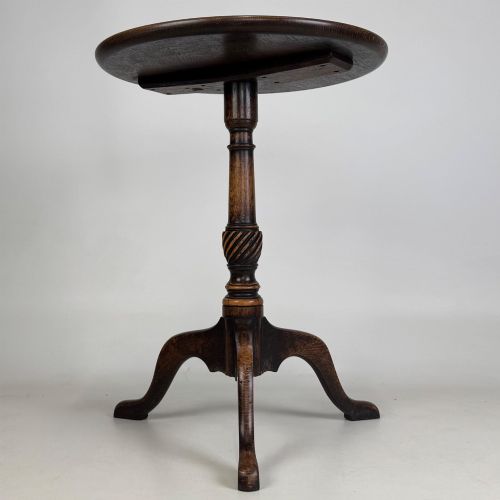
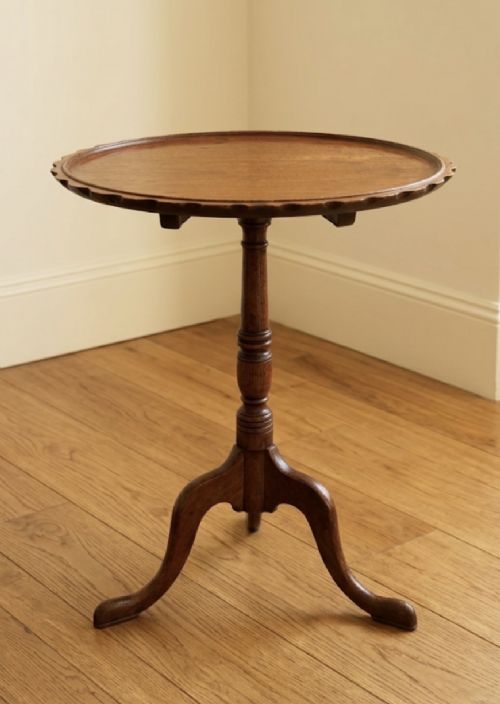
A victorian oak wine stand takes many forms across this selection, appearing as tripod tables, occasional tables, side tables, and even decanter coasters. Buyers search for these pieces to add functional timber furniture with historic character to dining rooms and living spaces.
The most common versions met on this page date from the nineteenth century, often utilising solid oak, brass, and mixed wood veneers. Stylistic influences range from Gothic Revival and Jacobean Revival to straightforward nineteenth-century English designs.
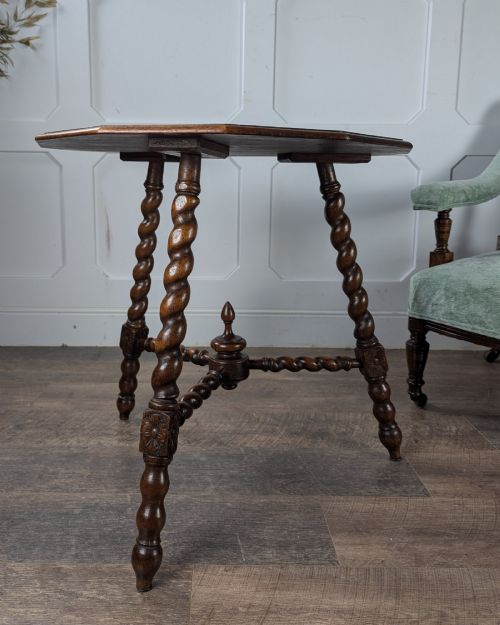
Makers adapted the form in various ways, producing clover leaf tables, barley twist legs, and brass-bound barrel containers. Each piece serves the primary purpose of holding drinks or serving accessories while displaying the rich grain of oak.
Materials and construction
Makers relied heavily on solid oak and mixed wood veneers to build these stands, often pairing the timber with brass mounts or baize linings. Structural elements frequently include carved tripod bases, pedestal columns, and occasionally marquetry inlay.
Construction techniques showcase period craftsmanship through turned barley twist supports, shaped clover leaf tops, and coopered barrel bodies. These methods ensured the stands could support the weight of bottles and decanters during daily use.
One standout piece mounts a brass-bound barrel directly onto a Black Forest stand.
Judging quality in oak wine stands
Quality reveals itself through the depth of the timber carving and the stability of the tripod or pedestal base. Better examples display crisp detailing in motifs such as Gothic tracery or turned barley twists.
Selection of the oak grain and precision in joinery separate standard production items from finer regional or workshop pieces. The integration of materials like brass banding or specialised veneers also marks the higher end of the range.
The Victorian Oak Wine Stand Glossary
- Barley twist
- A turned wooden furniture leg or support carved in a helical screw shape. This decorative technique appears frequently on nineteenth-century stands.
- Tripod table
- A small freestanding table supported by a pillar above three legs. This form provides stable placement on uneven floors.
- Decanter coaster
- A small shallow dish or stand, often fitted with a turned wooden base and brass rim. It protects furniture surfaces from bottle rings.
- Gothic Revival
- An architectural and decorative style drawing inspiration from medieval design. Pieces often incorporate pointed arches, clover leaf motifs, and heavy oak.
Victorian Oak Wine Stand: Frequently Asked Questions
What is a victorian oak wine stand used for?
These stands serve as portable surfaces for holding wine bottles, glasses, and decanters during social gatherings. They fit easily beside seating areas or act as small occasional display tables.
Historically, homeowners used them within dining rooms and drawing rooms to keep refreshments close at hand without needing a large sideboard.
How do I date an oak wine stand?
Dating relies on observing stylistic markers such as Gothic Revival influences, turned barley twists, and specific wood veneers. Comparing construction methods against known nineteenth-century periods helps narrow the timeframe.
Documentation or dealer descriptions often provide further context regarding whether a piece originates from the mid or late nineteenth century.
Are all these stands made of solid oak?
While many pieces feature solid oak, others incorporate mixed wood veneers, mahogany, or brass and baize elements. Some examples combine an oak base with alternative decorative woods.
Examining the grain and undersides of the top reveals whether the maker used solid timber throughout or applied veneers over a secondary wood.
How should I care for an antique oak stand?
Keep wooden stands away from direct heat sources and strong sunlight to prevent the oak from drying out or splitting. Dust regularly with a soft, dry cloth and apply appropriate furniture wax sparingly.
Avoiding excessive moisture protects any brass mounts, veneers, and historical finishes present on the timber.