
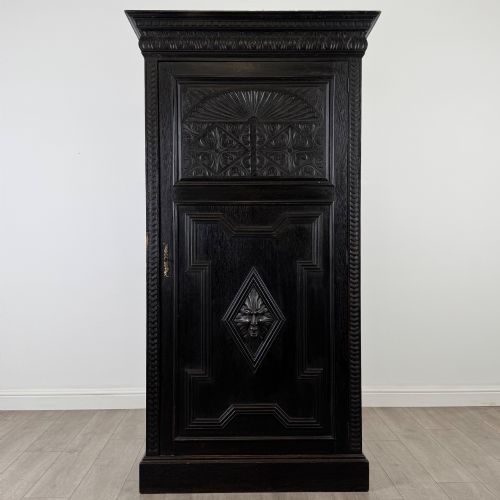


Victorian Oak Linen Press
A victorian oak linen press is a substantial piece of storage furniture combining upper shelving and lower drawers, valued for its warm timber and practical depth.
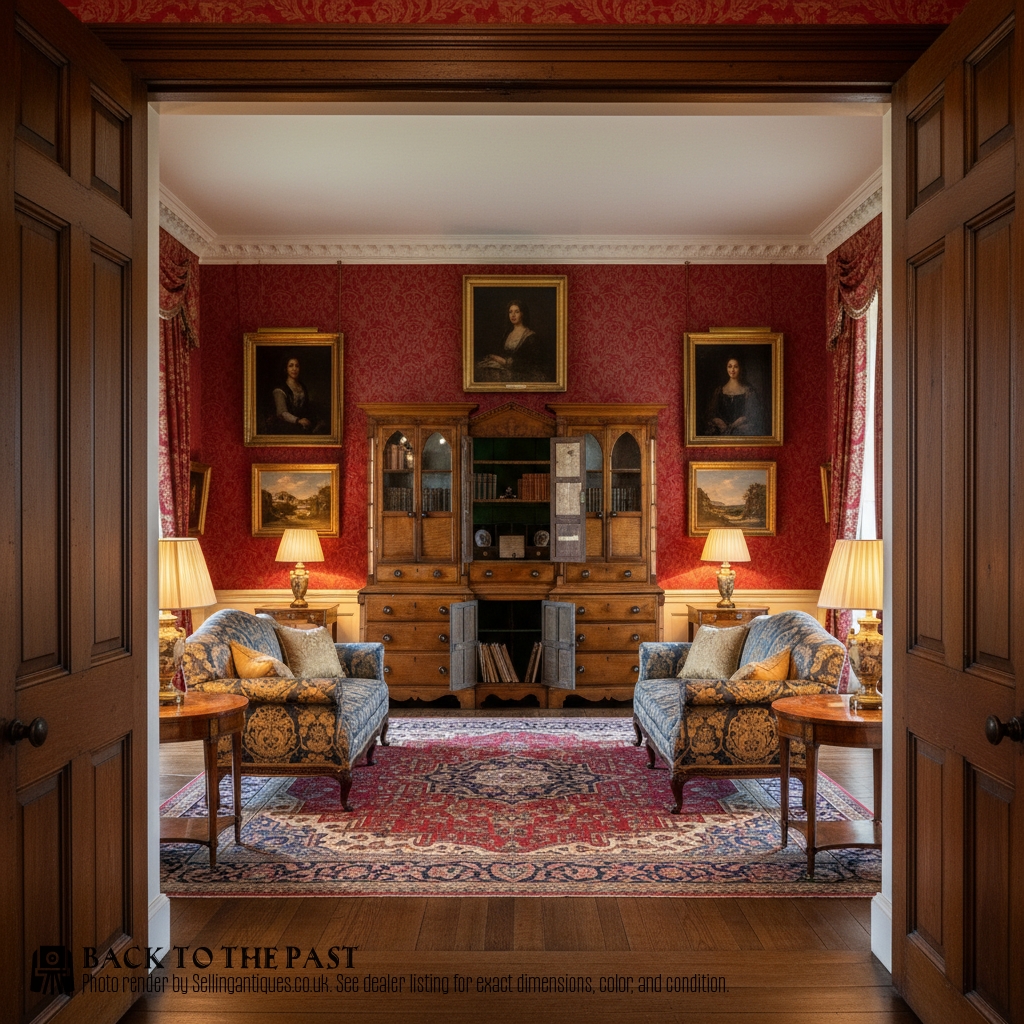
Victorian Oak Linen Press
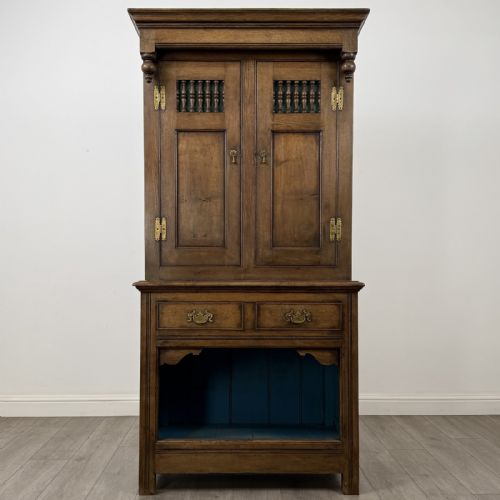
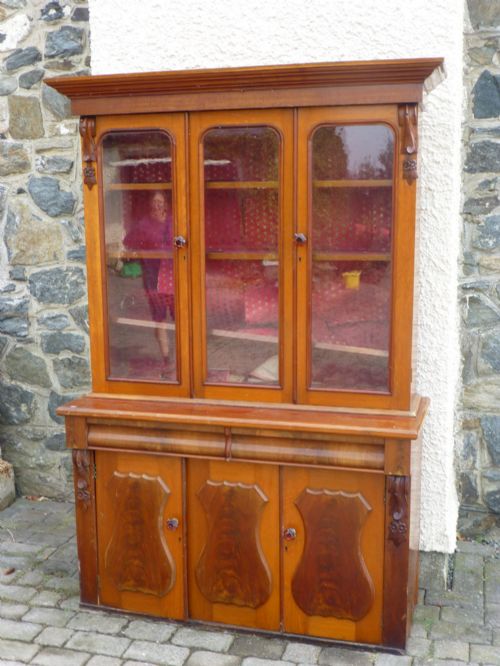
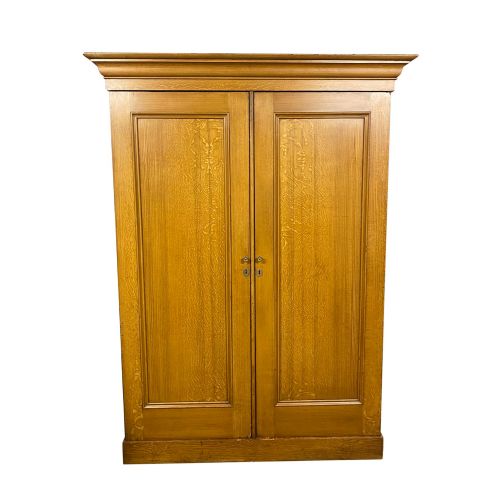
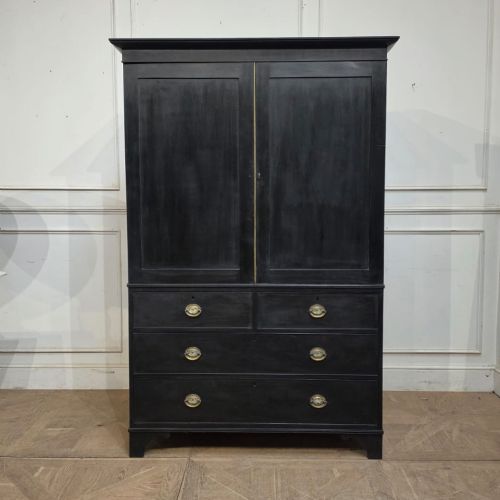
When you search for a victorian oak linen press, you encounter sturdy storage furniture built during the nineteenth century. These pieces typically feature a deep upper cupboard section for textiles and lower drawers for bulkier garments.
The versions most common on this page derive from Victorian and nineteenth-century traditions, including regional Welsh vernacular pieces and Gothic Revival designs. Cabinetmakers constructed them to organise household linens before fitted wardrobes became standard in domestic bedrooms.
While many take the form of traditional press cupboards, related items such as housekeeper's cupboards, compactum wardrobes and press chests also appear within this category. Each variation offers generous internal capacity wrapped in heavy hardwood.
How they were made
Makers utilised solid oak as the primary structural timber, often complemented by secondary woods like pine or mahogany for internal elements. Panels were typically fielded and fitted within solid frames to allow natural wood movement across changing seasons.
Joinery relied on traditional techniques including dovetailing for drawer construction and mortise and tenon joints for the main carcass. Hardware usually consisted of brass handles and escutcheons, occasionally accompanied by glass pulls or iron fittings.
Listings feature nineteenth-century oak alongside alternative finishes including scumble paintwork, ebonised surfaces and pollard oak veneers.
What varies in quality
The standard of a victorian oak linen press depends heavily on the selection of timber and the crispness of any carved detailing. Better pieces display well-figured grain patterns and balanced proportions across the upper and lower sections.
Internal construction also dictates value, with superior examples retaining original sliding trays, clean drawer linings and solid backboards. Alterations to the interior configuration or replaced cornices alter the integrity of the piece.
Gillows of Lancaster
The Victorian Oak Linen Press Glossary
- Linen press
- A tall storage piece with an upper section designed for storing folded textiles and a lower chest of drawers. These cabinets were essential in large nineteenth-century households.
- Deuddarn
- A traditional Welsh two-section cupboard featuring enclosed shelving behind panelled doors. This regional form frequently employs solid oak.
- Compactum
- A fitted wardrobe design divided internally into hanging space, drawers and shelving. It offers multifunctional storage within a single unit.
- Scumble paint
- A decorative surface treatment applied to mimic the grain of more expensive hardwoods like oak. It provides a durable and patterned finish.
- Gothic Revival
- An architectural and decorative style popular in the nineteenth century featuring pointed arches, tracery and heavy carving. It draws inspiration from medieval design.
Victorian Oak Linen Press: Frequently Asked Questions
What is inside a victorian oak linen press?
These pieces usually contain sliding wooden trays or shelves behind the upper doors for storing folded linens and blankets. The lower section consists of a chest of drawers for smaller garments.
Some examples feature hanging space in place of trays if they lean towards a wardrobe format.
How do I fit a large press into a modern room?
Because these cupboards were built in two distinct sections for transport, the upper press lifts off the lower drawer base. This makes moving and positioning them through standard doorways manageable.
Measure your ceiling height carefully, as the heavy cornice adds significant vertical dimensions to the total structure.
Can I use a linen press as a wardrobe?
Many presses adapt well to modern clothing storage by removing internal shelves to insert a hanging rail. This conversion works particularly well in deeper models designed for bulky nineteenth-century garments.
Original sliding trays remain desirable for collectors, so reversible modifications preserve the underlying structure.
How do I distinguish Victorian oak from Georgian oak?
Georgian oak furniture often displays simpler structural lines and heavier timber scantlings. Victorian pieces frequently incorporate more varied surface treatments, such as applied carvings, ebonised details or Gothic Revival influences.
Drawer construction also offers clues, with nineteenth-century pieces showing more mechanical precision in their dovetails.