
Victorian Oak Bench Seat
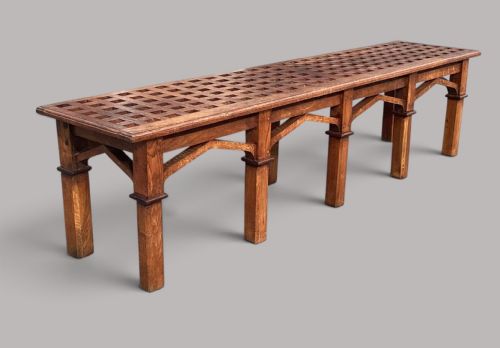
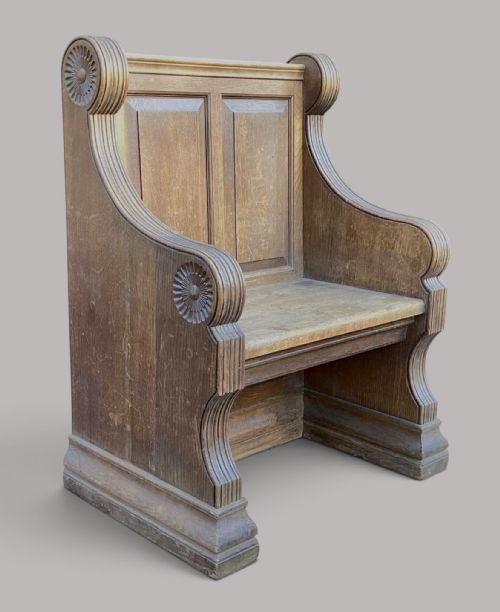
When you search for a victorian oak bench seat, you find heavy timber forms designed for grand hallways and church-like interiors.
Victorian Oak Bench Seat
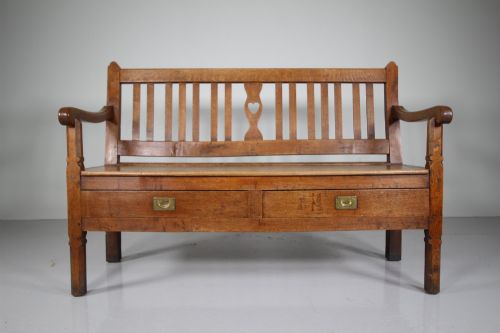
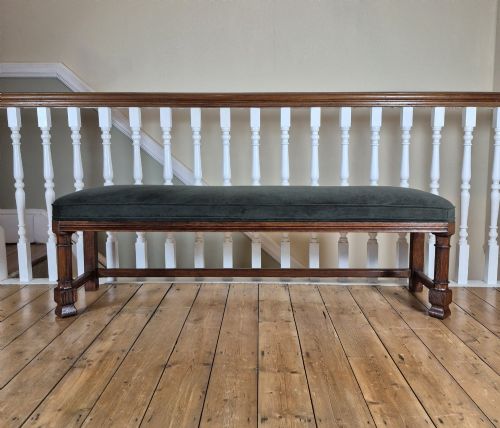
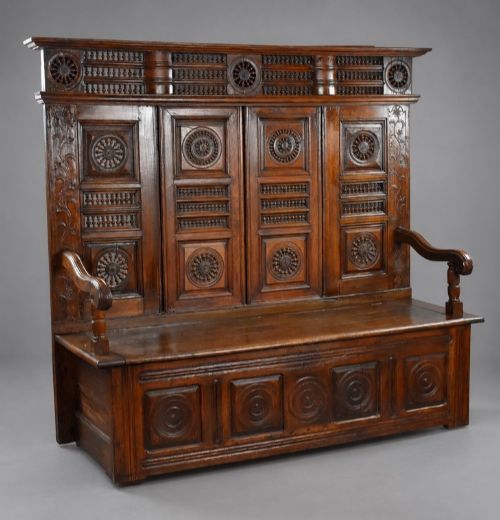
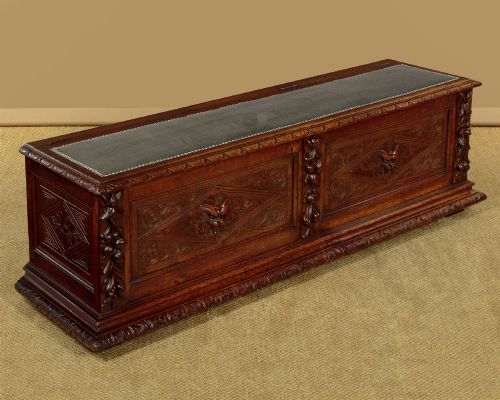
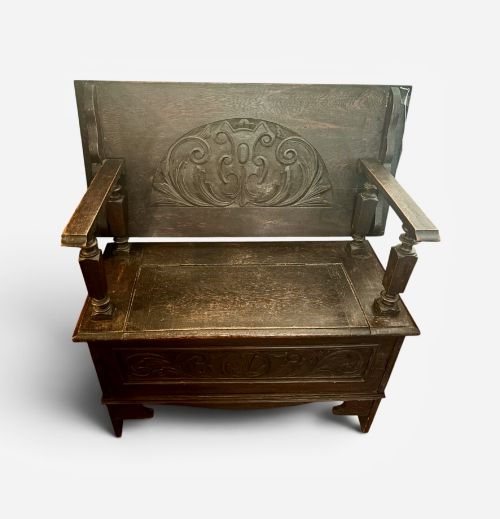
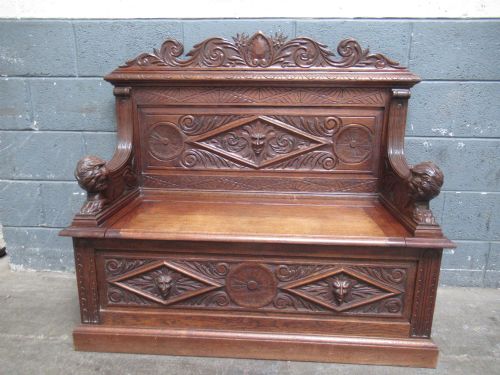
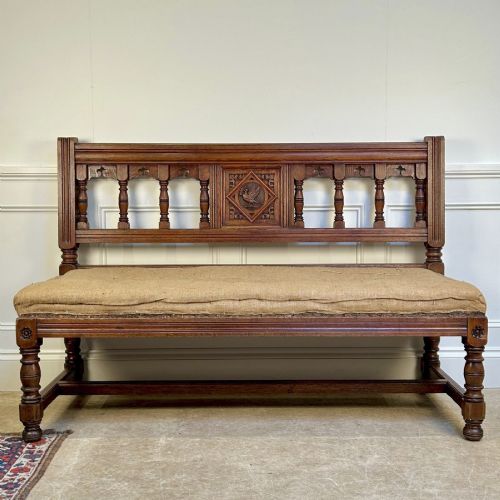
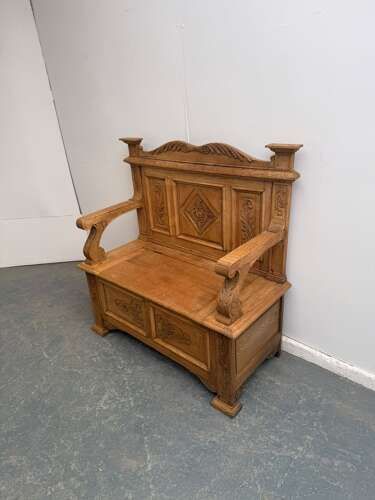
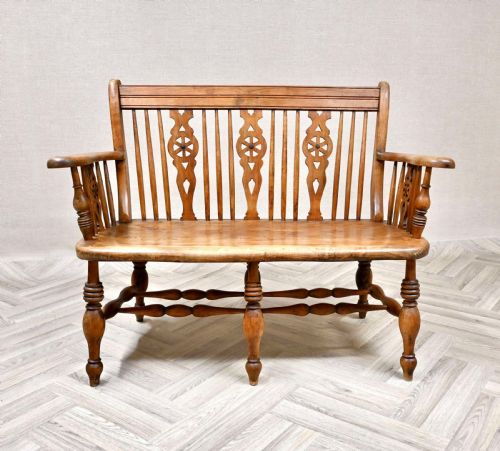
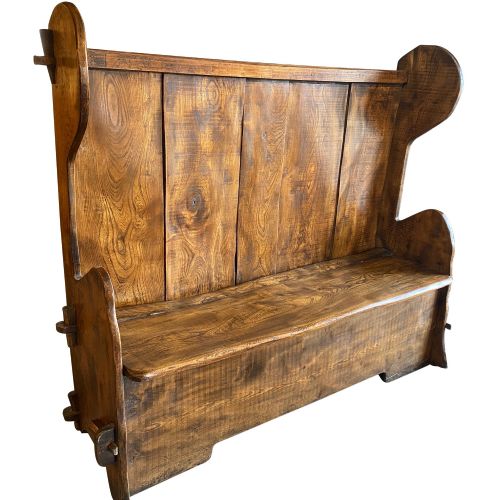
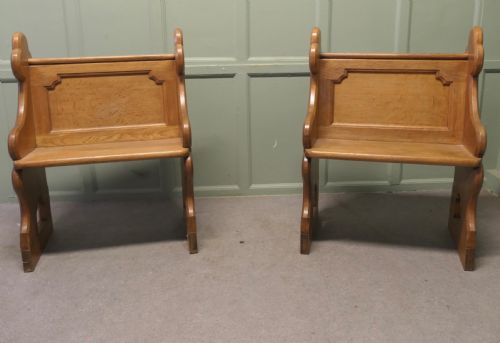
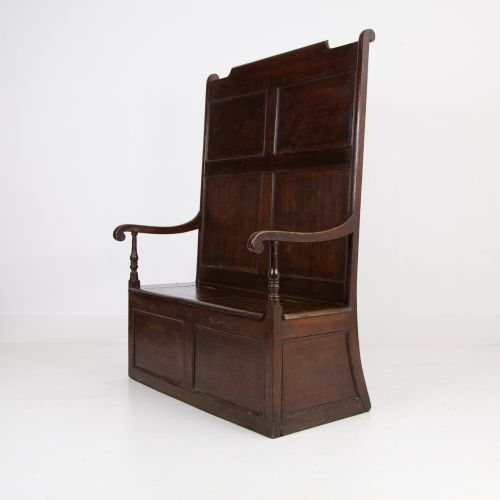
A victorian oak bench seat spans several distinct architectural types, from tall-backed settles and box benches with lift-up lids to low window seats and monk's benches.
Many examples emerge from English and Scottish country houses, featuring vernacular regional details like Welsh hearts or Irish country proportions.
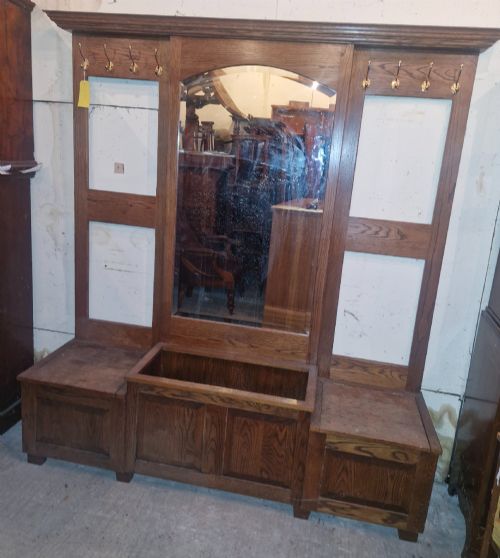
Makers adapted these sturdy forms for hallways, receptions, and domestic window placements using ecclesiastical and baronial precedents.
Materials and Construction
Makers relied primarily on solid oak, frequently paired with secondary woods like elm and pine for internal framing and panels.
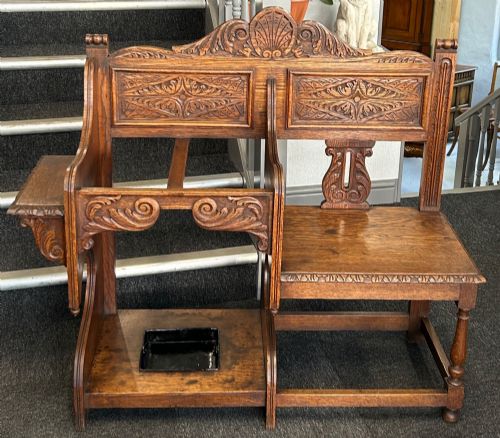
Decoration draws heavily on historical revivals, applying deep chip-carving, linenfold panels, Green Man motifs, and occasionally brass mounts or leather upholstery.
Joinery techniques include pegged mortise and tenon frames, solid plank seats, and hinged storage compartments designed to bear heavy everyday use.
Keep your fingers clear when checking the lift-up box seats, as nineteenth-century heavy oak lids drop with surprising enthusiasm.
Judging Quality
Quality rests upon the depth and crispness of the timber carving, the integrity of the structural joinery, and the weight of the solid oak used in the panels.
Makers such as James Shoolbred and Gillows introduce refined proportions and superior cabinet work that separate workshop-produced pieces from vernacular country carpentry.
GIllows·James Shoolbred & Co.
The Victorian Oak Bench Seat Glossary
- Settle
- A wooden bench with high arms, a solid back, and often a box seat for storage. This form kept drafts away from the sitter in large medieval and Victorian halls.
- Monk's bench
- A convertible seat whose folding back rests on the arms to form a table top. These items offer dual functionality for compact spaces.
- Gothic Revival
- An architectural and decorative style drawing on medieval cathedral motifs, featuring pointed arches and tracery. This aesthetic dominates much Victorian hall furniture.
- Box settle
- A bench with a hinged lid revealing a storage well beneath the seat. This design maximises utility in domestic entryways.
- Green Man
- A sculpted face emerging from foliage, symbolising rebirth. Carvers often placed this motif on the crest rails of Victorian settles.
Victorian Oak Bench Seat: Frequently Asked Questions
Where did these benches originally go?
These pieces traditionally stood in large entrance halls, reception rooms, and sometimes ecclesiastical spaces like churches or schoolrooms. Their primary role was to provide sturdy seating for visitors waiting in draughty corridors.
Over time, owners also placed them beneath large windows or inside country house reception halls to display carved panels and heraldic motifs.
How do I use one at home?
A bench works well in a modern hallway or boot room, offering a sturdy seat for putting on shoes alongside concealed storage under the lid for clutter.
Lower window variants suit living spaces or dining tables, while tall-backed settles create an intimate seating nook against a plain wall.
Are these pieces comfortable?
Most examples feature rigid wooden seats and straight upright backs designed for posture rather than lounging. Some pieces incorporate upholstered leather or fabric pads for added softness.
Adding a loose wool or velvet cushion easily softens the timber seat without altering the historic structure of the frame.
How can I tell the period?
Look for the character of the oak grain, the hand-cut tool marks on the timber, and the specific decorative vocabulary of the revival styles. Victorian cabinetmakers blended 17th-century Jacobean motifs with Gothic tracery and robust construction methods.
Heavier machine milling and simpler joints typically point towards the later decades of the nineteenth century or subsequent revival periods.