
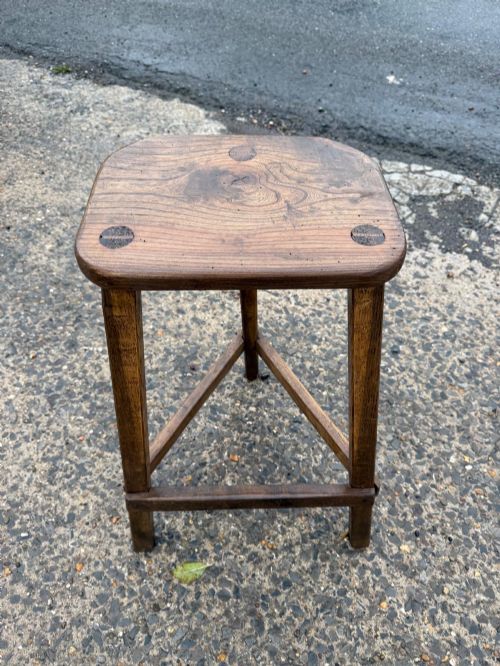
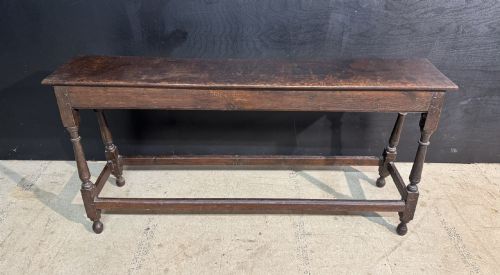
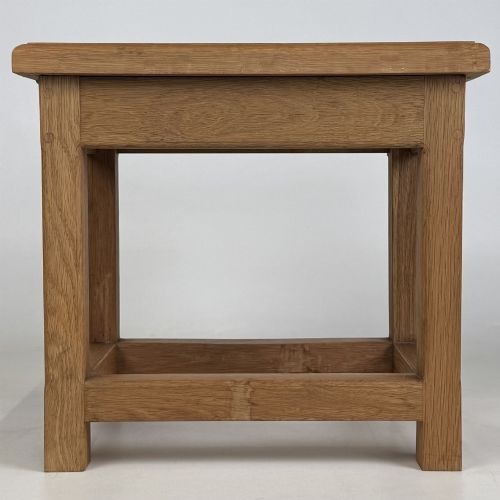
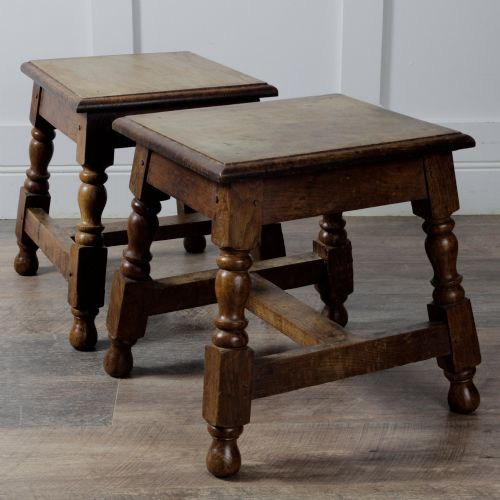
Rustic Oak Wooden Stool
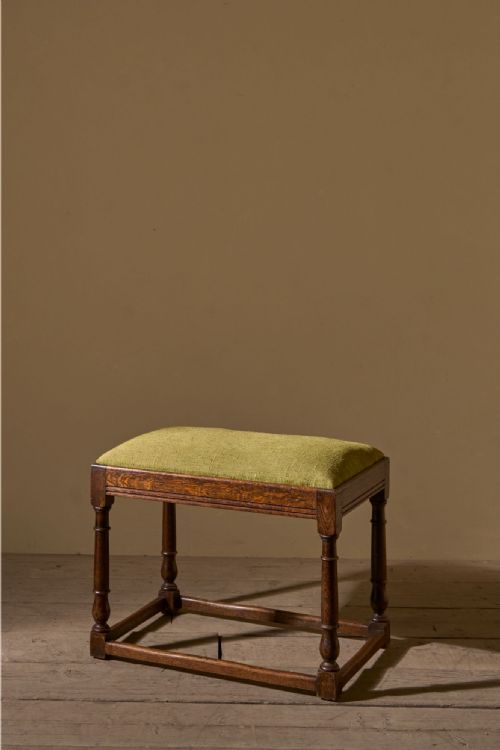
A rustic oak wooden stool is a solid, honest piece of vernacular seating built to endure centuries of daily domestic or tavern use.
Rustic Oak Wooden Stool
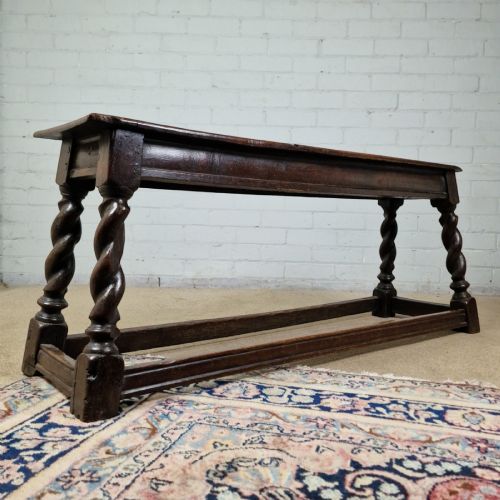
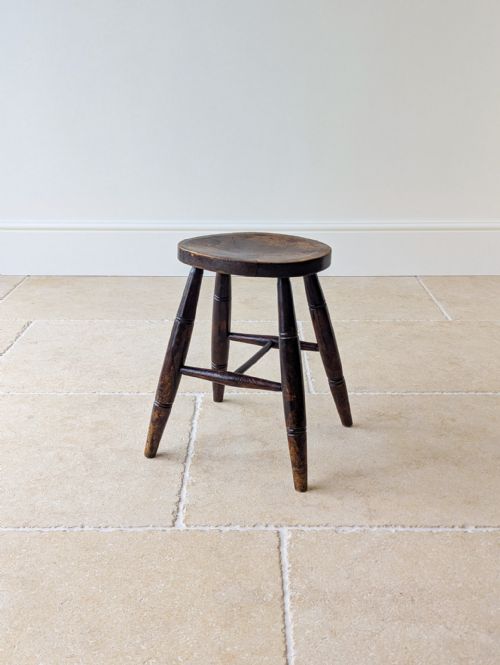
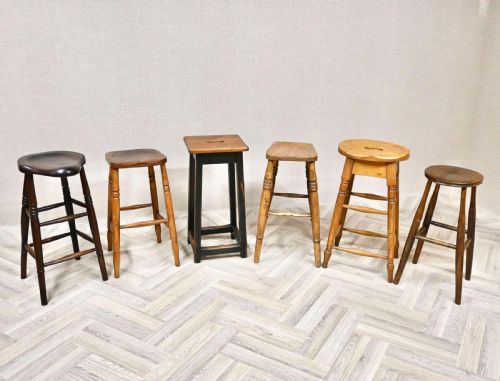
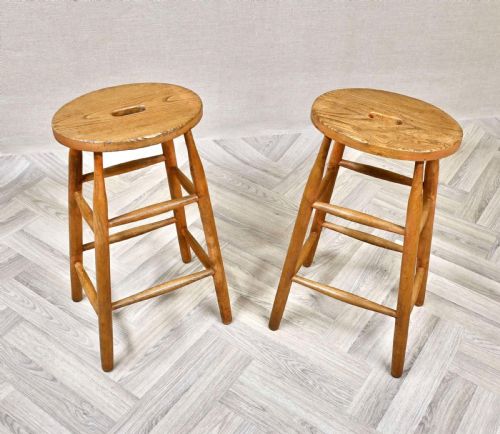
When you search for a rustic oak wooden stool, you encounter a wide variety of utilitarian seating originating from diverse historical periods, including the 17th Century, 18th Century, and 19th Century. The selection spans straightforward joint stools, low milking stools, and tall bar stools used in trade and daily life.
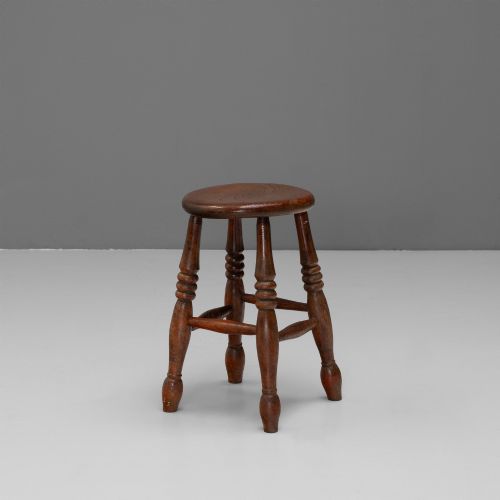
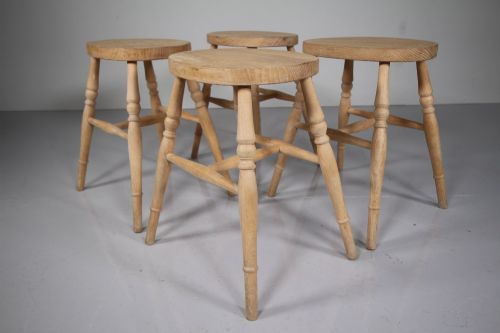
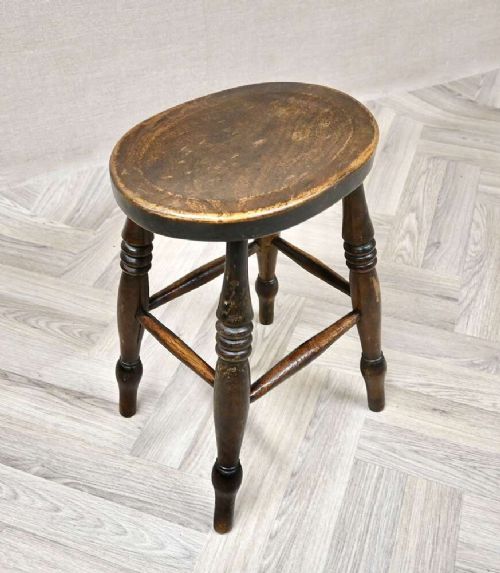
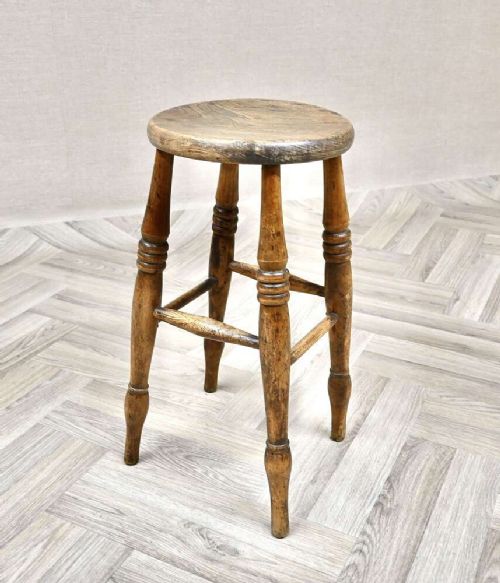
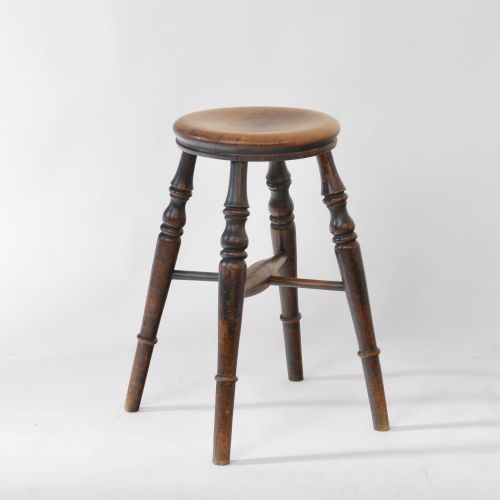
The version you are most likely to meet on this page is a 19th Century country piece, often displaying simple turned or splayed legs and solid timber tops. Alongside traditional oak, these forms draw upon related materials like elm, ash, and pine to meet practical household needs.
What varies in quality
The distinction between ordinary utility items and superior examples lies in the integrity of the original construction and the proportion of the timber. Pieces that retain their uncompromised structural joints and authentic surface patination stand apart from those altered by extensive later restoration.
Unusual vernacular forms, such as one-leg milking stools or pieces with early blacksmith repairs, demonstrate individual regional character rather than mass production. The weight of the timber and the honesty of the wear patterns directly influence the visual presence of each stool.
Some provincial milking stools managed with only one leg, relying entirely on the milker's posture for balance.
The Rustic Oak Wooden Stool Glossary
- Joint stool
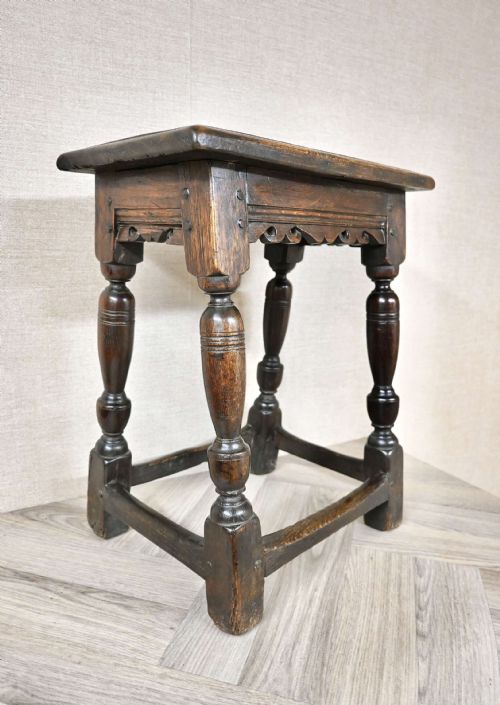
- A sturdy wooden seat constructed with mortise and tenon joints pegged together, common in the seventeenth century. These pieces were built to support heavy domestic use before chair seating became universal.
- Milking stool
- A small, usually three-legged seat designed for stability on uneven agricultural floors. The legs are often splayed outward at angles to prevent tipping.
- Vernacular
- Objects made by local craftsmen for everyday regional use rather than high-style urban design. These pieces prioritize function and available local materials over academic artistic movements.
- Splayed legs
- Supports angled outward from the centre for enhanced balance and load distribution. This technique is typical of primitive country furniture.
- Plank top
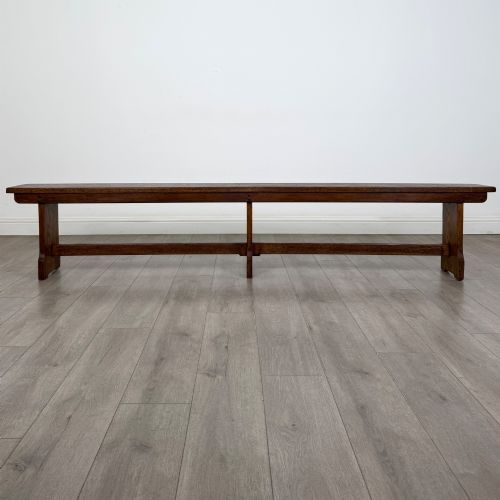
- A seat or surface constructed from solid boards joined edge to edge. It forms a heavy, stable plane typical of early tables and benches.
Rustic Oak Wooden Stool: Frequently Asked Questions
What is a joint stool?
A joint stool is an early form of wooden seating constructed using tightly fitted pegged joints rather than nails or glue. These heavy items served multiple domestic purposes, from sitting to reaching high shelves.
Craftsmen built them with solid timber frames designed to bear significant weight in daily household and tavern settings.
How do I date a wooden stool?
Dating relies on observing tool marks, timber species, wear patterns, and the method of construction used in the frame. Seventeenth-century examples typically feature heavy oak with pegged mortise and tenon framing, whereas nineteenth-century pieces often show simpler lathe-turned legs.
Examining the underside reveals the tool technology of the period, helping distinguish between early hand-planed surfaces and later machine-sawn components.
Were these stools used in homes?
These practical seats found a place in farmhouses, cottages, and taverns where durable, space-saving furniture was essential. People used them for sitting near hearths, milking animals, or serving at wooden tables.
Their robust construction allowed them to withstand rough treatment on flagstone floors and around busy work spaces.
How should I care for antique oak?
Maintain the timber by keeping it away from direct heat sources and sudden humidity changes that cause wood to split. Regular dusting with a dry cloth and occasional application of traditional beeswax preserves the surface patination.
Avoid modern liquid polishes containing silicone, which can penetrate porous historical finishes and damage the natural grain.