



Victorian Nursery Art
Victorian nursery art brings the tactile, imaginative world of nineteenth-century childhood into your home through surviving toys, paintings and prints.
Victorian Nursery Art
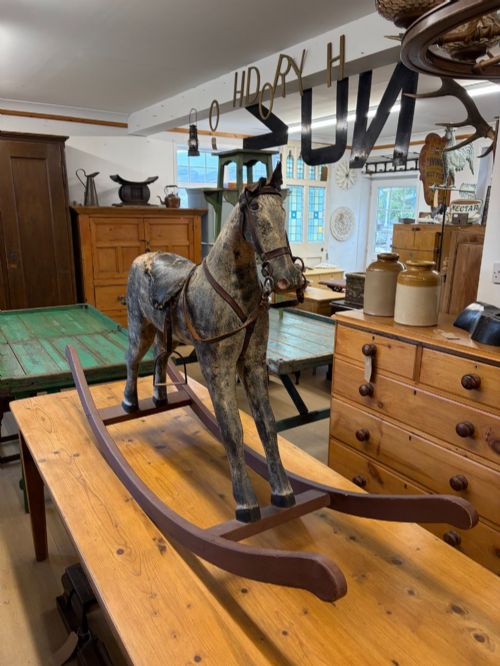
Victorian nursery art encompasses the painted wooden objects, framed watercolours, pastels and prints that filled nineteenth-century children's spaces. You will encounter naïve wooden rocking horses, framed animal prints, and children's furniture among these historic items.
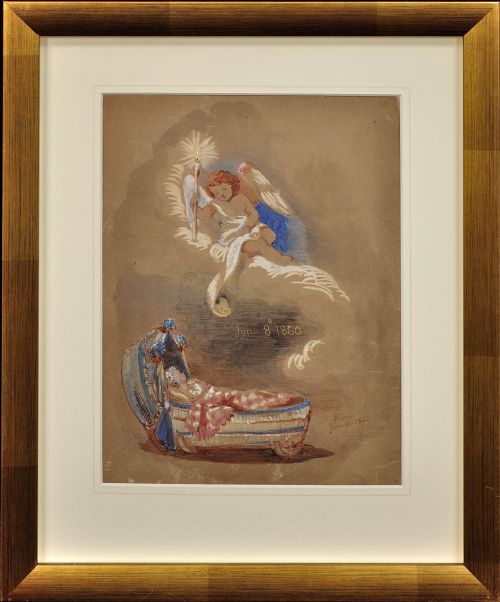
The objects span from primitive folk art pieces to accomplished watercolours by named artists such as Princess Alice Maud Mary and Linnie Watt. Much of what appears relies on handcrafted charm, often showing the original paint and heavy use from children.
Rocking horses and toy lionesses sit alongside framed prints after Emile Vernon and works by John Parry. These items represent both the playful and decorative aspects of period nurseries.
Materials and Methods
Makers utilised solid timbers such as pine, beech and various unrecorded woods to carve rocking horses, toy animals, cradles and small benches. Paint, horsehair, leather and iron often finished these wooden toys and functional nursery objects.
Paper, pastel and watercolour pigments on card or paper formed the basis for framed prints and original paintings. Artisans applied hand-mixed paints to wood, preserving visible brushstrokes and layer upon layer of historic pigment.
One listed painting records the dramatic domestic adventures of a nineteenth-century nursery poodle.
Judging Quality
Quality rests upon the survival of original surface decoration, such as untouched early paint layers on carved wooden horses. Pieces showing genuine hand-carving skill stand apart from simpler utilitarian items.
Artistic execution distinguishes standard commercial prints from original hand-painted watercolours and pastels created by known nineteenth-century hands. The integrity of the materials, from the timber substrate to the historic paper, shapes the standing of each piece.
The Victorian Nursery Art Glossary
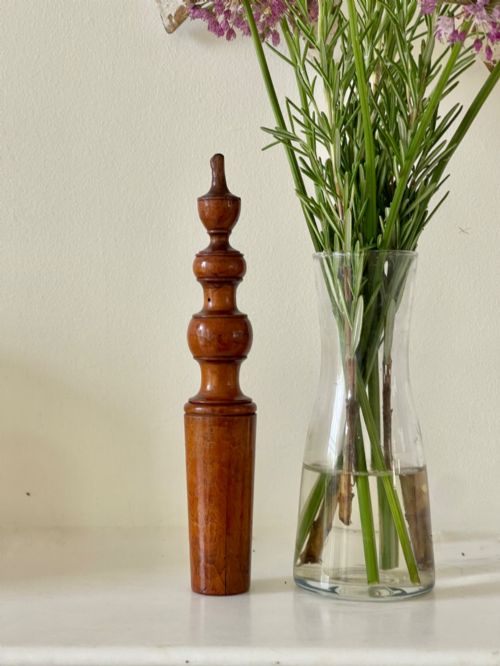
- Treen
- Small handmade wooden objects produced before the advent of modern plastic toys. This term covers functional items and wooden playthings alike.
- Folk art
- Utilitarian or decorative objects made by self-taught makers working outside academic artistic traditions. These pieces often display charmingly naïve proportions and direct craftsmanship.
- Naive
- An artistic style characterised by a childlike perspective and a lack of formal training in perspective or anatomy. It frequently appears in nineteenth-century paintings and carvings.
- Pastel
- A dry medium of powdered pigment mixed with a binder, pressed into sticks for drawing. It produces soft velvety colours on paper surfaces.
- Watercolour
- A paint consisting of pigment suspended in a water-based solution. It was widely used for delicate illustrations and framed nursery pictures.
Victorian Nursery Art: Frequently Asked Questions
What is victorian nursery art?
Victorian nursery art comprises the handmade wooden toys, paintings, watercolours and framed prints that decorated nineteenth-century children's rooms.
These surviving pieces range from naive folk art rocking horses to delicate botanical or animal illustrations intended for early education.
How were rocking horses made?
Nineteenth-century rocking horses were carved from solid woods like pine and beech, often assembled with iron hardware.
Artisans then finished these wooden frames with horsehair manes, leather tack, and layers of hand-applied paint.
How do I date these pieces?
Dating relies on stylistic clues, framing techniques, and the type of paper or wood employed by the maker.
Evidence such as handwritten inscriptions, artist signatures, and recorded periods help place objects within the nineteenth century.
What subjects are common in these prints?
Common subjects include domestic animals, sentimental scenes of children, and moralizing stories typical of Victorian upbringing.
Artists often portrayed animals like poodles and lions in anthropomorphic or gentle domestic settings.