




Victorian Novelty Pincushion
These playful victorian novelty pincushion pieces turn everyday sewing tools into miniature silver animals and objects that collectors prize.
Victorian Novelty Pincushion
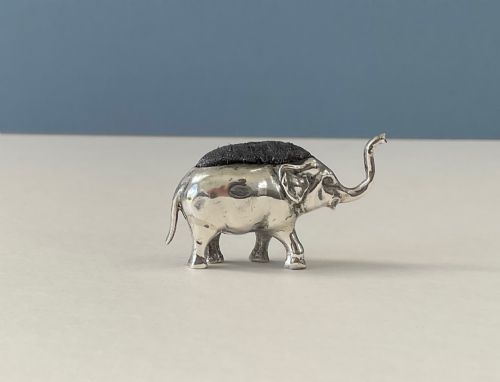
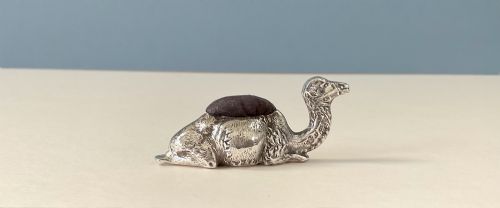
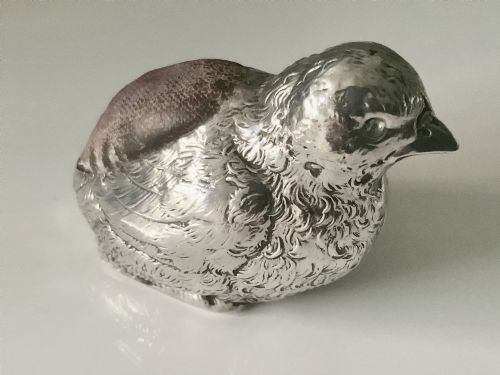
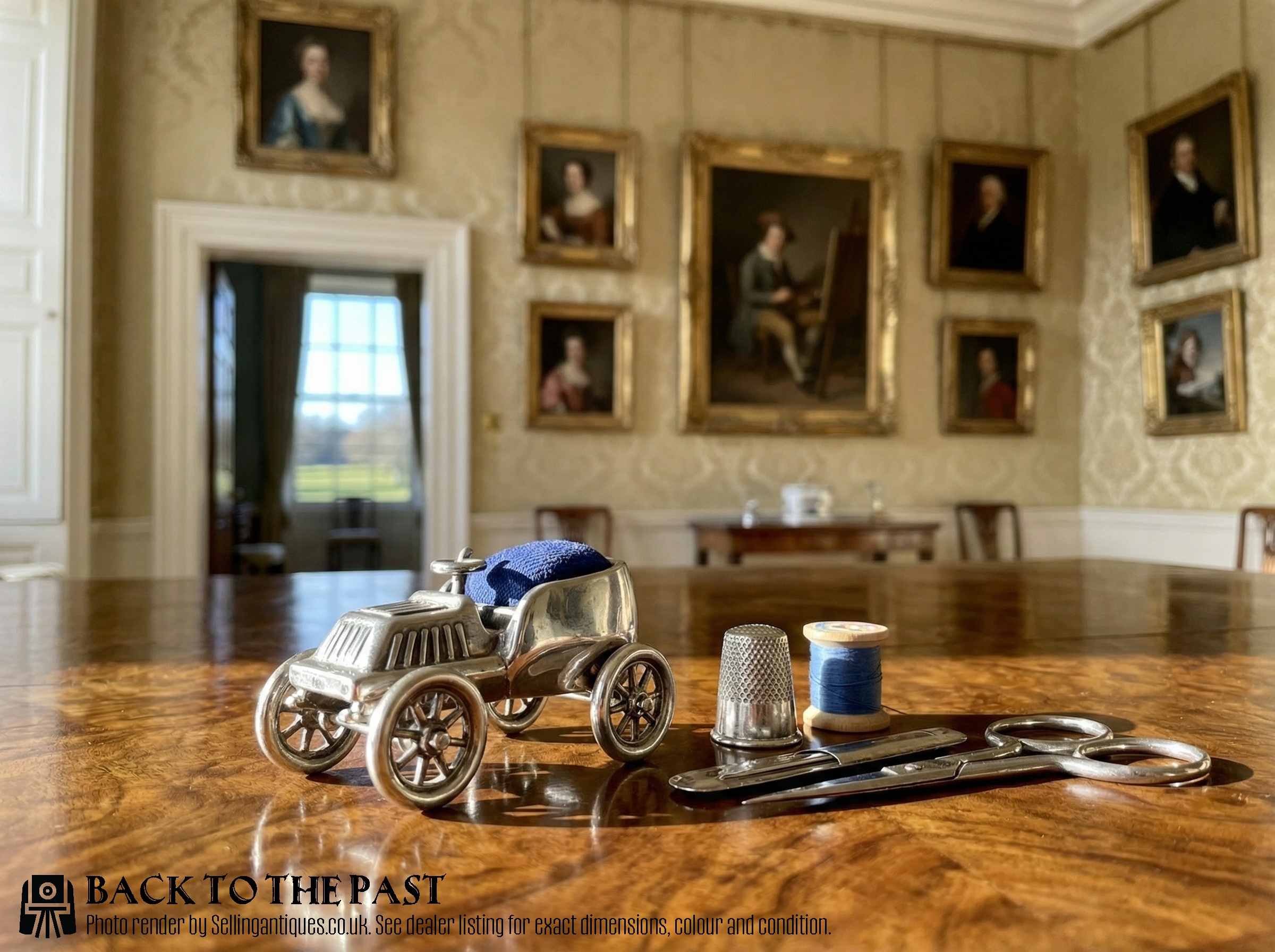
The selections on this page range from small silver birds and dogs to detailed vehicles like cars, railway lamps and canoes. Alongside these standard zoomorphic and object shapes, pieces emerge in specific regional styles such as Austrian Vienna bronze.
How they were made
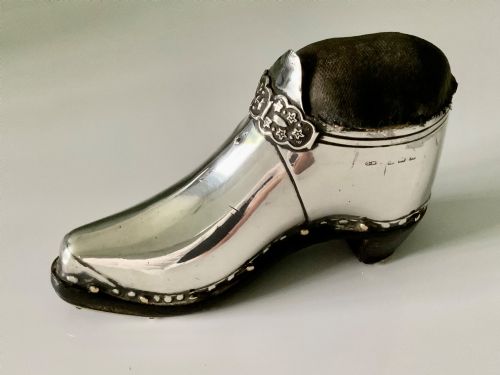
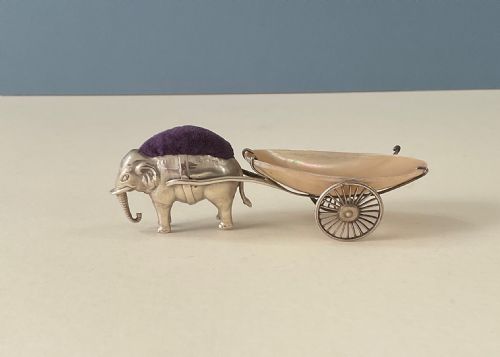
Silversmiths formed the bodies of these pieces from solid or sterling silver, often pairing the metalwork with contrasting inserts of velvet or fabric to hold sewing pins. Certain examples incorporate delicate natural materials like mother of pearl, shell, glass and agate to accent the silver frames.
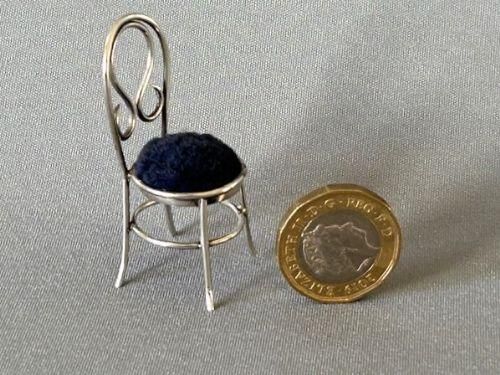
Techniques varied from standard silver casting and repoussé work to cold painting on bronze, particularly evident in animal figures like the ibex. Makers fitted the fabric cushions snugly into the hollow silver forms of shoes, clogs, baskets and chairs.
What varies in quality
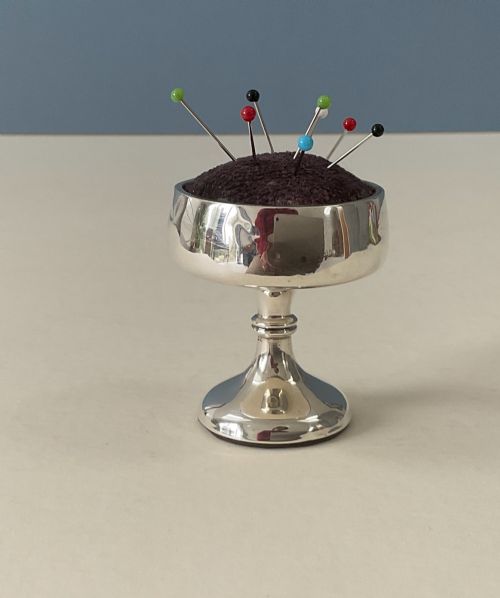
The distinction in these pieces rests on the crispness of the silver casting and the complexity of the subject matter. Simpler geometric forms like goblets demand precise metal shaping, whereas animal figures rely on the sculptor's ability to capture realistic postures in miniature.
Condition of the original fabric or velvet insert also shapes the piece, alongside the survival of clear hallmarks on the silver body. Finely painted details on cold-painted bronze examples separate standard production from superior artistic output.
The Victorian Novelty Pincushion Glossary
- Sterling silver
- A silver alloy containing 92.5 percent pure silver and 7.5 percent other metals, usually copper. This standard composition provides the durability required for intricate miniature silver objects.
- Cold painted bronze
- A method where bronze sculptures are painted with a cold-applied paint rather than fired in a kiln. This technique appeared on figural animal pieces.
- Hallmark
- An official stamp applied to precious metals indicating standard of purity and origin. These marks help verify the period and maker of silver items.
- Repoussé
- A metalworking technique where the smith hammers metal from the reverse side to form a raised design in relief. It created texture on many small decorative items.
Victorian Novelty Pincushion: Frequently Asked Questions
How were victorian novelty pincushions used?
These items served a practical domestic purpose on dressing tables and sewing desks by holding straight pins safely within a fabric cushion. Their amusing shapes also provided a decorative conversation piece for Victorian and Edwardian interiors.
Owners kept them close at hand during needlework tasks, combining utility with miniature sculpture. They functioned as both personal sewing accessories and charming desk ornaments.
How do I date a silver pincushion?
Dating relies primarily on examining the hallmarks stamped onto the silver body, which indicate the assay office and year of manufacture. Stylistic clues also point toward Victorian or Edwardian periods based on the specific animal or object form.
Design motifs shifted from ornate nineteenth-century classical scenes and baskets toward whimsical transport and animal figures popular in the Edwardian decade. Comparing the weight and construction methods provides further chronological context.
Are all these pincushions made of silver?
While the vast majority of pieces on this page are formed from solid or sterling silver, other materials do appear in the wider category. Austrian cold-painted bronze forms another distinct metal group for figural animal pieces.
Regardless of the main metal body, every piece incorporates a fabric or velvet component designed to receive pins. The combination of metalwork and soft textile defines the object type.