





Antique Elephant Ornament
These antique elephant ornaments bring character to a room, ranging from Japanese bronze studies to carved hardwood figures.
Antique Elephant Ornament
When you search for an antique elephant ornament, you are looking at figural sculptures, desk accessories, and decorative pieces produced across the nineteenth and early twentieth centuries. These objects span various regional traditions, including Japanese Meiji period bronzes, Indian Raj period hardwood carvings, and European porcelain models.
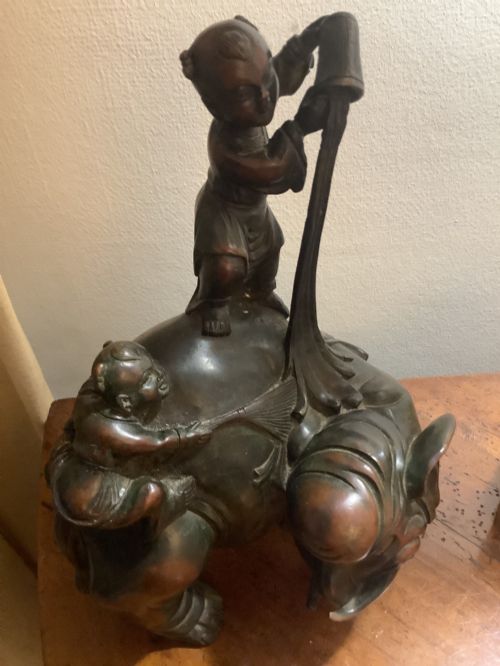
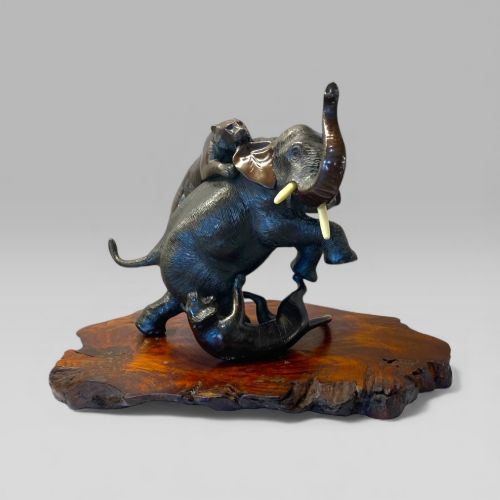
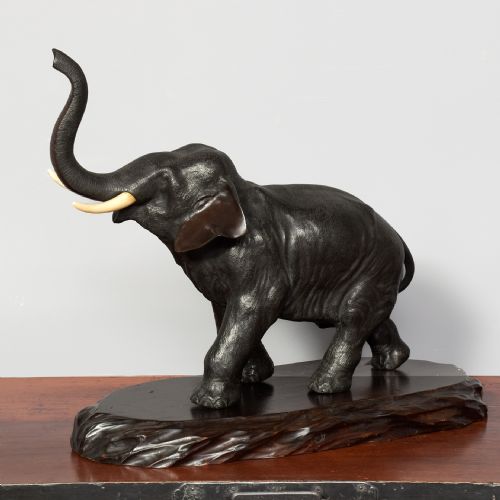
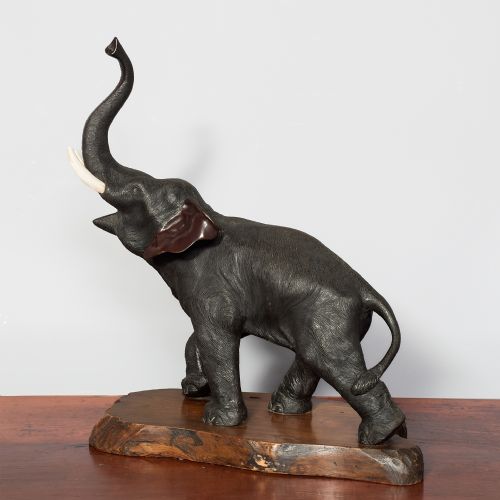
The version you are most likely to meet on this page is a bronze study from late nineteenth century Japan, often depicting naturalistic scenes with elephants and tigers. Alongside these, carved wooden and ebony figures from India and China appear frequently across the listings.
How they were made
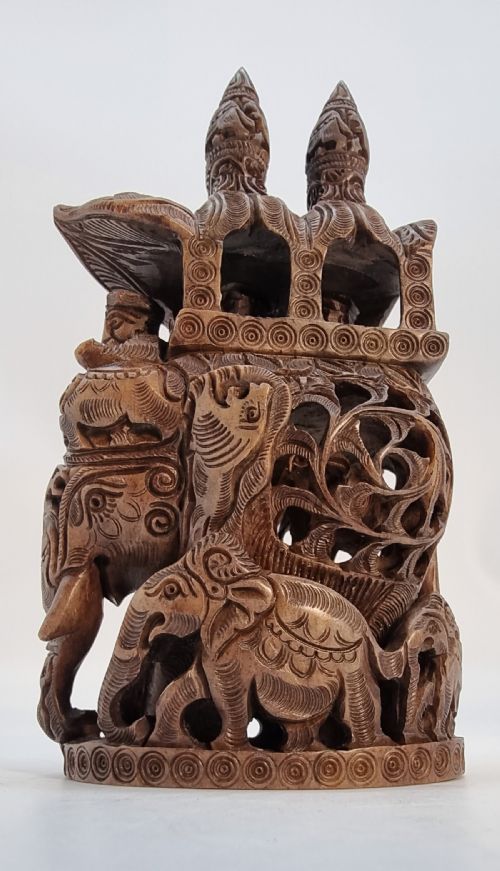
Metals such as bronze were cast using traditional methods, often capturing fine textural details in the hide and incorporating ivory tusks or diamond eyes. Artisans carved dense woods like teak, ebony, and hardwood by hand, bringing out the natural grain and deep tones of the material.
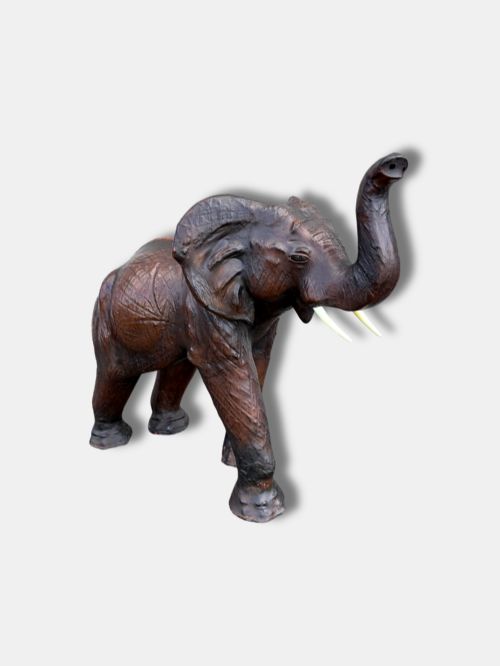
Ceramic pieces utilise porcelain or pottery techniques with painted glazes and enamels, particularly seen in Satsuma wares and European figures. Leather models constructed over internal structures also demonstrate the diverse craft traditions employed during this era.
Antique Elephant Ornament Retail Price Guide 2026
Typical asking prices for elephant ornament among the pieces listed under this phrase on Sellingantiques today, from the lower quarter to the upper quarter. They describe what is for sale here now, not the wider market.
Several elephants share their display space with fierce tigers, locked in dramatic bronze combat.
What varies in quality
The distinction between standard commercial pieces and finer examples rests on the precision of the carving or casting. Superior works display anatomical accuracy and expressive movement, particularly in complex multi-figure compositions involving tigers or ceremonial trappings.
Material selection and signature marks also differentiate the range. Pieces bearing clear artist signatures, such as Satsuma okimono by Kizan, or those utilising premium materials like matched ivory and cast bronze, demonstrate greater artistry.
Kizan·Rene Lalique·Ernest Louis Adnin·Carl Thieme Dresden·Meissen
The Antique Elephant Ornament Glossary
- Okimono
- A Japanese term for a decorative object or sculpture designed for display on a shelf or in a tokonoma alcove. These freestanding figures often depict animals or historical subjects with high artistic detail.
- Raj period
- The era of British crown rule on the Indian subcontinent, spanning from eighteen fifty-eight to nineteen forty-seven. Furniture and carvings from this time frequently utilise native timbers such as teak and ebony.
- Meiji period
- The era in Japanese history from eighteen sixty-eight to nineteen twelve, marked by the opening of trade with the West. Bronzes and decorative arts from this period achieved international acclaim for technical mastery.
- Cloisonné
- A metalwork technique where enamel paste is applied within compartments created by soldered wire before firing. This method produces vibrant decorative patterns on decorative vessels and animal figures.
- Pin cushion
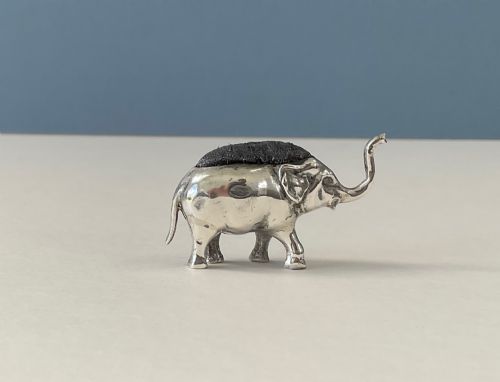
- A small domestic accessory, often fashioned in novelty animal shapes during the Edwardian era. These functional items combined silver or base metals with upholstered pads for sewing pins.
Antique Elephant Ornament: Frequently Asked Questions
What materials were used for antique elephant ornaments?
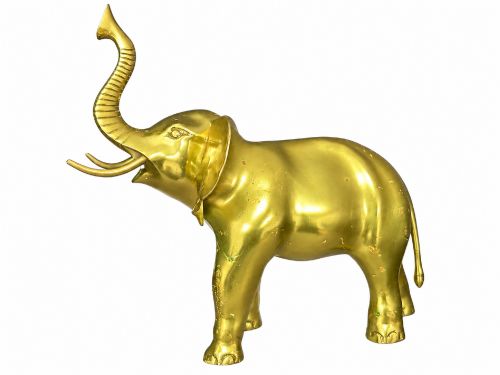
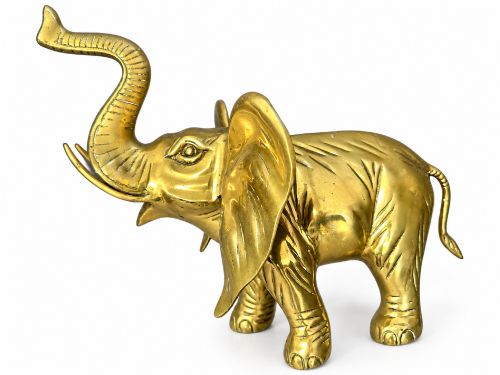
These decorative objects utilise a wide variety of materials selected by makers across different regions. Bronze, carved hardwood, ebony, teak, soapstone, and porcelain all appear frequently in the listings.
Additional materials include cloisonné enamel, leather, silver, and bone, often combined within a single piece for tusks or decorative accents.
How can I tell a Japanese Meiji bronze from other periods?
Japanese bronzes from the Meiji period typically display dark patination and highly naturalistic modelling of musculature and skin texture. Many of these sculptures depict dynamic action scenes involving multiple figures, such as an elephant fighting tigers.
Signatures or seals incised into the bronze or an associated base can also point to specific workshops or artists active during this era.
Where were carved hardwood elephants made?
Carved hardwood and ebony elephant sculptures were primarily produced during the nineteenth and early twentieth centuries in India and China. Indian pieces often date from the Raj period and feature native timbers like teak.
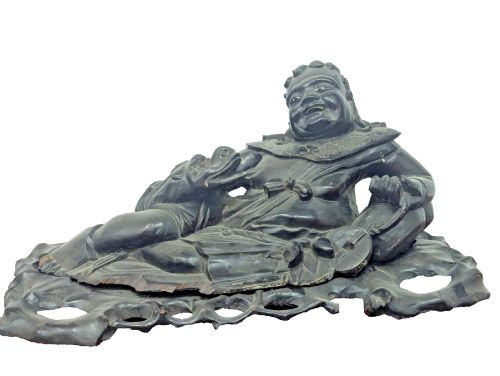
Chinese examples frequently incorporate intricate stands or depict figures such as Budai alongside the elephant, reflecting regional stylistic traditions.
How do I care for an antique wooden or bronze elephant?
Wooden and ebony figures require stable environmental conditions with moderate humidity to prevent timber from splitting. Dusting gently with a soft, dry cloth is usually sufficient for maintenance.
Bronze sculptures benefit from occasional light dusting and should be kept away from moisture to protect the patinated surface and any inlaid materials.