
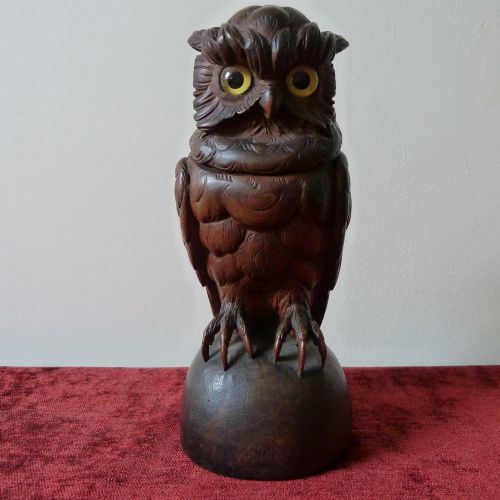


Victorian Novelty Inkstand
A victorian novelty inkstand turns a writing desk into a menagerie of bronze owls, carved cats and mounted hooves.
Victorian Novelty Inkstand
When you search for a victorian novelty inkstand, you enter a sphere of functional sculpture designed to amuse the nineteenth-century writer. These pieces take the form of animals, birds, equestrian gear and human figures, concealing glass ink inserts within their bodies or bases.
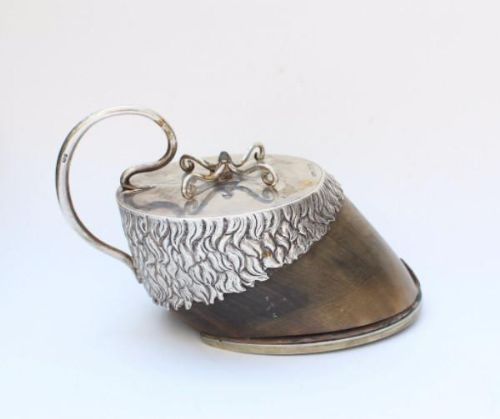
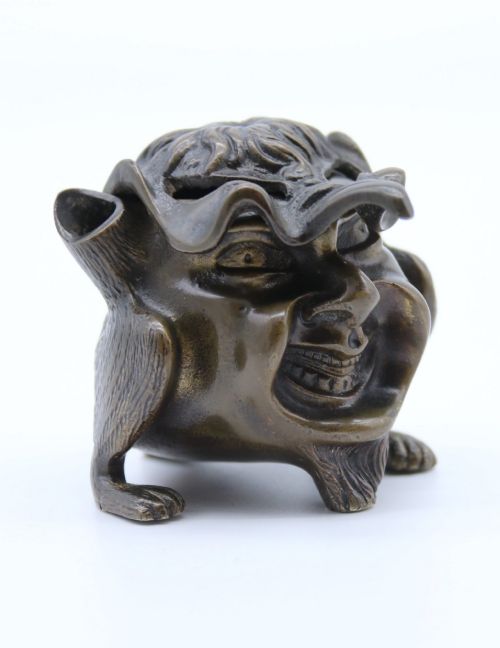
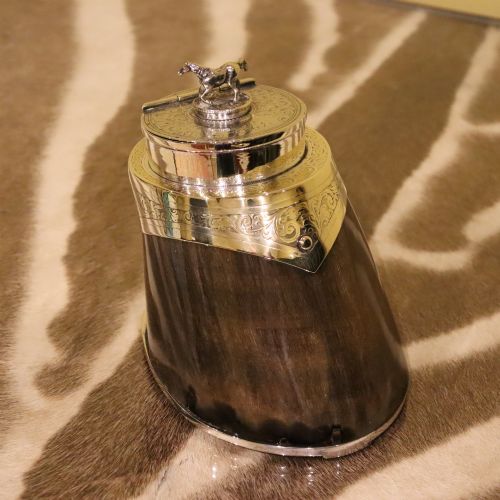
The versions most commonly met on this page range from Black Forest carved wood owls and cats to cast bronze dogs, monkeys and birds, alongside horse and pony hoof desk tidies mounted in brass or silver. Most date from the latter decades of the nineteenth century into the Edwardian era.
Makers utilised animalier realism and whimsical caricature in equal measure, turning everyday desk accessories into conversation pieces. A buyer meets everything from domestic pets to exotic creatures, each configured to hold ink and pens.
How they were made
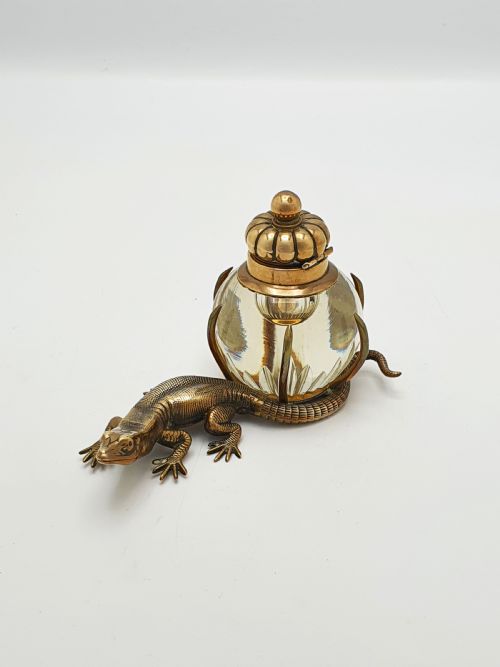
Foundry cast metals such as bronze, brass and ormolu form the backbone of the figural pieces, often detailed with chased fur or feathers and fitted with glass eyes. Silversmiths produced sterling and silver-plated examples, incorporating hinged caps and pen rests into the design.
Makers combined these diverse materials with glass inserts and mahogany bases, ensuring that the whimsical exterior remained practical for holding ink. The construction relies on secure hinges and fitted collars to prevent leaks.
Materials recorded across the inventory include glass, brass, bronze, horn, horse hoof and carved wood.
What varies in quality
The refinement of the casting or carving dictates the success of the piece, separating lifelike animalier detail from crude proportion. Superior examples capture the specific character of a dog, owl or monkey, while lesser objects lose anatomical conviction.
The preservation of original components, such as glass inserts, glass eyes and metal mountings, defines the integrity of the object. Pieces that retain their matched liners and uncompromised hinges hold greater coherence.
The Victorian Novelty Inkstand Glossary
- Animalier
- A nineteenth-century artistic movement dedicated to the realistic depiction of animals. Sculptors rendered beasts in bronze with close attention to musculature and texture.
- Black Forest
- A style of wood carving originating from central Europe, known for realistic representations of local fauna. These carvings frequently doubled as functional desk furniture.
- Desk tidy
- A multi-purpose accessory that combines inkwells with compartments for pens, stamps or paperweights. They organise the writing surface into a single cohesive unit.
- Ormolu
- Gilded bronze produced by applying a gold amalgam to the metal surface. It provides a bright finish often seen on French and English desk accessories.
- Inkstand
- A tray or stand holding one or more inkwells along with pen supports. They anchor the writing implements on the desk.
Victorian Novelty Inkstand: Frequently Asked Questions
What is a novelty inkstand?
A novelty inkstand is a functional desk accessory shaped to resemble an animal, bird, human figure or object rather than a standard geometric well.
These pieces combine utility with decorative whim, holding liquid ink within concealed glass inserts while presenting an engaging sculptural form.
How were horse hooves used on desks?
Taxidermy horse, pony or boar hooves were trimmed, capped in silver or brass, and converted into heavy paperweights or inkstands.
Such pieces reflect the Victorian and Edwardian fascination with equestrian pursuits and natural history, placing rustic animal parts into refined domestic interiors.
What are Black Forest inkwells?
Black Forest inkwells are carved wooden desk accessories, usually depicting animals like cats, dogs or owls with lifelike glass eyes.
Originating from European forest regions, these wooden carvings employ deep relief and fine toolwork to render textured fur and expressive faces.
Are the glass inserts original?
Many pieces retain their original blown or moulded glass ink liners, though replacements are common due to the fragility of glass.
Collectors look for liners that fit the collar precisely without restricting the hinged lid from closing properly.
How do I date these pieces?
Dating relies on stylistic markers, registration marks, material choices, and the specific fabrication of hinges and collars.
Most examples on this site cluster around the late nineteenth century and the Edwardian period, aligning with the height of animalier sculpture.