
Victorian Nightstand Table
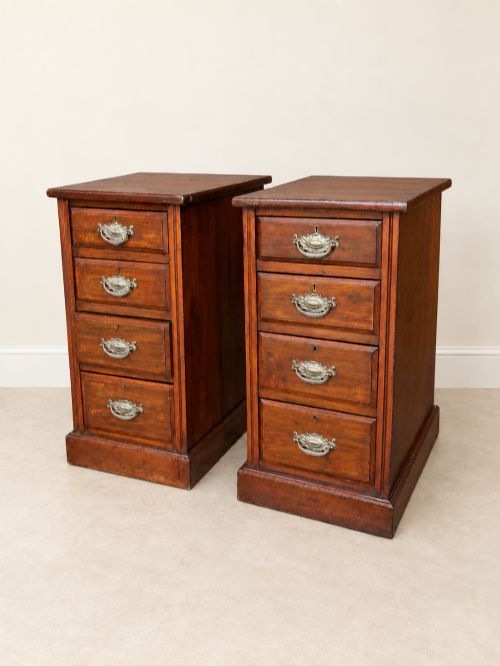
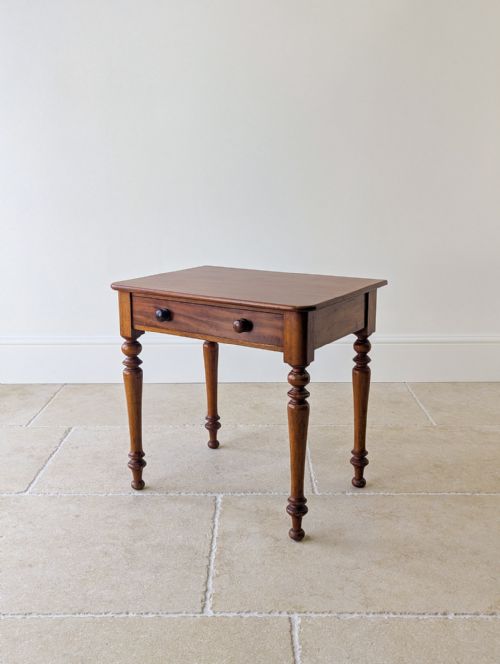
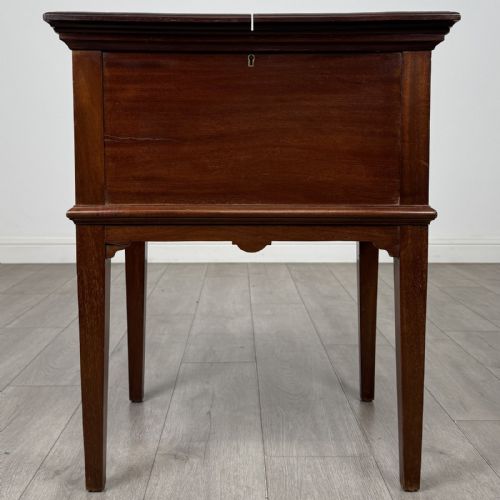
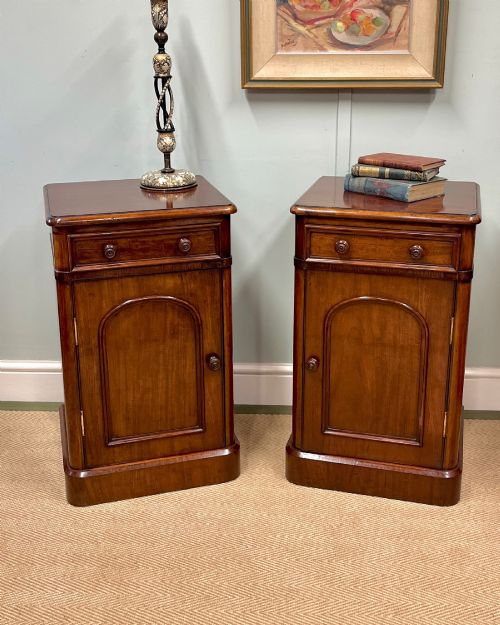
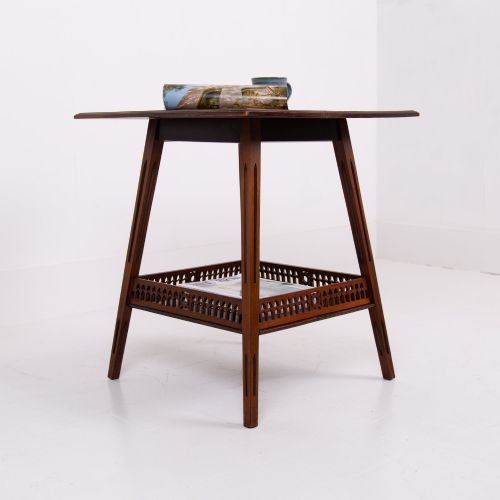
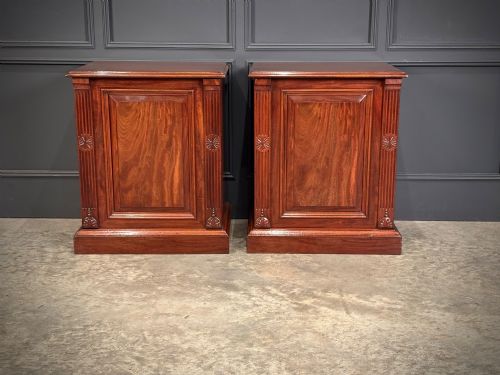
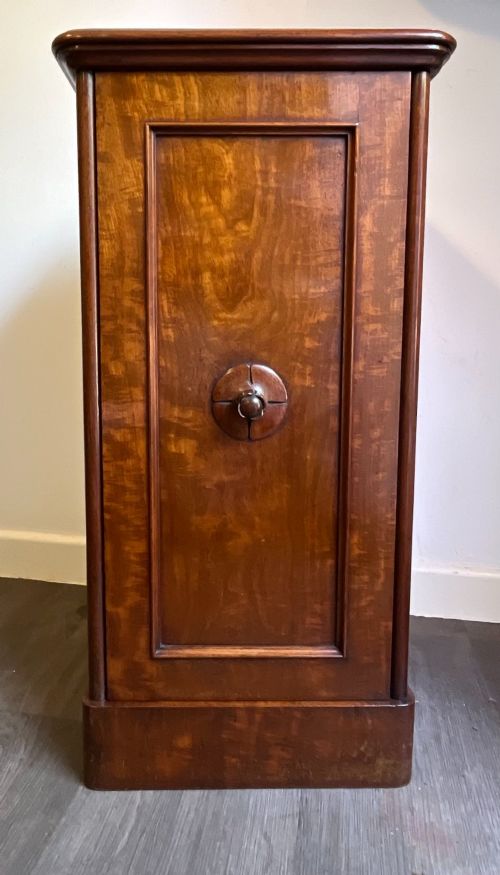
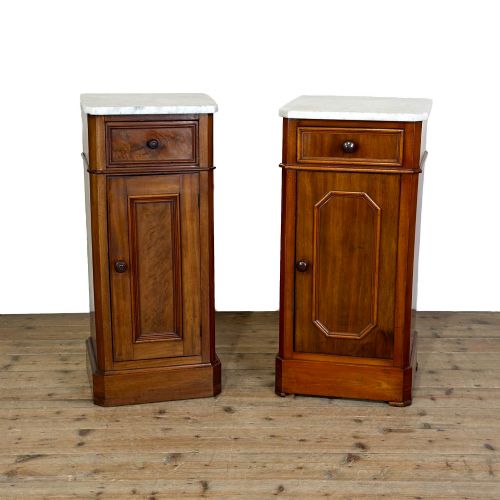
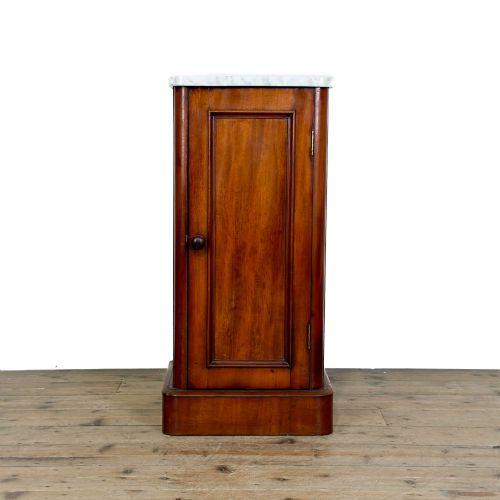
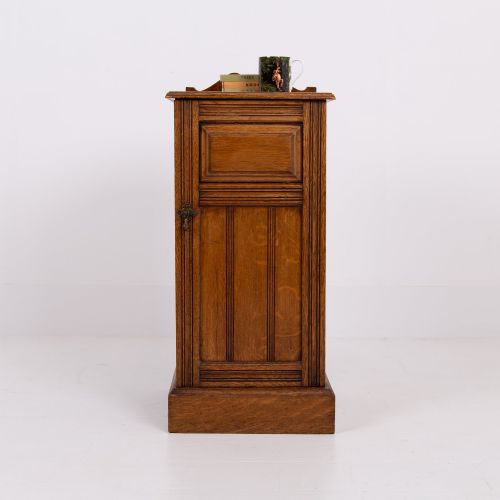
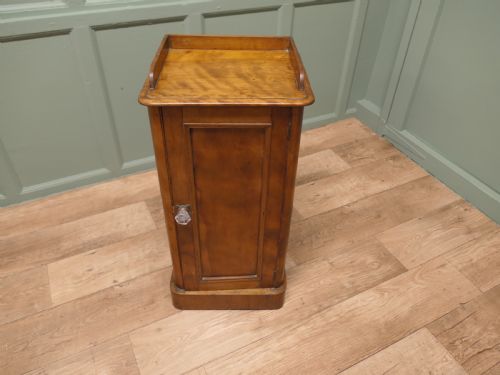
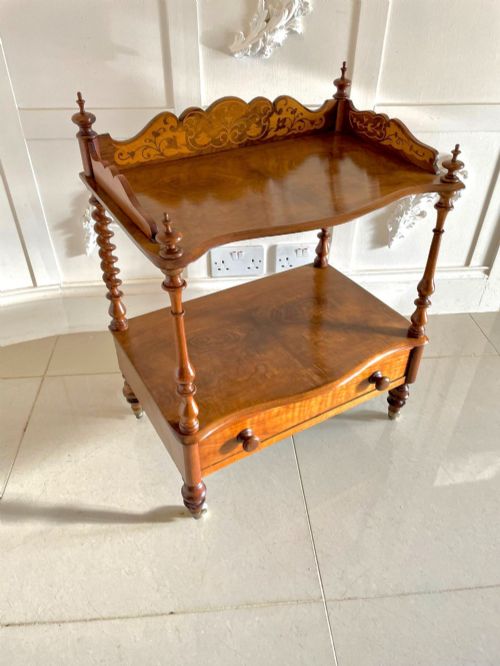
A victorian nightstand table brings practical surface space and period character to the bedroom, spanning compact cupboards, drawer units and open lamp tables.
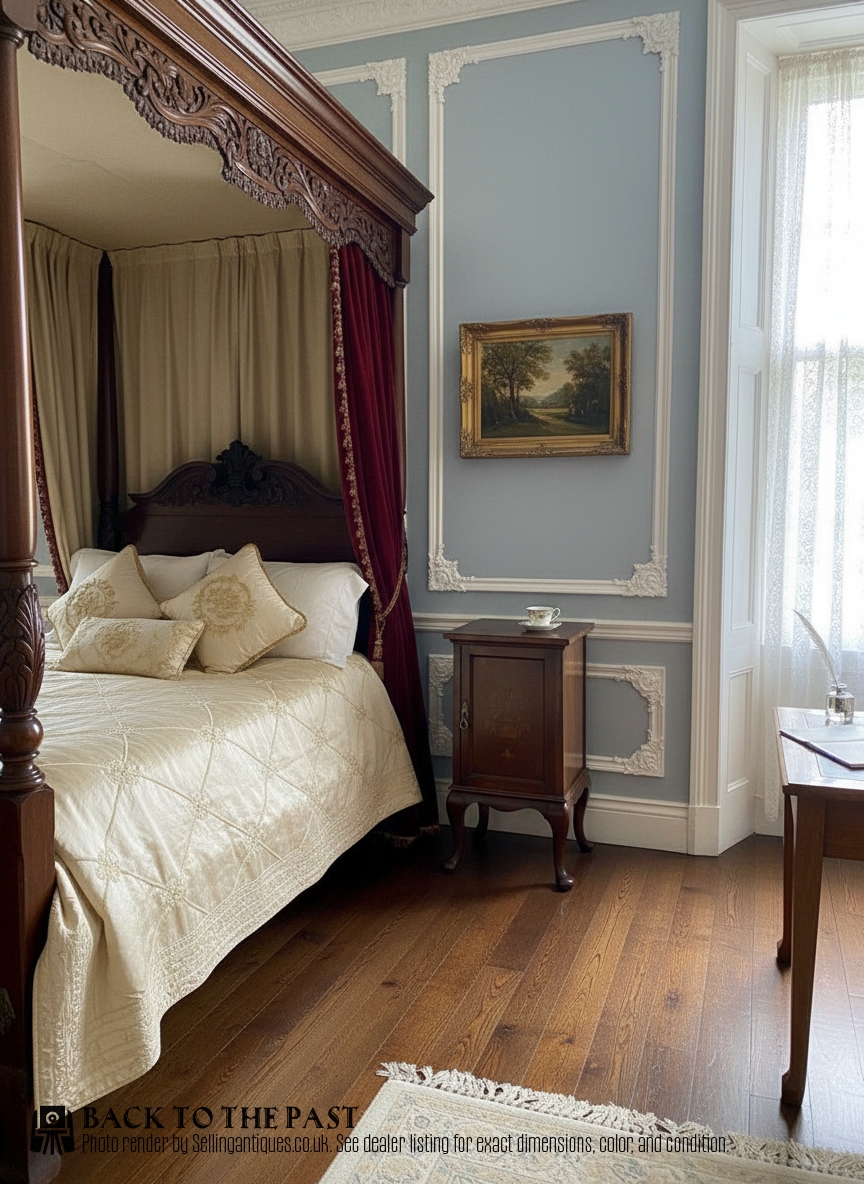
Victorian Nightstand Table
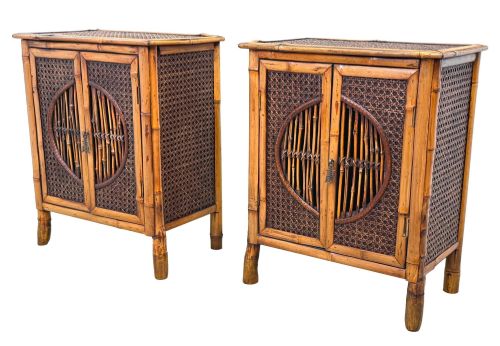
Makers and workshops produced these pieces in pairs as well as individually, serving the functional requirements of nineteenth-century bedrooms. Formats range from simple single-drawer side tables to elaborate marble-topped cabinets and pieces influenced by the Aesthetic Movement or Gothic Revival.
Materials and Construction
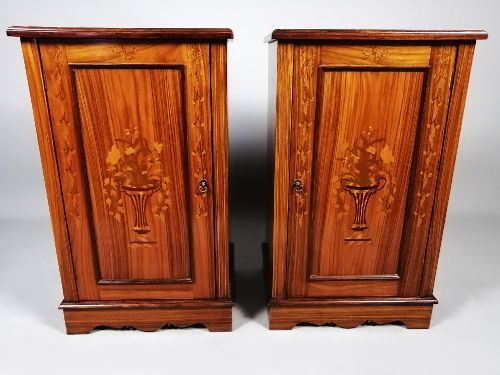
Cabinet makers utilised dense timber stocks such as mahogany, walnut and rosewood, frequently applying burr veneers, marquetry inlay and brass fittings to elevate the appearance of the piece. Pine and oak served for sturdier utility pieces, while specialised techniques produced bamboo and faux bamboo frames.
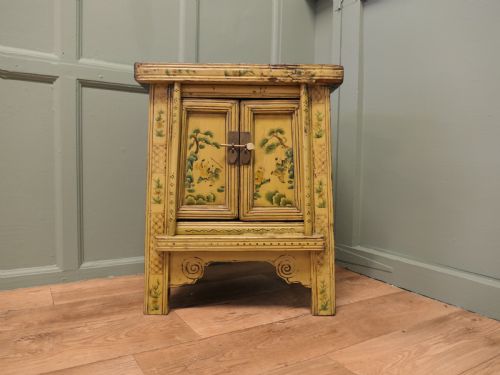
Construction methods rely on traditional joinery, dovetail drawer construction and panelled door assembly designed to withstand daily use. Secondary timbers support structural carcases, while decorative elements incorporate hand-painted details, ceramic tiles or inset marble tops.
Some nineteenth-century sleepers hid their chamber pots so stylishly behind panelled doors that guests mistook the furniture for miniature sideboards.
Judging Quality
Quality rests on the selection of timber figures, such as matched flame mahogany or rich burr walnut, combined with the crispness of any inlay or carved detail. Superior examples maintain original hardware, sound structural joinery and balanced proportions without clumsy alterations.
Warings Liverpool
The Victorian Nightstand Table Glossary
- Pot Cupboard
- A small bedside cabinet originally designed to enclose a chamber pot behind a single door. These compact units often include a small interior shelf.
- Burr Walnut
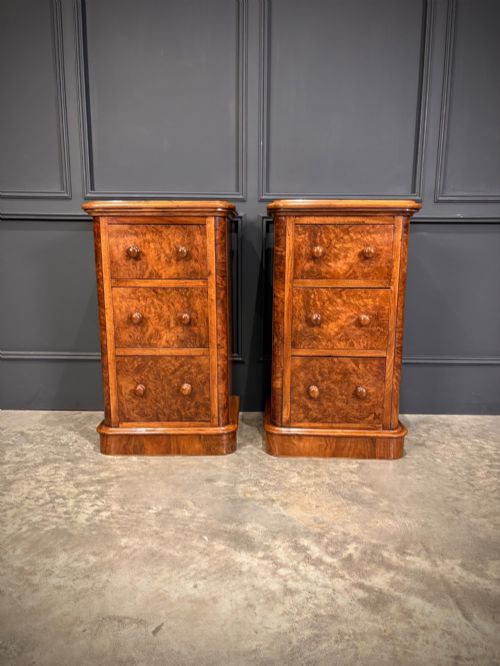
- A specialised wood cut from the burl growth of a walnut tree, prized for its swirling, highly figured grain pattern. Cabinet makers frequently used burr veneers on prominent surfaces like drawer fronts and table tops.
- Marquetry
- The art of applying decorative pieces of veneer to a structure to form intricate geometrical or pictorial designs. This technique appeared on finer Victorian tables and cabinets.
- Aesthetic Movement
- A late nineteenth-century design style emphasising visual beauty over narrative subject matter, often incorporating ebonised finishes and Japanese-inspired motifs. Pieces from this movement display clean lines and artistic decoration.
- Bedside Chest
- A small chest of drawers scaled specifically for bedroom use beside a bed frame. They typically contain three graduating drawers and sturdy timber construction.
Victorian Nightstand Table: Frequently Asked Questions
What is a pot cupboard?
A pot cupboard is a small enclosed bedside cabinet featuring a single door that originally housed a chamber pot. These practical units kept bedroom necessities neatly concealed out of sight.
Today, they function perfectly as compact bedside storage units or small lamp tables while retaining their traditional nineteenth-century character.
How do I spot a matched pair?
Matched pairs display consistent timber grain, identical dimensions, matching hardware and corresponding internal construction details. Cabinet makers built these sets simultaneously for symmetrical bedroom placement.
Slight variations in wear or colour can occur naturally over time, but the underlying dimensions and construction methods remain identical.
Where were these tables used?
These pieces originated in nineteenth-century bedrooms to hold lighting, water jugs, books and personal items close to the bed. Their compact footprints suited the scale of period sleeping quarters.
Modern interiors utilise them beside contemporary beds, as lamp tables in living spaces or as occasional stands in hallways.
How do I date a Victorian table?
Dating relies on examining the timber species, construction techniques, hardware style and stylistic revival influences present in the piece. Mid-century examples often favour solid mahogany, while later pieces incorporate ebonised finishes or bamboo.
Documentation, stamps and secondary wood choices further help narrow down the decade of manufacture within the nineteenth century.