

Victorian Nightstand Cabinet
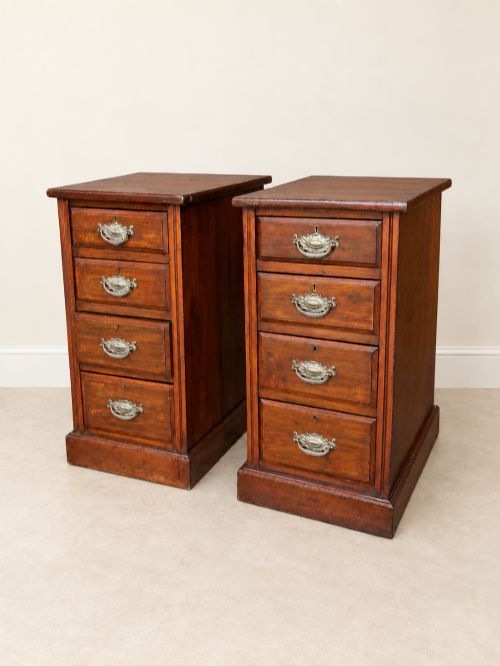
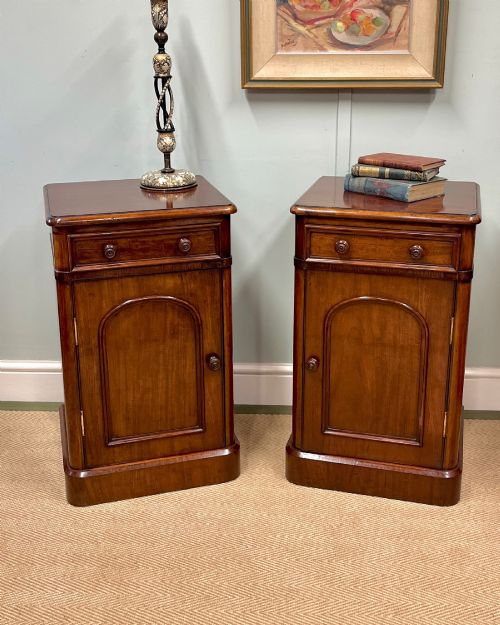
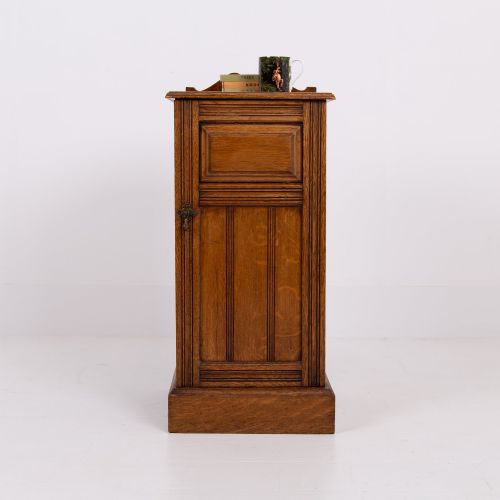
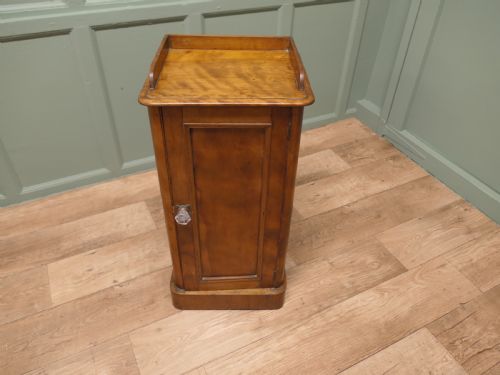
These Victorian nightstand cabinet pieces are practical bedside storage furniture from the nineteenth century, chosen for domestic convenience and traditional room styling.
Victorian Nightstand Cabinet
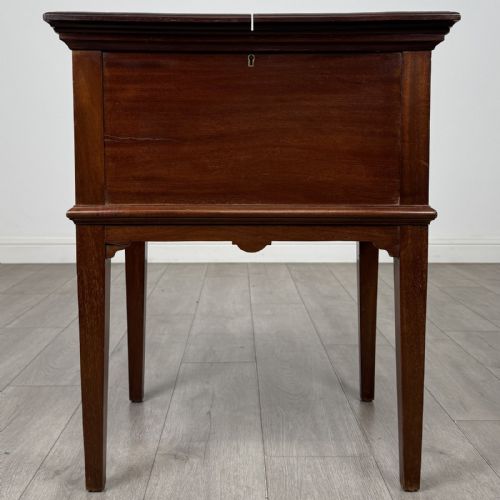
A victorian nightstand cabinet serves as compact bedside storage, offering enclosed cupboards or drawers to keep personal items out of sight. The search phrase covers a variety of nineteenth-century forms designed to sit beside a bed.
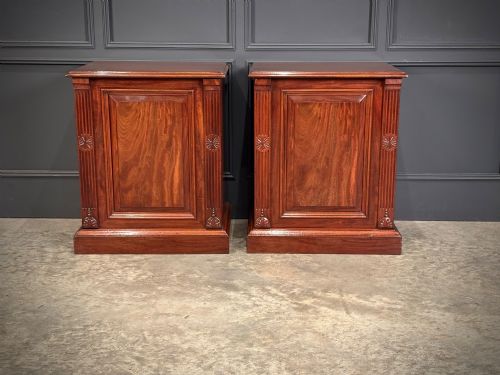
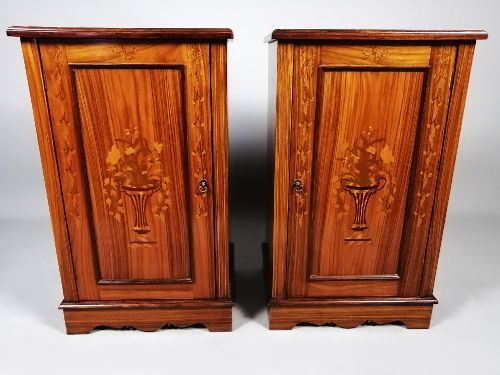
Mahogany and walnut examples dominate the selection, often appearing as matched pairs or individual bedside chests and pot cupboards. Pieces from this era range from simple pine lockers to highly decorated rosewood and burr walnut furniture.
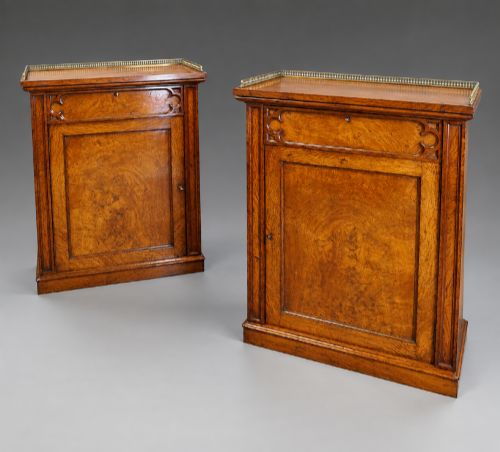
Makers adapted regional styles during the Victorian period, leading to diverse architectural details such as Gothic Revival pointed elements or French revival curves. Buyers encounter everything from tall end tables to miniature table-top cupboards.
How they were made
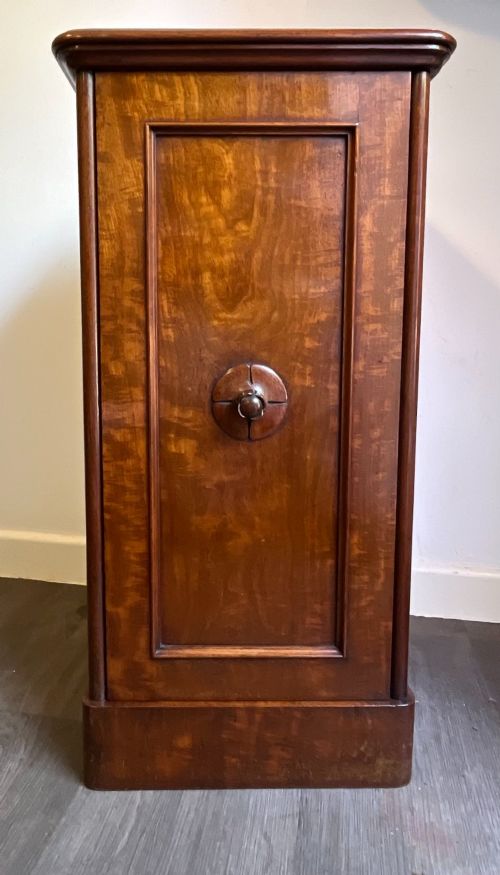
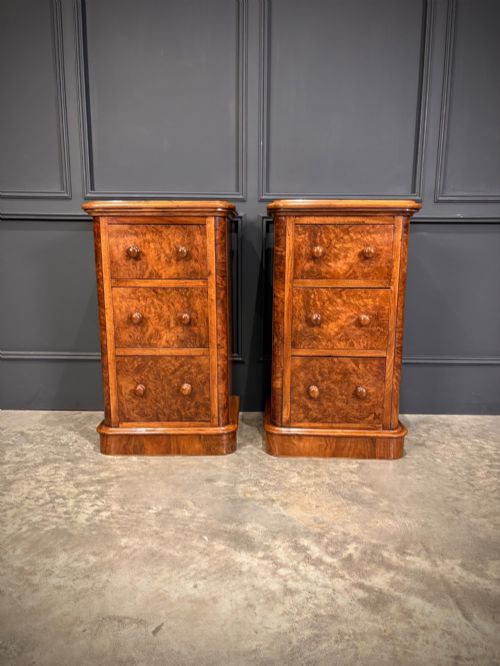
Cabinet makers utilised dense hardwoods like mahogany, walnut and rosewood, constructing sturdy carcasses with traditional jointing methods. Burr walnut veneers and flame mahogany timbers provided decorative surface patterns on door fronts and drawer panels.
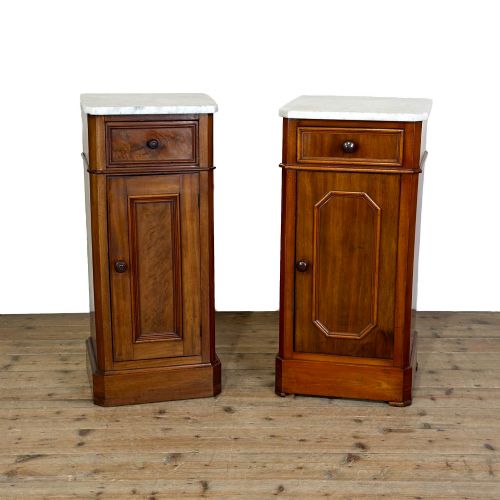
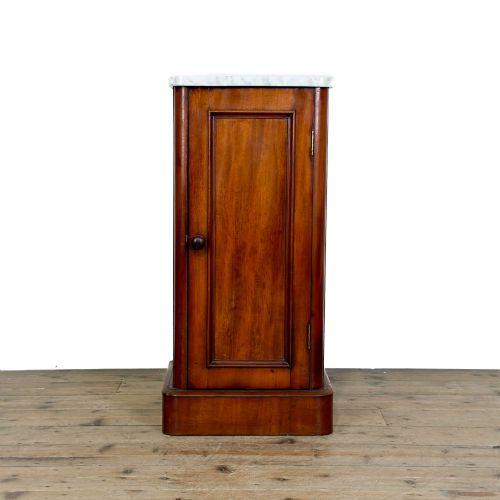
Marble tops frequently appeared on late nineteenth-century bedside tables, offering a durable and hygienic surface for water jugs and washing accessories. Brass handles, turned supports and marquetry inlays completed the detailing on finer examples.
What varies in quality
The selection of timber grain and veneer matching dictates the visual appeal of a cabinet, with flame mahogany and burr walnut representing higher standards of craftsmanship. Superior construction relies on solid secondary woods and cleanly cut dovetail joints in the drawer construction.
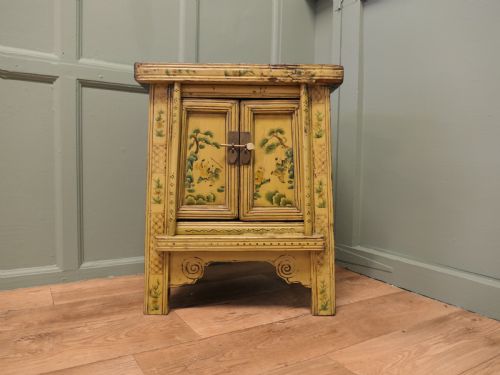
Original hardware, intact marble slabs and well-executed stylistic details such as hand-painted Chinoiserie or Gothic carvings separate ordinary utilitarian lockers from exceptional pieces. Proportions and stability remain key indicators of workshop proficiency.
Warings Liverpool
The Victorian Nightstand Cabinet Glossary
- Pot cupboard
- A small bedside cabinet originally constructed to house a chamber pot behind a single door. These items now function well as general bedside storage.
- Marquetry
- The art of applying decorative pieces of veneer to a structural surface to form pictures or geometric patterns. This technique frequently appears on rosewood and walnut furniture.
- Bracket feet
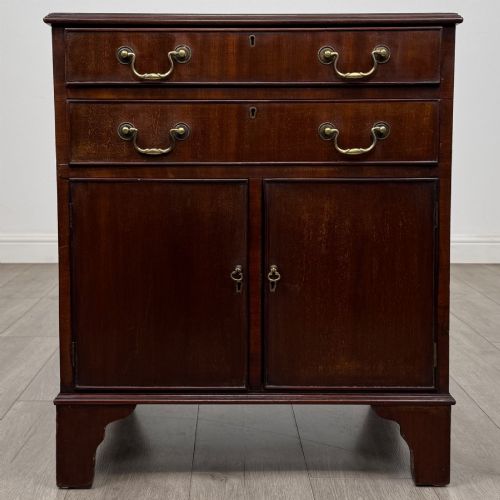
- Simple architectural supports elevating a cabinet base off the floor, often shaped with a curved or ogee profile. They provide a stable foundation for small chests.
- Upstand
- A vertical raised backboard attached to the top rear edge of a cabinet or table. This feature prevents items from slipping down the back against the wall.
Victorian Nightstand Cabinet: Frequently Asked Questions
What is a Victorian nightstand cabinet used for?
These cabinets provide bedside storage space for nighttime essentials, lamps and personal items. Nineteenth-century examples often concealed chamber pots or held washing basins.
Today they function as functional bedside tables in period or contemporary bedrooms, offering surface space and enclosed drawer storage.
How do I identify a Victorian bedside cabinet?
Look for characteristic nineteenth-century timber choices such as solid mahogany, walnut or pine carcasses. Construction details like hand-cut dovetails and turned wooden supports help confirm the period.
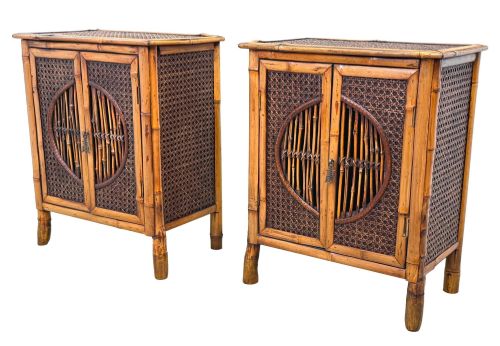
Stylistic cues including Gothic Revival mouldings or Aesthetic Movement bamboo forms also point toward late nineteenth-century manufacture.
Are bedside cabinets usually found in pairs?
Many nineteenth-century bedroom cabinets were manufactured as matched pairs to flank a double bed symmetrically. Single cabinets also appear frequently depending on original bedroom layouts.
Finding a matching pair remains common among mahogany and burr walnut bedside chests from this era.
What materials were used for Victorian bedside tables?
Cabinet makers relied heavily on dense hardwoods like mahogany, walnut and rosewood for durable construction. Burr walnut and flame mahogany veneers added decorative grain patterns to drawer fronts.
Marble tops and brass fittings appeared regularly on finer examples from the latter half of the nineteenth century.