


Victorian Nautical Art
Victorian nautical art captures maritime life through detailed oil paintings, delicate watercolours, and intricate dioramas celebrating ships and coastal scenes.
Victorian Nautical Art
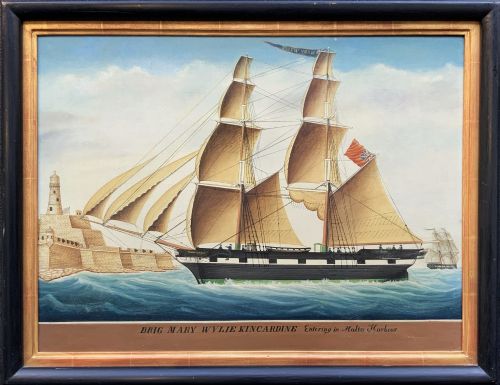
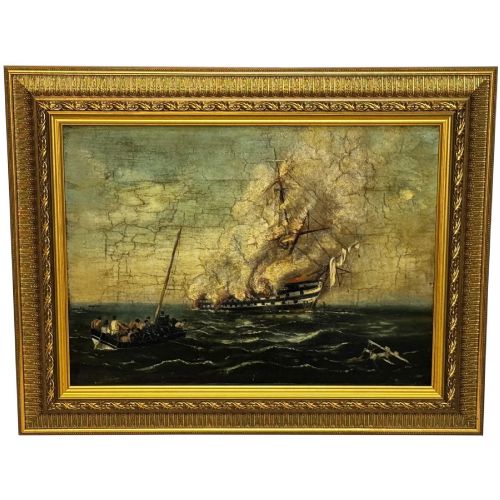
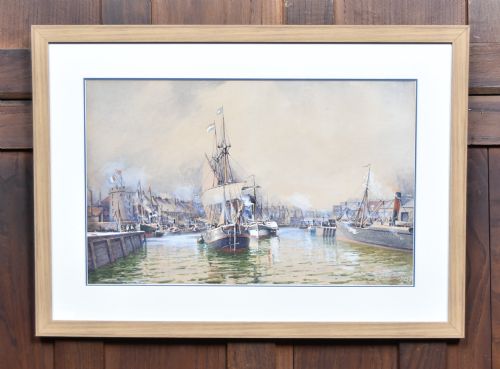
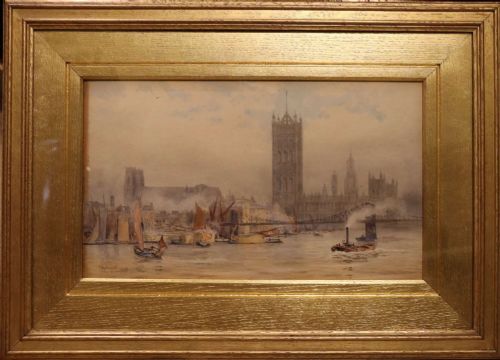
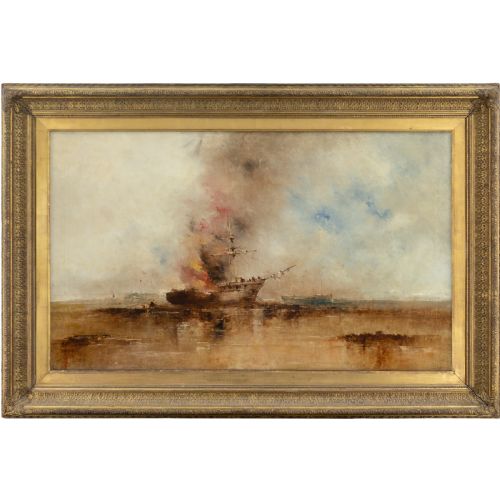
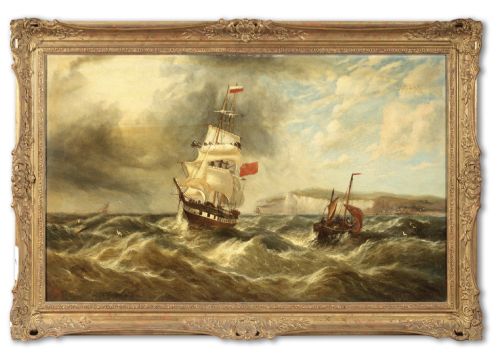
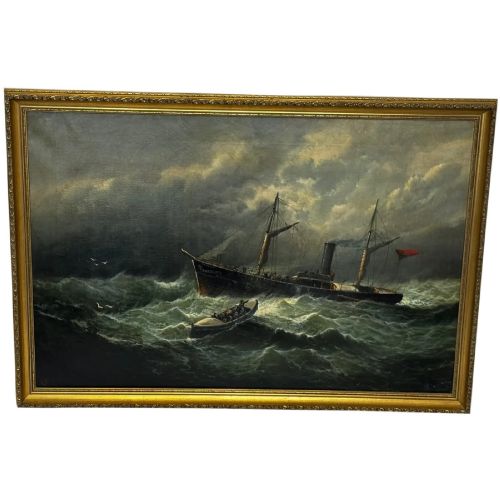
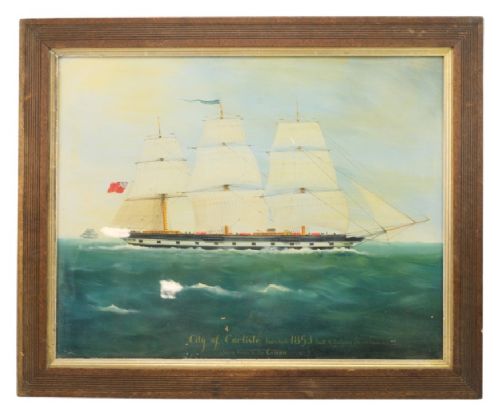
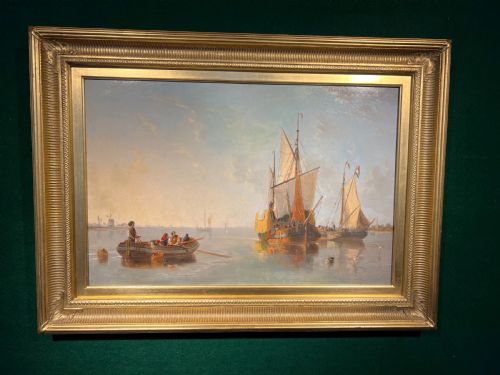
Victorian nautical art encompasses oil paintings, watercolours, and cased maritime dioramas depicting shipping scenes, coastal harbours, and dramatic marine battles. These works document the era's maritime dominance through detailed portrayals of sailing ships, clippers, and fishing boats navigating British and international waters.
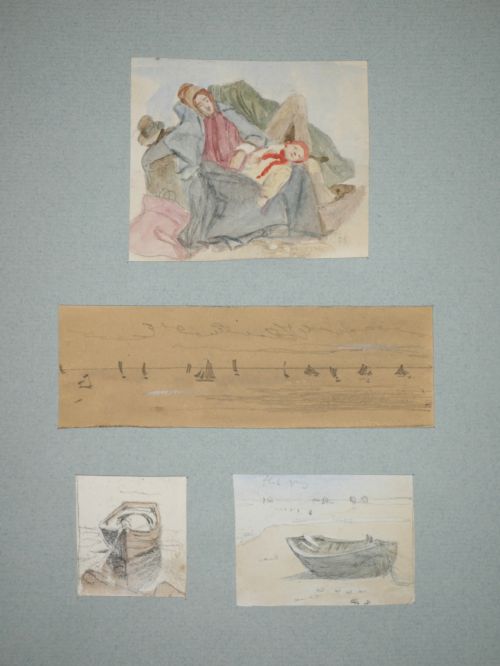
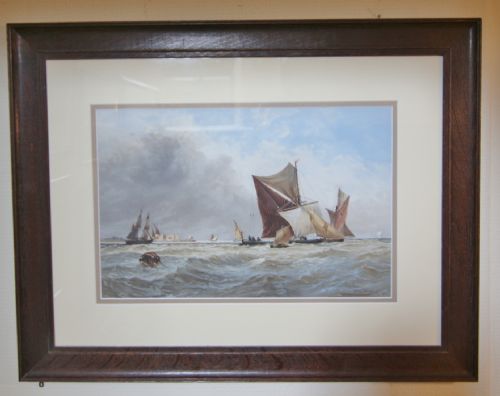
Buyers will most frequently encounter nineteenth-century oil paintings on canvas and board, alongside paper watercolours and folk art pieces such as woolwork pictures. These pieces range from professionally executed harbour views by named marine artists to atmospheric depictions produced by anonymous English and continental schools.
Materials and techniques
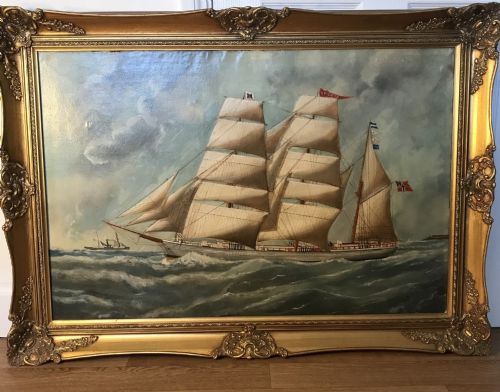
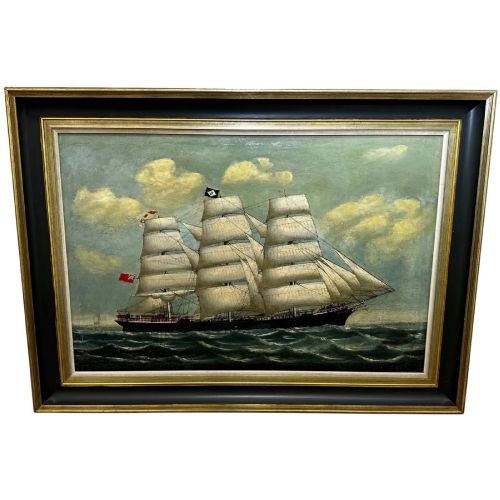
Artists relied on oil paint on canvas or board to capture the shifting textures of rough seas and dramatic skies, often housing completed works in gilt wood frames. Watercolours on paper offered a lighter medium for recording coastal sketches and harbour scenes with fine brushwork.
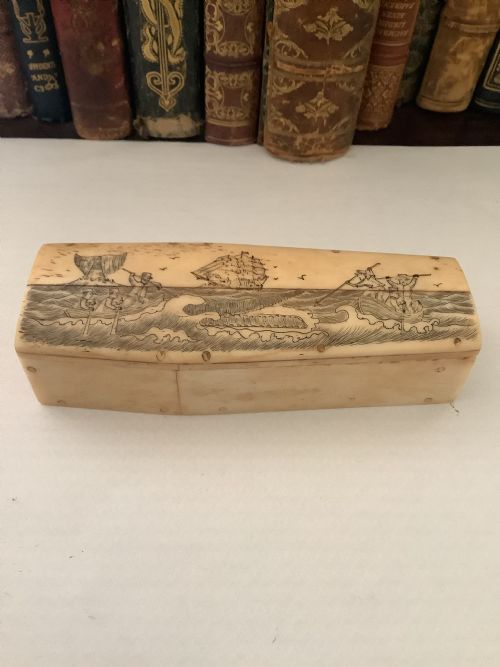
Three-dimensional pieces like dioramas utilised carved and painted wood alongside textiles to construct layered maritime scenes within protective glass cases. Folk art objects incorporated specialised materials such as worked bone, wool, and seashells to create commemorative pieces.
Sailors on long voyages fashioned delicate decorative items from discarded bone and gathered seashells during quiet hours at sea.
Factors determining quality
Quality rests upon the artist's technical mastery in rendering maritime anatomy, rigging accuracy, and the atmospheric movement of water and weather. Works by documented nineteenth-century painters exhibit superior depth and composition compared to standard provincial school outputs.
The preservation of the medium heavily influences the standing of a piece, whether through the stability of oil on canvas, the absence of fading in watercolours, or the intact condition of cased dioramas and bone carvings.
James Orrock·James Smetham·William McAlpine·John Rose Miles·William Broome·TB Hardy·John Wilson Carmichael·Lai Fong·Nicholas Condy·Richard B Spencer·William Henry Williamson·Bernard Benedict Hemy·George Stanfield Walters·Abraham Hulk I·Henry Barlow Carter·William Frederick Settle·John Moore of Ipswich·Gustave De Bréanski
The Victorian Nautical Art Glossary
- Woolie
- A traditional folk art embroidery made with wool yarn, depicting sailing ships and naval vessels against stitched backgrounds. These sailor-made pieces frequently incorporated detailed depictions of flags and rigging.
- Seascape
- A work of art focusing primarily on the sea, coastal views, and marine vessels. These compositions range from calm harbour watercolours to turbulent depictions of ships in heavy gales.
- Barque
- A sailing vessel with three or more masts, where the main and fore masts are square-rigged and the mizzenmast is fore-and-aft rigged. This rig type appears frequently in nineteenth-century merchant ship paintings.
Victorian Nautical Art: Frequently Asked Questions
What subjects appear in Victorian nautical art?
These works primarily feature sailing ships, merchant vessels, clipper ships, and naval engagements navigating rough seas or docked in busy harbours. Coastal scenes, fishing boats, and specific historical events also form a significant portion of the subject matter.
Artists frequently documented named ships and notable maritime locations around Britain, Europe, and international trade routes. The focus remained firmly on the vessels and the maritime environment surrounding them.
How were maritime dioramas displayed?
Maritime dioramas were typically constructed inside wooden shadow boxes or glass cases to protect the delicate paper, wood, and textile components from dust and damage. These protective enclosures allowed the layered models to be safely viewed from the front.
The cases often featured painted backgrounds that blended seamlessly with the three-dimensional wooden hulls and carved waves in the foreground.
How do you identify nineteenth-century marine paintings?
Nineteenth-century marine paintings can often be dated through the specific riggings and designs of the vessels depicted, alongside the artist's signature and framing style. Oil on canvas works from this period frequently utilise heavy gilt wood frames typical of Victorian interior decoration.
Documentation written on the reverse of the canvas or board, such as ship names and dates, also helps establish the historical context of the artwork.