


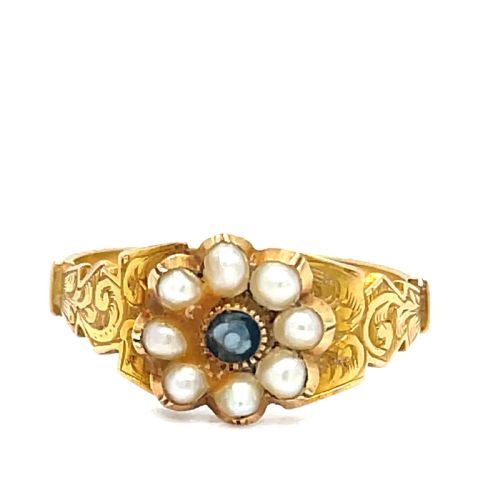


Victorian Mourning Jewellery
Victorian mourning jewellery holds personal memory in gold, enamel, jet and hair, offering tangible connection to past lives.
Victorian Mourning Jewellery
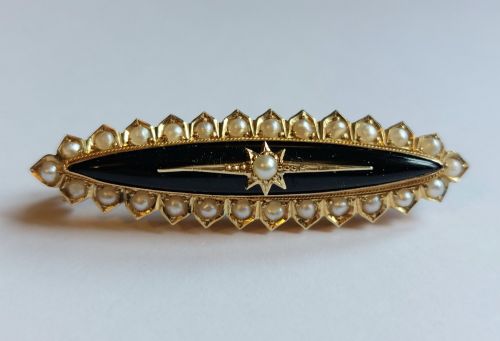
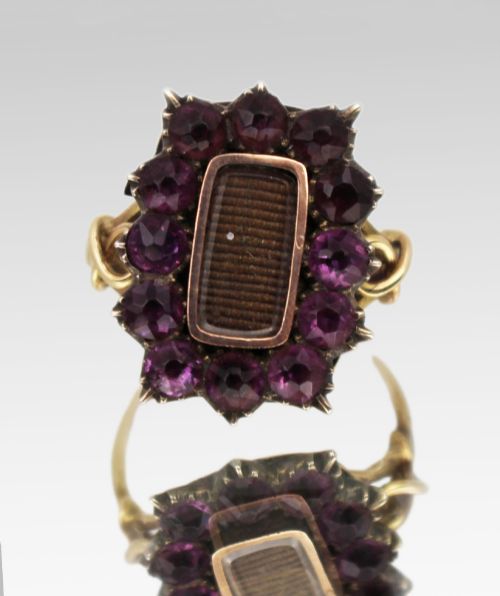
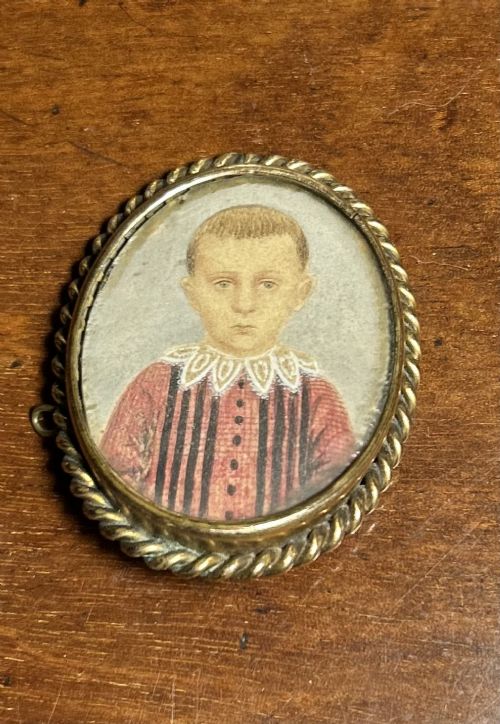
Victorian mourning jewellery encompasses brooches, lockets, rings, pendants, earrings and necklaces created to commemorate the deceased. These pieces serve as intimate memorials, often concealing woven hair, portraits or inscriptions beneath glass compartments.
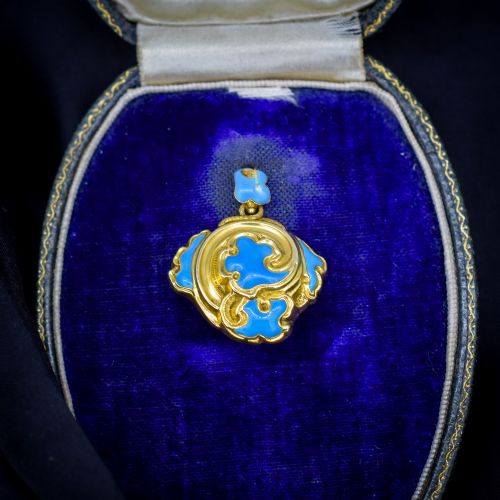
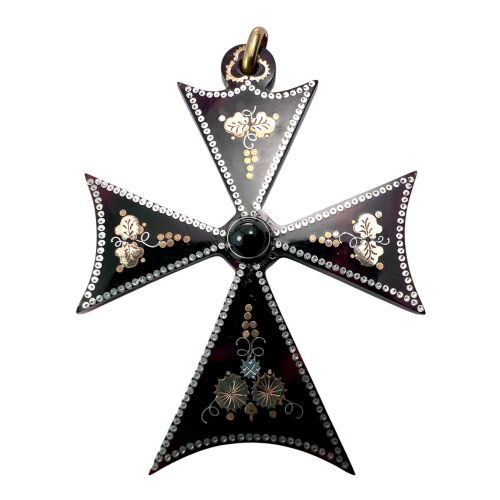
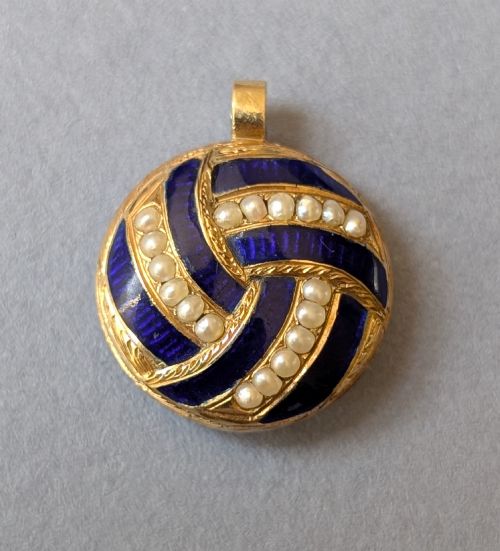
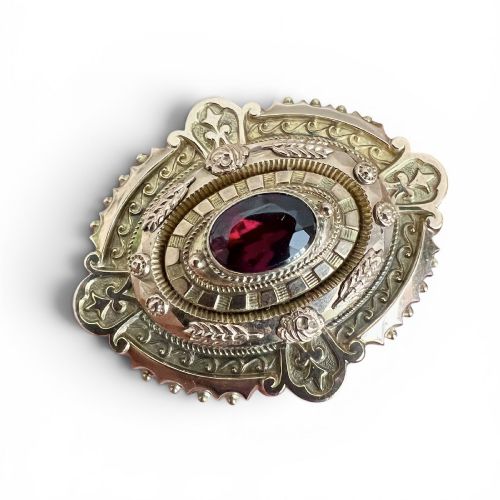
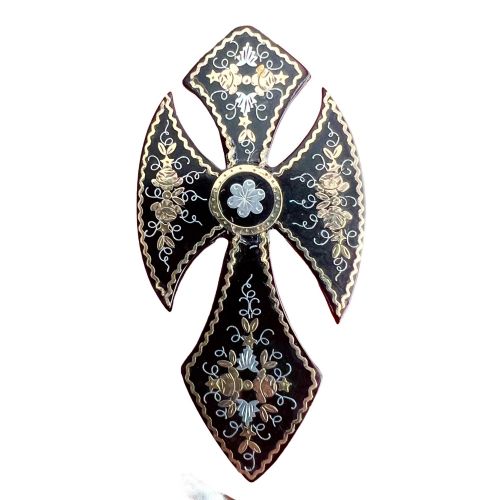
Brooches and lockets dominate the available selections, frequently rendered in gold with enamel, seed pearls and garnets. Rings and drop earrings also appear, alongside distinct forms such as tortoiseshell piqué work and carved Whitby jet.
Most items date from the nineteenth century, spanning early, mid and late Victorian periods, with occasional Georgian, Regency and Edwardian overlaps. The primary materials utilise various purities of gold alongside silver, glass, agate and tortoiseshell.
Materials and Construction Techniques
Metals span nine, fifteen and eighteen carat gold alongside silver, forming mounts, settings and chains. Enamel work in black and blue frequently frames central stones or glazed hair compartments.
Gemstone selection includes seed pearls, garnets, diamonds, turquoise, onyx, agate and purple glass. Organic materials such as Whitby jet and tortoiseshell with gold and silver inlay provide distinctive regional and stylistic variations.
Victorian Mourning Jewellery Retail Price Guide 2026
Typical asking prices for victorian mourning jewellery among the pieces listed under this phrase on Sellingantiques today, from the lower quarter to the upper quarter. They describe what is for sale here now, not the wider market.
Certain rings immortalise Prince Albert himself, proving that even national grief found expression on a finger.
Assessing Craftsmanship and Detail
Quality rests in the precision of the metalwork, whether through Etruscan Revival granulation, fine piqué inlay or engine-turned engraving. Higher standard pieces often incorporate substantial gold weights and detailed hand-painted portrait miniatures.
The integrity of glazed compartments and the intricacy of internal hair work distinguish finer examples. The depth of hand-carving in organic materials like jet and tortoiseshell separates masterwork output from simpler production.
The Victorian Mourning Jewellery Glossary
- Piqué
- A method of embedding tiny pins of gold or silver into tortoiseshell to form geometric or floral patterns. This decorative technique appears frequently on nineteenth-century brooches and earrings.
- Whitby Jet
- A hard, black form of fossilised wood carved into beads, crosses and earrings during the Victorian era. It gained widespread popularity following the death of Prince Albert.
- Hair Work
- The practice of braiding or arranging human hair into intricate patterns behind glass within a locket or ring. This served as a direct physical keepsake of a departed loved one.
- Glazed Compartment
- A small, transparent window built into the reverse or centre of a brooch, ring or locket. It protects enclosed hair work, miniatures or fabric.
Victorian Mourning Jewellery: Frequently Asked Questions
What is Victorian mourning jewellery?
Victorian mourning jewellery comprises wearable items created to remember deceased individuals during the nineteenth century. These objects incorporate sentimental elements such as hair work, black enamel, portraits and jet.
They function as personal memorials rather than standard decorative accessories. Common forms include brooches, rings, lockets and earrings made from gold, silver and various stones.
How was hair used in these pieces?
Hair was meticulously cleaned, boiled and braided into detailed patterns before being placed beneath glass compartments. This allowed the wearer to keep a literal part of the deceased close at all times.
Some examples feature engine-turned plates or woven designs resembling feathers or wheat sheaves. The practice required specialist skill and formed a central part of memorial craft.
What materials are common?
Gold in nine, fifteen and eighteen carat purities appears frequently, often paired with black or blue enamel. Silver, seed pearls, garnets, diamonds and agate also feature across many surviving items.
Organic substances like tortoiseshell with metal inlay and hand-carved Whitby jet represent distinct material choices. Glass stones and portrait miniatures are likewise encountered within these historic pieces.
How do I date these items?
Dating relies on stylistic markers, material combinations and specific construction methods associated with the nineteenth century. Early pieces often show Georgian survivals, while later items reflect mass production or specific periods like the 1880s.
Hallmarks where present provide precise assay office and year markers. Motif shifts, such as the rise of jet after eighteen sixty-one, also help narrow down the decade of creation.
How should I care for them?
Care requires gentle handling due to the delicate nature of historic settings, hair work and organic materials like jet and tortoiseshell. Avoid harsh chemical cleaners, ultrasonic baths and excessive moisture.
Store pieces individually in soft pouches away from direct sunlight and extreme temperature shifts. Professional cleaning should be avoided unless managed by a specialist in antique adornments.