



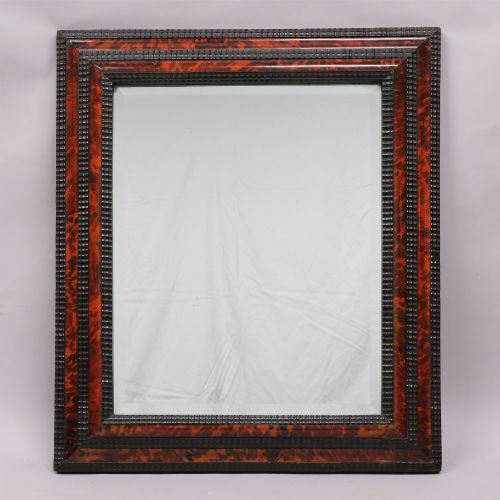
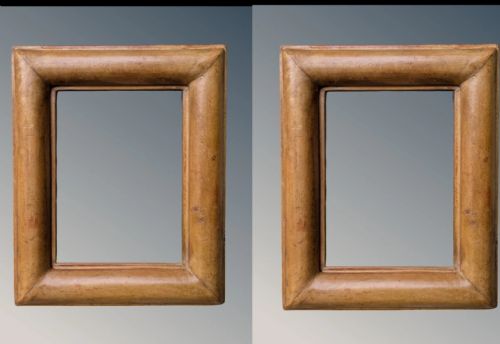
Victorian Moulding Frame
A victorian moulding frame brings deep profiles and rich surface work to interiors, offering an authentic period housing for art and mirrors.
Victorian Moulding Frame
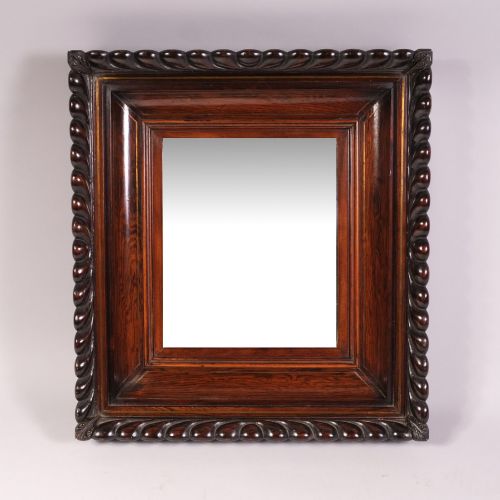
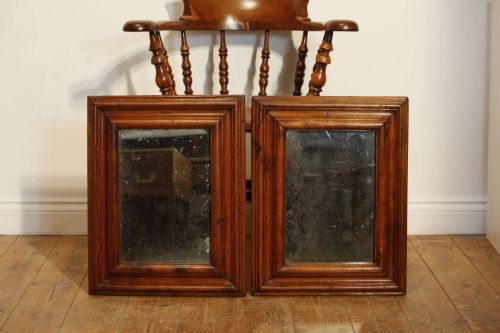
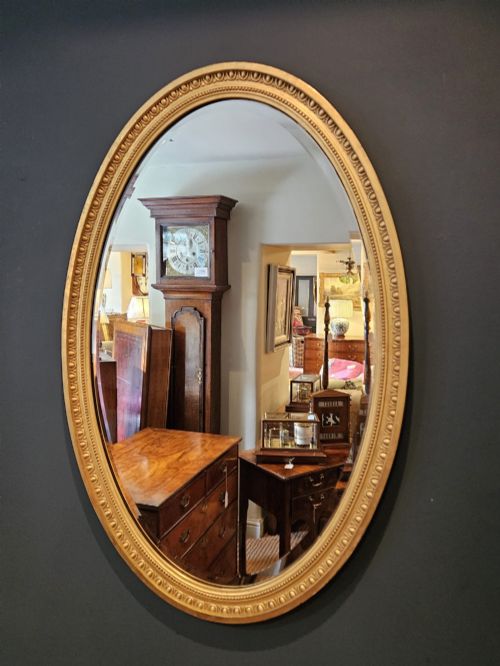
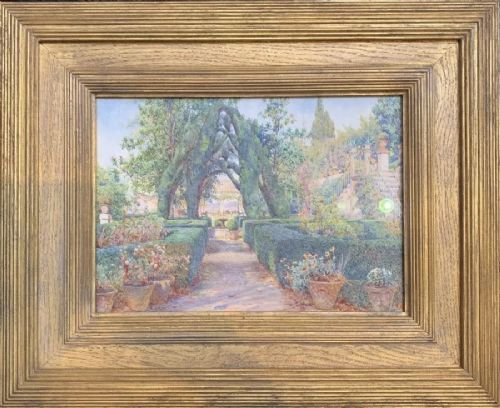
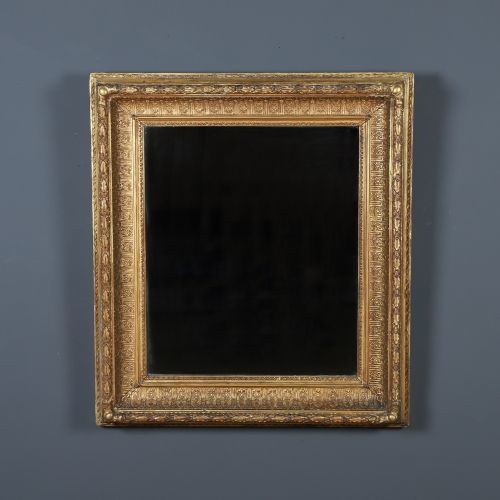
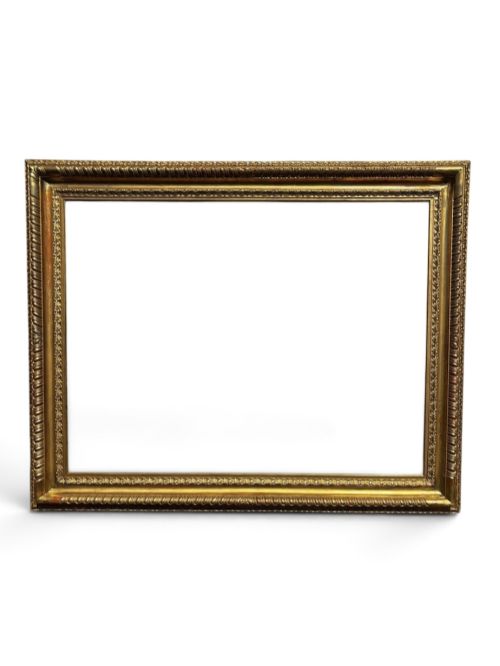
A victorian moulding frame provides the structural surround for pictures, art and mirrors, utilising heavy timber profiles to create depth on the wall. Buyers encounter these pieces primarily as picture frames, wall mirrors and large overmantel mirrors spanning the nineteenth century.
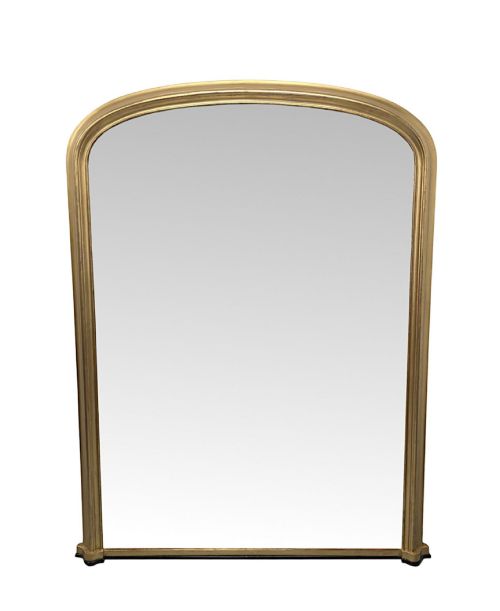
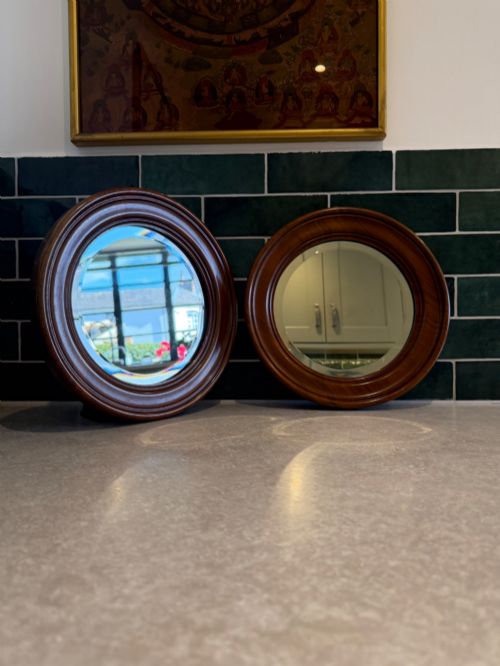
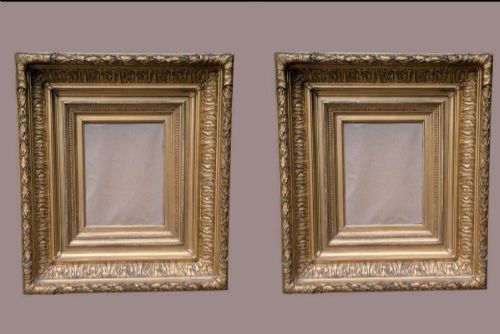
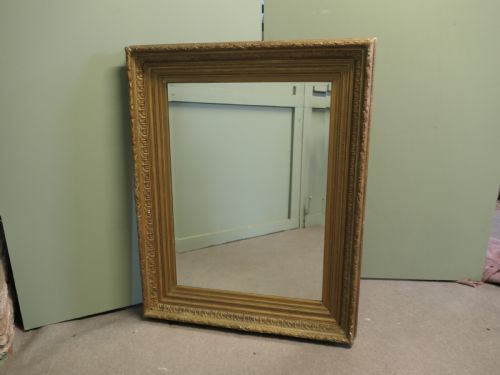
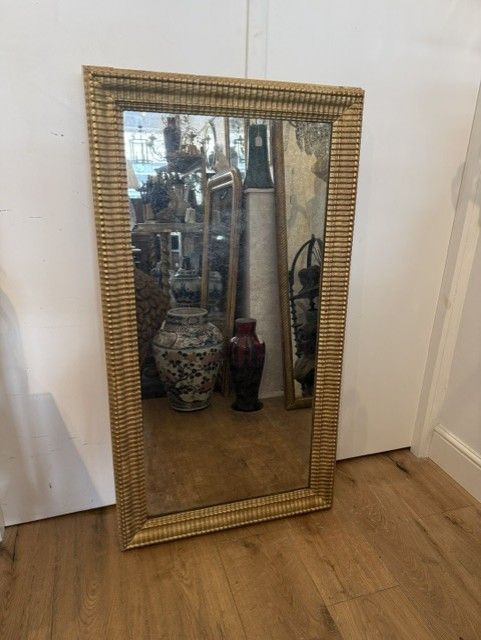
The selection ranges from circular walnut frames and rectangular gesso pieces to deep gilt surrounds and arched top overmantles. Workshops of the period employed distinct stylistic revivals, resulting in frames that span simple ripple mouldings to ornate rococo and neoclassical designs.
Materials and Construction
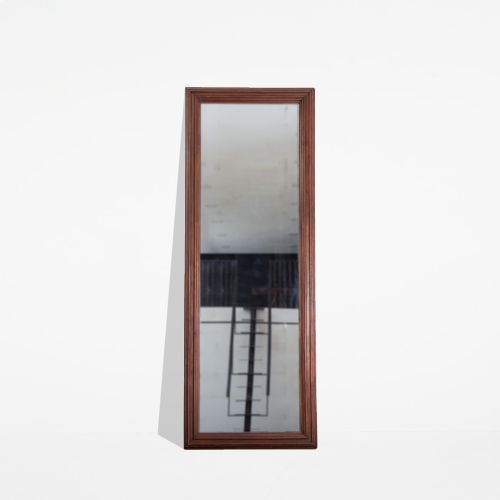
Craftsmen built the underlying structure from woods such as walnut, oak, mahogany, maple and ebony, often shaping the timber into pronounced linear profiles. Artisans then applied gesso over the wood to build up intricate relief patterns and decorative surface details.
Finishing involved laying gold leaf or applying liquid giltwood onto the gesso ground, creating the characteristic metallic sheen seen on period pieces. Alternative treatments utilised dark tortoiseshell effects, sand moulding and polished wood surfaces paired with original mirror glass or brass elements.
Victorian Moulding Frame Retail Price Guide 2026
Typical asking prices for victorian moulding frame among the pieces listed under this phrase on Sellingantiques today, from the lower quarter to the upper quarter. They describe what is for sale here now, not the wider market.
One determined Victorian artisan decided that flat wood simply lacked drama and invented the hypnotic, wavy geometry of the ripple frame.
Evaluating Execution
Quality rests in the crispness of the moulded profile and the depth of the carved or gessoed ornamentation. Finer examples display sharp relief work where the decorative motifs remain clean and well-defined rather than rounded or filled in.
The integrity of the surface finish distinguishes better output, particularly in how evenly gold leaf adheres to the gesso or how cleanly timber is joined at the mitre corners. Heavy construction and the retention of original mirror glass or backing materials further elevate an individual piece.
Sherwin and Cotton
The Victorian Moulding Frame Glossary
- Gesso
- A plaster-like mixture applied to wood frames to create a smooth surface for gilding or carving. Artisans built up layers of this compound before cutting or stamping intricate patterns into the relief.
- Giltwood
- Wood that has been coated with gold leaf or a gold-coloured finish. This material defines the bright, reflective surfaces common on formal nineteenth-century wall mirrors.
- Ripple frame
- A frame featuring concentric undulating wave patterns carved into the wood. Makers achieved this distinct stepped profile using specialised woodworking machinery during the nineteenth century.
- Overmantel mirror
- A large mirror designed to hang above a fireplace mantel. These pieces frequently incorporate arched tops and elaborate gilt moulding to anchor the room.
- Bevelled glass
- Glass with an angled edge cut and polished to a thinner point around the perimeter. This treatment refracts light and marks higher-grade mirrors of the period.
Victorian Moulding Frame: Frequently Asked Questions
What defines a Victorian moulding frame?
These pieces are solid wood or gesso-coated surrounds designed for artwork and mirrors, characterised by deep profiles and substantial weight. They reflect the diverse stylistic revivals of the nineteenth century.
Craftsmen built them using timber foundations like walnut, oak and mahogany, applying intricate surface treatments ranging from flat ripple mouldings to heavy gold leaf.
How were these frames used originally?
Victorian households utilised these items to house oil paintings, watercolours, decorative tiles and wall mirrors in principal rooms. Large overmantel versions were mounted directly above fireplaces to reflect light.
Smaller circular and rectangular frames served to display family portraits and landscape art across hallways and drawing rooms.
How do I style a frame in a modern interior?
A heavy gilt or carved wood frame works effectively as a standalone wall mirror or as a dramatic housing for contemporary art. The deep profiles provide strong visual weight against plain walls.
Pairing dark walnut or ripple frames with minimalist surroundings highlights the texture and hand-worked qualities of the nineteenth-century materials.
How can I tell the period of a frame?
Dating relies on examining the underlying construction materials, joint methods and the composition of the gesso and gilt layers. Nineteenth-century pieces typically feature hand-cut timber foundations and traditional joinery.
Stylistic cues such as neoclassical symmetry, rococo curves or late Victorian art nouveau lines further anchor the item within the 1850 to 1900 timeframe.