


Victorian Mirror Back Shelf
Victorian mirror back shelf pieces combine functional display surfaces with reflecting glass, offering rich wood grains and period craftsmanship for the home.
Victorian Mirror Back Shelf
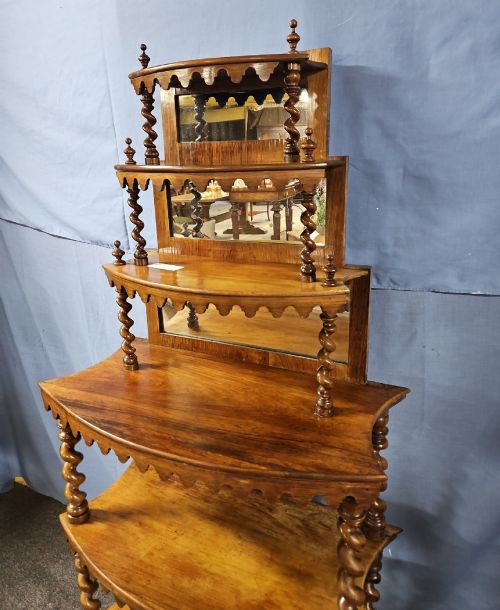
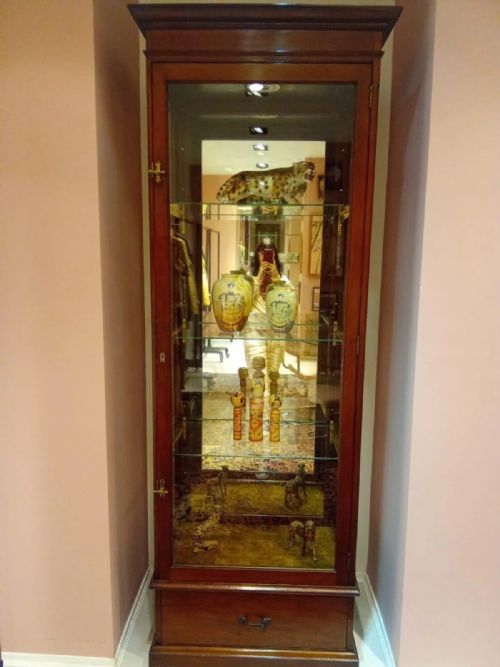
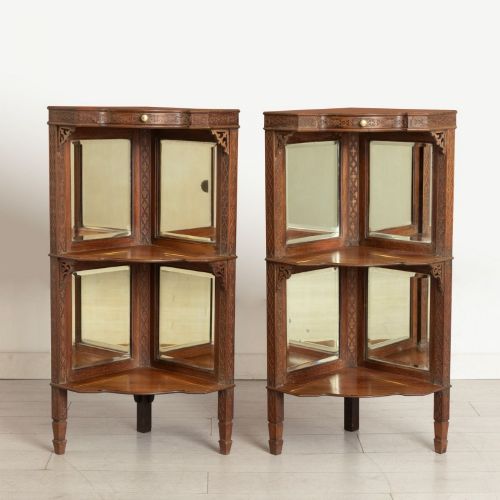
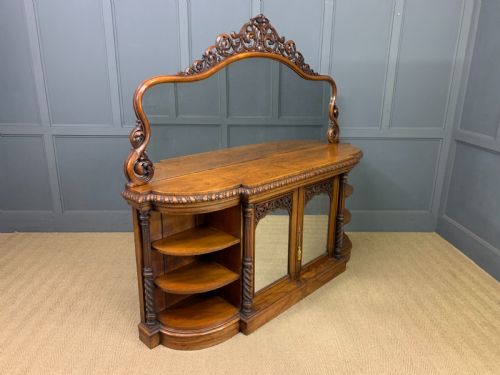
A Victorian mirror back shelf brings together polished wooden tiers and reflective glass backing, creating a focal point designed to display ornaments while brightening a room. These items appear across various forms such as chiffoniers, whatnots, side cabinets, and open bookcases originating from the nineteenth century.
Most examples found on this page date from the Victorian period, alongside related Edwardian and nineteenth-century pieces. Buyers will frequently encounter variations in walnut, mahogany, and rosewood, often featuring fitted mirrors that span the back of the shelving structure.
Materials and Construction
Cabinet makers utilised dense hardwoods including mahogany, walnut, and rosewood, frequently selecting burr walnut veneers to achieve rich surface patterns. Glass forms the essential backing component, integrated closely into the wooden framework behind the display tiers.
Construction techniques involve framing and joining timber to support multiple tiers, open shelving, or enclosed cabinet bases. Finer examples incorporate inlaid details, ormolu mounts, and porcelain plaques alongside turned wooden elements like barley twist supports.
Listings feature walnut, mahogany, and rosewood alongside specialised burr walnut veneers.
Assessing Quality and Execution
Quality in these pieces depends upon the selection of timber veneers and the depth of the cabinet work. Dense burr walnut and figured rosewood distinguish superior examples from simpler constructions.
The integration of the mirror back and the refinement of subsidiary details, such as adjustable shelving, fine inlays, and decorative mounts, separate standard production from pieces of higher workshop standing.
Edwards & Roberts·Town and Emanuel
The Victorian Mirror Back Shelf Glossary
- Chiffonier
- A low sideboard or cabinet, typically featuring a mirror back and shelving or enclosed cupboards below. This form served both storage and display functions in nineteenth-century interiors.
- Whatnot
- An open piece of furniture consisting of multiple tiers for displaying ornaments or books. These structures often incorporate mirror panels and small drawers.
- Credenza
- A sideboard or cabinet designed for display and storage, frequently mounted with ormolu and porcelain during the nineteenth century. The form sits low to the floor and often includes a mirror back.
- Burr Walnut
- A figured wood veneer taken from the burl growths of walnut trees. Cabinet makers prized this material for its swirling patterns on display surfaces.
- Ormolu
- Gilt bronze mounts applied to furniture as decorative enrichment. This technique enhances the visual richness of nineteenth-century cabinets.
Victorian Mirror Back Shelf: Frequently Asked Questions
What is a Victorian mirror back shelf?
A Victorian mirror back shelf is a piece of furniture featuring wooden tiers for display backed by a reflecting glass panel. These items range from open whatnots to large chiffoniers and sideboards.
They were designed to hold decorative objects, ceramics, and books while using the mirror to reflect light and create a sense of space in a Victorian interior.
How were these cabinets used originally?
In nineteenth-century homes, these units stood in drawing rooms, parlours, and dining spaces to display precious ornaments and tableware. The shelves held small decorative items while the lower cupboards or drawers stored household goods.
The reflective glass backing enhanced the appearance of the displayed items and brightened dim Victorian rooms by bouncing ambient light.
How do I date a mirror back shelf?
Dating relies on identifying timber choices, construction methods, and stylistic cues from periods such as the Victorian era, William IV, or Edwardian times. Mahogany, rosewood, and burr walnut point to specific decades of popularity in the nineteenth century.
Makers' marks or stamps, when present, offer precise attribution, while revival styles like Rococo Revival help narrow down the decade of production.
Where should I place one in a modern home?
These pieces suit living rooms, hallways, and dining areas where their display shelves and mirrors can function effectively. Their compact or sideboard forms fit well against feature walls.
Ensure the piece is positioned away from direct sunlight to protect sensitive wood veneers and mirror glass from fading or deterioration over time.