
Victorian Miniature Painting
These Victorian miniature painting works capture likenesses on a small scale, offering an intimate glimpse into nineteenth-century portraiture.
Victorian Miniature Painting
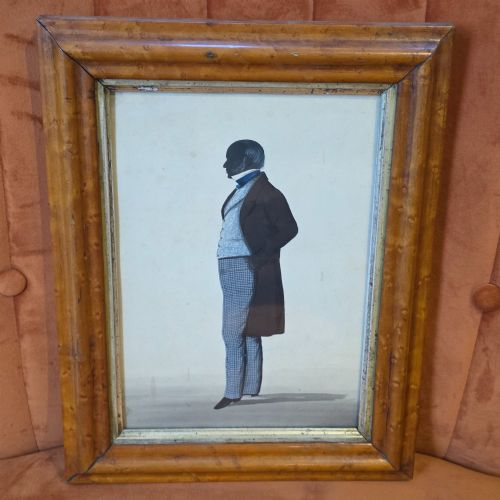
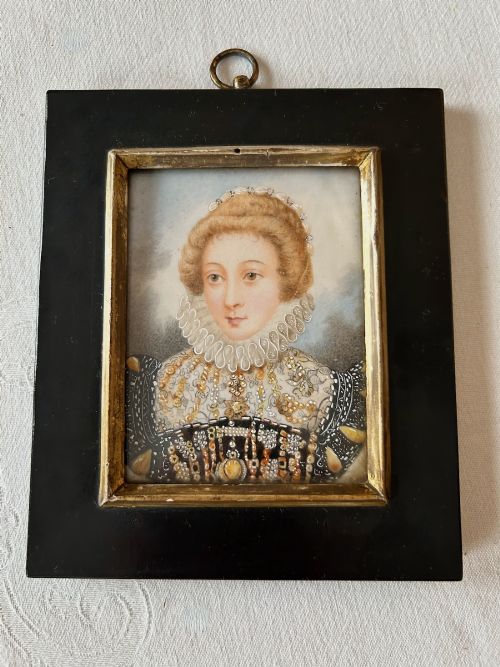
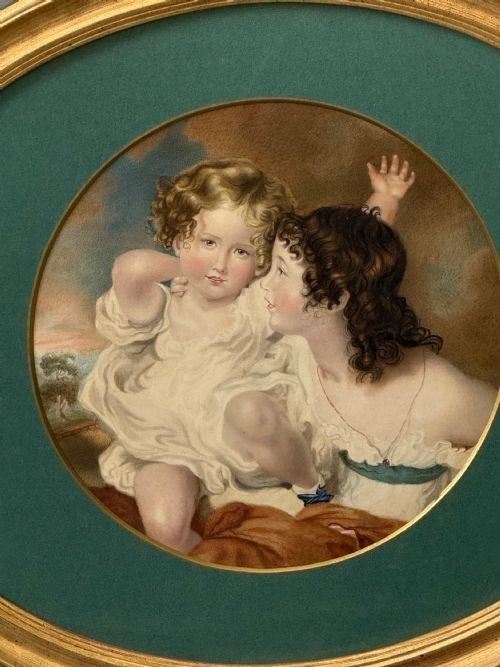
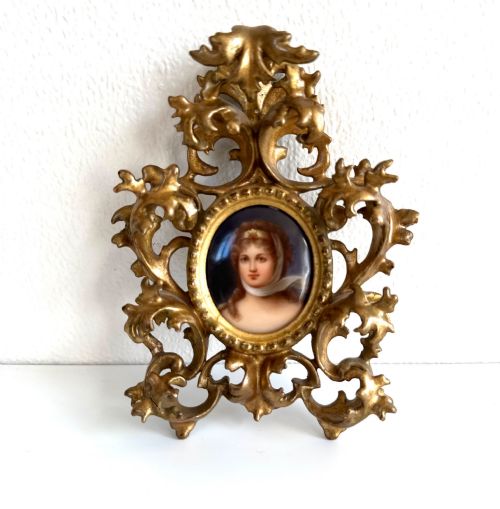
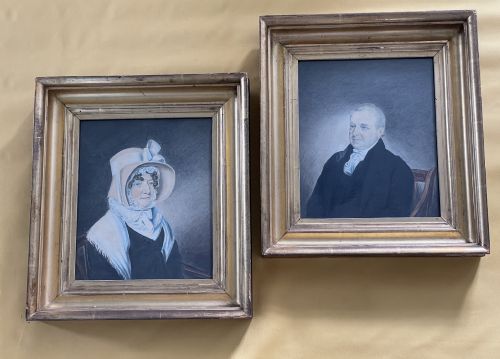
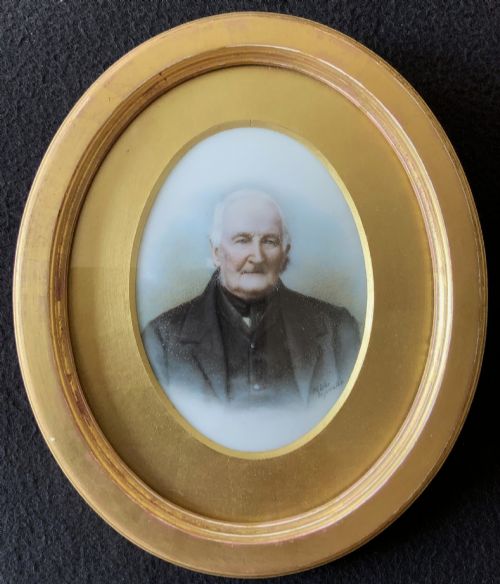
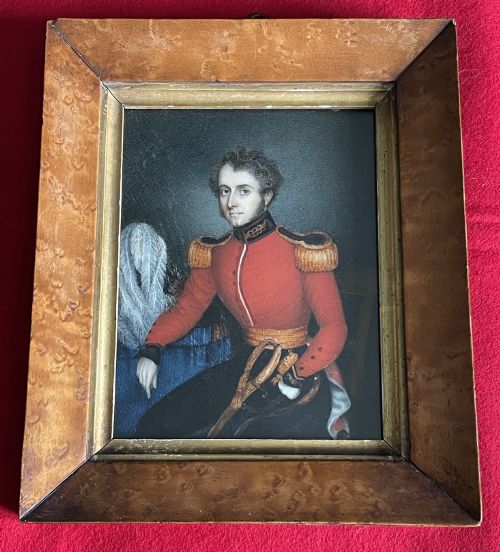
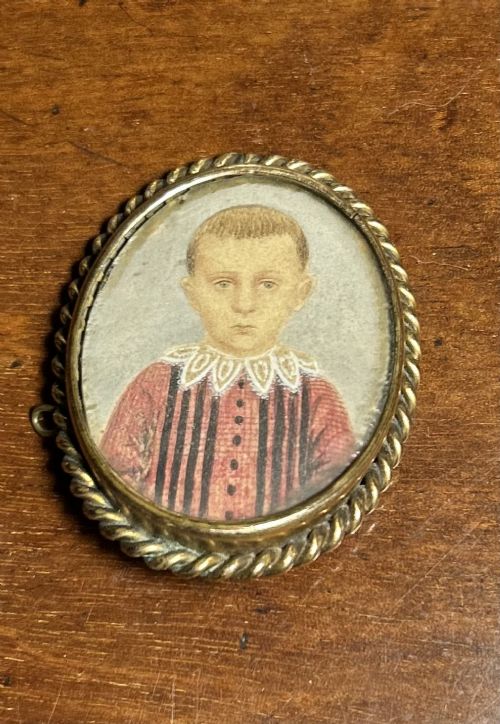
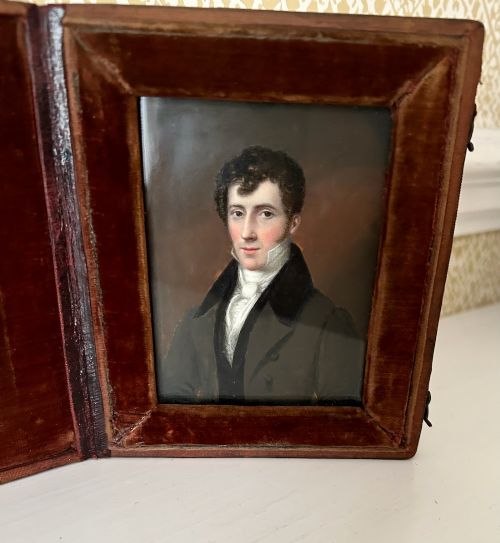
A victorian miniature painting represents small-scale portraits and devotional scenes produced during the nineteenth century. These works frequently depict individual sitters, including children, officers, and ladies, rendered with notable precision.
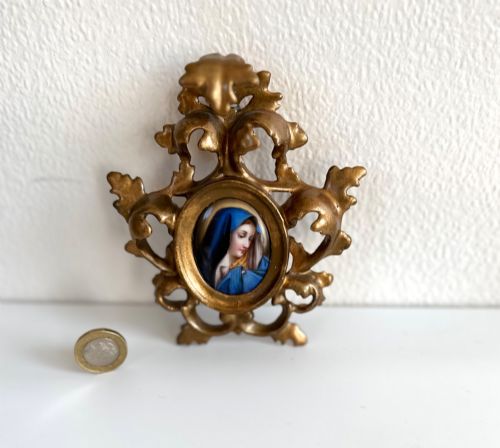
The selections available here range from watercolour on paper and glass to painted porcelain plaques and enamel pendants. Many retain their original ebonised frames, brass mounts, or gold brooch settings designed for personal wear.
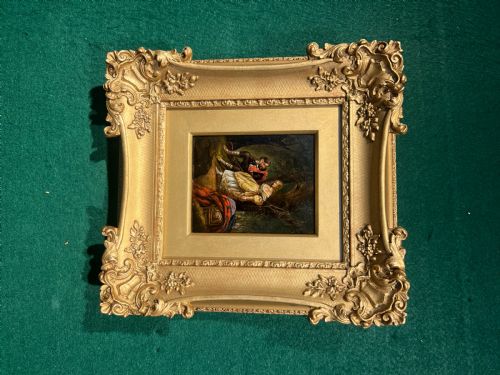
Beyond portraits, the broader category encompasses framed artworks and decorative studies aligned with Georgian, Regency, and Rococo Revival styles. These pieces demonstrate the period preference for portable, highly detailed imagery.
How They Were Made
Artists utilised watercolour, pencil, and gouache applied to paper, glass, or porcelain surfaces to achieve minute facial details. Skilled hands worked with fine brushes under magnification to manage the restricted dimensions of each composition.
Substrates required careful preparation, whether cutting ivory or card, or firing enamel and porcelain plaques at high temperatures. Finished works were then secured behind protective glass within wooden frames, brass fittings, or gold lockets.
Some nineteenth-century subjects gaze out with such stern intensity that they appear perpetually unimpressed by modern interior design choices.
What Varies in Quality
Skill in facial expression and anatomical proportion dictates the success of a portrait miniature. Stronger pieces display confident brushwork and lifelike depth in the sitter's eyes and attire, whereas weaker examples appear stiff or heavy-handed.
The housing contributes significantly to the overall character and integrity of the object. Original mountings, such as signed gilt frames, ebonised wood borders, or precious metal brooch settings, preserve the context in which the artwork was created and worn.
Henri Fradelle·Sir Thomas Lawrence·J Bizo·William Egley·G. Marshall Mather
The Victorian Miniature Painting Glossary
- Portrait Miniature
- A small-scale painting, usually executed on paper, ivory, or porcelain, designed for personal keepsake or display.
- Gouache
- An opaque water-based paint that dries to a matte finish, allowing artists to build dense colour and highlights.
- Ebonised
- Wood stained or painted black to imitate ebony, commonly utilised for nineteenth-century picture frames.
- Limoges Enamel
- Vitreous enamel applied to copper plaques, produced primarily in the French city of Limoges and favoured for rich colour saturation.
- Carriage Timepiece
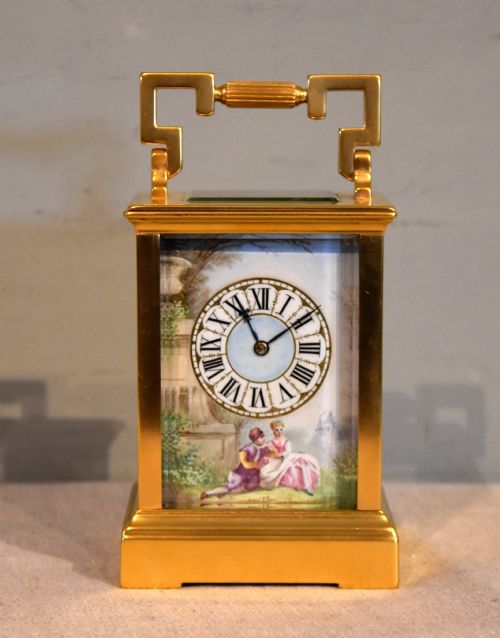
- A portable clock designed for travel, occasionally featuring porcelain painted panels set into the brass case.
Victorian Miniature Painting: Frequently Asked Questions
How were these tiny portraits worn?
Many of these artworks were mounted as brooches or housed within gold pendants and lockets designed to be worn against the clothing. Owners kept the likenesses of family members close to their hearts.
Such pieces combined personal sentiment with wearable ornamentation during the nineteenth century.
Are all miniature paintings done on paper?
While watercolour on paper appears frequently, artists also utilised alternative surfaces including glass, card, and porcelain plaques. Enamel on metal provided a durable medium that resisted fading over time.
Each material required specific handling and framing methods to protect the delicate pigments.
How do I identify a Victorian piece?
Dating relies on the costume of the sitter, the framing materials, and accompanying signatures or inscriptions on the reverse. Hairstyles, lace collars, and jacket cuts reflect the fashions of the mid to late nineteenth century.
Original ebonised frames and handwritten notes often provide further context for the period.
Where should I display small artworks?
These compact pieces suit intimate spaces where viewers can examine the fine details up close. Grouping several framed works together on a wall creates a focal point without overwhelming a room.
Direct sunlight should be avoided to prevent fading on watercolour and paper elements.