

Victorian Milk Pitcher
A victorian milk pitcher brings domestic pottery and gleaming silver to the table, formed to pour cream or milk with daily grace.
Victorian Milk Pitcher
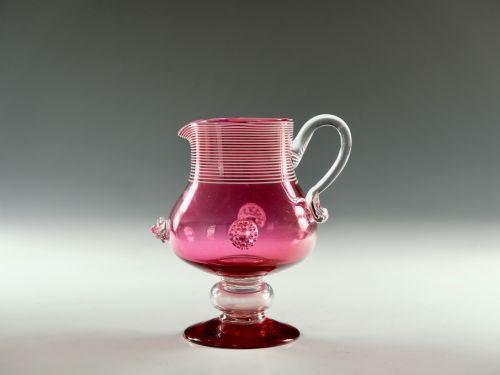
A victorian milk pitcher serves as a sturdy vessel for dairy at the table, taking forms from utilitarian earthenware to ornate metal. Buyers find these pieces range from simple ceramic jugs to elaborate silver and copper servers.
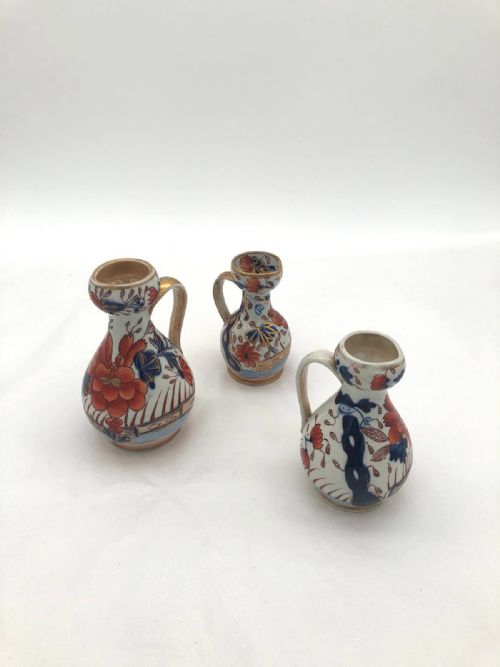
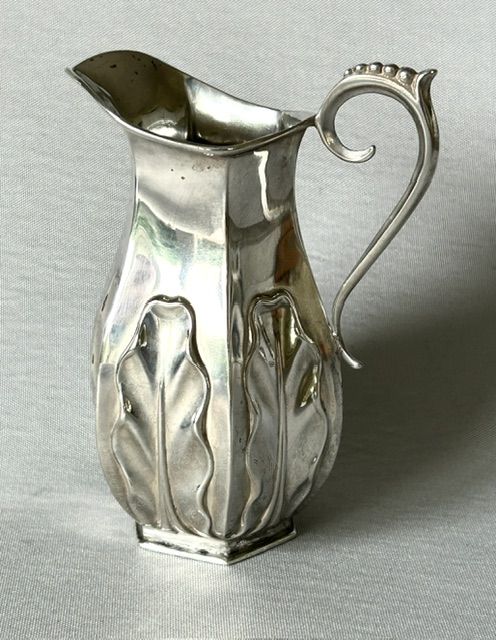
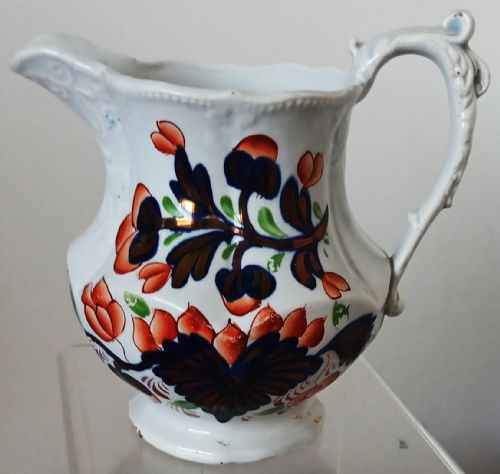
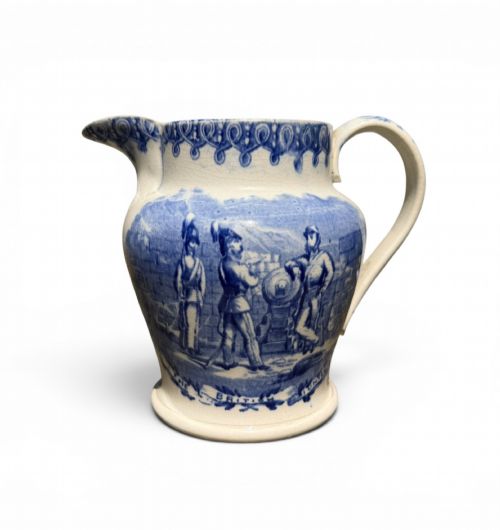
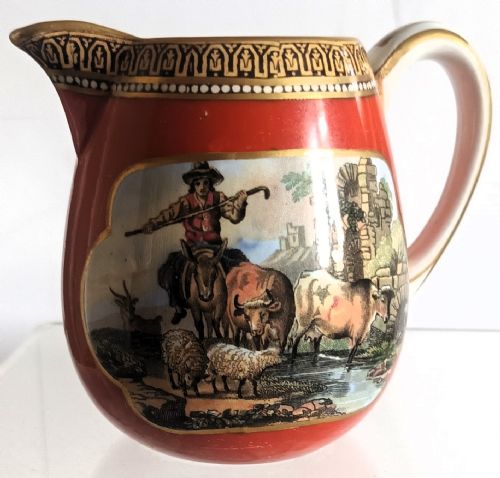
Ceramic examples often display transfer-printed patterns or rich lustre decoration, while metal versions showcase chased designs and hallmarked silver construction. These pitchers appear across various nineteenth-century periods, including mid-Victorian and later decades.
Materials and construction
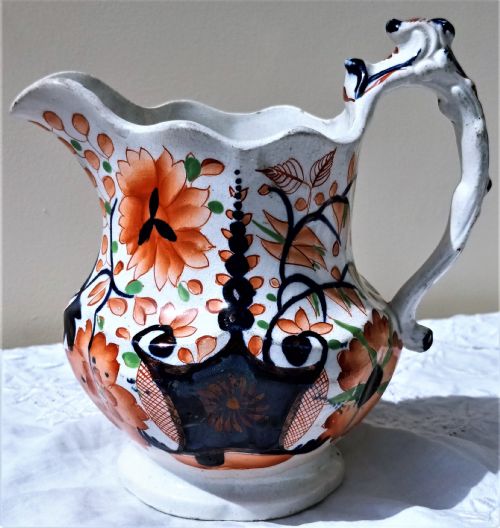
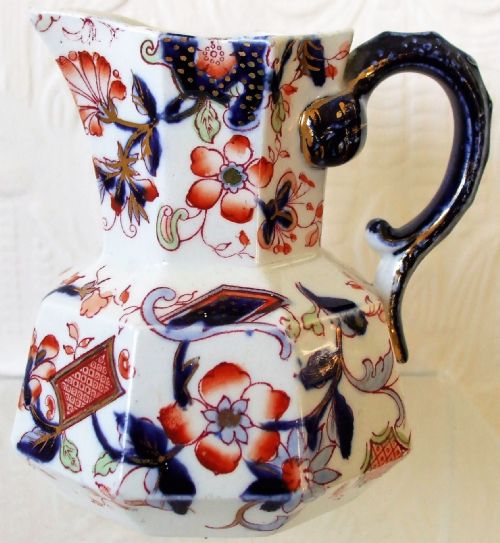
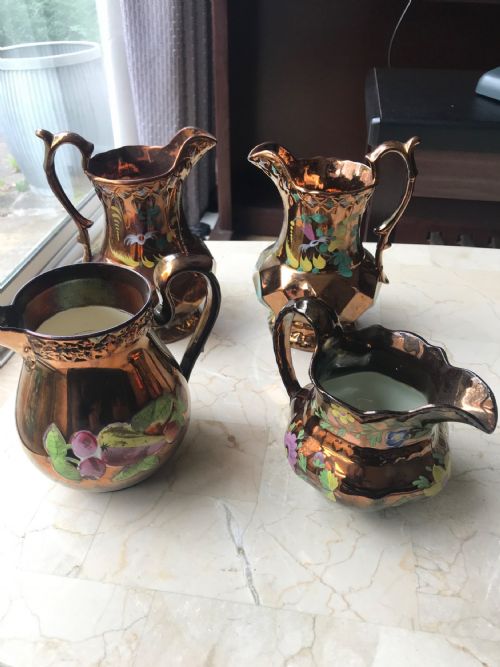
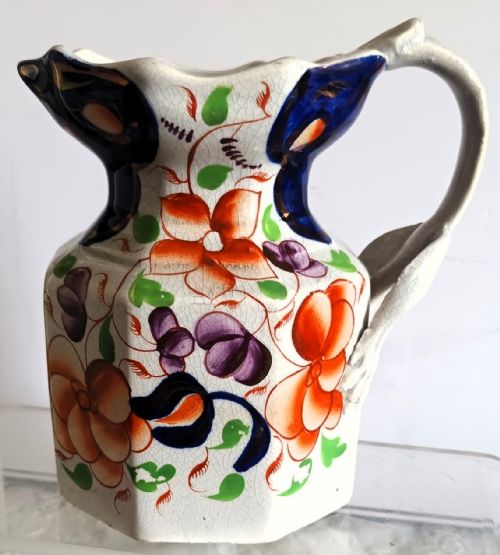
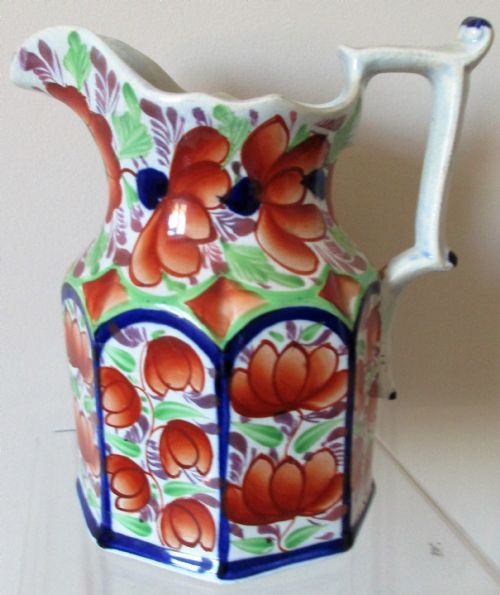
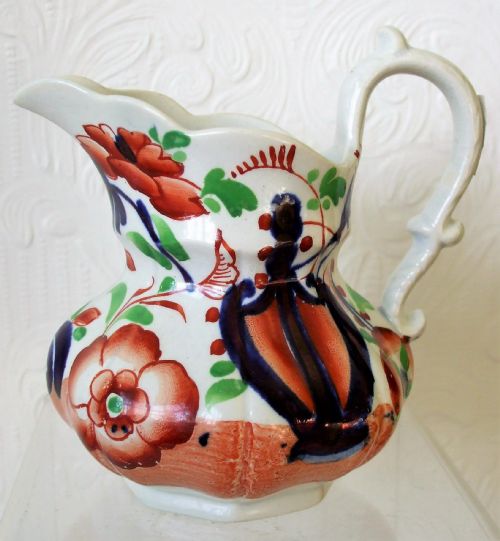
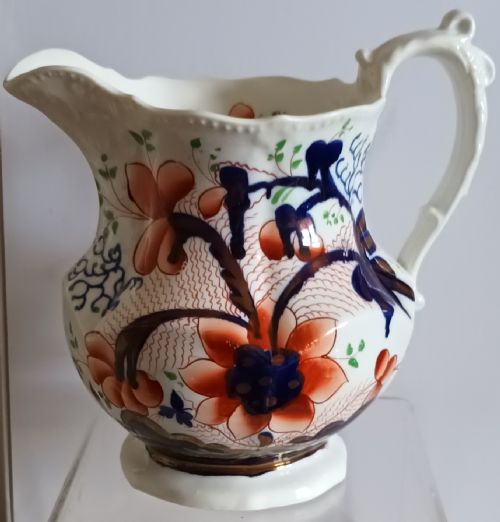
Pottery examples utilise earthenware, ironstone, and ceramic bodies finished with decorative glazes and transfer printing. Makers applied copper lustre and hand-painted motifs to create the vibrant patterns seen on Gaudy Welsh and Staffordshire wares.
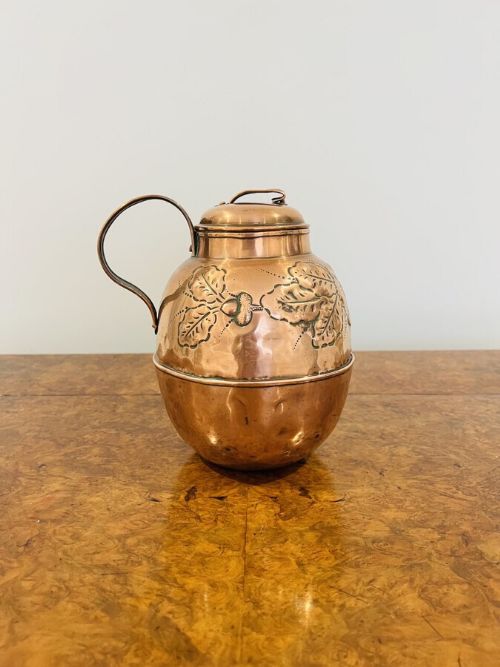
Metal pitchers employ sterling silver and copper, shaped through hammering, casting, and hand-engraving. Silver items frequently feature intricate chased details and hallmarks indicating the assay office and year of manufacture.
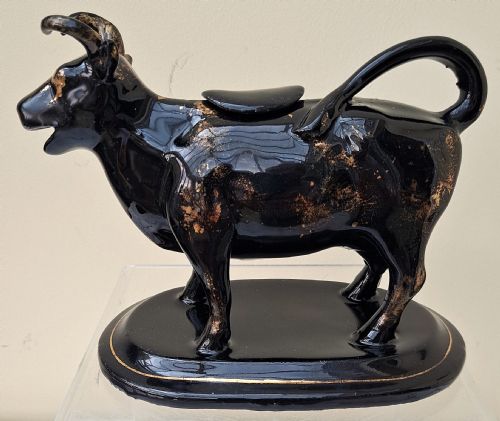
Cow creamers feature a removable lid on the back, turning the animal's tail into the handle for pouring milk.
Distinctions in craftsmanship
Quality rests upon the crispness of the moulded relief and the precision of the hand-decoration. Superior ceramic pieces retain vibrant enamel colours without blurring in the transfer print.
Metal vessels show distinction through the depth of the chased floral or figural design and the structural integrity of handles and spouts. Finer examples display clear hallmarks and balanced proportions in their pedestal bases.
Mason's Ironstone·Keeling and Co·Doulton Lambeth·Royal Worcester·Livesley Powell and Co·Hamilton Crichton and Co·Thomas Smily
The Victorian Milk Pitcher Glossary
- Ironstone
- A patented ceramic body invented for durability, offering a heavy alternative to porcelain. It takes glazes and transfer prints exceptionally well.
- Lustreware
- Pottery finished with a metallic glaze that produces an iridescent sheen. Craftsmen achieved this effect using copper, silver, or gold solutions in the kiln.
- Transfer printing
- A decoration method using an engraved copper plate to pull an impression on tissue paper, which is then transferred to the ceramic body.
- Hallmark
- An official stamp applied to precious metals indicating the standard of purity, the maker, and the year of assay. These marks provide reliable dating for silver pitchers.
- Pearlware
- A refined earthenware developed in the late eighteenth century featuring a bluish glaze that pools in crevices to mimic Chinese porcelain.
Victorian Milk Pitcher: Frequently Asked Questions
What is a Victorian milk pitcher used for?
These vessels served to hold and pour milk or cream at the dining table during breakfast and tea services.
Their capacities varied from small individual creamers to larger jugs designed to serve a full household.
How do I tell earthenware from ironstone?
Ironstone offers a much heavier, denser body that resists chipping better than standard earthenware. It rings slightly when struck and maintains a whiter base for glazed decoration.
Earthenware feels lighter and often shows a more porous biscuit body where the glaze has worn thin.
Can I use antique silver pitchers daily?
Sterling silver pitchers tolerate regular use provided they receive gentle hand washing with non-abrasive cloths. Avoid harsh chemical dips that strip the character from engraved lines.
Storing them away from direct moisture preserves the polished finish and protects any intricate chasing.
How do silver hallmarks date a jug?
Hallmarks include a date letter code specific to the assay office, such as London or Chester, corresponding to the exact year of testing. Additional marks indicate the sterling standard and the maker's registered initials.
Consulting regional assay records matches these symbols to a precise decade or year.