




Victorian Metalware
Victorian metalware brings together domestic brass, copper, pewter and silver plate from the nineteenth century, valued for practical utility and decorative weight.
Victorian Metalware
The objects span domestic hearth equipment, tavern gear and formal display pieces. Many items reflect distinct revival styles and international influences, including Mamluk Revival, Anglo-Indian, Chinese archaic forms and Victorian Rococo ornamentation.
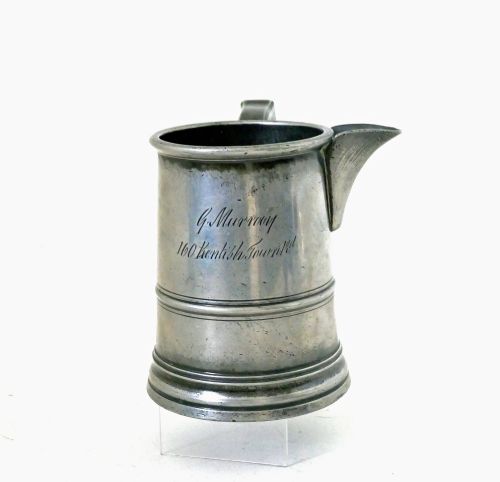
Pieces originating from British workshops sit alongside imported ceremonial bowls and ritual vessels from the wider nineteenth-century world. The selection ranges from plain utilitarian tavern measures marked with VR ciphers to heavily engraved mixed metal cairoware trays and bowls.
Materials and technique
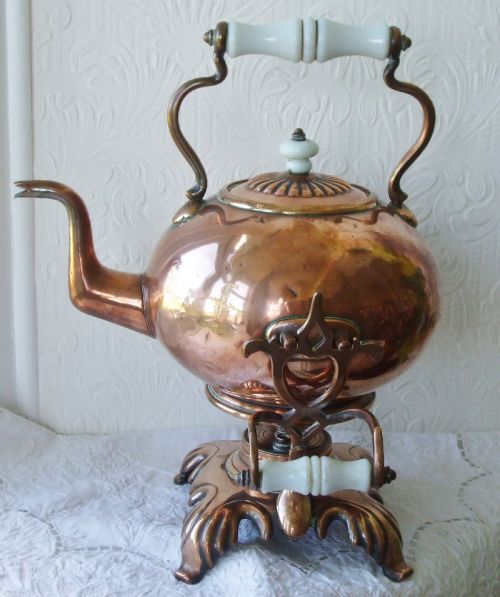
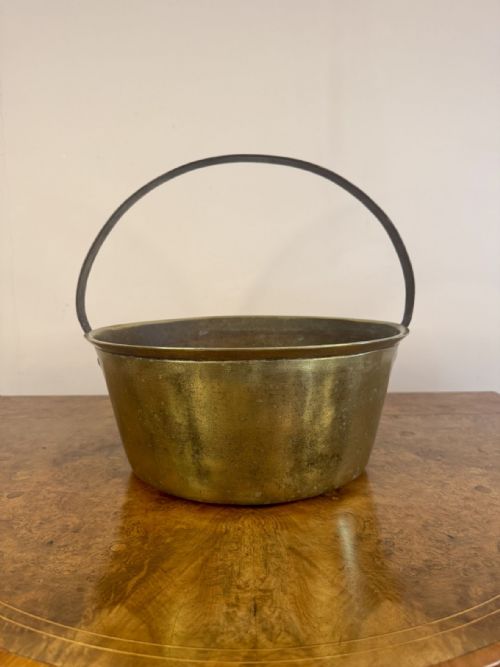
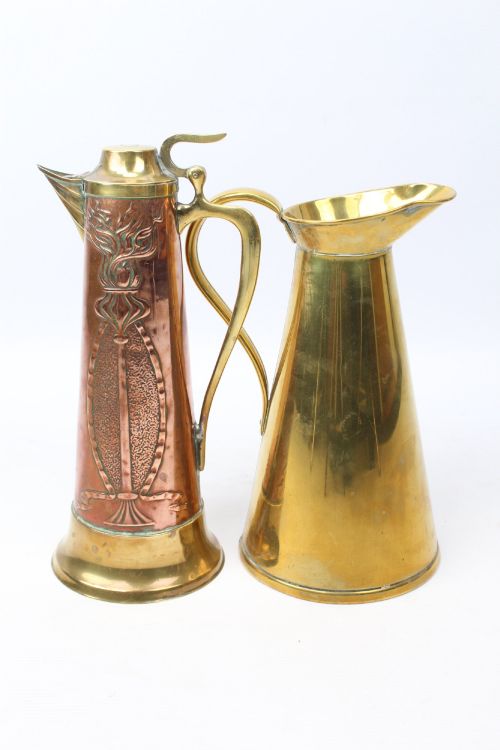
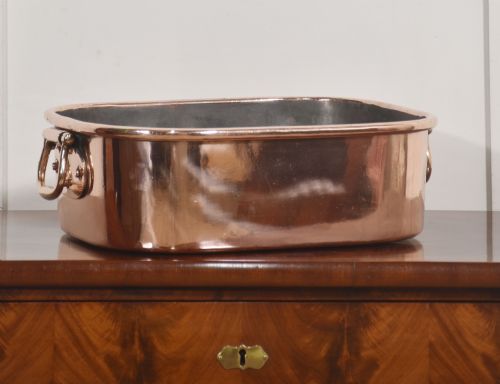
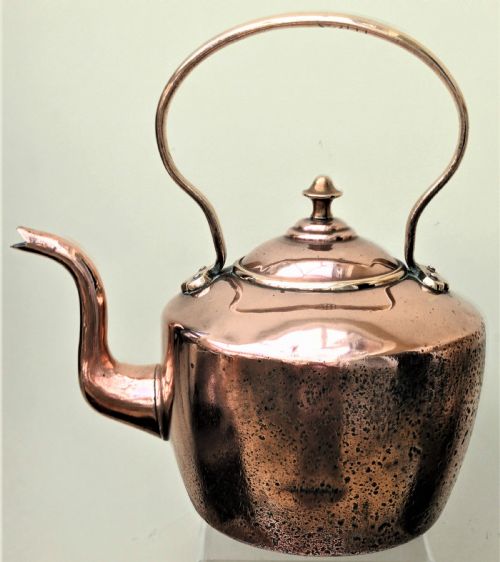
Copper and brass dominate the practical hollowware, shaped into kettles, pans and spirit urns often combined with iron handles or brass stands. Pewter serves primarily for tavern measures and ale jugs, cast and stamped with capacity marks.
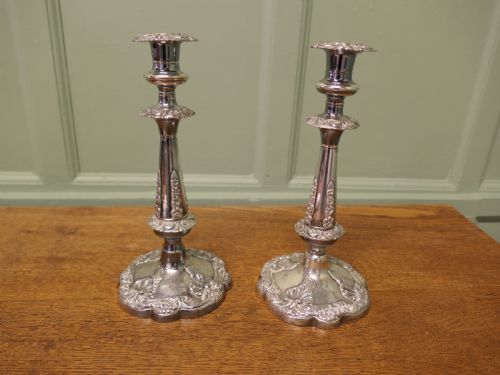
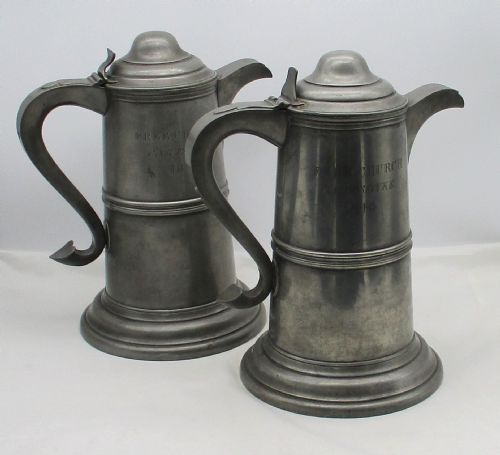
Silver plating techniques, including early Old Sheffield plate and electrotyping by makers such as Elkington Mason and Henry Bourne, allow for intricate communion sets, wine flagons and ewers with rich metallic lustre.
Decorative surfaces utilise engraving, japanning as seen in Pontypool ware, and mixed metal inlay. Bronze ritual vessels and ceremonial censers demonstrate specialised casting methods suited to oriental and classical revival designs.
Victorian Metalware Retail Price Guide 2026
Typical asking prices for victorian metalware among the pieces listed under this phrase on Sellingantiques today, from the lower quarter to the upper quarter. They describe what is for sale here now, not the wider market.
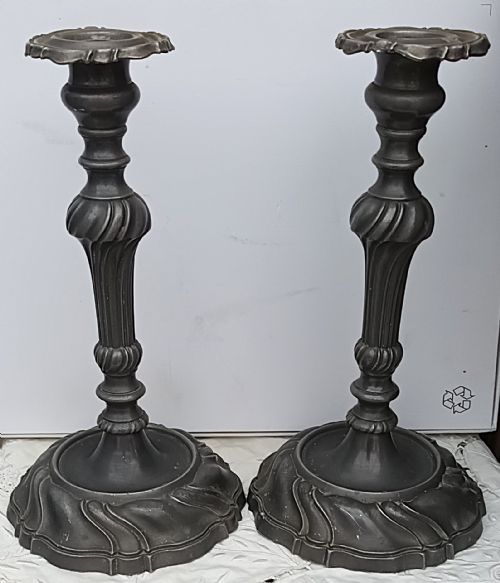
Listings feature nineteenth-century copper, brass, pewter and silver plate, spanning practical kitchen vessels to decorative revival trays and candlesticks.
Quality variations
Quality rests upon the crispness of surface engraving, the weight and gauge of the metal sheet, and the integrity of construction where handles, spouts and bases join. Heavier copper vessels and cast brass or bronze pieces show superior structural substance.
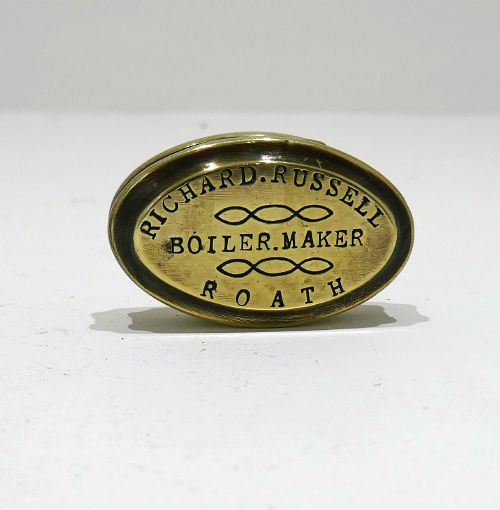
Makers' marks, VR verification stamps, and engraved signatures of makers or original owners elevate historical interest. Superior electroplate retains its uniform plating without base metal exposure, while finer engraved brass and mixed metal bowls display deliberate, precise hand-chasing rather than shallow stamping.
Henry Bourne·Elkington Mason·Benetfink And Co
The Victorian Metalware Glossary
- Samovar
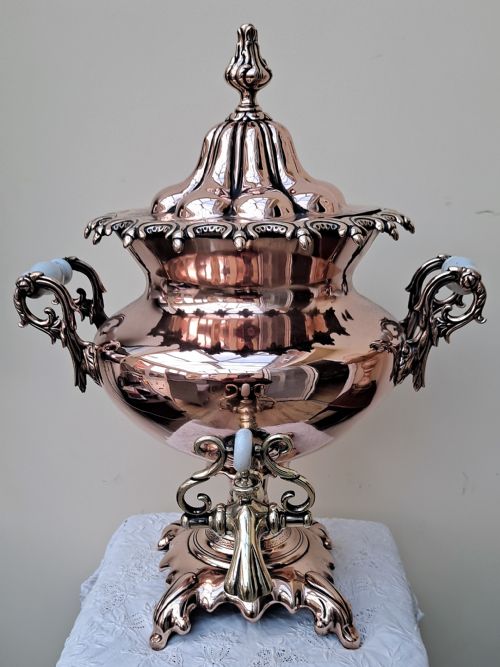
- A heated metal urn traditionally used to boil water for tea, often resting on a stand with a spigot. These large vessels are frequently rendered in heavy copper.
- Tavern measure
- A standardised drinking vessel used in public houses to gauge and serve ale or spirits, typically cast in pewter with imperial capacity stamps. Marked examples often carry royal ciphers like VR.
- Cairoware
- Nineteenth-century brass and mixed metal wares produced in the Middle East or in European revival styles, featuring dense silver and copper inlay in geometric or calligraphic patterns.
- Pontypool ware
- A type of japanned metalware originating from Wales, known for its durable gloss finish applied to iron or tinplate tea-urns and vessels.
- Ale muller
- A specialised metal vessel with a long handle designed to be heated directly in hot coals for mulling drinks.
Victorian Metalware: Frequently Asked Questions
What is Victorian metalware?
Victorian metalware comprises nineteenth-century household, tavern and decorative items formed from copper, brass, pewter, bronze and silver plate. These items include functional kitchenware like kettles and samovars alongside decorative candlesticks and trays.
Items span simple utility objects to ornate revival pieces influenced by Gothic, Classical and Eastern styles. The category highlights the era's reliance on metal for domestic and ceremonial life.
How were copper kettles used?
Copper kettles served as primary water-heating vessels positioned near hearths or on dedicated spirit stands for tea preparation. Their heavy metal construction allowed them to conduct heat efficiently over open fires or stoves.
Many survived due to durable construction and thick gauge copper walls. They transitioned from utilitarian kitchen tools to decorative fireside accessories in later periods.
What are pewter tavern measures?
Pewter tavern measures are standardised containers used in inns to serve exact quantities of ale and spirits. They feature calibrated capacities, often stamped with crown verification marks such as VR.
These cylindrical or lidded vessels provided accurate measurements for public house patrons. Their heavy alloy construction resisted daily tavern wear.
How do I identify silver plate?
Silver plated items use a base metal core, such as copper or white metal, bonded with a thin layer of silver. Early pieces employ Old Sheffield plate techniques, while later items utilise electroplating.
Examining high-wear edges reveals whether the base metal shows through the silver layer. Maker marks and manufacturing stamps often help date the plating method.