





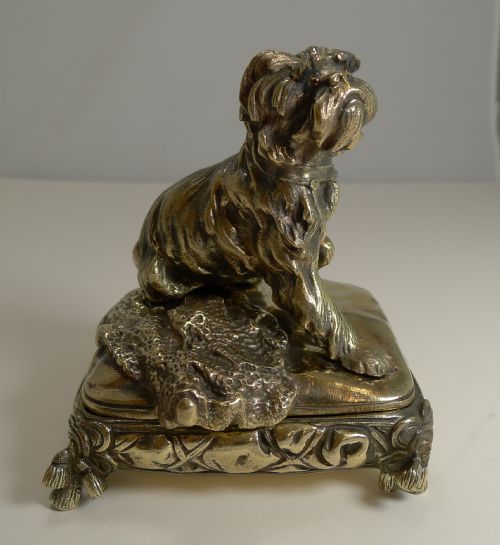


Victorian Metal Jewellery Box
These victorian metal jewellery box pieces offer tangible glimpses into nineteenth-century domestic ornamentation, combining durable metalwork with secure velvet-lined storage for personal trinkets.
Victorian Metal Jewellery Box
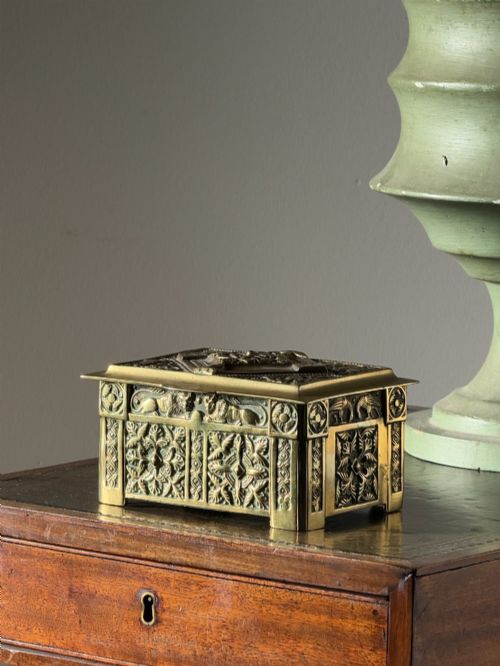
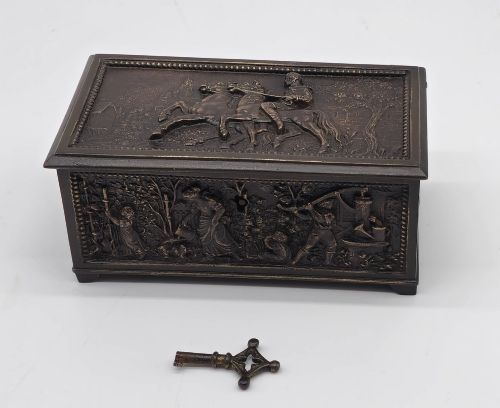
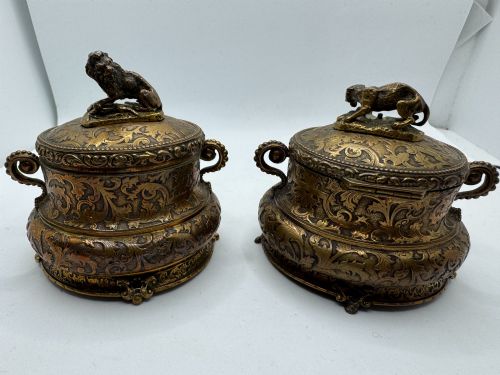
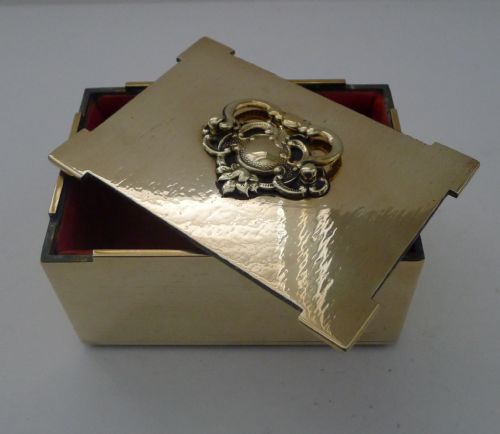
A victorian metal jewellery box represents a portable receptacle designed for safeguarding precious personal items, appearing predominantly in nineteenth-century forms ranging from heavy cast bronze caskets to refined ormolu and brass trinket cases. These items emerge from various stylistic traditions including French Napoleon III, Rococo Revival, and Arts and Crafts movements.
Buyers frequently encounter Continental examples, particularly French gilt bronze and Italian ormolu pieces, alongside English brass and copper domestic caskets. The selection extends to specialised objects such as travel trunks, strong boxes, and miniature vitrines with glass panels.
Originating largely from the nineteenth century, these pieces utilise robust foundational structures of bronze, brass, and copper, often enriched with decorative surface treatments. The enduring appeal lies in their substantial weight, intricate casting, and capacity to function as decorative tabletop objects.
Materials and construction
Artisans constructed these boxes using foundational metals like bronze, brass, copper, and cast iron, frequently applying heavy gilding, silvering, or ormolu to achieve a luxurious golden finish. Surface enrichment often involves repousse hand decoration, champleve enamel work, and inset panels of Pietra Dura or Limoges miniatures.
Construction techniques combine traditional metal casting with precise hand-chasing, electro-forming, and riveting to secure decorative mounts such as dog finials and foliate feet. Interiors typically feature fitted trays and linings of velvet or silk designed to cushion delicate ornaments.
Victorian Metal Jewellery Box Retail Price Guide 2026
Typical asking prices for victorian metal jewellery box among the pieces listed under this phrase on Sellingantiques today, from the lower quarter to the upper quarter. They describe what is for sale here now, not the wider market.
Listings feature pieces spanning the nineteenth century, including specific works from the 1860s, 1870s, 1880s, 1900s, and Regency periods.
Distinctions in quality
Quality rests upon the crispness of the metal casting, the depth of hand-chasing, and the integrity of applied surface gilding or patination. Superior examples display sharply defined figural or floral motifs rather than soft, mass-produced contours.
The choice of secondary materials, such as genuine Pietra Dura hardstone inlays, hand-painted Limoges porcelain plaques, or heavy glass panels, elevates the standard of a piece. Maker attribution and the complexity of internal mechanisms, such as secret compartments or robust brass locks, also distinguish finer specimens.
Walker and Hall·AB Paris·B Wicker
The Victorian Metal Jewellery Box Glossary
- Ormolu
- Gilded bronze, where a mercury-gilding technique coats the bronze base with a bright golden layer. This finish is characteristic of French decorative arts.
- Repousse
- A metalworking technique where the artisan hammers the metal from the reverse side to form a raised design in relief. It allows for expressive surface textures.
- Champleve
- An enamelling method where troughs are hollowed out of the metal surface and filled with vitreous enamel before firing. The resulting design shows colourful geometric or pictorial patterns.
- Pietra Dura
- An inlay technique using cut and fitted polished coloured stones to create pictorial images. It appears frequently on Italian decorative boxes.
- Trunk
- A small portable box or miniature chest, often bound in brass and wood, designed for secure travel or domestic storage.
Victorian Metal Jewellery Box: Frequently Asked Questions
What metals were commonly used?
The pieces utilise a range of metals including brass, bronze, copper, and gilt metal, often finished with silver plating or ormolu.
Foundational structures are typically heavy cast brass or bronze, providing the necessary weight and durability for decorative caskets.
How do I date a box?
Dating relies on stylistic clues such as Rococo Revival curves, Arts and Crafts hand-hammered copper, or specific nineteenth-century manufacturing techniques.
Materials like champleve enamel and incorporation of specific maker marks also help assign pieces to particular decades within the Victorian era.
Were these boxes used for travel?
Many examples function as stationary tabletop caskets, while others take the form of travel trunks or strong boxes with secure locks.
Sturdy brass and teak construction in specific items indicates they were built for portability during nineteenth-century journeys.
What styles are typical?
Styles range from French Napoleon III and Second Empire ormolu to English Arts and Crafts copper and Italian Pietra Dura work.
Victorian design embraced historic revival movements, leading to frequent deployment of Rococo scrolls and classical architectural motifs.