
19th Century Casket Box
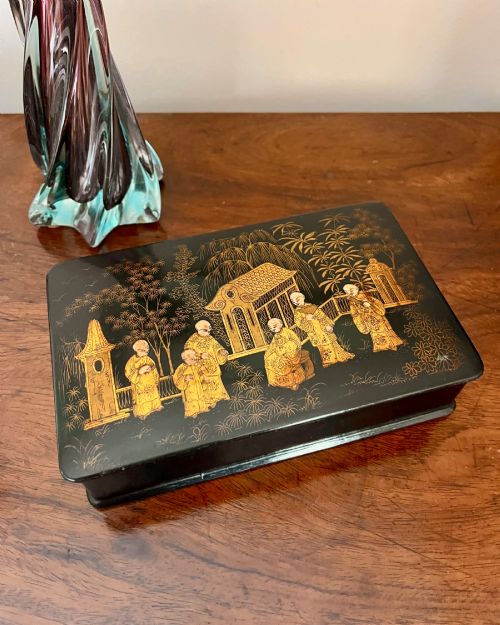
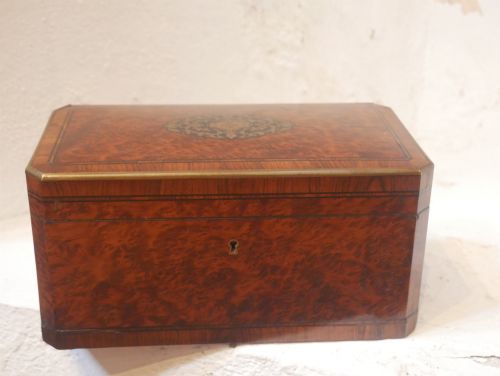
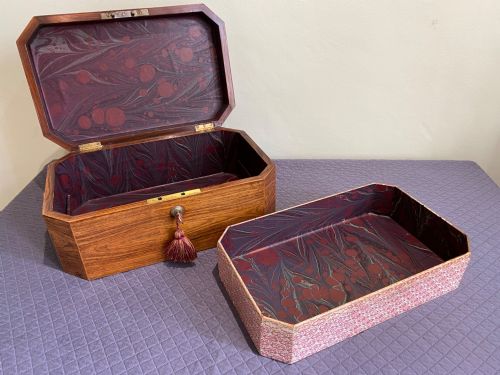
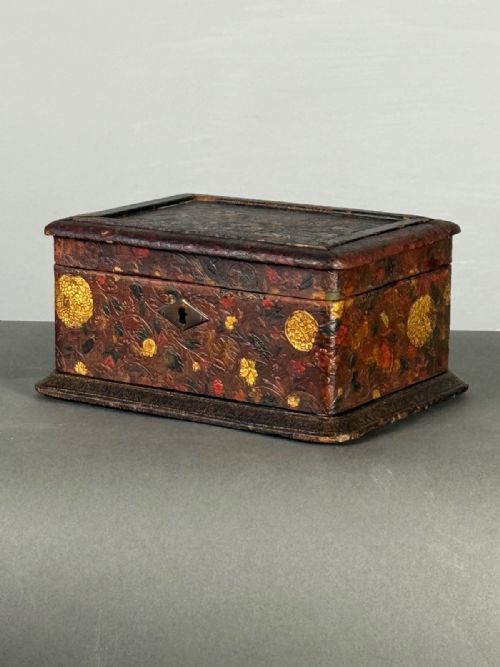
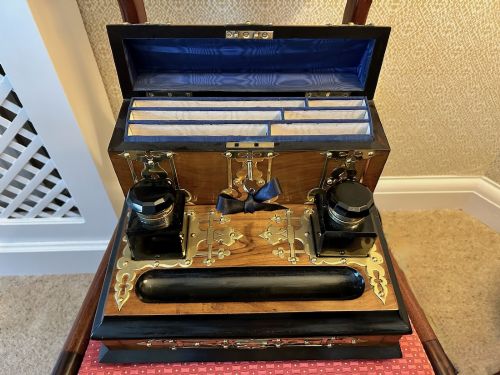
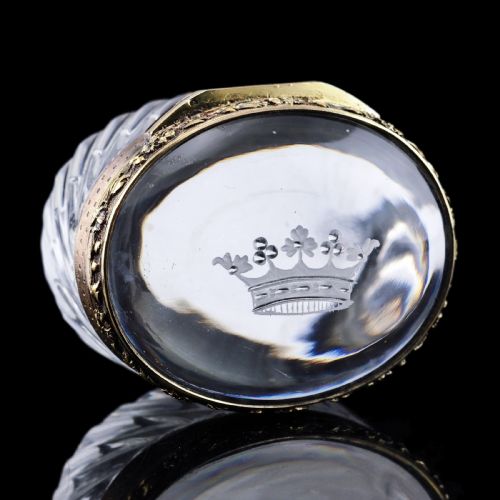
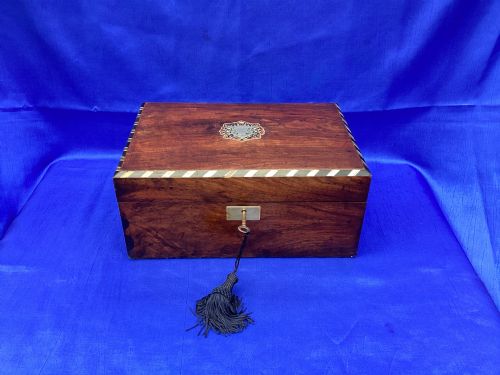
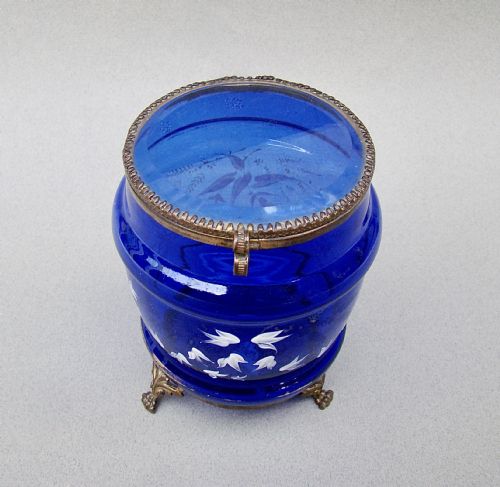
These pieces are a 19th century casket box, used to secure precious trinkets, letters or sewing tools, and a buyer wants one for its craftsmanship and decorative presence.
19th Century Casket Box
When you examine a 19th century casket box, you are looking at utilitarian containers elevated to decorative art, spanning forms like jewellery caskets, writing slopes, tea caddies and stationery boxes.
The Victorian incarnation dominates the selection, though Georgian, Regency and later nineteenth-century examples appear frequently.
These vessels originated in workshops across England, France, Italy, Germany and beyond, serving as functional storage for the affluent parlour or dressing table.
How They Were Made
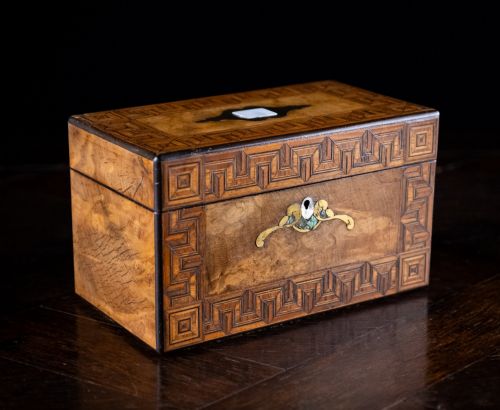
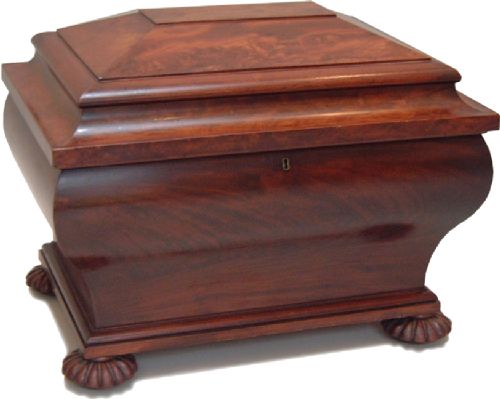
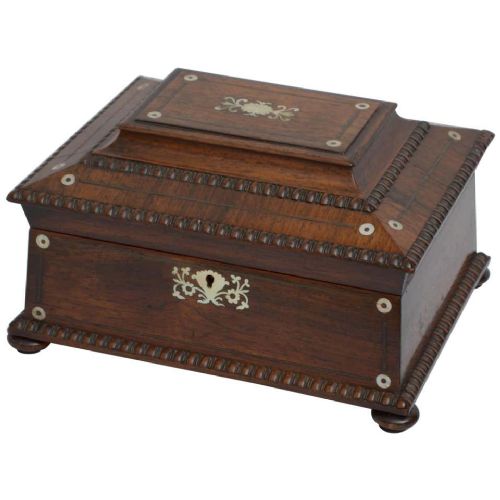
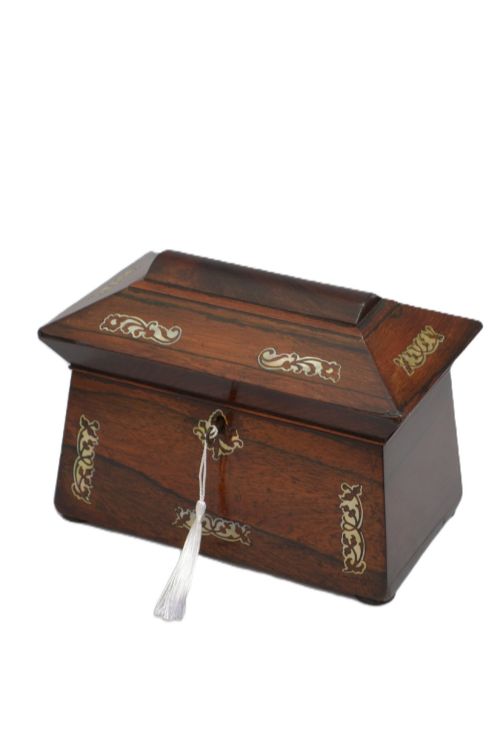
Cabinet makers utilised dense hardwoods such as rosewood, walnut, coromandel and mahogany, often applying intricate parquetry, marquetry or Tunbridge ware veneers.
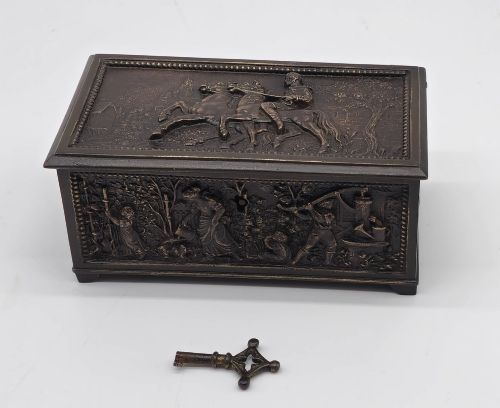
Metalwork played a structural and decorative role, incorporating cast or chased ormolu, brass mounts and silver gilt framing.
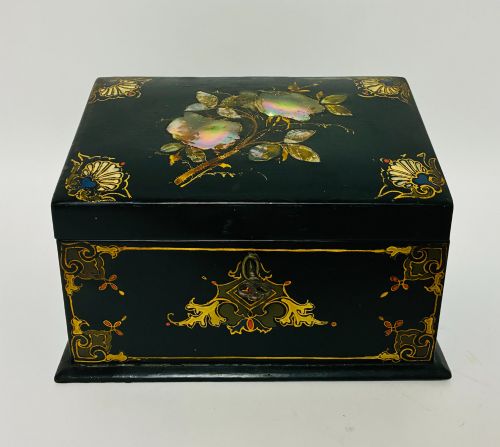
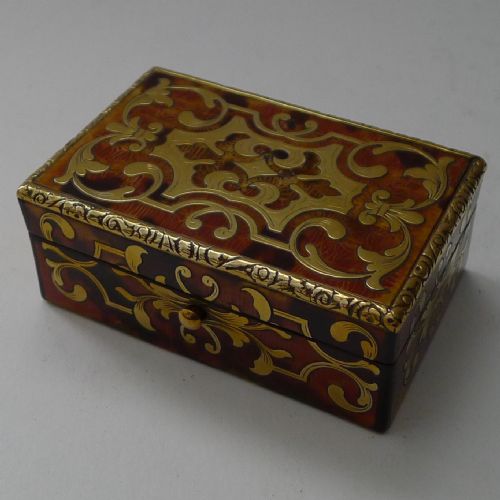
Surface ornamentation relied on applied mother-of-pearl, tortoise-shell, hand-painted porcelain panels, gesso and lacquer work.
The listings feature boxes constructed from rosewood, walnut, burr maple, brass, mother-of-pearl, and porcelain across the 19th century.
What Varies in Quality
The standard of execution in the timber work and metal mounts dictates the distinction between ordinary containers and exceptional caskets.
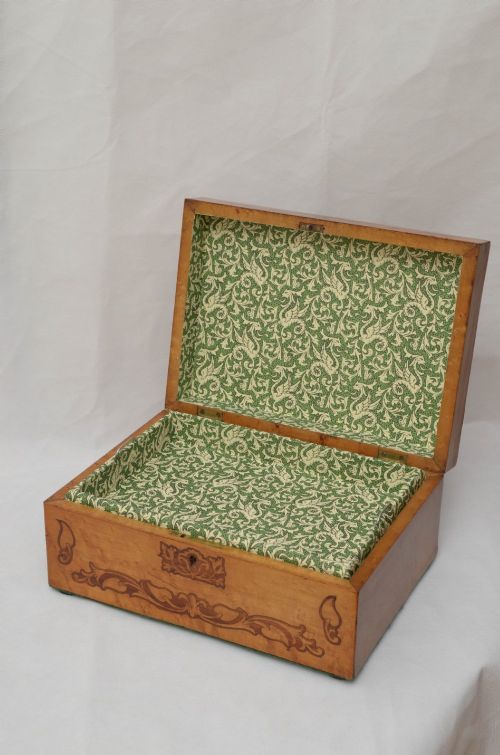
The integrity of internal fittings, such as original mirror glass, velvet linings and fitted compartments for scent bottles or sewing tools, elevates the piece.
The precision of specialist techniques like micro-mosaic pietra dura, Boulle marquetry or hand-painted porcelain determines the standing of the work.
Tahan Paris·Susse Freres Paris·Edmund Nye·W & J Milne Makers
The 19th Century Casket Box Glossary
- Ormolu
- Gilded bronze or brass mounts applied to furniture and decorative boxes. This technique was widely employed in French and English workshops.
- Marquetry
- The art of applying pieces of veneer to a structure to form decorative patterns. Craftsmen utilised various exotic woods to create pictorial designs.
- Pietra dura
- Inlay technique using cut and fitted polished coloured stones to create images. It appears frequently on Florentine and Italian caskets.
- Tunbridge ware
- Woodworking method of creating geometric mosaics from thousands of tiny tinted wood blocks. It is characteristic of specific English makers.
- Boulle
- Form of ornate marquetry consisting of tortoiseshell and brass inlaid into a carcase. It was popular in French furniture and decorative boxes.
19th Century Casket Box: Frequently Asked Questions
What were 19th century casket boxes used for?
These boxes served multiple domestic purposes in the nineteenth-century home, primarily holding jewellery, letters, sewing gear or tea.
Larger caskets often contained fitted interiors with velvet trays and glass bottles for travel or dressing table use.
How do I identify a Regency period box?
Regency boxes typically feature clean architectural lines, brass stringing and specific feet such as claw and ball mounts.
They often incorporate rich mahogany or rosewood surfaces combined with leather bound elements.
Where were these decorative caskets made?
Production centred in major European hubs, with English workshops specialising in Tunbridge ware and coromandel boxes.
French makers in Paris produced elaborate ormolu and porcelain mounted pieces, while Italian studios favored pietra dura.
How should I care for a wood and metal box?
Keep wooden surfaces conditioned with appropriate wax and protect delicate metal mounts from excessive moisture.
Avoid placing antique boxes in direct sunlight to preserve inlaid materials like mother-of-pearl and tortoiseshell.