
Victorian Match Holder
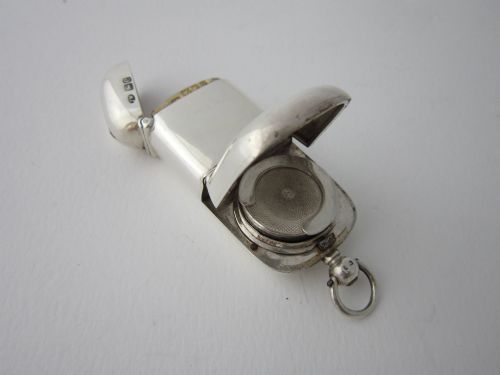
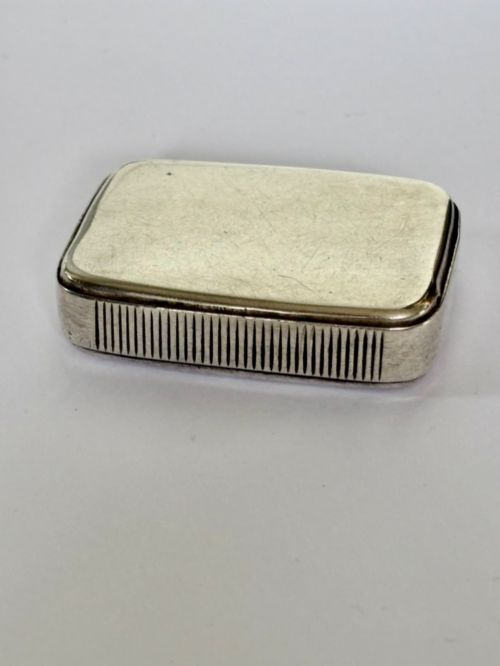
A victorian match holder is a functional small container designed to keep vestas dry and close at hand.
Victorian Match Holder
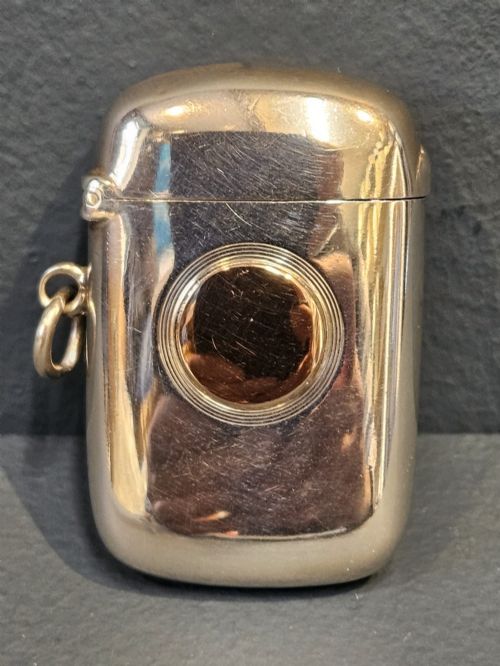
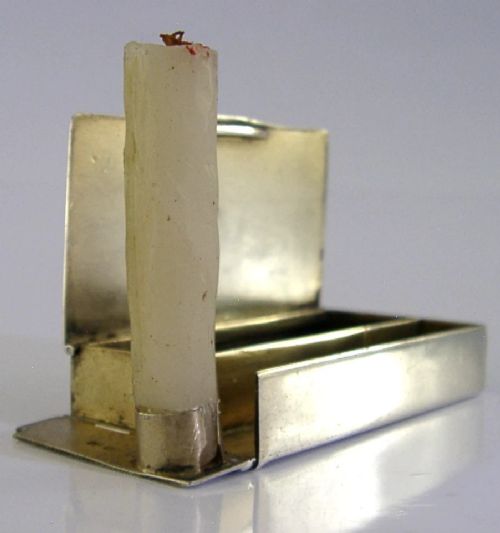
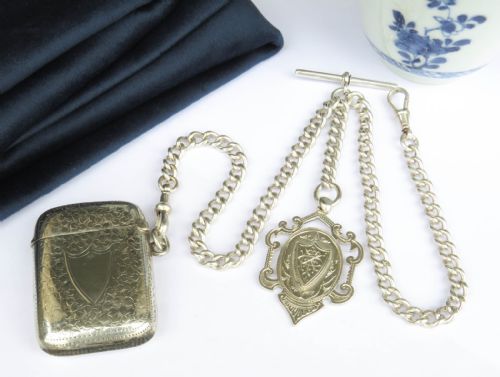
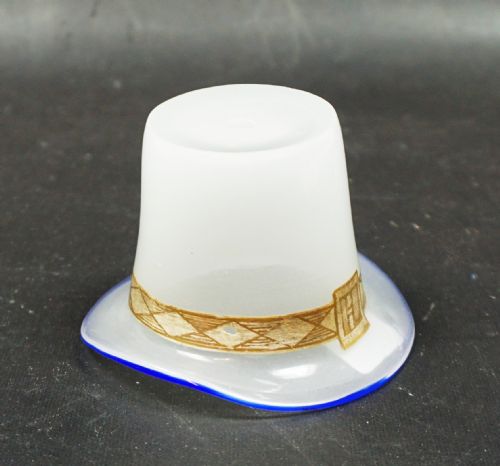
A victorian match holder typically takes the form of a pocket vesta case, a table matchbox holder, or a ceramic match striker. These items reflect the heavy reliance on safety and strike-anywhere matches during the nineteenth century, when smoking and gas lighting required a dependable flame in every room.
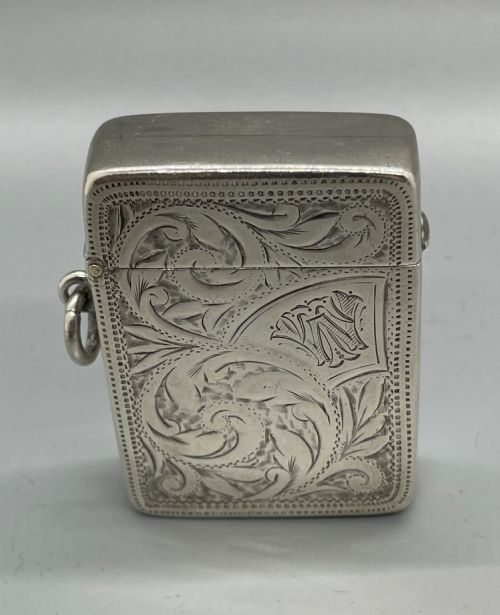
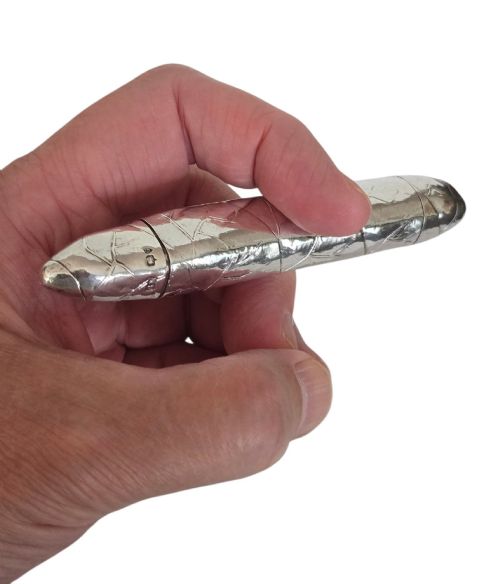
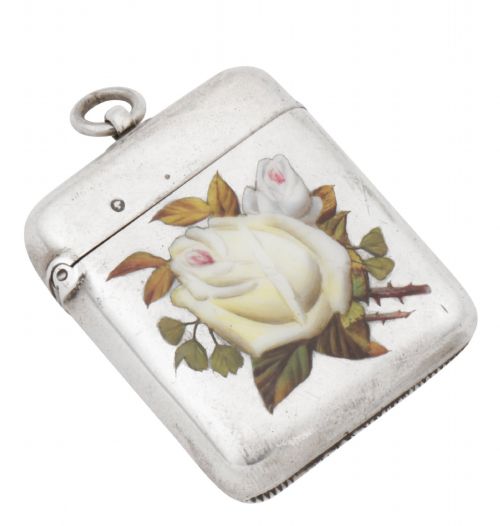
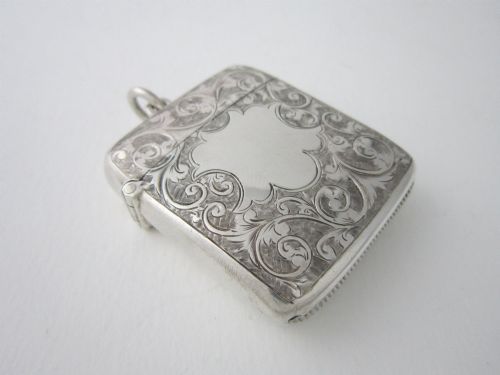
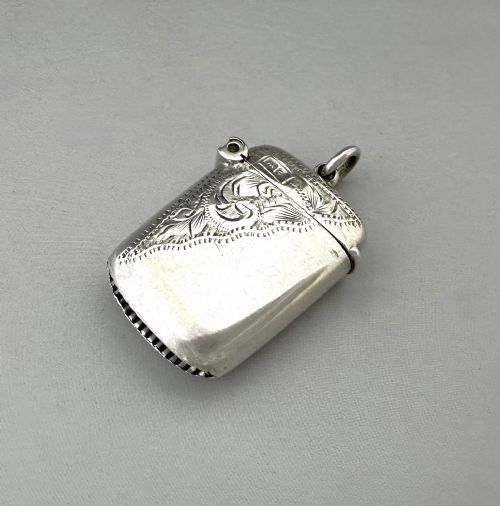
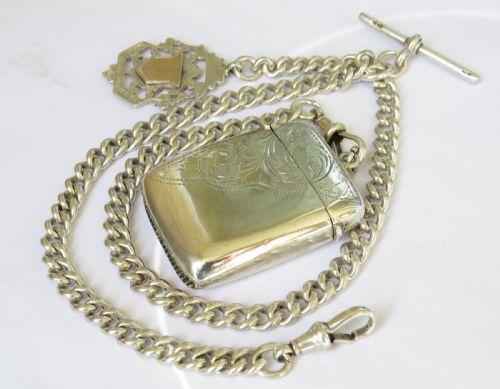
The most common examples on this page are sterling silver pocket vesta cases featuring hinged lids and striated bases for ignition. Tabletop versions in cranberry glass, brass, and earthenware also appear regularly, alongside novelty shapes modelled as animals, figures, and everyday objects.
How They Were Made
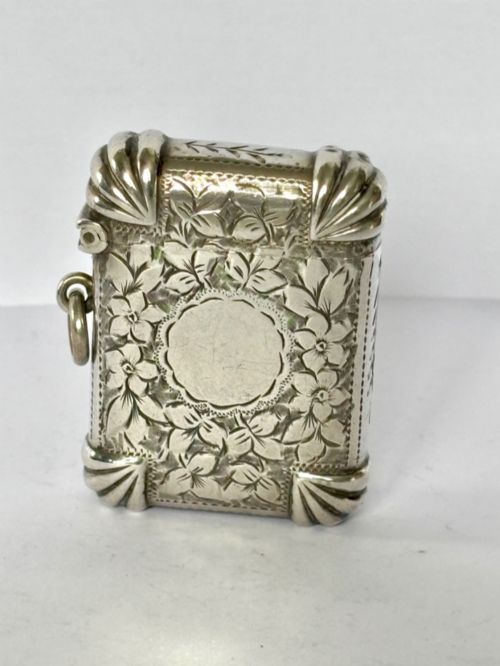
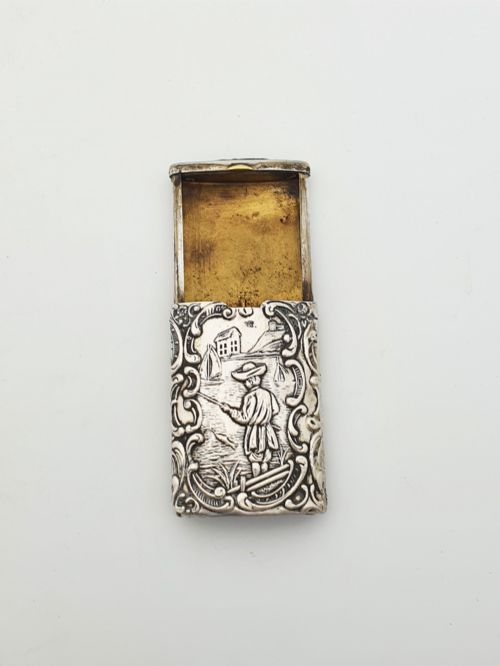
Makers utilised sterling silver, brass, nickel-plated metal, and glazed ceramic, often combining materials within a single piece. Silver vesta cases were frequently stamped or repoussé-decorated before receiving hand-engraved detailing, while glass and ceramic strikers incorporated textured striking panels directly into the body.
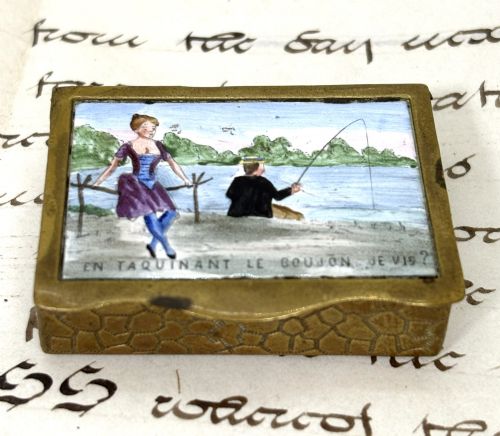
Enamel painting and silver-gilt finishes provided colourful decoration on luxury items. Wood and carved bone were also turned or sculpted for spill vases and novelty match dispensers.
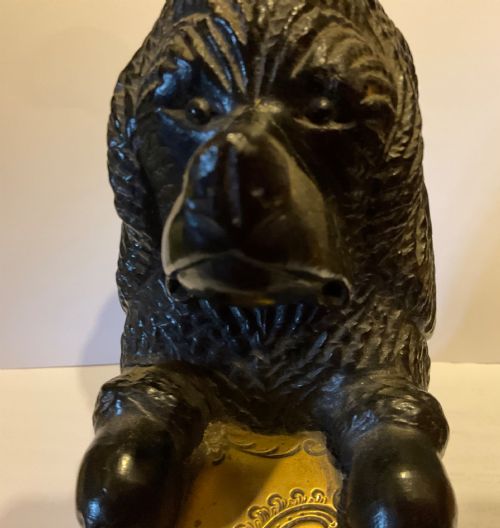
A metal bulldog and a begging wooden dog stand ready to hand over a match.
What Varies in Quality
The standard of a victorian match holder rests upon the crispness of its casting, the integrity of its hinge, and the depth of its hand-engraved or repoussé ornament. Superior pieces display sharp definition in figural subjects such as animal heads or portrait faces, whereas lower-quality items rely on shallow stamping that blurs finer details.
Makers' marks and full hallmarks add considerable distinction, proving the exact date and assay office of precious metal pieces. Novelty mechanisms, combination sovereign cases, and intricate enamel work also separate standard utility items from top-tier workshop productions.
EV Pledge & Son·Sampson Mordan & Co·A & J Zimmerman·William Neale·William Hair Haseler·Raphael Tuck & Sons·Cornelius Desormeaux Saunders and James Francis Hollings Shepherd·S Blanckensee
The Victorian Match Holder Glossary
- Vesta
- A short match tipped with phosphorus, designed to strike on a rough surface. These matches required secure pocket containers to prevent accidental ignition.
- Match Striker
- A receptacle featuring a ribbed or roughened surface, often made of glass or ceramic, used specifically for igniting strike-anywhere matches.
- Repoussé
- A metalworking technique where the design is hammered into relief from the reverse side. This method was widely used on silver match cases to create raised floral or figural motifs.
- Spill Vase
- A small container designed to hold tapered wooden spills. These thin spills were lit from a fireplace to transfer a flame to candles or pipes.
- Hallmark
- An official stamp applied to precious metals indicating the standard of purity, the assay office, and the date of manufacture. These marks help verify the period of silver match holders.
Victorian Match Holder: Frequently Asked Questions
What is a vesta case?
A vesta case is a small, portable container designed to hold matches safely in a pocket or waistcoat. They feature a hinged lid and a striated section on the bottom for striking.
These cases became essential accessories during the Victorian era due to the widespread popularity of tobacco smoking and domestic candle lighting.
How were match holders used?
Match holders were kept in pockets, on dining tables, and beside fireplaces to provide immediate access to a flame. Tabletop versions often doubled as ash trays, photo frames, or spill holders.
Users would extract a match and draw it across the roughened base of the holder to produce a flame for cigars or lamps.
How do I identify a Victorian piece?
Identifying a Victorian match holder relies on examining hallmarks, manufacturing techniques, and stylistic cues. Sterling silver items frequently bear assay office marks and date letters corresponding to the nineteenth century.
Stylistic elements such as Aesthetic Movement engraving, Art Nouveau curves, or specific animal novelties also point directly to the period of production.