
Victorian Marble Carving
Victorian marble carving brings together carved stone sculpture, furniture with inset slabs, and portrait busts from the nineteenth century.
Victorian Marble Carving
Victorian marble carving encompasses sculptural works, portrait busts, and structural furniture inset with polished stone tops. These pieces originate predominantly from the nineteenth century, spanning decades from the mid-Victorian era to the close of the period.
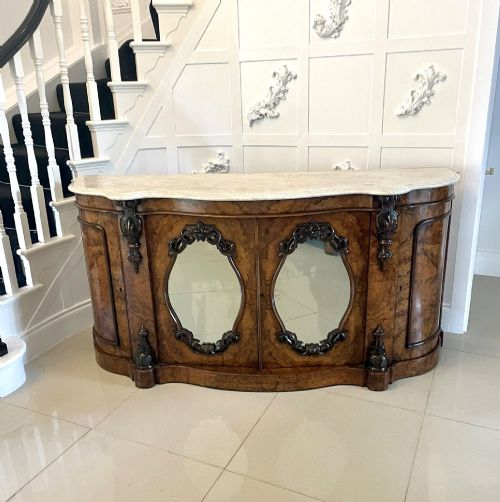
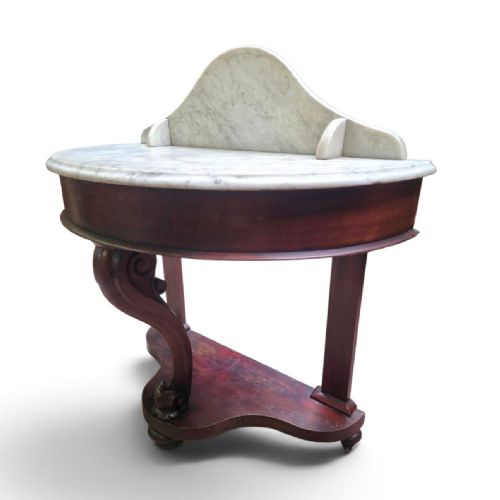
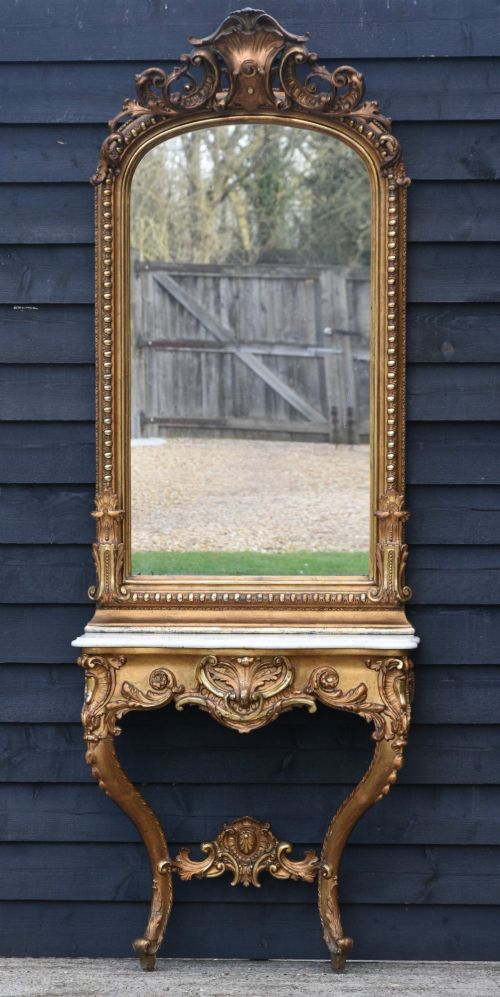
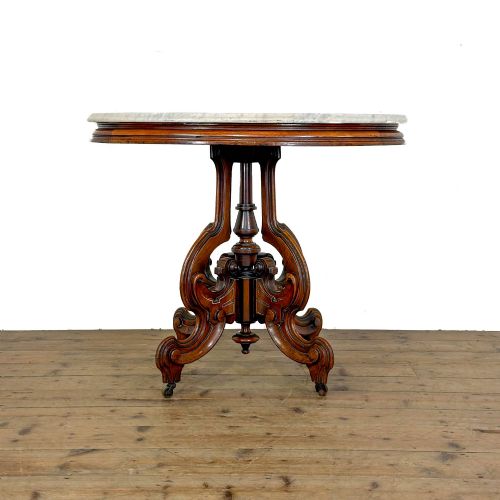
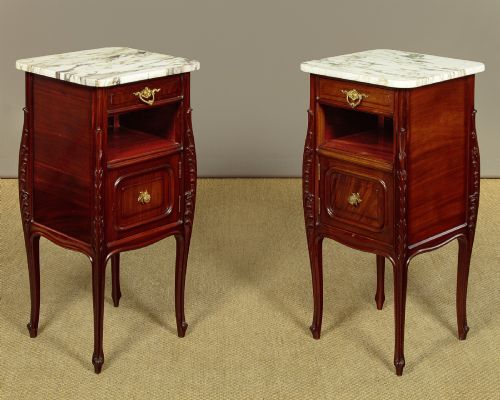
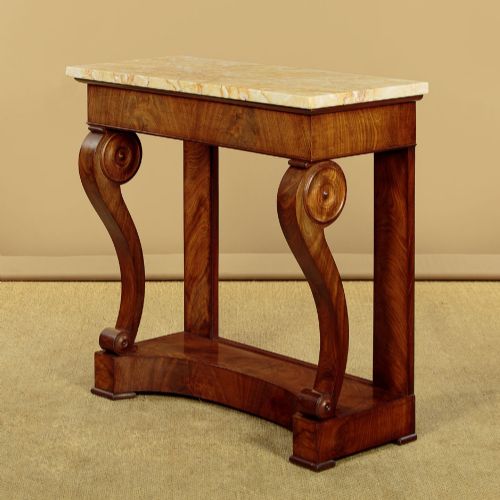
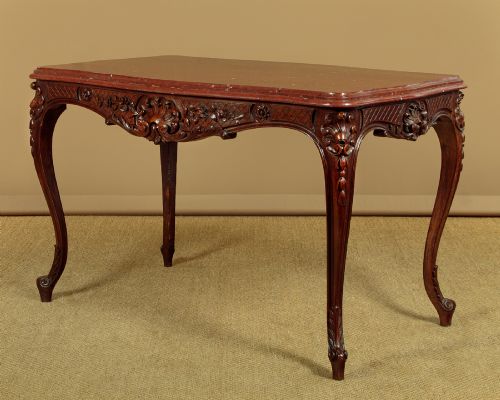
Buyers encountering this search phrase find a mix of decorative figures, animal subjects, and functional tables or credenzas. Console tables, centre tables, and bedside cabinets frequently incorporate inset marble surfaces alongside carved wood structures.
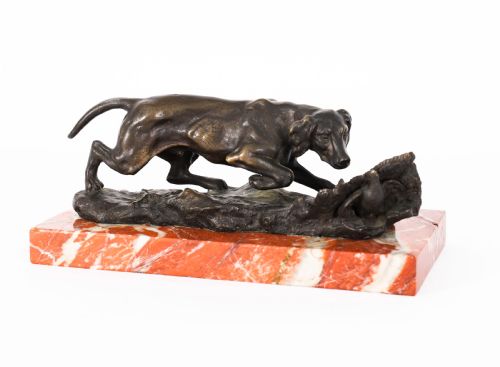
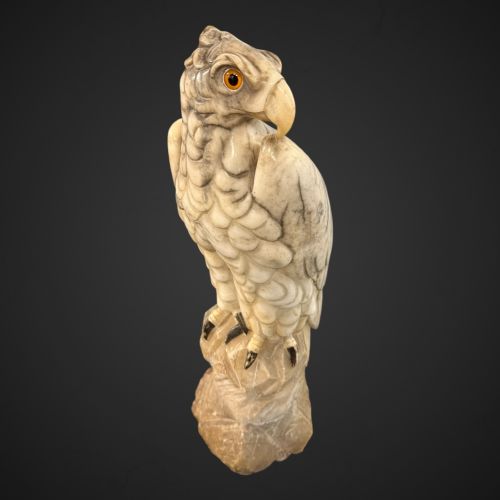
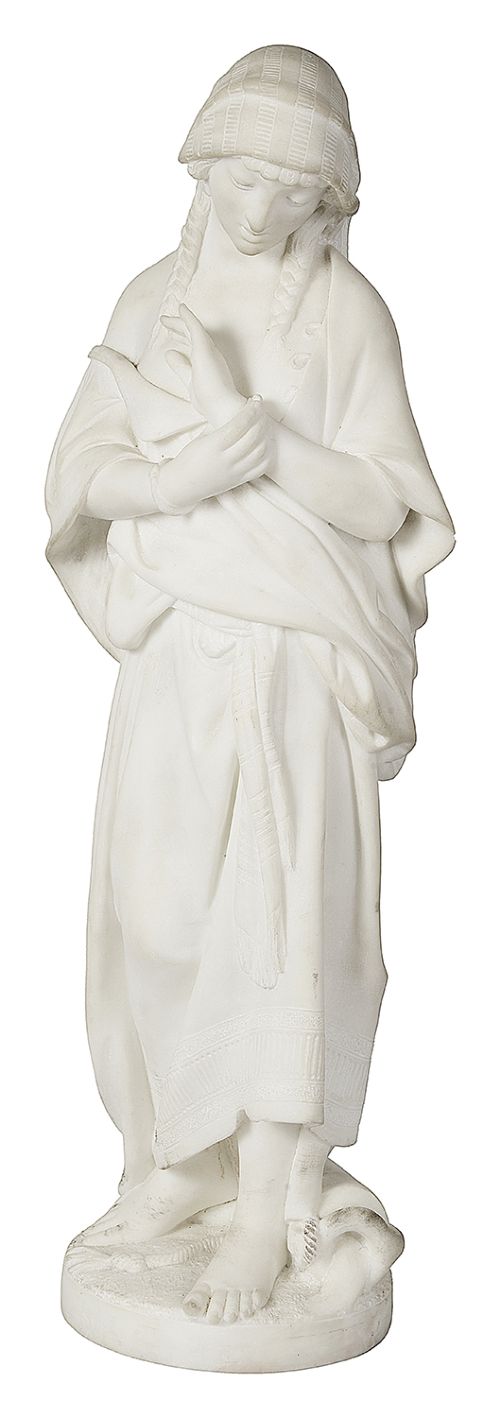
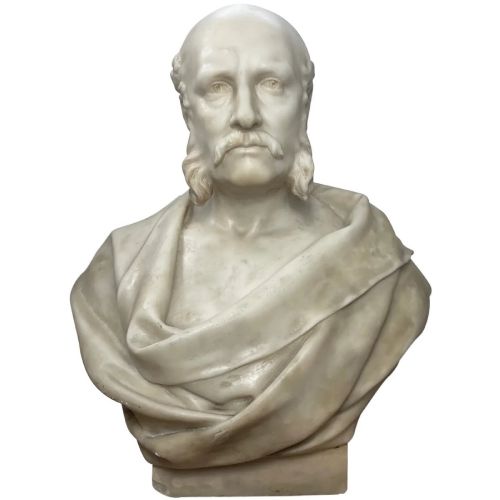
Figural works include portrait busts of historical figures, mythological subjects, and genre studies of children or foreign figures. Sculptural items range from small animal bronzes with stone elements to monumental civic portraiture.
Materials and Construction
Makers shaped these objects using dense stones such as white marble, veined Carrara marble, red serpentine, and Ashford coral marble. Supporting furniture frames utilise timbers including mahogany, walnut, burr walnut, and oak.
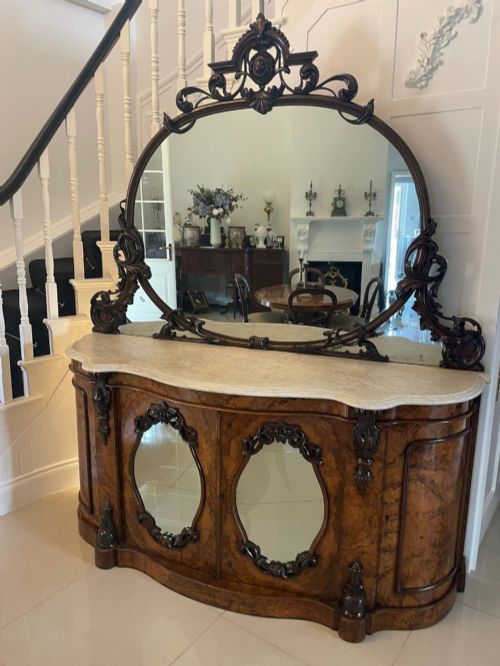
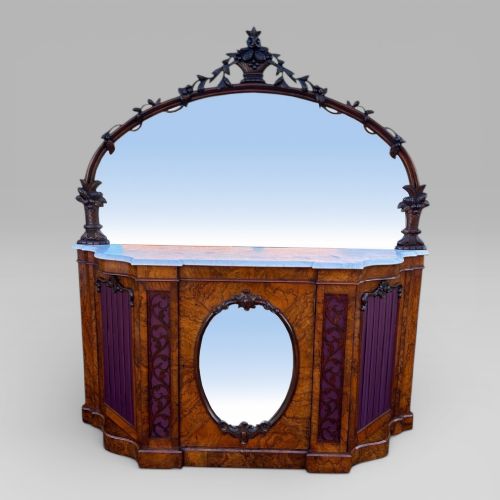
Carving required rigorous hand-chiselling and polishing techniques to achieve smooth drapery, lifelike facial expressions, and high-gloss table surfaces. Cabinetmakers combined these stone tops with intricate wood carving, ormolu mounts, and mirrored backings on large credenzas.
Judging Quality and Execution
Execution separates standard utility items from masterwork sculptures and grand furniture commissions. Finer portrait busts capture subtle musculature, hair texture, and emotional depth in the stone.
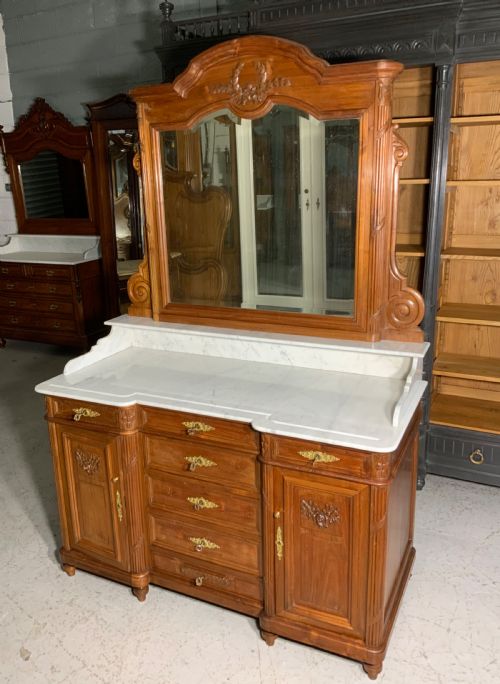
Furniture quality depends upon the selection of timbers like burr walnut or figured mahogany, balanced proportions, and the integration of heavy stone slabs. Well-executed pieces show precise joints and crisp wood carving alongside perfectly fitted marble tops.
Carl Kauba·Barranti·J Francis
The Victorian Marble Carving Glossary
- Credenza
- A decorative sideboard or cabinet used in Victorian reception rooms, frequently fitted with a marble top and mirrored back. These large pieces combined display space with enclosed storage.
- Gueridon
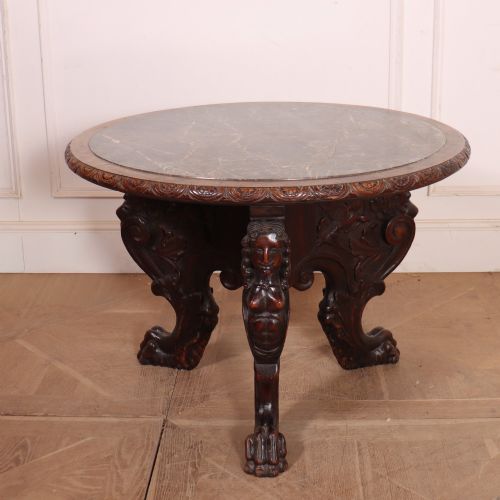
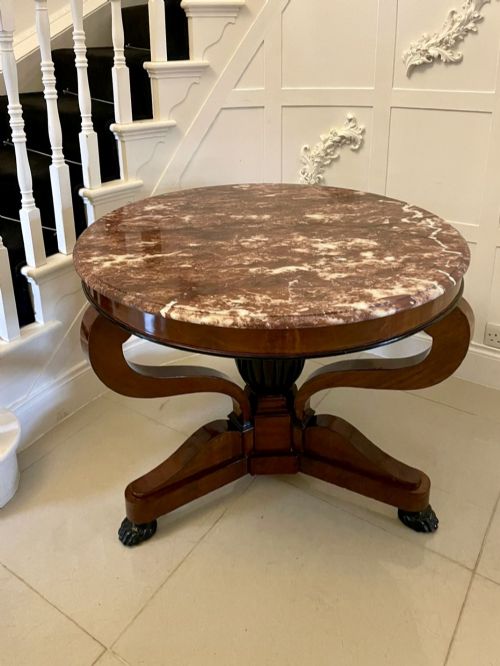
- A small round centre table supported by a central pillar or multiple legs, often featuring an inset marble top. Originating in France, these tables served ornamental functions in the parlour.
- Serpentine marble
- A rich green or red decorative stone with mottled patterns resembling serpent skin. It took a high polish and appeared frequently in Victorian obelisks and architectural ornaments.
- Tazza
- A shallow ornamental vase or cup raised on a stem and foot. In marble work, these decorative vessels showcased the colour and grain of specific stone varieties.
- Animalier
- A nineteenth-century artistic style focusing on realistic depictions of animals. Sculptures in this manner captured beasts in naturalistic poses.
Victorian Marble Carving: Frequently Asked Questions
What is a Victorian marble-topped table used for?
These tables served various domestic functions in nineteenth-century drawing rooms and hallways. Centre tables and console tables provided a sturdy, heat-resistant surface for lamps and decorative objects.
The cool stone top also made these tables practical surfaces for serving drinks or displaying ornamental plants and bronze sculptures.
How do I identify a Victorian marble bust?
Victorian marble busts typically depict historical personages, mythological figures, or idealised children and foreign subjects. They often rest on integrated stone plinths and may bear carved signatures or dates from the nineteenth century.
The carving technique relies on hand-chiseled detailing in the hair and drapery, distinguishing nineteenth-century work from later machine-finished reproductions.
Where were marble bedside cabinets placed?
Bedside cabinets with inset marble tops stood in high-status Victorian bedrooms. The stone surface offered a hygienic, easily cleaned area for water jugs and nighttime accessories.
Cabinet structures in walnut or mahogany matched the larger bedroom suites popular during the mid-to-late nineteenth century.
What distinguishes an Ashford marble tazza?
Ashford marble pieces utilise inlay techniques with local calcites and minerals rather than solid quarried marble blocks. These items display geometric or floral patterns composed of multicoloured stone fragments.
Originating in Derbyshire, these decorative objects highlight nineteenth-century lapidary skill through precise cutting and polishing.