
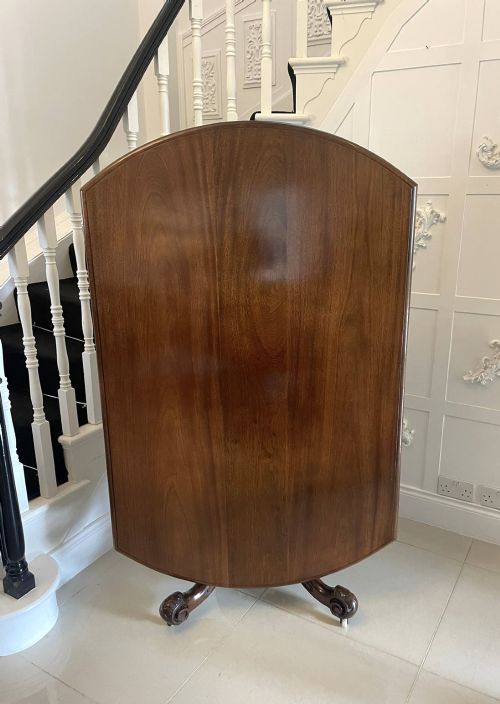

Victorian Mahogany Tilt Top Table
When you search for a victorian mahogany tilt top table, you are looking at practical nineteenth-century engineering designed to fold away when space mattered.
Victorian Mahogany Tilt Top Table
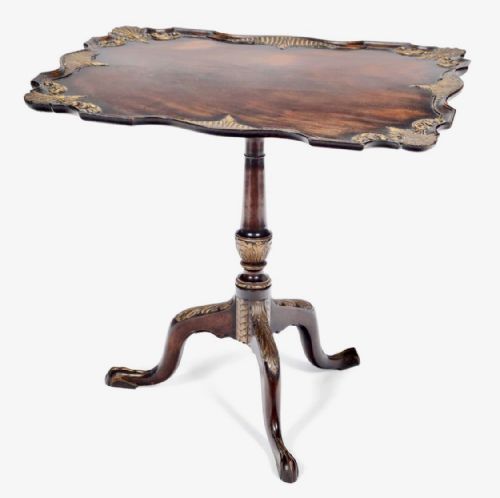
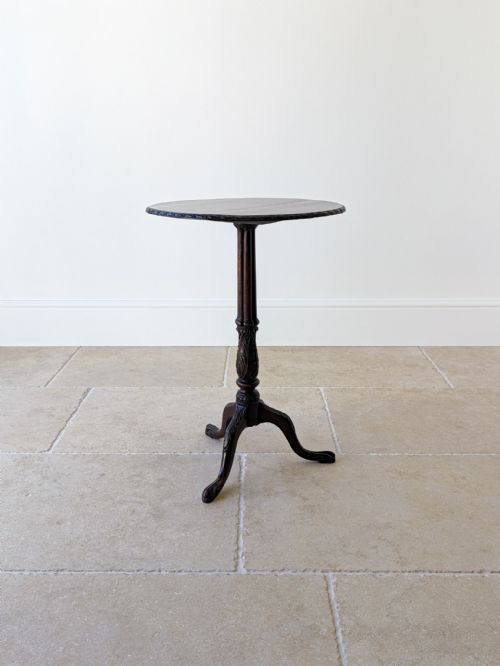
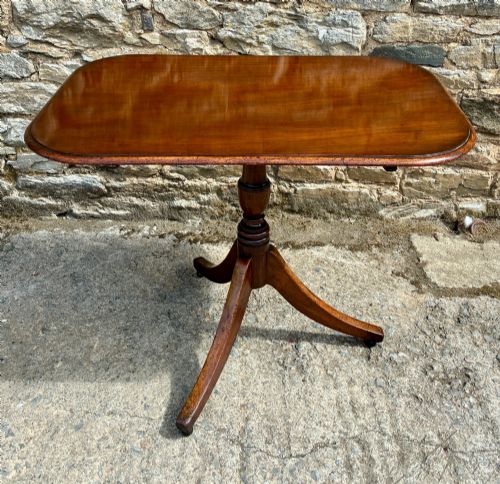
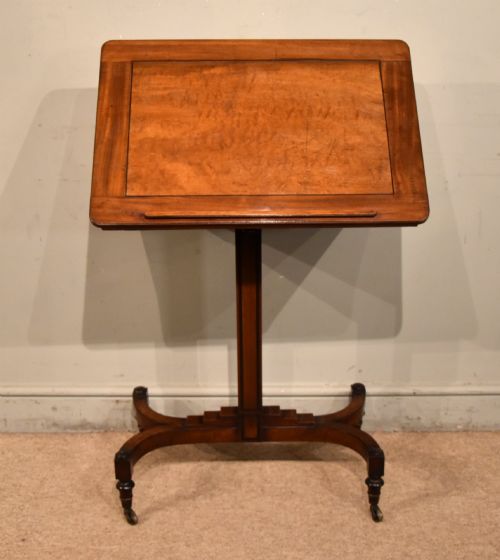
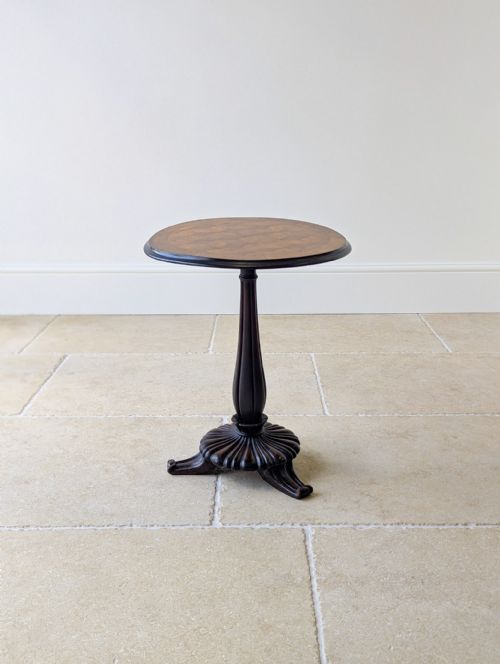
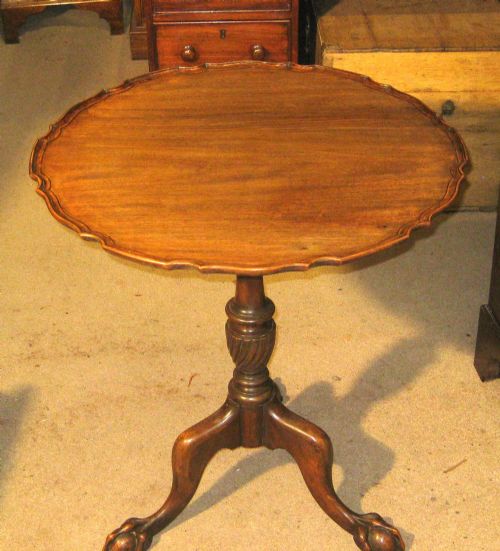
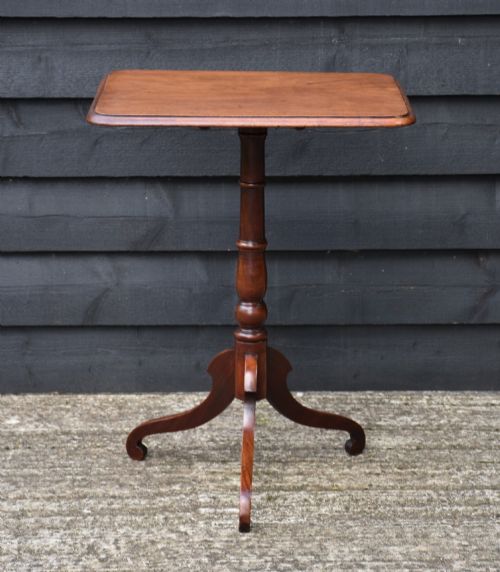
A victorian mahogany tilt top table brings together nineteenth-century craftsmanship and domestic utility through a clever mechanism that allows the surface to tilt vertically. You will find these pieces spanning the Victorian and Regency periods, shaped as circular breakfast tables, occasional tables, and compact tripod wine tables.
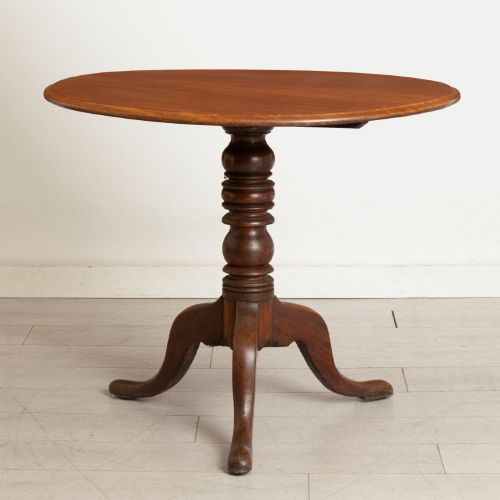
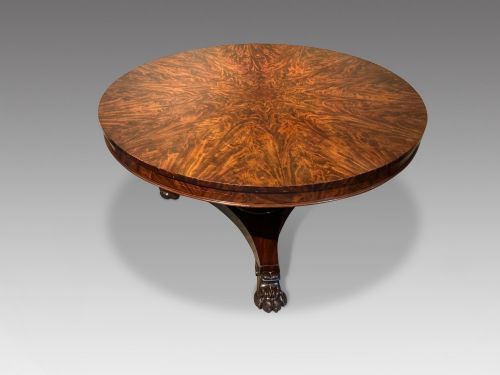
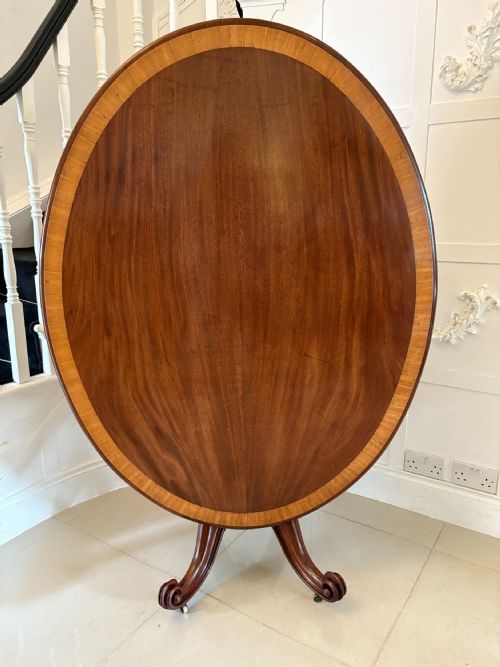
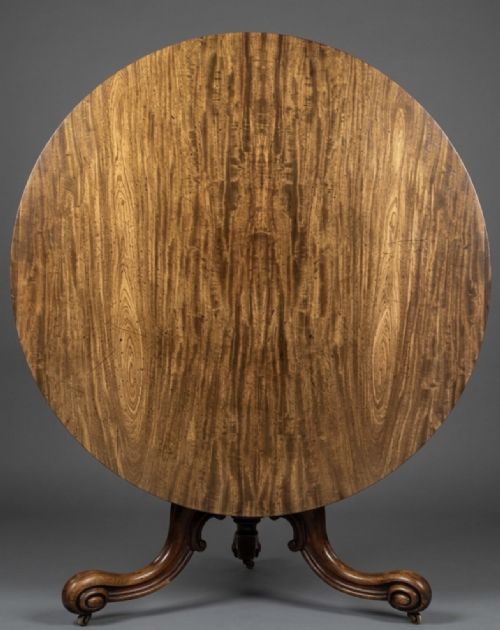
The form ranges from small candle stands and wine tables resting on tripod bases to large oval and round dining tables supported by a central pedestal. Most examples rely on solid mahogany or flame mahogany veneer, often displaying the deep reddish-brown tone characteristic of the era.
How they were made
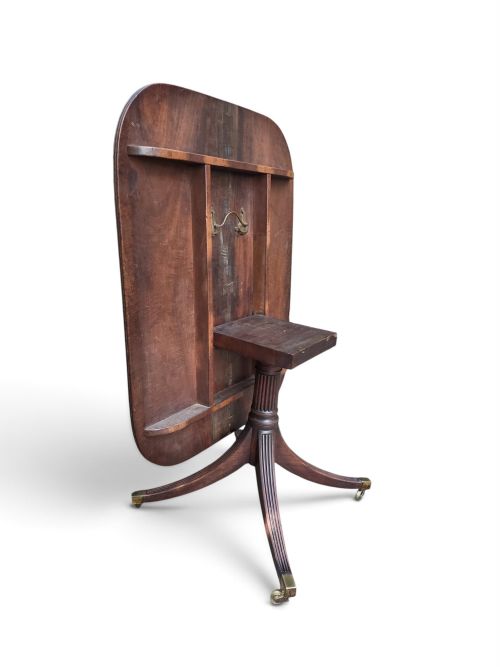
Cabinet makers built these pieces using solid mahogany and flame mahogany veneer applied to secondary timbers like oak, frequently mounting the tops onto turned pedestals with tripod or triform bases. Brass catches and locking mechanisms allowed the surface to pivot and snap securely into a horizontal position.
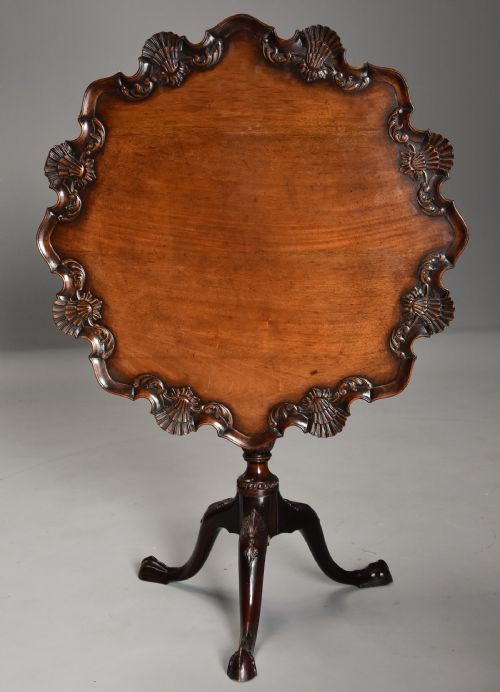
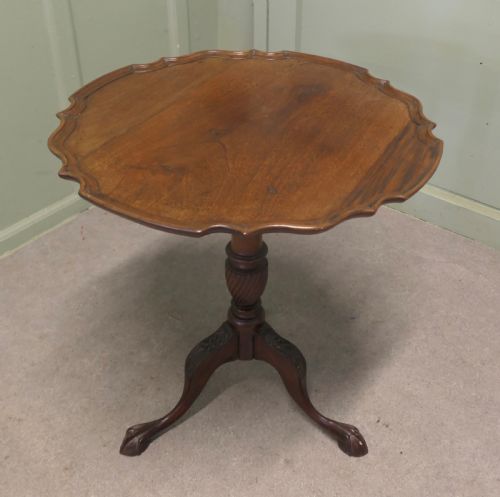
Carved details appear on pedestals and borders, ranging from parcel gilding and piecrust edges to plain moulded rims. Selected pieces incorporate brass fittings, walnut elements, or specimen wood inlays to accent the primary mahogany structure.
Listings feature mahogany, walnut, rosewood, and oak, with occasional touches of brass and specimen wood across nineteenth-century forms.
What varies in quality
The distinction between standard utility pieces and finer examples rests on the selection of timber, particularly the grain movement found in flame mahogany veneer and solid figured timber. Superior craftsmanship shows in the crispness of hand-carved tripod legs and the smooth operation of the tilt and snap mechanism.
Proportion and stability dictate the standing of a piece within the range, where well-balanced pedestals and tight joinery separate carefully executed workshop production from heavier, plainer furniture.
The Victorian Mahogany Tilt Top Table Glossary
- Tilt top
- A table mechanism featuring a hinged block that allows the circular or oval surface to rotate upright against the pedestal when not in use. This design saved floor space in nineteenth-century rooms.
- Tripod base
- A support structure featuring three spreading legs attached to a central turned column. It provides steady contact on uneven floors.
- Flame mahogany
- A veneer cut from the fork of the mahogany tree where the branch meets the trunk. It creates a fiery, rippled pattern across the tabletop.
- Piecrust edge
- A raised, decoratively carved wooden rim shaped in undulating curves around the perimeter of a circular tabletop. This style draws on eighteenth-century revival designs.
- Snap top
- A spring-loaded brass catch or latch fitted beneath the table that locks the surface securely into the horizontal position. It prevents the top from tipping accidentally during use.
Victorian Mahogany Tilt Top Table: Frequently Asked Questions
What was a tilt top table used for?
These tables served multiple functions in nineteenth-century homes, acting as breakfast dining surfaces, reading stands, or lamp tables depending on their scale. The tilting mechanism allowed servants or homeowners to store the furniture flat against a wall when the room was needed for other activities.
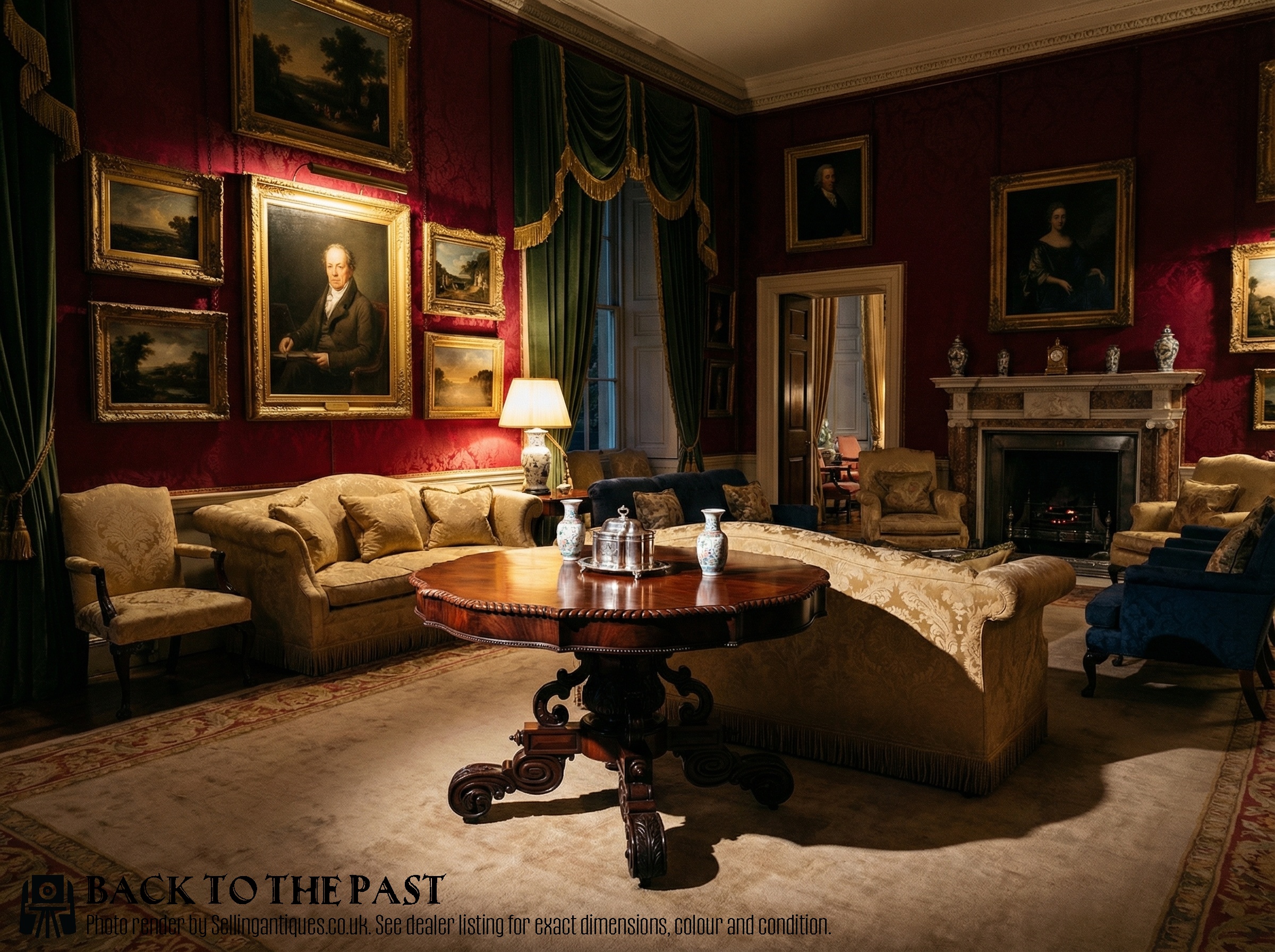
Smaller tripod versions moved easily beside chairs for holding drinks or sewing work, while larger breakfast and centre tables anchored the middle of principal reception rooms.
How do I spot a genuine Victorian example?
Examine the timber underneath the top and inside the pedestal block for the dark patination, tool marks, and secondary woods consistent with nineteenth-century cabinet making. Genuine pieces show honest wear around the pivot mechanism and hand-turned joints rather than modern metal brackets.
Consider the proportions and the grain of the mahogany, which should display the natural warmth and depth developed through decades of polishing.
Can I use a tilt top table every day?
These tables adapt well to modern living because their folding mechanism remains as practical today as it was in the nineteenth century. They function effectively as occasional coffee tables, side tables, or dining surfaces in smaller spaces.
Take care to use coasters and avoid placing them in direct sunlight or beside heat sources to protect the polished mahogany surface and veneer.
How do Regency and Victorian tables differ?
Regency pieces often display cleaner classical lines influenced by earlier Georgian styles, sometimes featuring brass inlay, rosewood accents, or bolder geometric pedestals. Victorian versions tend towards heavier carved tripod bases, figured flame mahogany veneers, and more ornate moulded edges.
Both periods share the characteristic tilt top function, but the decorative vocabulary shifts from restrained Regency elegance to more substantial Victorian forms.