
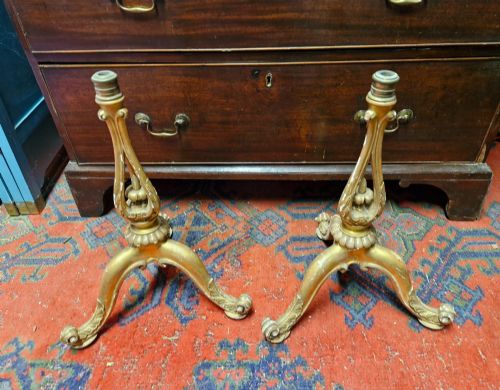


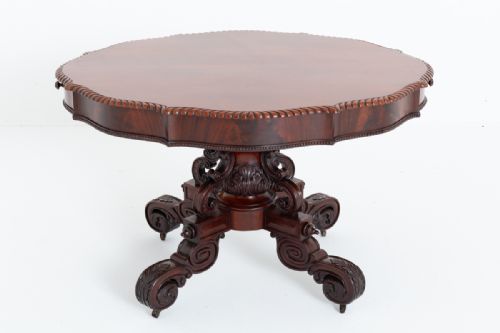


Carved Acanthus Leaf Table
These carved acanthus leaf table selections bring classical foliage motifs into domestic spaces through rich timber and gilt work.
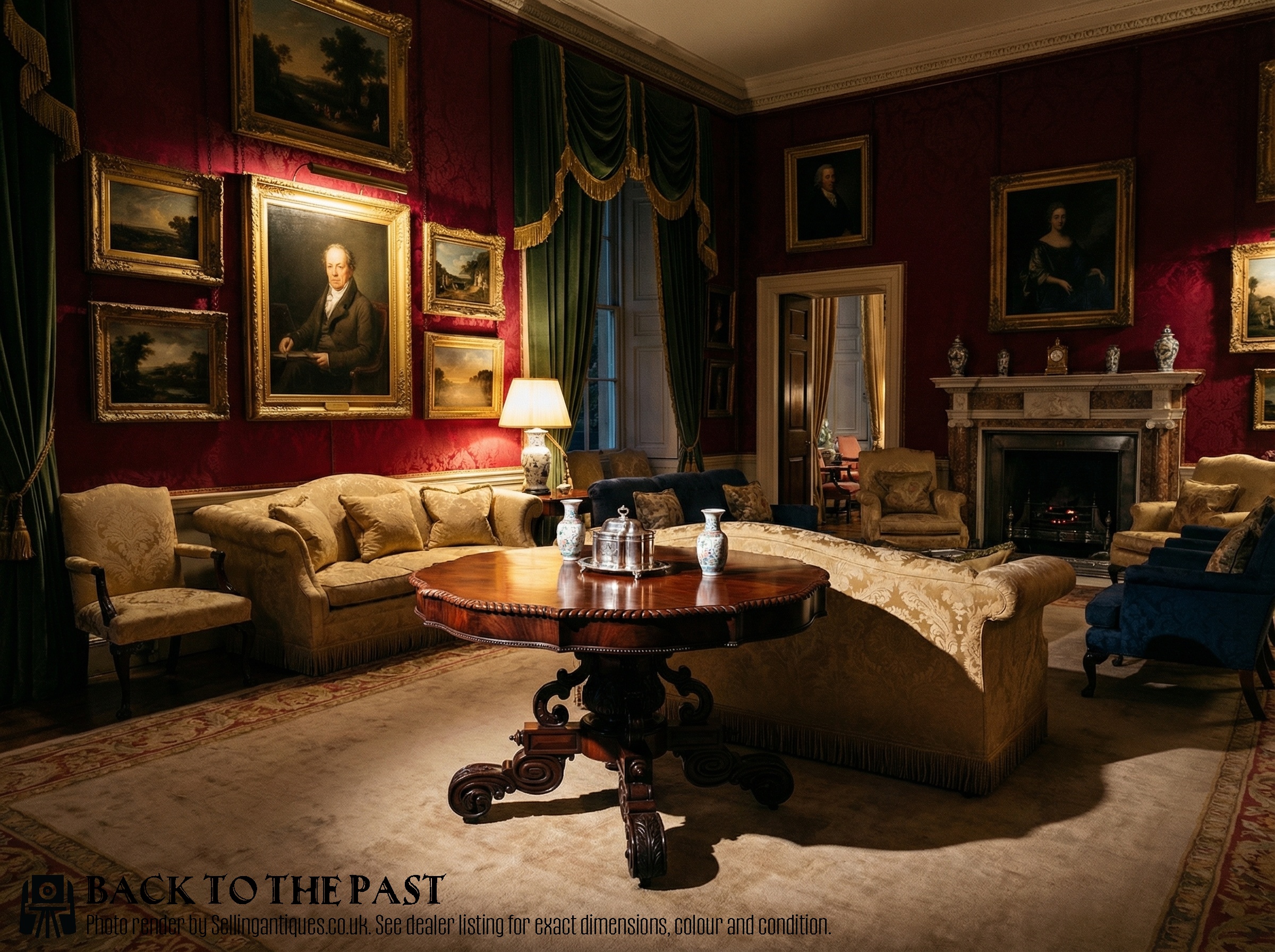
Carved Acanthus Leaf Table
A carved acanthus leaf table brings classical botanical relief work into the domestic interior, drawing on centuries of historical ornament. These pieces typically manifest as centre tables, side tables, and occasional furniture rooted in revivalist and classical traditions.
The selections span distinct historical periods including the eighteenth century, Regency era, and Victorian epoch. Buyers encounter forms ranging from Italian lime wood Baroque creations with marble tops to mahogany centre tables bearing Georgian and French stylistic influences.
Origins stretch across European workshops, demonstrating the enduring appeal of acanthus foliage carved into timber and finished with giltwood, gesso, or polish. Each item balances functional surface area with sculptural legwork or frieze decoration.
Materials and construction methods
Craftsmen utilised dense hardwoods such as mahogany and lime wood to carve intricate leaf scrolls and floral relief without splintering. These timbers provided the stable structural core necessary for heavy marble tops or cantilevered tripod bases.
Surface enhancement often involved the application of gold leaf, silver leaf, or gesso over carved wood to catch the light and accentuate the depth of the foliage. Joinery techniques relied on traditional pegging and mortise joints to support the weight of stone surfaces and heavy pedestals.
Distinctions in craftsmanship and design
The crispness and depth of the hand carving separate simpler production from superior execution, with finer pieces exhibiting sharp undercut foliage and naturalistic movement. Shallower, softer moulding indicates hurried workshop execution or later mechanical smoothing.
The selection of raw materials heavily dictates overall calibre, particularly the presence of figured mahogany, flawless lime wood, or substantial genuine marble tops rather than thin veneers. Integration between the structural frame and the decorative acanthus elements determines visual harmony.
The Carved Acanthus Leaf Table Glossary
- Acanthus
- A classical ornamental motif derived from the Mediterranean plant of the same name, featuring deeply lobed leaves used extensively in architectural and furniture carving. It forms the defining decorative feature of these pieces.
- Giltwood
- Timber that has been coated with thin sheets of gold leaf over a prepared base of gesso and bole. This technique gives frames and tables a brilliant metallic sheen.
- Centre table
- A freestanding piece of furniture designed to be viewed from all sides, usually placed in the middle of a room rather than against a wall. They often feature elaborate pedestal bases and carved friezes.
- Gesso
- A plaster-like mixture applied to wood surfaces as a smooth preparation layer before gilding or painting. It holds fine detail well under the carver's tools.
Carved Acanthus Leaf Table: Frequently Asked Questions
What rooms suit a carved acanthus leaf table?
These tables find natural placement in hallways, drawing rooms, or studies where their sculptural bases provide a strong visual anchor. Their classical ornamentation complements traditional interiors and adds historical contrast to modern minimalist spaces.
Positioning them away from walls allows the carved details on the legs and pedestals to be fully appreciated from multiple angles.
How do I care for giltwood and carved timber?
Dusting gently with a dry, soft brush prevents particle buildup within the deep recesses of the acanthus carvings without abrading the delicate gold leaf or polished wood surface. Moisture and direct sunlight should be avoided to protect both the timber and the historical finishes.
Polishing should be kept to a minimum and restricted to un-gilded wooden surfaces using appropriate natural waxes.
How can I tell different historical periods apart?
Georgian and Regency examples tend to utilise rich mahogany with restrained, architectural leaf carving, whereas Victorian and revival pieces often display heavier proportions and deeper relief. Italian Baroque and French styles from the eighteenth and nineteenth centuries frequently incorporate dramatic curves, gilt finishes, and contrasting marble tops.
Examining the tool marks and the oxidation of the underlying wood helps confirm the age of the construction.
Are marble top tables difficult to maintain?
Marble surfaces require prompt wiping of liquid spills to prevent staining, particularly from acidic substances like wine or citrus juice. Using coasters and protective mats preserves the polished stone without obscuring the natural figuring.
Regular cleaning with a damp cloth and mild, neutral soap keeps the stone surface secure within its wooden frame.