



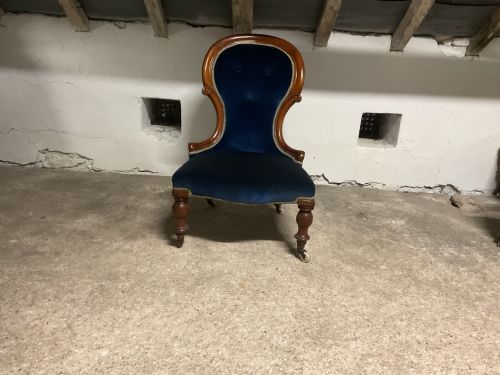
Victorian Mahogany Seating
Victorian mahogany seating brings solid timber and rich grain to your interior, offering sturdy utility paired with nineteenth-century craftsmanship.
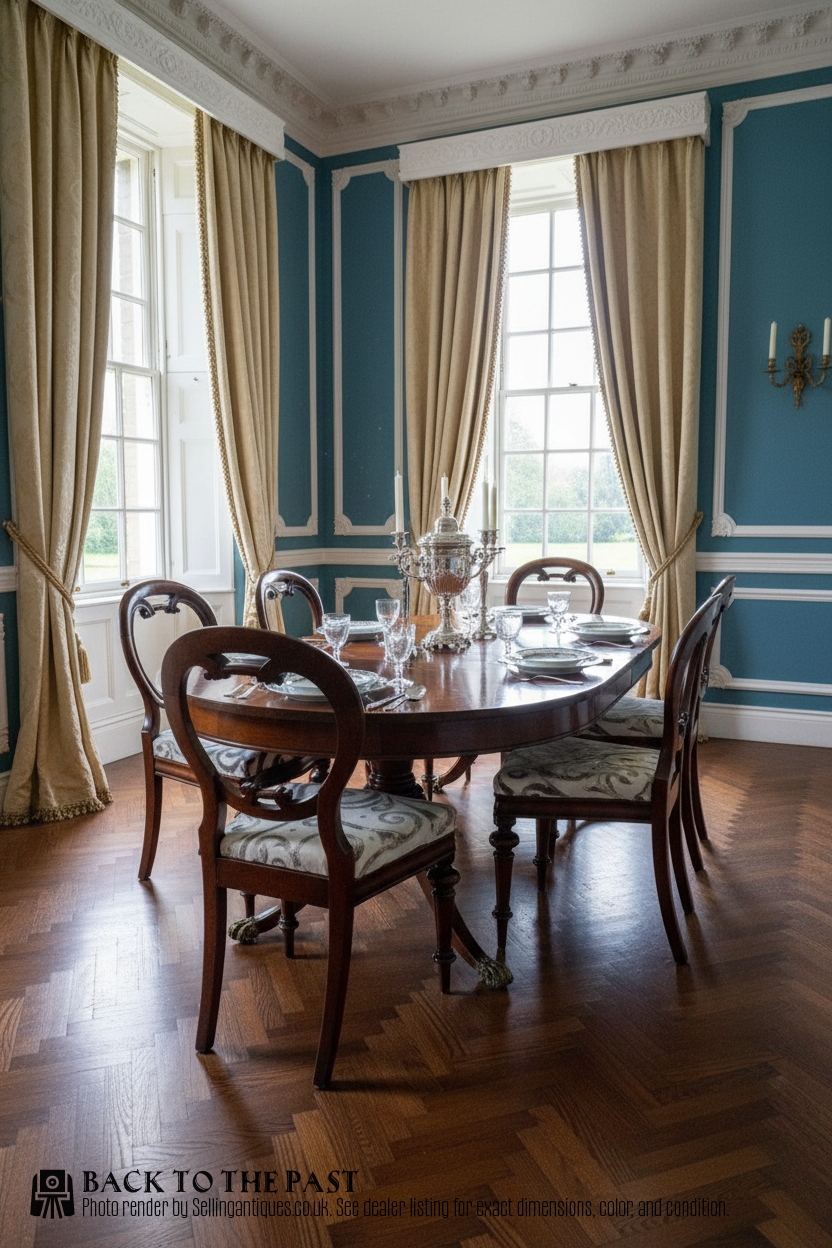
Victorian Mahogany Seating
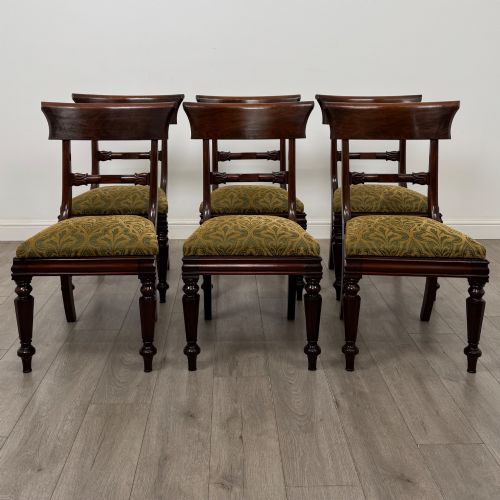
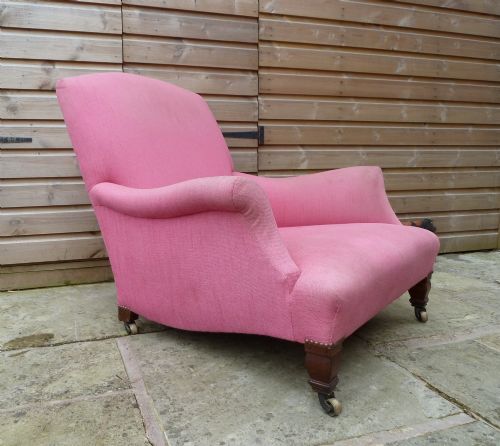
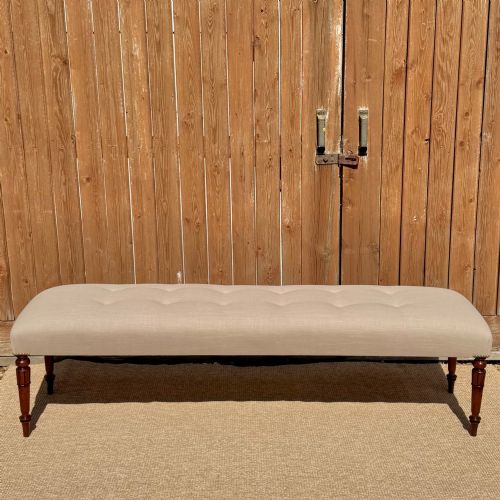
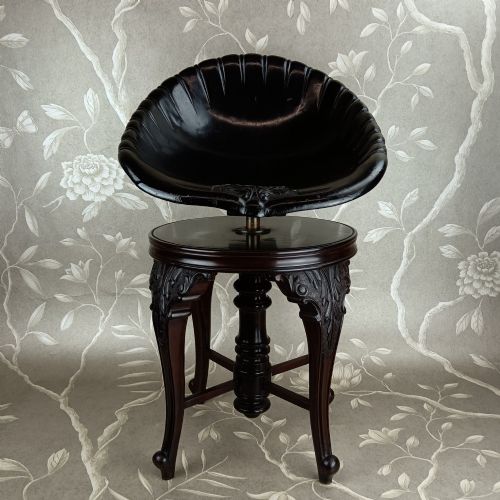
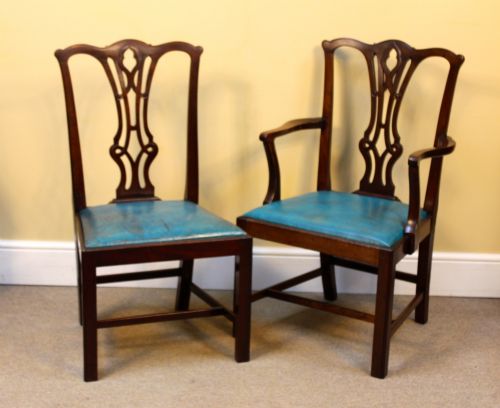
Victorian mahogany seating encompasses dining chairs, hall chairs, and stools rendered in dense tropical hardwood. These pieces stem from the nineteenth century, including specific dates around eighteen-sixty and eighteen-eighty.
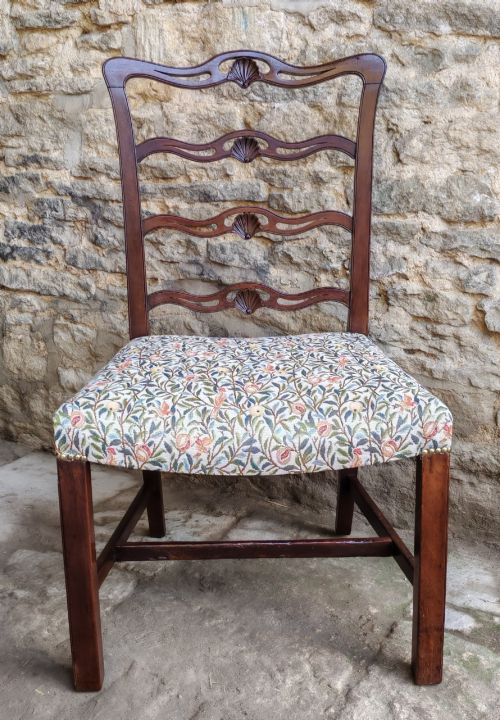
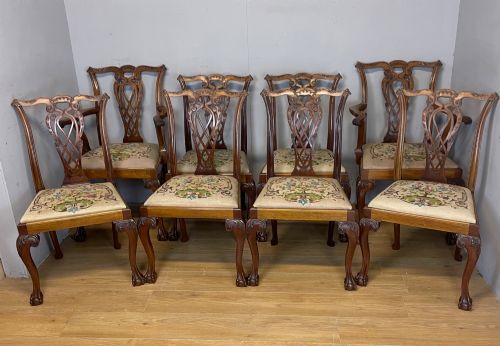
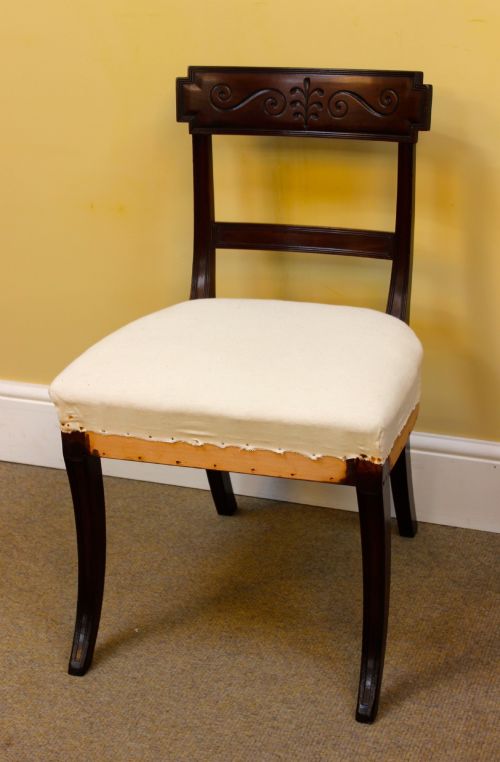
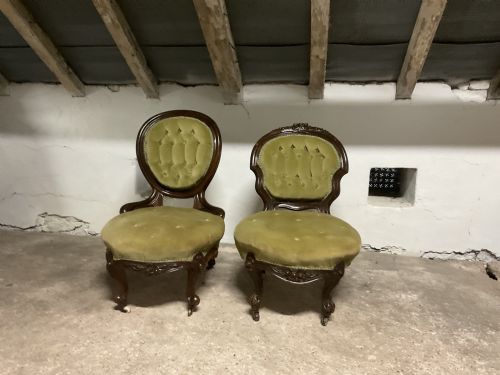
Dining chairs arrive frequently in sets, featuring balloon backs or crown splat and bar back configurations. Hall chairs and dressing stools round out the selection, providing versatile utility for domestic spaces.
How They Were Made
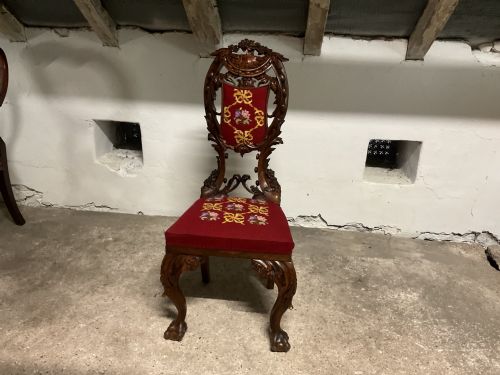
Workshops utilised solid mahogany timber to construct sturdy frames capable of withstanding daily use. Woodworkers shaped curved balloon backs and carved upright supports using traditional joinery methods.
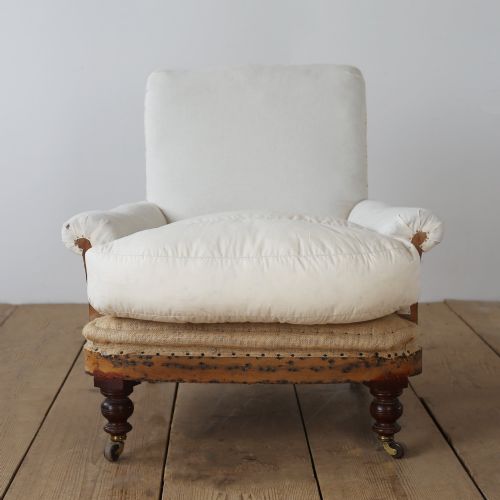
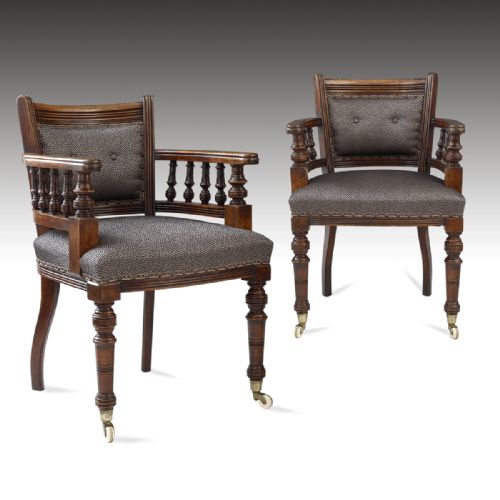
Upholstered items incorporate fabric, velvet fabric, and textile coverings secured with brass tacks and finished with braid trim. Dressing stools and specific chair seats rely on these soft textiles combined with wooden frames.
Victorian Mahogany Seating Retail Price Guide 2026
Typical asking prices for victorian mahogany seating among the pieces listed under this phrase on Sellingantiques today, from the lower quarter to the upper quarter. They describe what is for sale here now, not the wider market.
Current listings feature Victorian pieces in solid mahogany, incorporating velvet fabric upholstery, brass accents, and braid trim across dining chairs, hall chairs, and stools.
What Varies in Quality
Quality shifts according to the scale of the set and the intricacy of the timber shaping. Matching sets spanning six, fourteen, or smaller groupings demand greater uniformity in wood grain and construction than single items.
The refinement of carved details on balloon backs and crown splats distinguishes standard utility items from more ambitious nineteenth-century workshops. Surviving upholstery elements and brass detailing also influence the overall character of the piece.
James Reilly
The Victorian Mahogany Seating Glossary
- Balloon back
- A chair back shaped in a continuous curved oval resembling a balloon. This form gained immense popularity during the Victorian era.
- Crown splat
- The central vertical wooden strip within a chair back decorated with carved crown motifs. It provides structural support whilst adding ornamental detail.
- Hall chair
- A rigid wooden seat traditionally placed in entrance halls rather than dining rooms. These pieces often feature solid timber seats without upholstery.
- Mahogany
- A durable reddish-brown tropical hardwood prized for its stability and rich grain. It served as the primary material for formal nineteenth-century furniture.
- Braid trim
- A woven textile border applied to the edges of upholstered seats. It conceals tack heads and neatens the transition between fabric and wood.
Victorian Mahogany Seating: Frequently Asked Questions
Are these dining chairs comfortable for daily use?
Victorian dining chairs feature supportive wooden backs, such as balloon or bar back designs, designed for upright posture during meals.
Many examples include upholstered seats covered in velvet or fabric to add a softer layer for sitting.
How do I identify a hall chair?
Hall chairs are constructed entirely from solid mahogany without upholstered seats or cushions. They were designed for entrance spaces and feature carved wooden panels.
Their rigid build and decorative backs distinguish them immediately from dining chairs and dressing stools.
What dates are common for this seating?
The pieces originate from the nineteenth century, specifically spanning the Victorian period. Common dates mentioned include eighteen-sixty and eighteen-eighty.
Late nineteenth-century examples also appear alongside mid-Victorian productions.
How do I care for mahogany frames?
Mahogany requires minimal maintenance beyond dusting with a dry cloth to protect the polished timber surface. Avoid placing wooden furniture near direct heat sources to prevent timber splitting.
Upholstered sections benefit from gentle brushing depending on the specific textile used.