
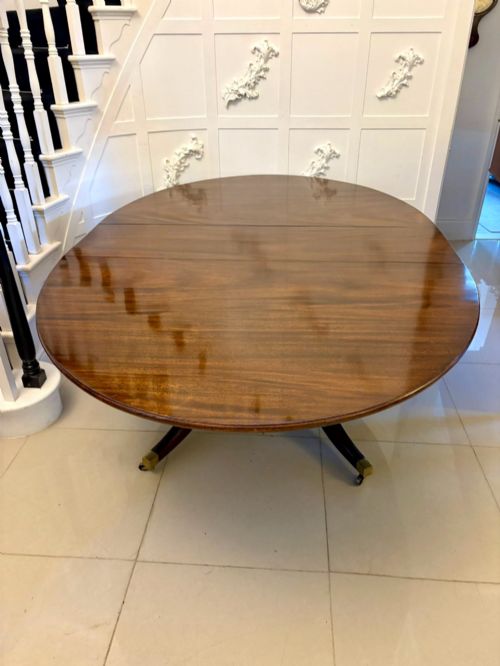
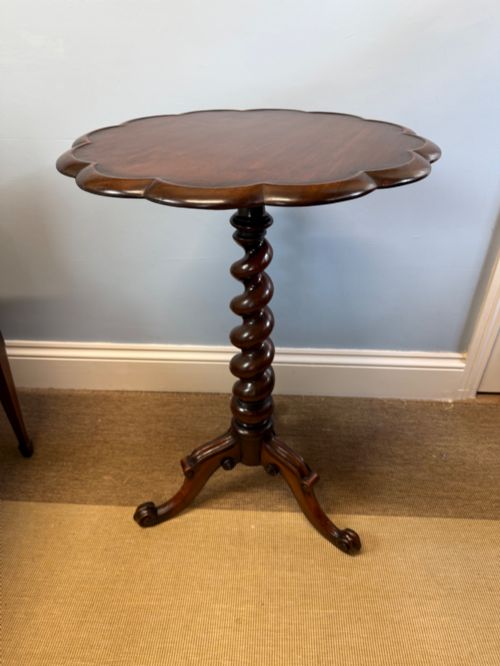
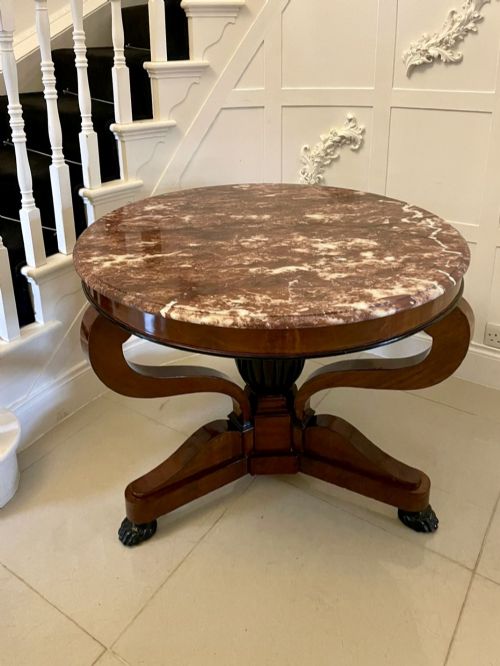
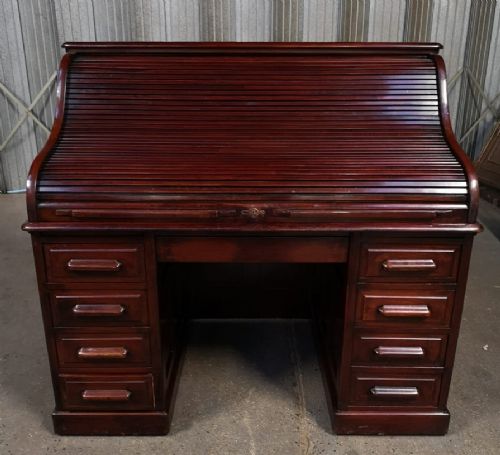
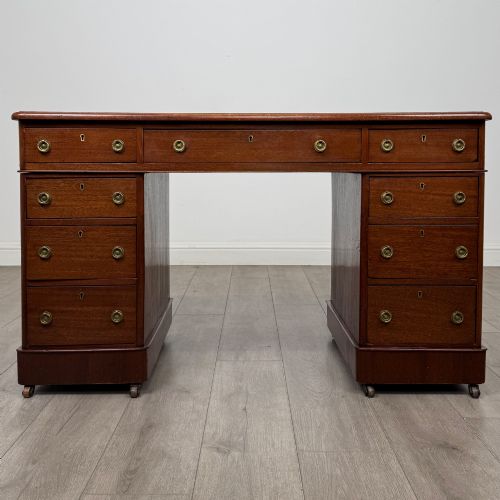
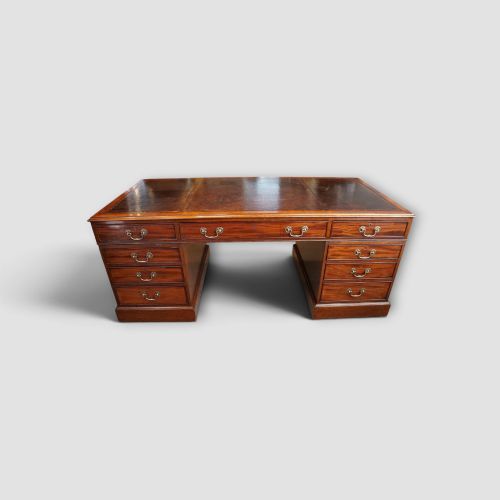
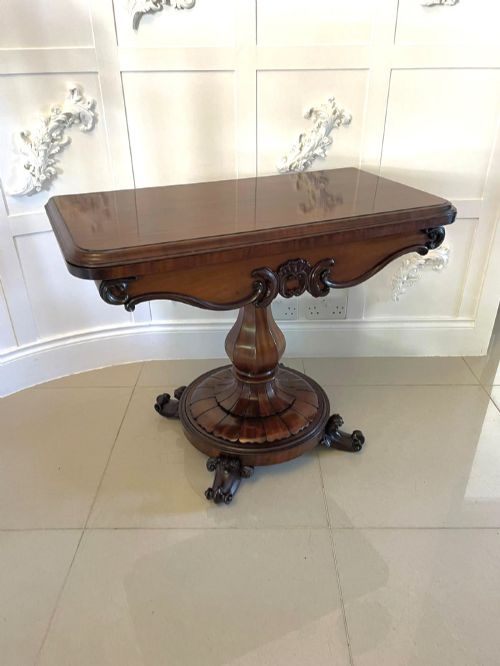
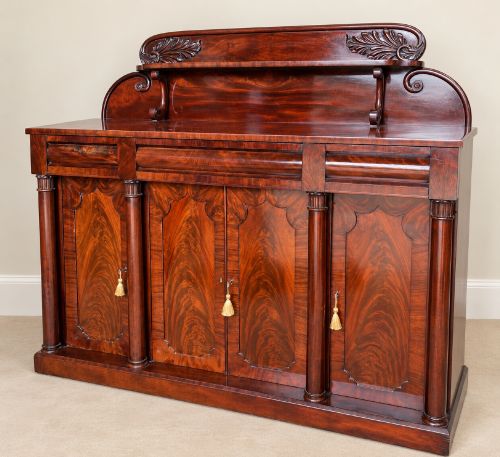


Victorian Mahogany Pedestal Table
When you search for a victorian mahogany pedestal table, you discover sturdy timber forms designed to anchor a room with functional grace.

Victorian Mahogany Pedestal Table
A victorian mahogany pedestal table brings together nineteenth-century utility and solid timber construction, appearing in forms ranging from small wine tables to large dining pieces and writing desks.
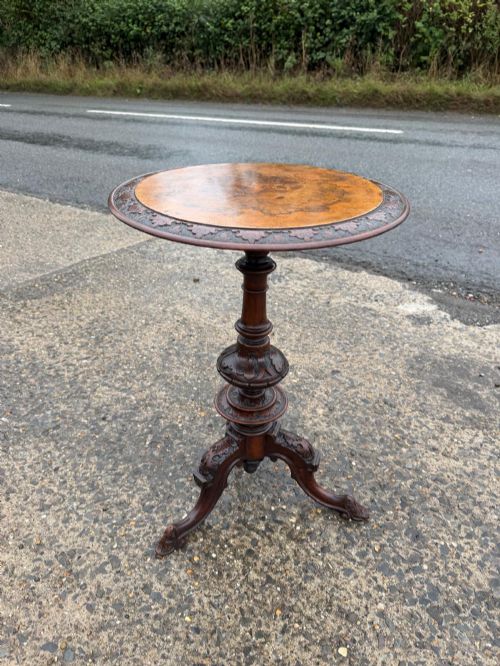
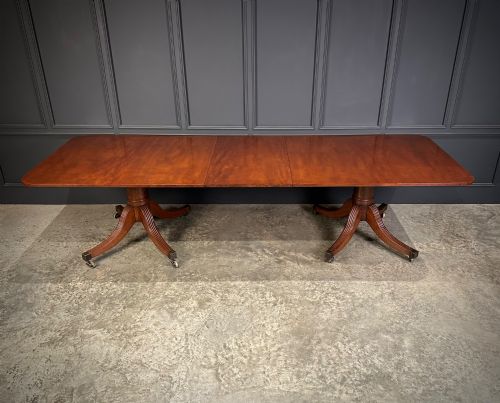
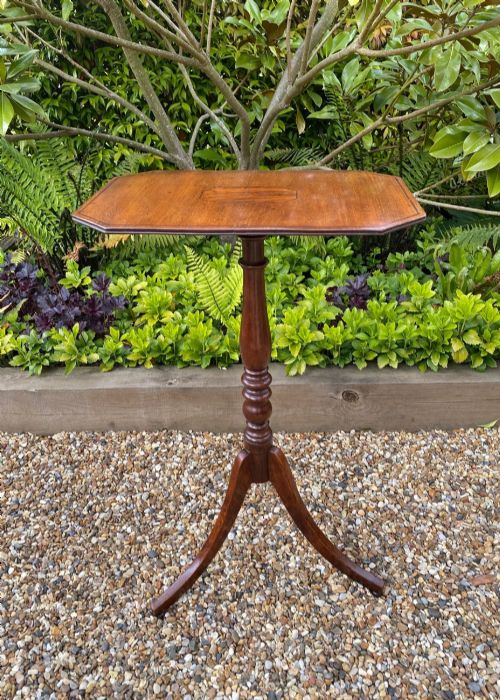
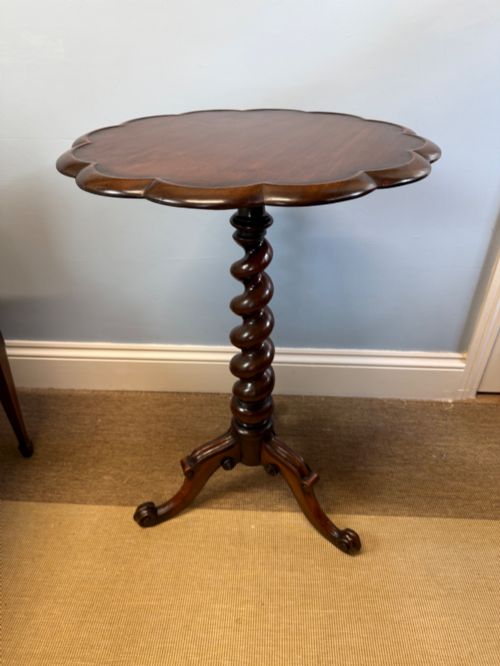
Buyers frequently encounter circular breakfast tables, wine stands with tripod bases, and twin-pedestal dining formats originating across the Victorian period and the wider nineteenth century.
The selection includes specialised variations such as centre tables, reading stands, and dressing furniture built upon central columns or multiple pedestals.
Materials and Technique
Cabinet makers utilised solid mahogany and flame mahogany veneers over secondary woods, frequently pairing the rich timber with brass mounts, leather inserts, or marble tops.
Circular and tilt-top designs relied on robust turned pedestals supported by tripod or platform bases to ensure stability while maintaining decorative grain patterns.
Victorian Mahogany Pedestal Table Retail Price Guide 2026
Typical asking prices for victorian mahogany pedestal table among the pieces listed under this phrase on Sellingantiques today, from the lower quarter to the upper quarter. They describe what is for sale here now, not the wider market.
Listings feature nineteenth-century materials including solid mahogany, flame mahogany veneer, brass, leather, and marble across diverse forms.
Judging Quality
Quality rests in the selection of timber figures, such as flame mahogany or burr wood, and the crispness of any carved detailing on the central pillar and feet.
Superior examples demonstrate precise joinery in the pedestal mounting and smooth mechanical operation in extending dining mechanisms or tilt-top catches.
Trollope and Sons·Edwards and Roberts·Charles Andrea Nosotti
The Victorian Mahogany Pedestal Table Glossary
- Flame mahogany
- A veneer cut from the fork of the tree where branches meet, producing a distinctive flickering flame pattern across the tabletop. This figure was highly prized for grand Victorian reception pieces.
- Tilt-top
- A hinged tabletop mechanism that allows the surface to fold vertical when not in use. This clever engineering saved valuable floor space in smaller nineteenth-century rooms.
- Pedestal base
- A central supporting column rising from feet or a platform to hold the weight of the table. It replaced traditional four-leg corners to allow greater seating freedom.
- Twin pedestal
- A table construction utilising two separate central columns to support a longer surface. This format appears frequently in extending dining tables and partners desks.
- Tripod base
- A three-legged support structure branching from the bottom of a single pillar. It provided stable footing on uneven floors common in historic houses.
Victorian Mahogany Pedestal Table: Frequently Asked Questions
How do I use a tilt top table?
Release the brass catch or wooden wedge beneath the top to pivot the surface flat or vertical. This mechanism allows the furniture to stand compactly against a wall.
Ensure the lock engages securely before placing items back onto the timber surface.
Can these tables be used for daily dining?
Many nineteenth-century examples were built specifically for everyday meals, breakfast gatherings, or tea service. Extending versions accommodate multiple guests easily.
Use heat mats and coasters to protect the polished mahogany finish from moisture and marking.
How do I date a nineteenth century pedestal table?
Examine the construction methods, secondary timbers, and styling cues such as Regency revival influences or deep Victorian carving. Drawer linings and screw types also offer clues to the decade of manufacture.
Compare the piece against documented cabinet maker marks or retailer stamps when present.
How do I care for mahogany surfaces?
Maintain the timber by dusting regularly with a dry cloth and applying natural beeswax periodically to nourish the grain. Avoid placing the furniture near direct heat sources or strong sunlight.
Promptly wipe away liquid spills to prevent staining the polished wood.