


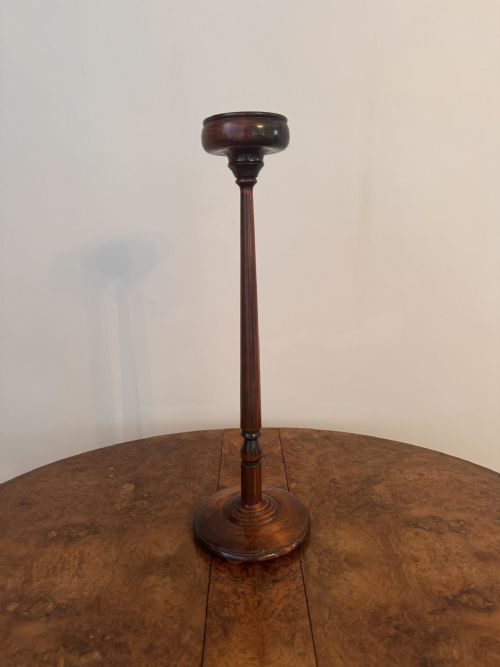
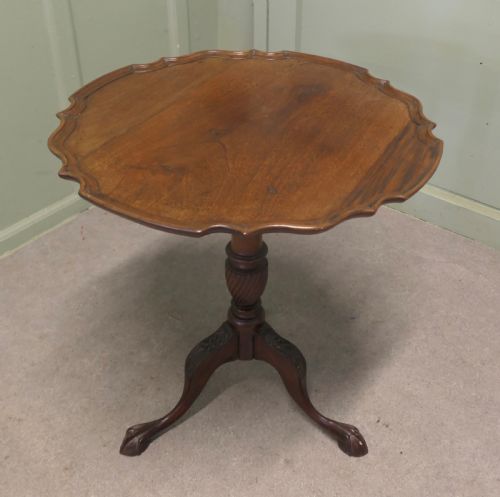
Victorian Mahogany Pedestal Stand
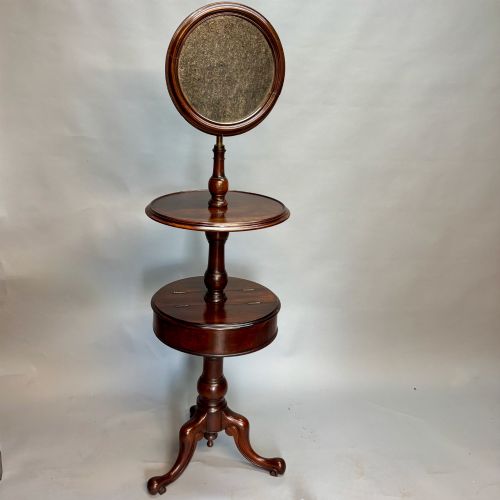
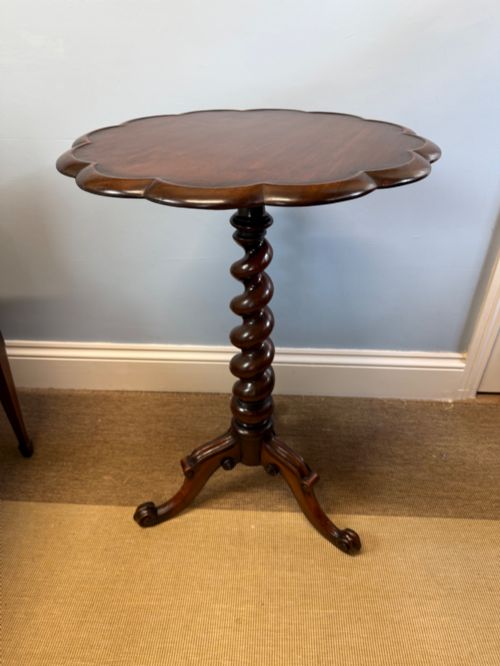
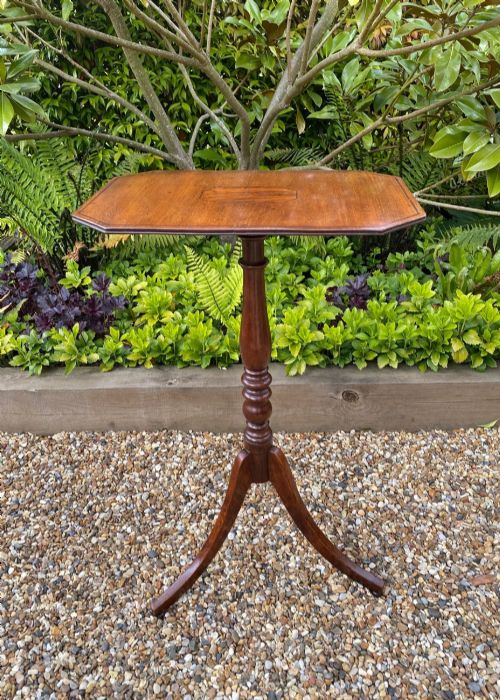
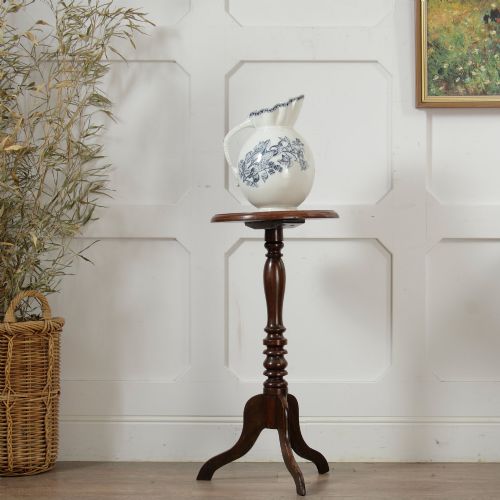
A Victorian mahogany pedestal stand offers a solid timber column to elevate a lamp, plant, or sculpture with period proportion.
Victorian Mahogany Pedestal Stand
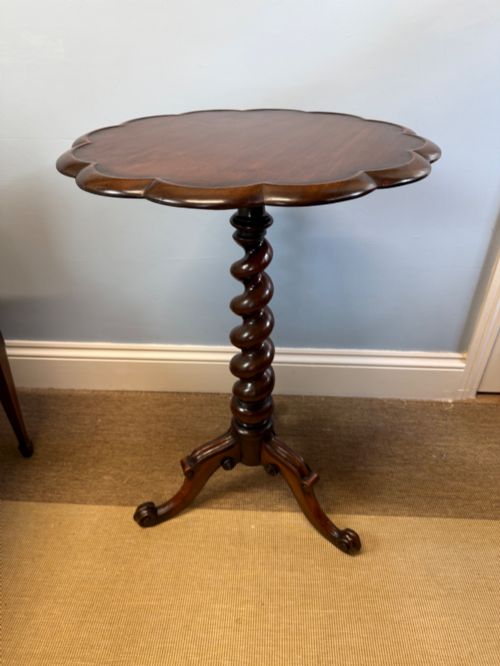
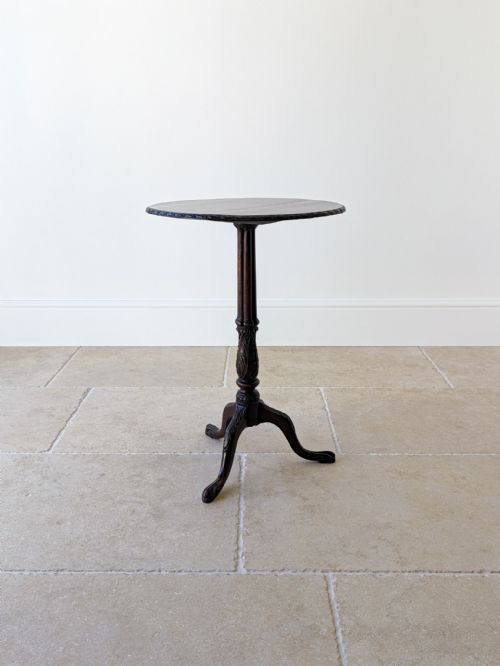
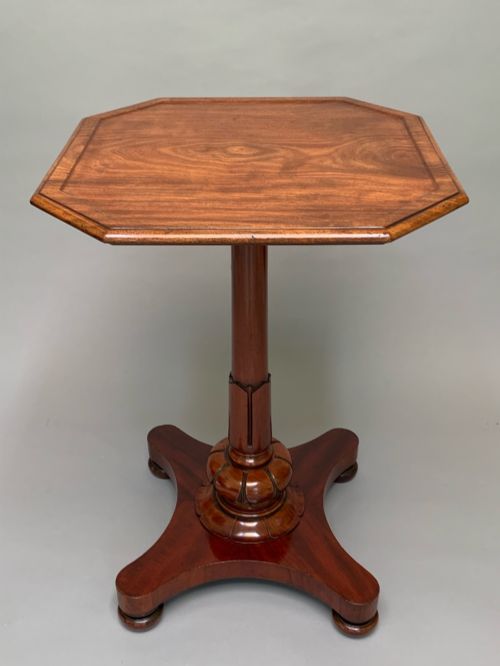
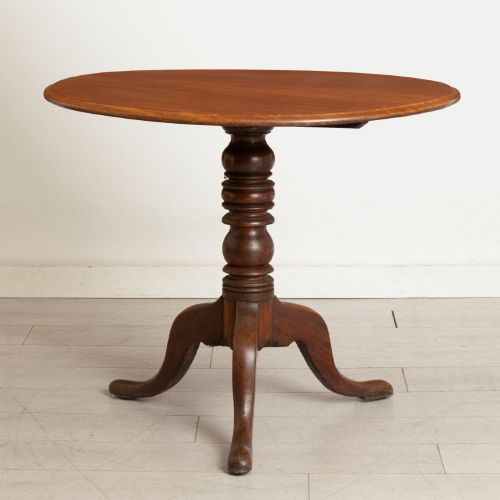
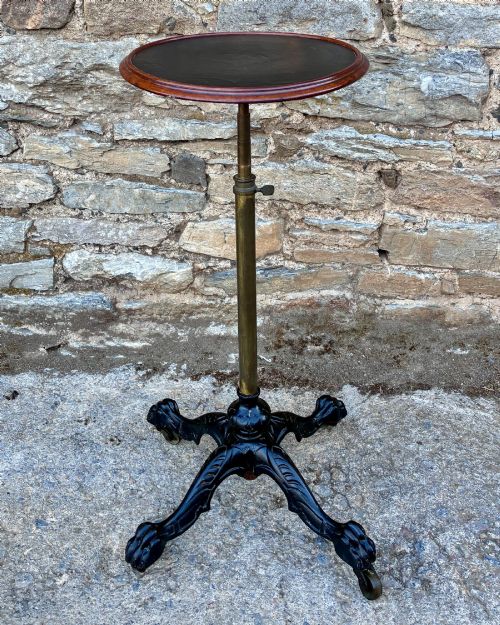
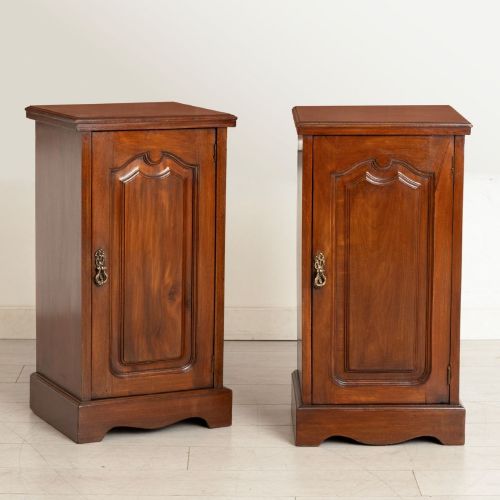
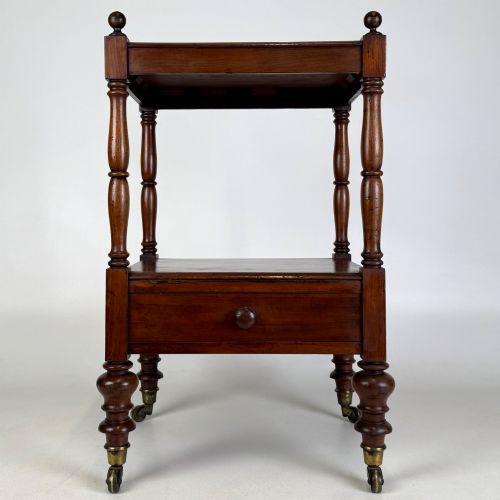
When you search for a victorian mahogany pedestal stand, you encounter a variety of elevated supports designed to hold lamps, plants, and small decorative items. The pieces on this page span the nineteenth century, including specific iterations like torchères, wine tables, and plant stands with central columns.
The most common formats on this page are circular lamp tables and tall torchères featuring tripod legs or heavy weighted bases. These objects served utilitarian domestic functions in period parlance, moving easily from sitting rooms to hallways.
Makers of these stands drew on styles ranging from Regency and William IV to Chippendale Revival and Aesthetic Movement. This stylistic range ensures that while the core timber and form remain consistent, the carved details and edge profiles vary widely.
How they were made
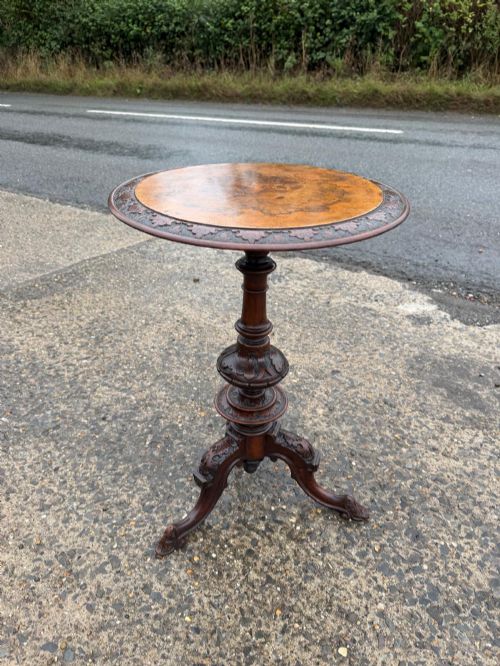
Cabinet makers utilised dense tropical hardwoods, predominantly solid and veneered mahogany, often pairing the timber with contrasting burr wood veneers on circular tops. Structural elements like central pillars and tripod legs required careful turning on a lathe to achieve stable weight distribution.
Secondary materials appear purposefully, such as inset marble slabs on lamp tables and cast brass details or gilded mounts on torchères. Joinery relied on sturdy tenons and hand-cut joints to support upright loads without wobbling.
Listings feature pieces spanning from the Regency period through the late Victorian era, constructed in mahogany, walnut, and marble.
What varies in quality
The distinction between ordinary utility pieces and finer examples rests in the depth and crispness of the hand carving on the pedestal column and legs. Superior items display well-defined acanthus leaves, reeding, or fluting rather than flat, machine-cut decoration.
Timber selection and grain figure dictate visual appeal, with rich flame mahogany or figured burr walnut tops commanding greater presence than plain stock. Additionally, the stability of the central boss and the snug fit of tilt-top mechanisms mark out better workshop execution.
Druce and Co London
The Victorian Mahogany Pedestal Stand Glossary
- Torchère
- A tall, slender stand or pedestal designed specifically to support a candle, lamp, or small plant. These pieces emphasise height and decorative carving over surface area.
- Tilt-top table
- A small occasional table featuring a mechanism that allows the circular top to pivot vertically when not in use. This clever design saved valuable floor space in nineteenth-century rooms.
- Tripod base
- A three-legged support structure commonly found on lamp tables and wine stands. This configuration ensures the table remains stable even on uneven historical floorboards.
- Burr wood
- A growth deformation in a tree that produces intricate, swirling grain patterns highly prized by cabinet makers. Veneers cut from this wood create dramatic decorative panels on table tops.
- Aesthetic Movement
- A late nineteenth-century design style that favoured simplicity, art for art's sake, and often incorporated Japanese-inspired motifs. Pieces from this era lean toward slender, linear silhouettes.
Victorian Mahogany Pedestal Stand: Frequently Asked Questions
What is a Victorian torchère used for?
A torchère provides a raised platform to display a potted plant, a decorative lamp, or a bronze sculpture in the corner of a room. Their vertical height draws the eye upward and makes efficient use of tight corners.
Historically, they held lighting devices before electric wiring became standard in domestic interiors. Today, they function primarily as decorative furniture accents that add architectural interest to modern spaces.
Where should I place a pedestal stand?
These stands suit entrance halls, living room corners, or beside armchairs where a small surface is needed for a cup or a reading light. Their compact footprint means they fit into narrow spaces easily.
Avoid placing antique mahogany directly next to modern radiators or in harsh direct sunlight, as dry heat causes timber to split. Regular polishing with traditional beeswax maintains the natural lustre of the wood.
How do I tell Regency from Victorian stands?
Regency stands often feature cleaner classical lines, brass paw feet, and heavier pillar turnings influenced by ancient Roman and Greek forms. Their timber choice frequently includes darker, dense cuts of Cuban mahogany.
Victorian iterations introduce more exuberant carving, varied revival styles like Chippendale and Gothic, and occasionally lighter proportions. Examining the carving style and secondary woods helps clarify the specific decade of manufacture.