



Victorian Mahogany Jewellery Box
These nineteenth-century wooden caskets offer secure containment for small valuables, bringing period craftsmanship straight to your dressing table.
Victorian Mahogany Jewellery Box
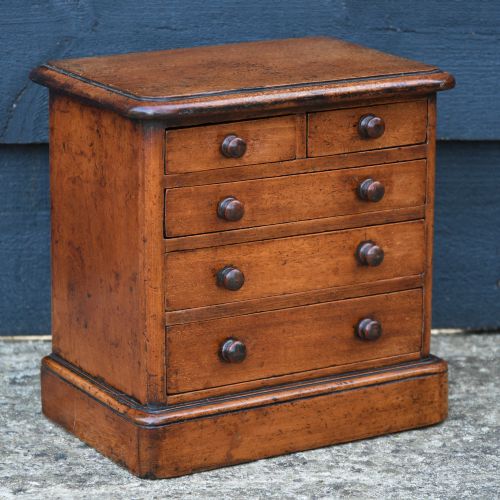
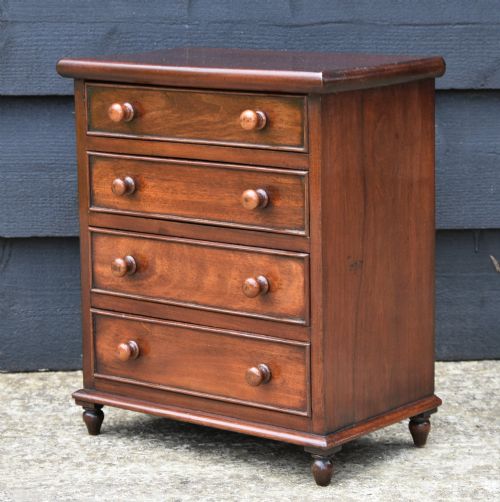
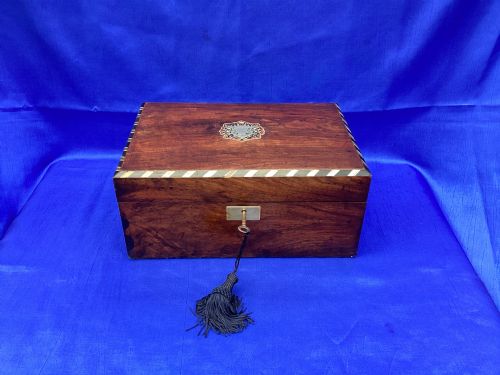
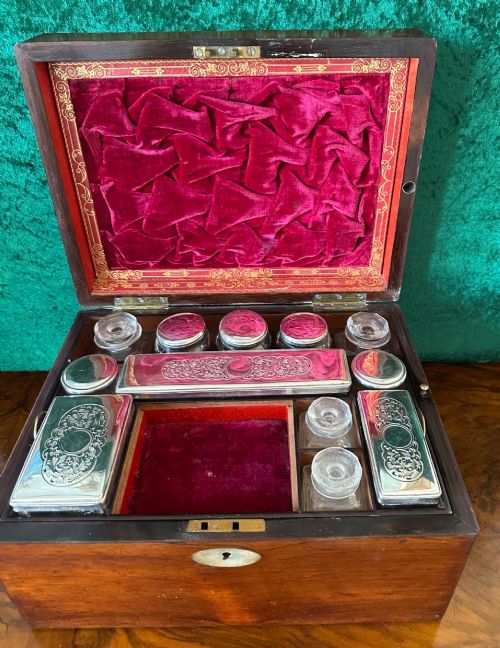
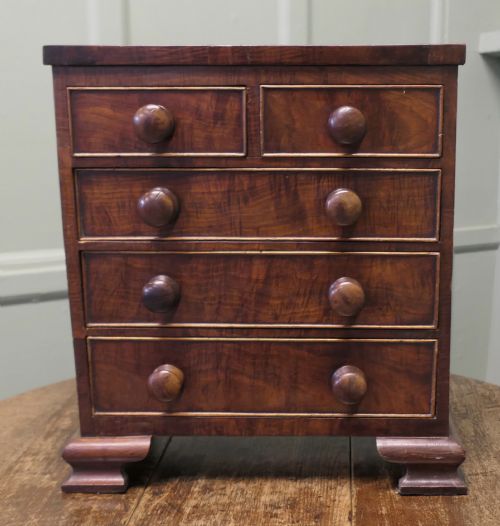
A victorian mahogany jewellery box typically takes the form of a hinged rectangular casket or a diminutive chest of drawers designed for tabletop use. These objects range from simple compartmented storage cases to elaborate miniature bowfront chests and display cabinets.
The evidence shows numerous miniature chests of drawers functioning as jewellery storage, alongside combined travelling cases, sewing boxes, and bijouterie tables. The typical piece you encounter here dates from the mid to late nineteenth century and relies on timber construction.
Beyond standard boxes, variations include watch cabinets, folding dressing cases with fitted interiors, and glazed display cases. Each type reflects the domestic habits and accessory storage needs of the period.
Judging build and interior refinement
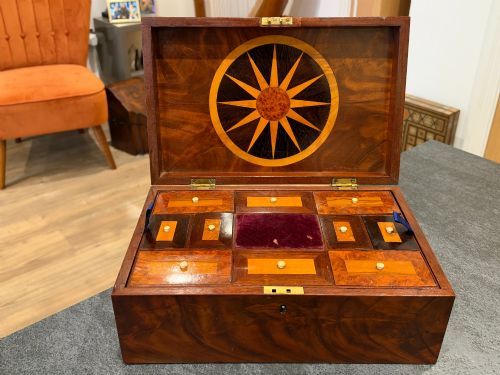
Quality separates along the precision of the carpentry and the complexity of the interior layout. Finer examples display tight dovetail joints, carefully matched timber grains, and substantial brass hardware rather than stamped replacement parts.
The sophistication of the internal fittings defines the upper tier of these pieces. Original velvet linings, working locks with matching keys, and multi-tiered lift-out trays indicate higher workshop standards than plain, unpartitioned interiors.
Victorian Mahogany Jewellery Box Retail Price Guide 2026
Typical asking prices for victorian mahogany jewellery box among the pieces listed under this phrase on Sellingantiques today, from the lower quarter to the upper quarter. They describe what is for sale here now, not the wider market.
Current listings feature nineteenth-century mahogany combined with glass, velvet, brass, and mother-of-pearl across forms from miniature chests to bijouterie tables.
The Victorian Mahogany Jewellery Box Glossary
- Apprentice piece
- A small-scale item demonstrating the skill required for a craftsman to join a trade guild. These often take the form of miniature chests of drawers.
- Bijouterie table
- A glass-topped display table designed to showcase small decorative objects and jewellery. They elevate storage into a visible tabletop feature.
- Escutcheon
- A protective metal plate surrounding a keyhole. On these boxes, they are typically cast or engraved brass.
- Bowfront
- A curved convex front profile common on better quality miniature chests. This shaping required advanced woodworking skill to execute cleanly.
- Tunbridge Ware
- Small wooden items decorated with microscopic mosaic tesserae forming geometric or pictorial patterns. They represent a specialised form of British decorative woodwork.
Victorian Mahogany Jewellery Box: Frequently Asked Questions
What were apprentice pieces used for?
Apprentice pieces served as test projects rather than functional household furniture. Young craftsmen built these scaled-down chests to demonstrate their mastery of woodworking joints and proportions to their guild masters.
Over time, owners repurposed these diminutive chests to store rings, brooches, and other small personal valuables. Their solid construction and multiple drawers made them practical alternatives to standard jewellery boxes.
How do I clean the wood safely?
Maintain mahogany surfaces by dusting gently with a dry, soft cloth to prevent particulate buildup. Avoid modern silicone polishes, which leave a synthetic film that attracts dust and dulls the historic finish over decades.
Feed dry timber occasionally with traditional beeswax applied sparingly and buffed thoroughly. Keep these boxes away from direct sunlight and radiators to prevent the mahogany from splitting or warping.
Are original keys usually included?
Original working keys are uncommon because locks were frequently small and easily lost over generations of use. Many boxes survive with functional period-appropriate replacement keys or unlocked mechanisms.
A missing key does not diminish the decorative value of a piece, though a working lock adds utility if you intend to secure contents. Lock mechanisms can often be opened or fitted by a specialist if necessary.
How can I date these boxes?
Dating relies on observing construction methods, timber choices, and hardware styles across different decades. Mid-century examples often feature simpler rectangular profiles, while later Victorian items incorporate richer brass details or glazed display panels.
Interior materials also offer clues, as velvet and silk linings degraded and underwent replacement at various points. Comparing the secondary woods inside helps confirm whether a piece belongs to the nineteenth century.