
Victorian Mahogany Column
These pieces of Victorian mahogany column bring structural strength and rich timber warmth to any interior.
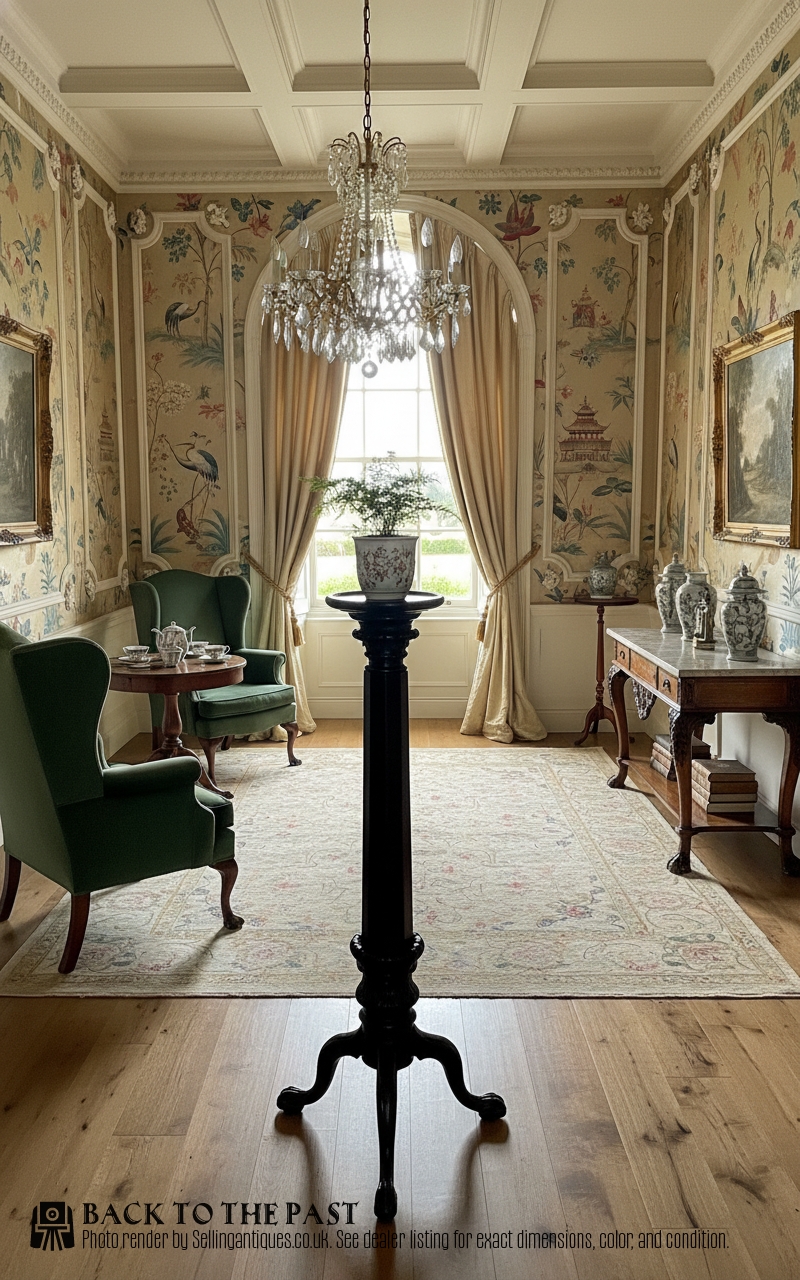
Victorian Mahogany Column
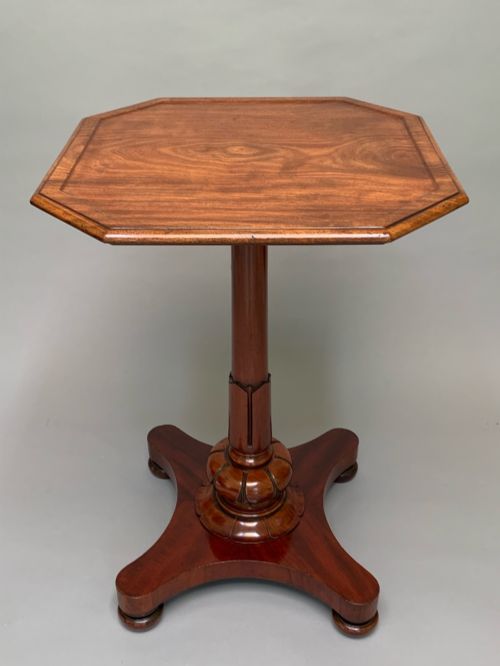
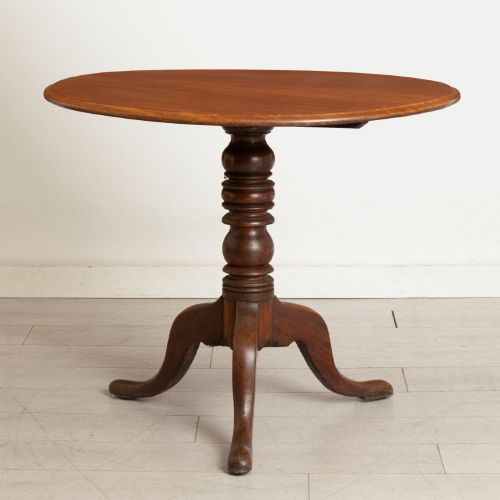
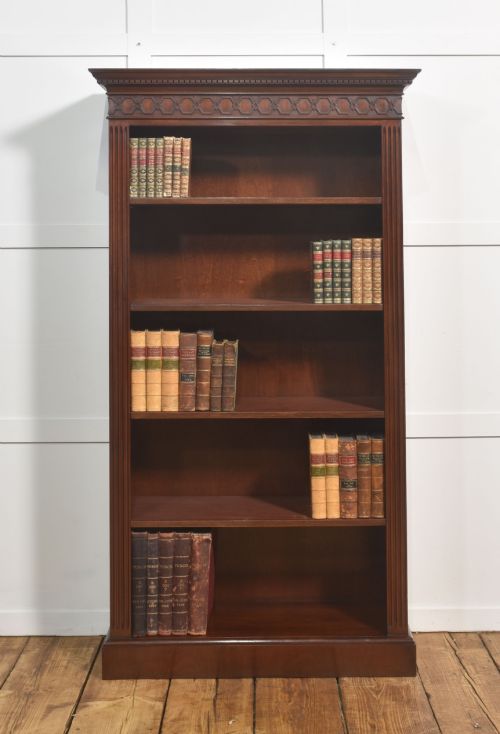
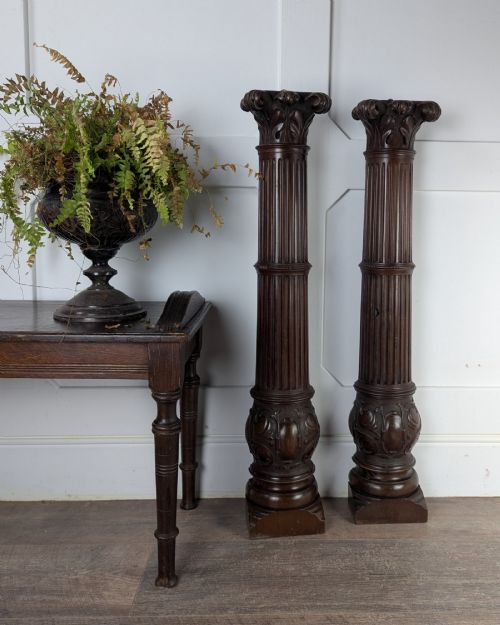
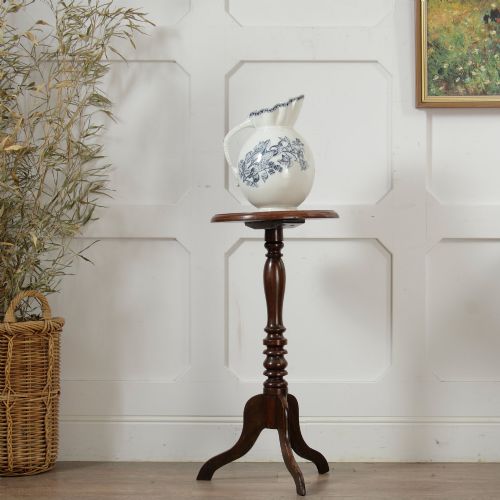
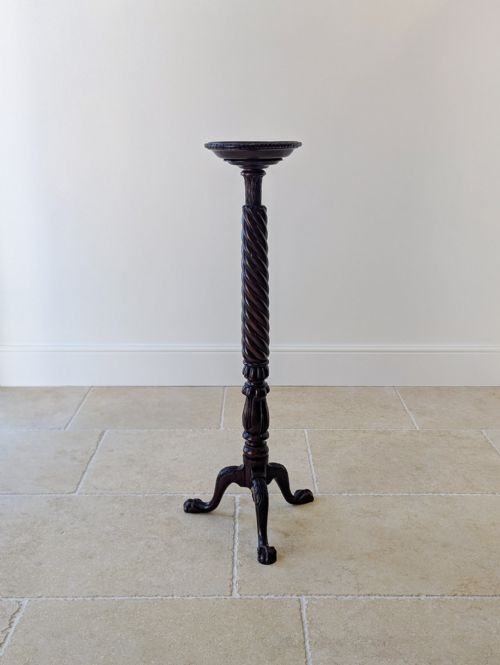
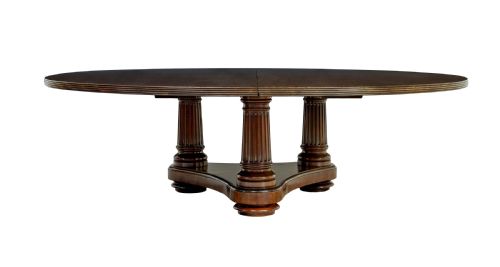
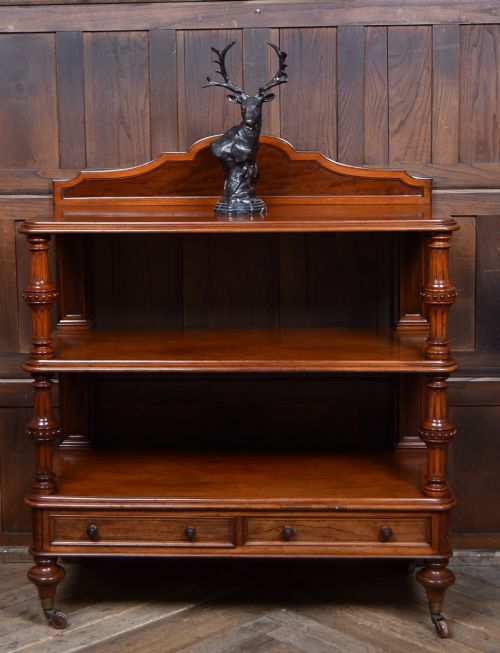
When you search for a victorian mahogany column, you encounter architectural supports, torchères, lamp tables, and chests of drawers featuring distinct turned or carved uprights. The selection spans standard lamps, plant stands, and bookcases, many showing reeded, fluted, or twist column details.
The objects originate primarily across the nineteenth century, including specific dates from eighteen fifty through to nineteen twenty. Side tables, pedestals, and whatnots frequently incorporate these solid timber columns into their foundational design.
Buyers commonly meet torchères, occasional tables, and chests with column corners on this page. These forms utilise the strength and dense grain of the timber to support elevated platforms and display surfaces.
How they were made
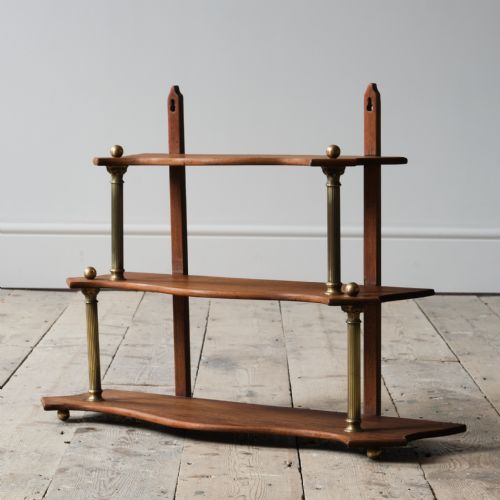
Cabinet makers utilised solid mahogany alongside flame mahogany veneer and burr wood to construct these items. Secondary materials like brass, glass, marble, and velvet appear across table tops, handles, and display surfaces.
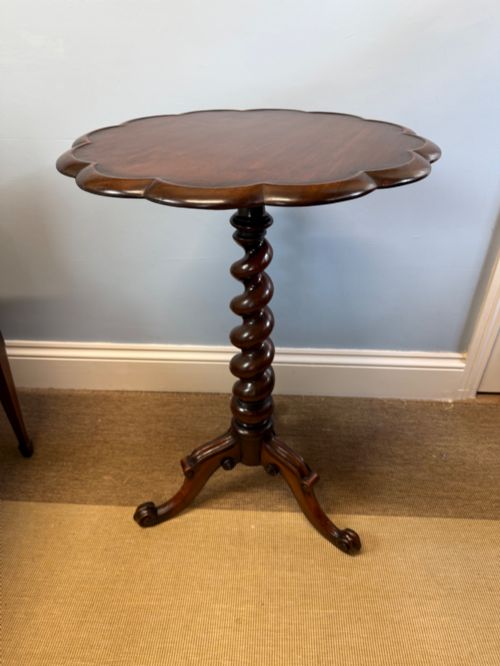
Turned and carved techniques define the columns themselves, producing reeded, fluted, and barley twist profiles. Timber was selected for its rich colour and stability, allowing slender uprights to bear significant weight in pieces like torchères and library bookcases.
Several stands feature revolving tops and barley twists, designed to confuse anyone attempting to measure them with a straight ruler.
What varies in quality
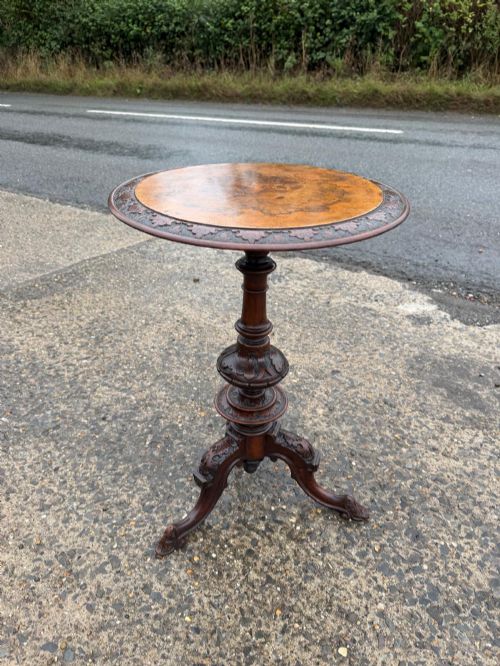
Quality rests in the crispness of the column carving and the selection of the timber grain. Pieces utilising flame mahogany veneer or burr wood display a greater depth of figure across flat surfaces and pedestals.
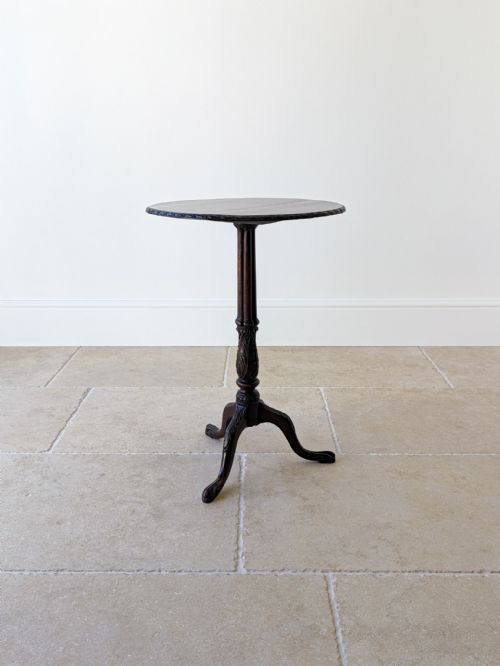
Proportion and structural integrity distinguish finer examples, particularly where slender tripod bases or heavy marble tops meet the central column. The precision of the turning on twists and reeds separates standard production from superior workshops.
The Victorian Mahogany Column Glossary
- Column
- A vertical structural element that supports weight while providing decorative emphasis. In these listings, they appear as architectural supports, plant stands, and structural corners on chests of drawers.
- Torchère
- A tall, slender stand designed to hold a light, plant, or decorative object. They frequently feature a central mahogany column on a tripod base.
- Flame Mahogany
- A veneer cut from the branch junction where the grain creates a distinctive flickering flame pattern. It is prized for its decorative visual impact on cabinet fronts and tabletops.
- Barley Twist
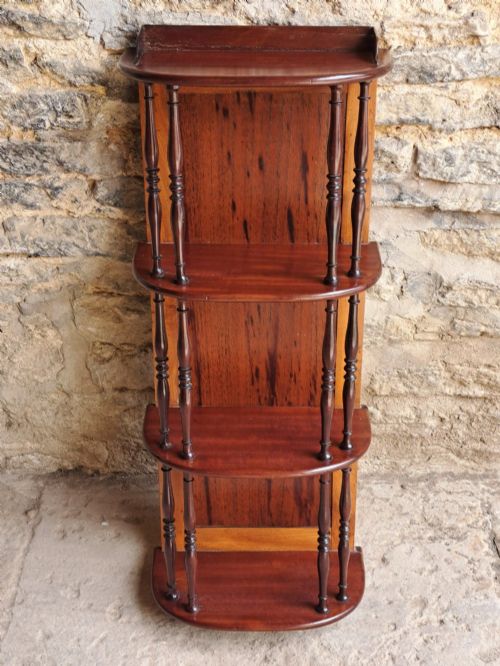
- A turning technique that forms a spiral column resembling twisted rope. This style appears frequently on nineteenth-century bookcases and plant stands.
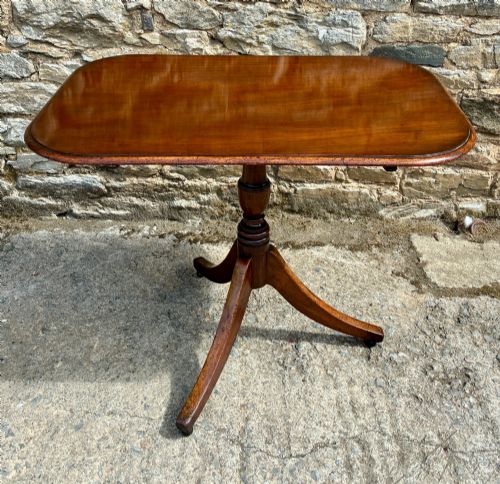
- Tilt Top
- A table mechanism allowing the surface to fold vertical when not in use. It is commonly found on nineteenth-century wine and lamp tables supported by a central pedestal.
Victorian Mahogany Column: Frequently Asked Questions
What is a torchère?
A torchère is a tall, slender stand designed for displaying plants, lamps, or decorative objects. They rely on a central column to elevate items above floor level.
In Victorian interiors, these freestanding pedestals positioned decorative pieces around the room. Their sturdy tripod or weighted bases kept the tall structure stable.
How do I spot column corners?
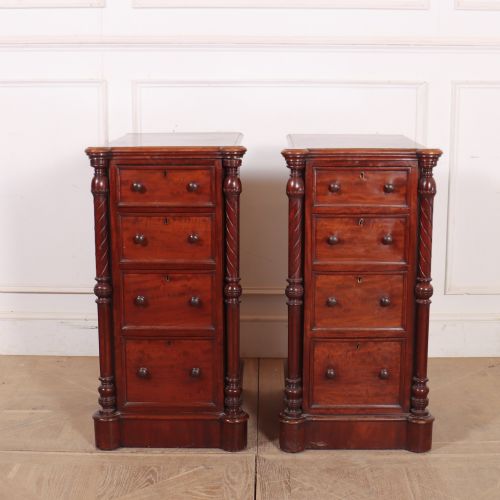
Column corners refer to architectural pilasters or applied columns attached to the front edges of case furniture like chests of drawers. They frame the drawers and add visual weight.
These columns are either half-round timbers fixed to the carcase or fully turned posts integrated into the sides. They reflect classical architectural influences popular during the nineteenth century.
What timber was used?
Mahogany serves as the primary timber across these pieces, often enhanced with flame mahogany veneer or burr wood sections. Brass, marble, and glass appear as secondary decorative materials.
The dense nature of mahogany allowed makers to carve slender columns and intricate twists without sacrificing structural strength. This durability explains why many tall stands and tables survive intact today.
Where should I place a column stand?
Column stands and torchères fit well in corners, empty wall spaces, or beside seating where height variation adds interest to a room. They suit spaces needing vertical emphasis.
Their narrow footprint allows them to hold lamps, plants, or small sculptures without consuming valuable floor space. The dark timber tones complement traditional and eclectic interiors alike.