
Victorian Mahogany Buffet Server
When hunting for a victorian mahogany buffet server, you want solid timber and considered proportions that anchor a dining room.
Victorian Mahogany Buffet Server
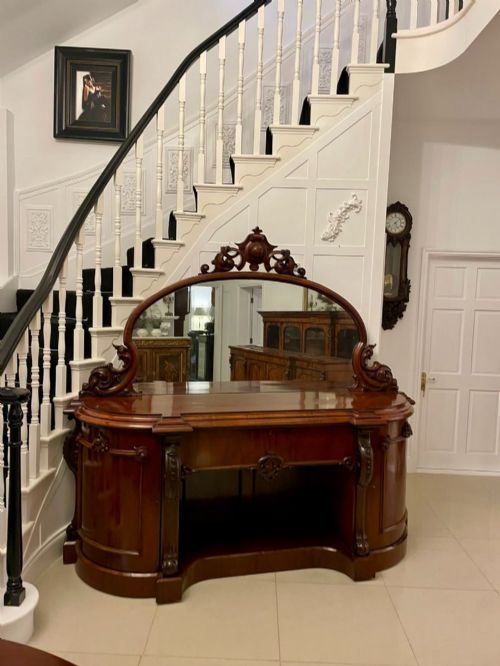
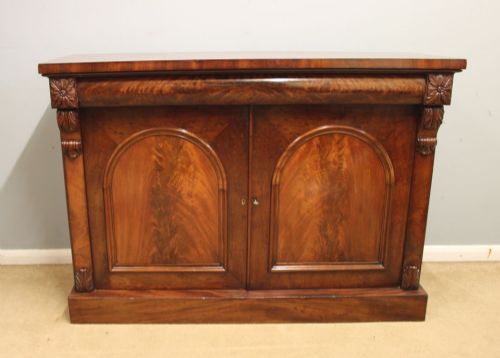
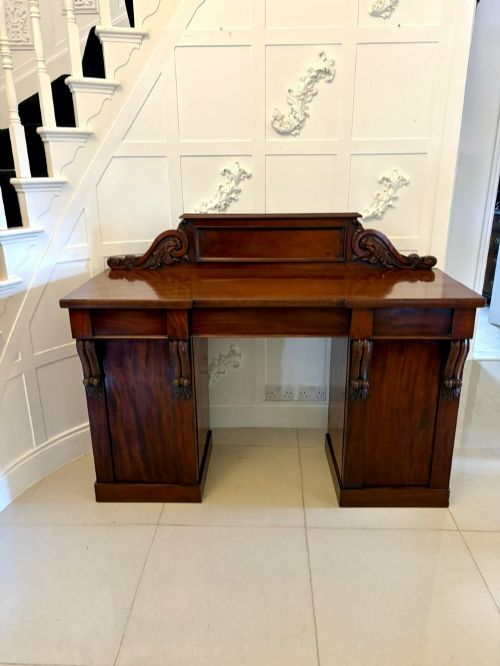
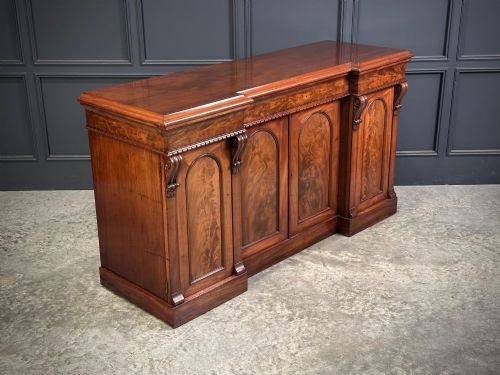
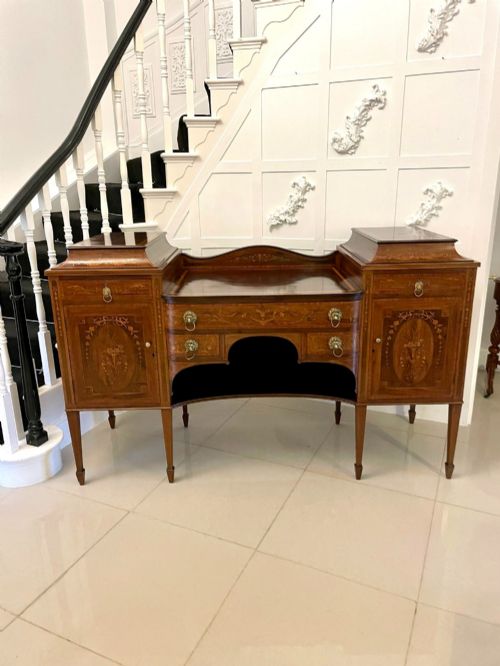
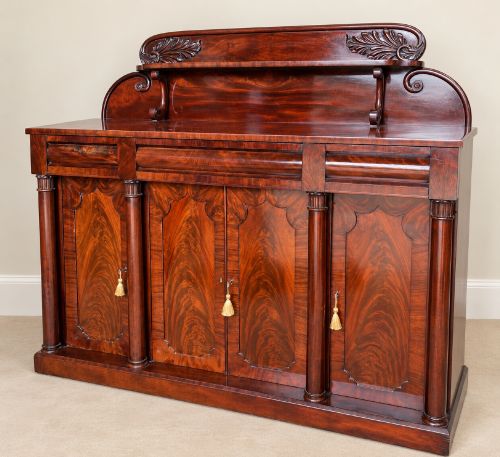
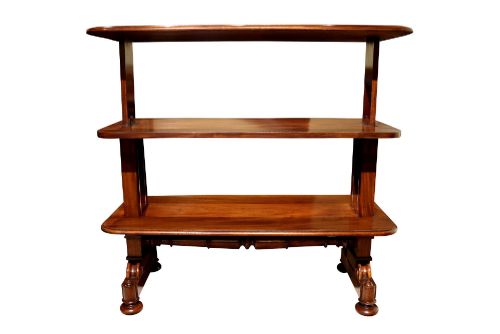
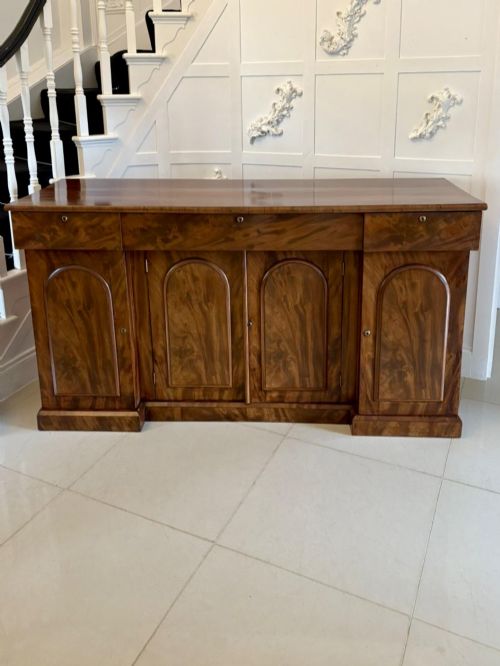
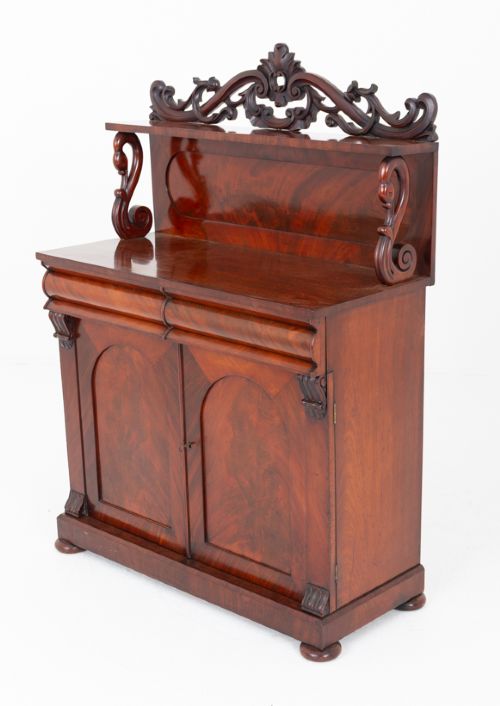
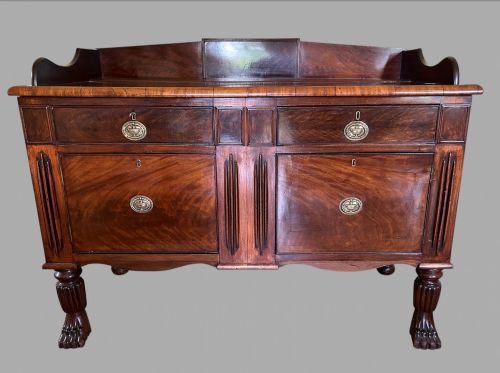
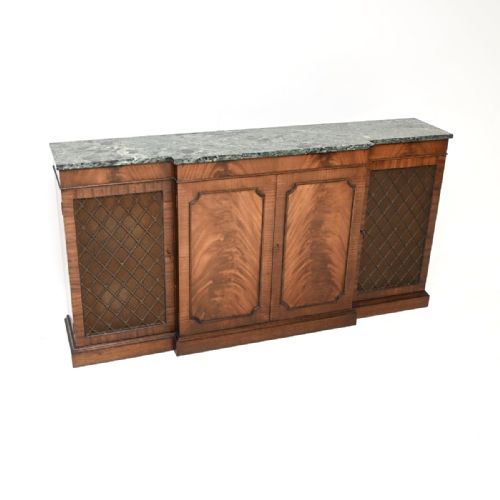
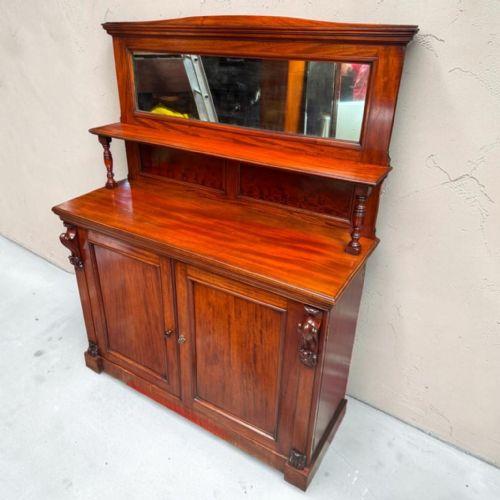
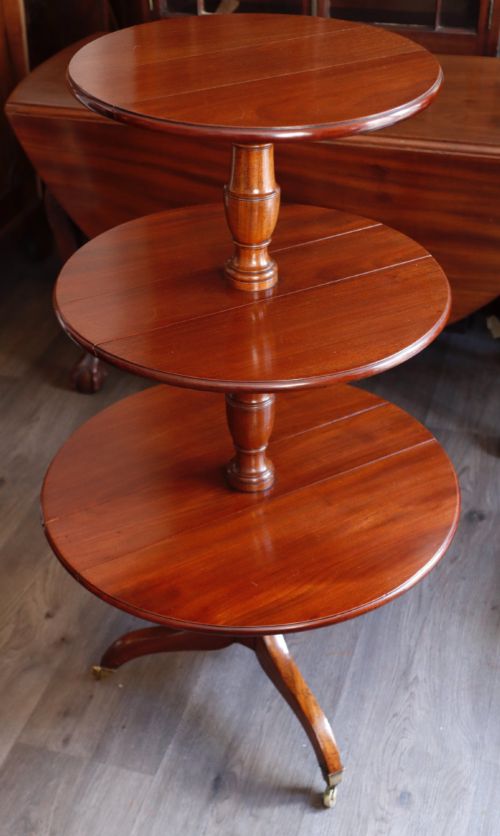
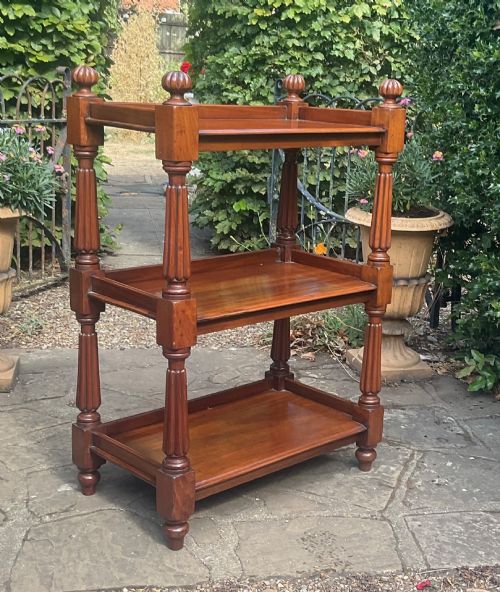
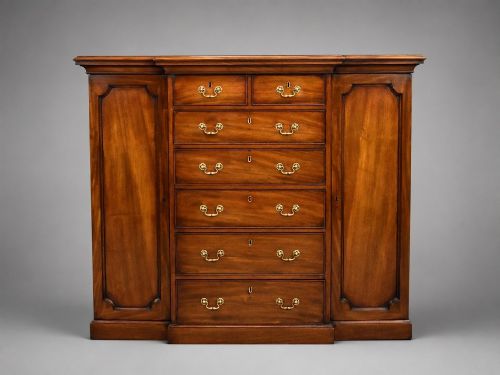
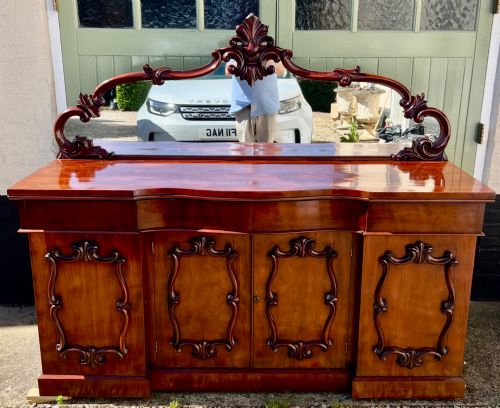
A victorian mahogany buffet server encompasses heavy pedestal sideboards, tiered dumb waiters, and carved serving tables designed for the dining room. You encounter multi-tiered shelving units alongside large breakfront and mirror-back sideboards that dominate the wall space.
The pieces emerge predominantly from the nineteenth century, ranging from early William IV and Georgian survivals through mid-Victorian production up to later revival styles. Makers utilise generous sideboard forms and slim étagère profiles to meet differing domestic spatial requirements.
Materials and Construction
Workshops construct these items primarily from solid mahogany and flame mahogany veneer, often enhanced by inlay, marquetry, satinwood, and brass hardware. Glass elements, mirror glass, and marble tops appear on select pieces alongside original castors.
Joinery methods rely on sturdy timber framing to support heavy tiered shelving, revolving mechanisms, and large cabinetry doors. Carved details and gallery backs are integrated directly into the structural mahogany bodies.
Listings feature nineteen-century pieces combining solid mahogany, flame mahogany veneer, brass fittings, and mirror glass across sideboard and dumb waiter forms.
Distinguishing Quality
The grade of timber selection dictates the visual depth, with striking flame mahogany veneers and figured grain marking out superior examples. Refined hand-carved detailing and well-executed marquetry inlay elevate standard sideboard carcases into exceptional pieces.
Mechanical complexity and original fittings influence standing, where rise-and-fall tiers, revolving mechanisms, and intact castors demonstrate higher manufacturing ambition. Proportion and scale also separate utilitarian items from grander architectural serving tables.
Hewetsons London·Gillows·Robert Strahan Co·Oetzmann Co
The Victorian Mahogany Buffet Server Glossary
- Buffet server
- A dining room furniture piece used for serving food and displaying tableware. These items range from multi-tiered serving tables to enclosed cupboards.
- Flame mahogany
- A veneer cut from timber where the grain creates a distinctive flickering flame pattern. This decorative finish appears on the most prominent doors and drawers.
- Dumb waiter
- A tiered serving stand fitted with shelves or revolving trays for holding dishes without servants present. Many examples utilise three tiers mounted on a central column or tripod base.
- Pedestal sideboard
- A heavy sideboard featuring large side cupboards flanking a central serving space. These architectural forms dominate nineteenth-century dining interiors.
- Étagère
- A set of open shelves for displaying ornaments or serving items, often built in slim proportions. They provide lightweight alternatives to heavy enclosed cabinetry.
Victorian Mahogany Buffet Server: Frequently Asked Questions
What is a victorian mahogany buffet server used for?
These pieces served practical roles in nineteenth-century dining rooms by holding dishes, silverware, and serving platters during large meals. They functioned as supplementary working surfaces when the main dining table lacked space.
Today, they operate as statement storage items in modern dining rooms or hallways. Their tiered shelving and deep cupboards offer functional display and organisational space.
How do I date a mahogany buffet?
Dating relies on observing structural characteristics, timber finishes, and stylistic markers recorded across different decades. Early pieces often display architectural William IV or Georgian influence, while mid-century items feature mirror backs and heavier carvings.
Later Victorian examples introduce marquetry inlay and revival styles pointing towards the end of the nineteenth century. Hardware like original brass castors and turning styles also provide chronological clues.
Are dumb waiters and sideboards the same?
Dumb waiters and sideboards represent distinct forms within the wider category of dining furniture. Dumb waiters typically feature open tiered shelving or revolving trays designed for holding plates.
Sideboards are larger, heavier items featuring enclosed cupboards, drawers, and sometimes mirror backs. Both served dining functions but occupied different spatial footprints in the home.
How do I care for antique mahogany?
Maintaining antique mahogany requires keeping pieces away from direct heat sources and sudden temperature fluctuations. This prevents the timber from drying out and protects delicate veneer surfaces.
Regular dusting with a soft, dry cloth preserves the polished finish. Periodic application of appropriate wax feeds the wood without building up heavy residues.