
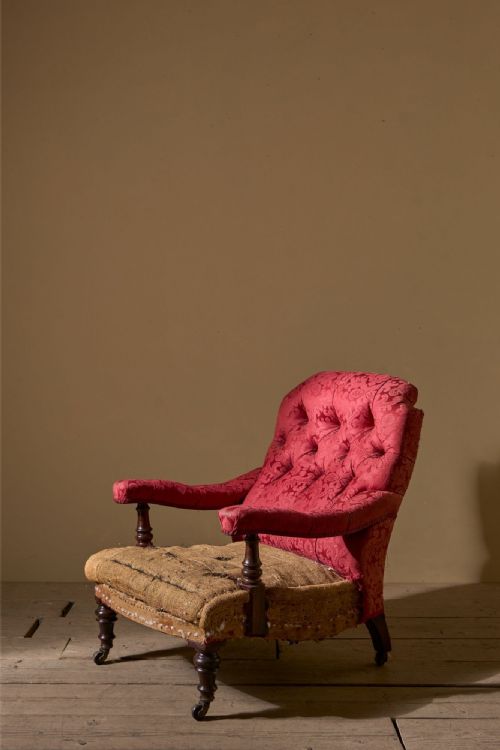
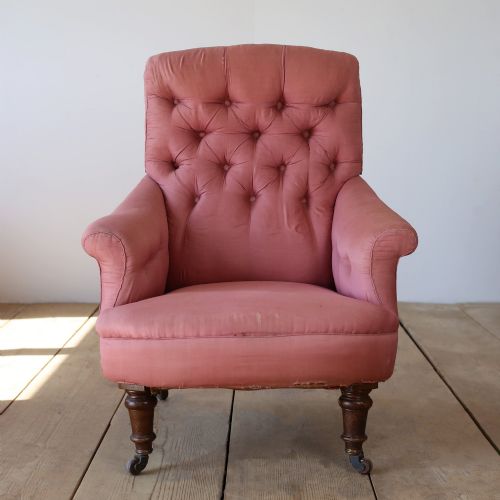
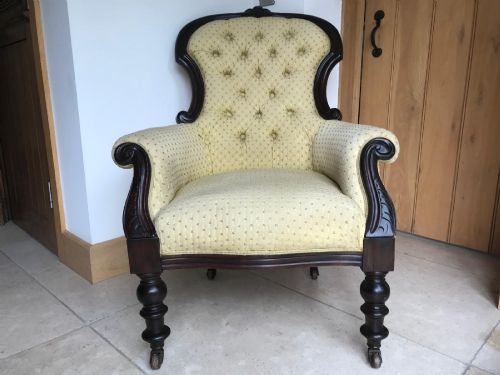
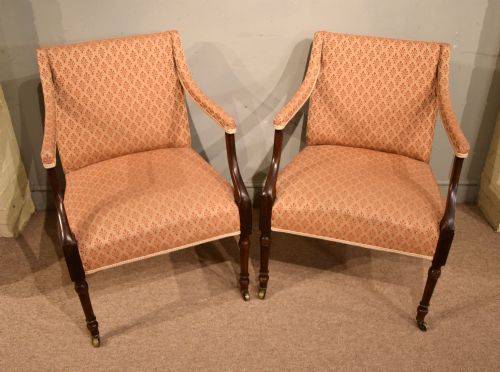
Victorian Mahogany Accent Chair
A victorian mahogany accent chair brings rich timber and period upholstery into a room, offering both character and functional seating.
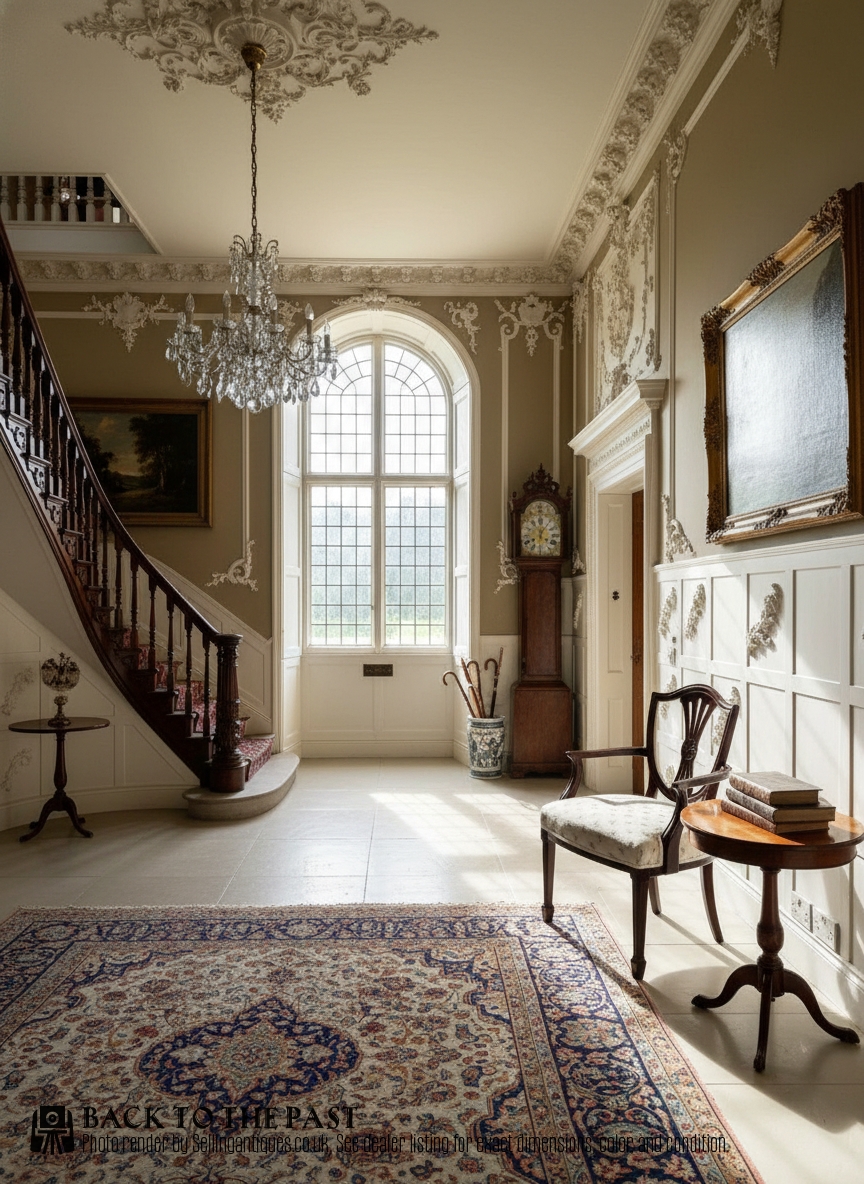
Victorian Mahogany Accent Chair
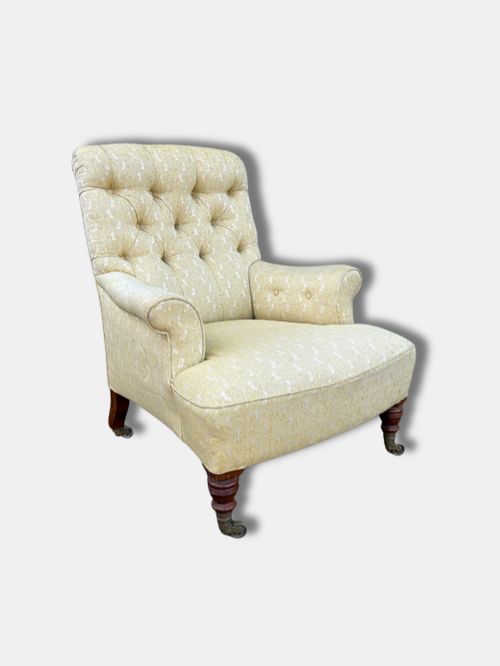
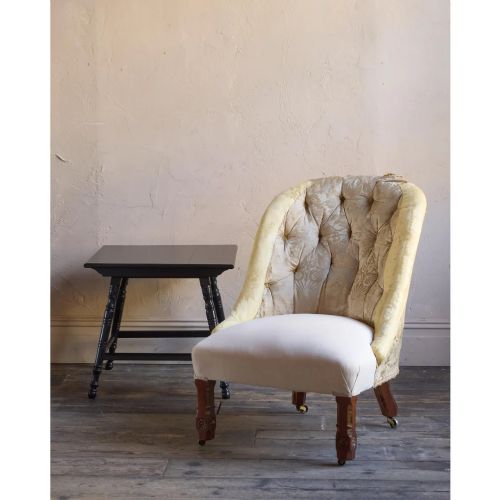
A victorian mahogany accent chair encompasses a diverse group of nineteenth-century seating, including armchairs, nursing chairs, slipper chairs, and hall chairs designed to complement parlour and bedroom spaces.
The pieces appearing most frequently span the Victorian era, alongside related nineteenth-century examples drawing on Regency, Chippendale, and Aesthetic styles.
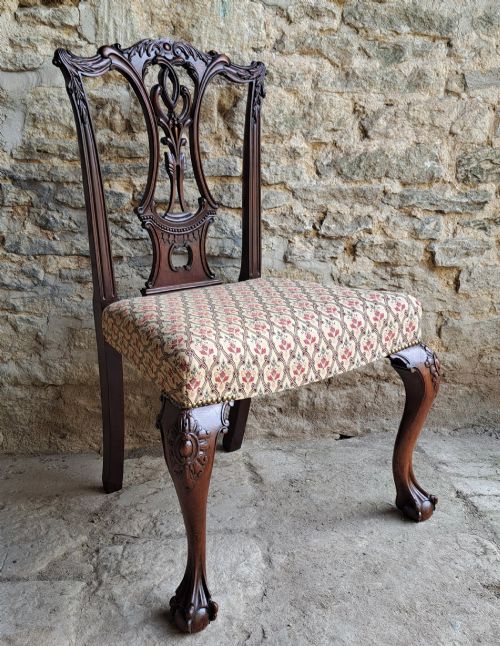
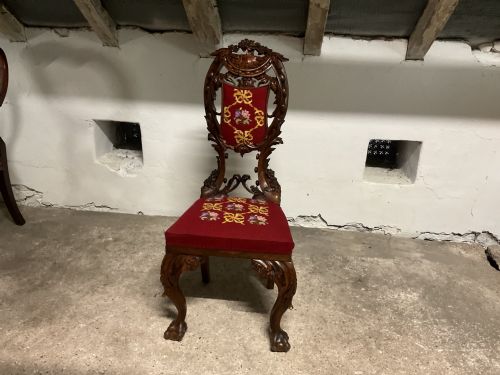
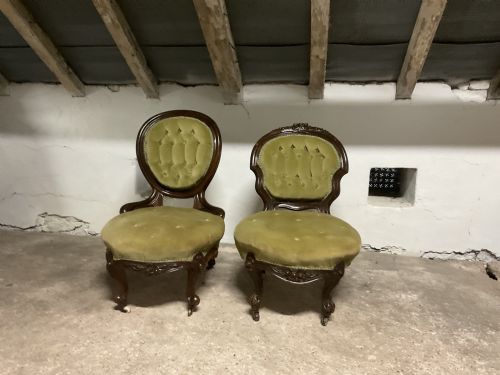
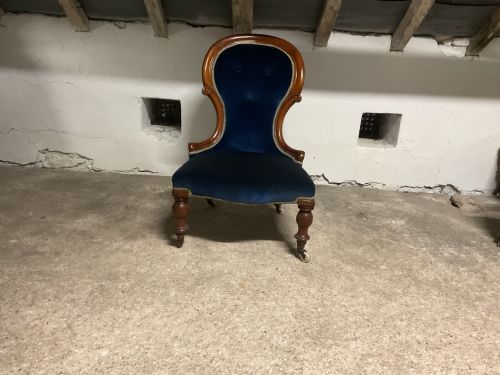
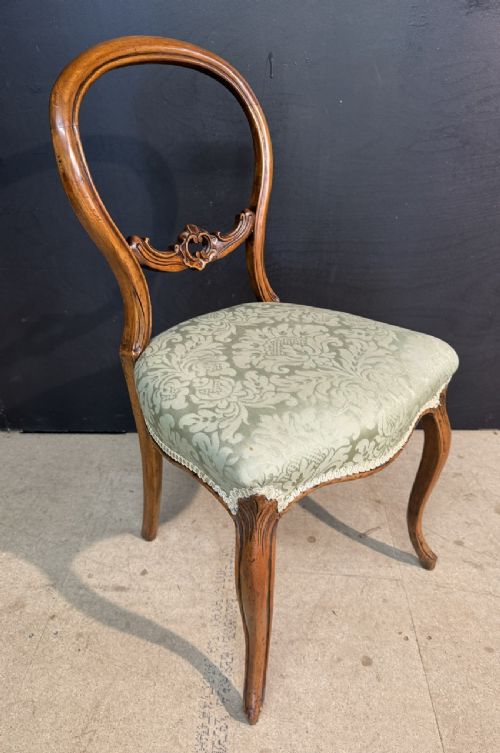
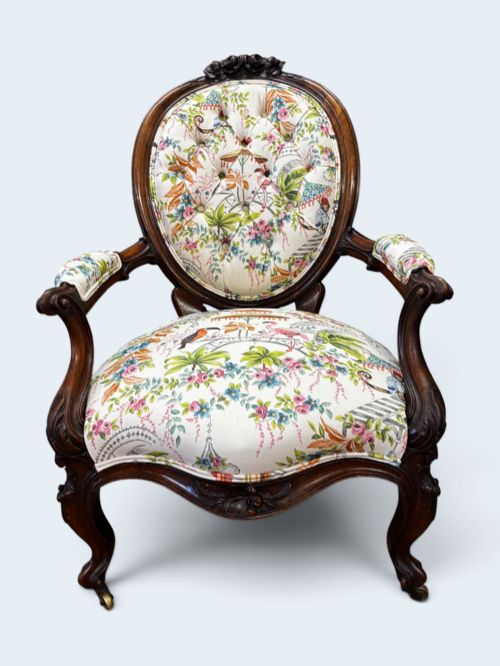
Makers utilised dense timber to form carved backs, scroll details, and cabriole legs, pairing these wooden frames with velvet, leather, calico, and various textiles.
Materials and Construction
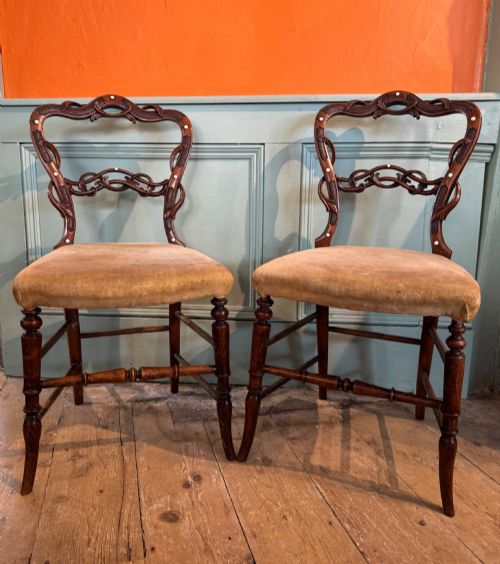
Makers relied on mahogany and Cuban mahogany for structural frames, shaping the timber into cabriole legs, spider web backs, and scroll-carved ornaments.
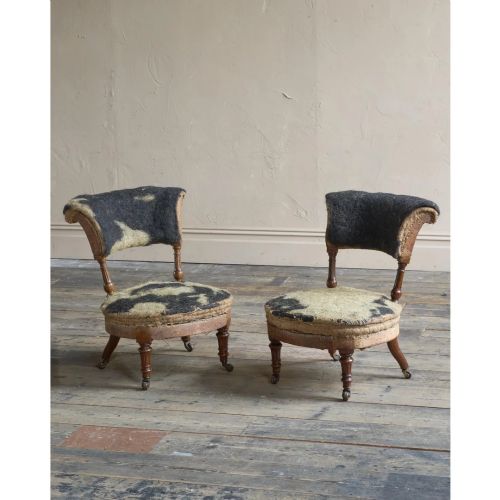
Upholstery involved traditional methods using hessian, horsehair, and stuffing beneath top layers of velvet, leather, and patterned textiles.
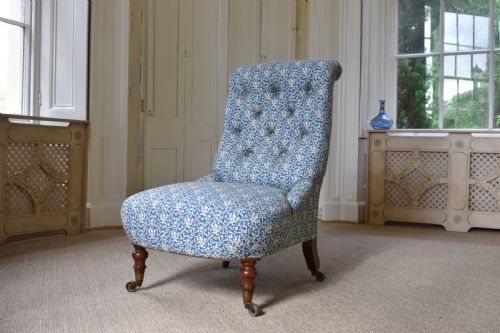
Brass components occasionally reinforced joints or castors, while button-tufting secured the fabric across deep-sprung or iron-backed frames.
Victorian Mahogany Accent Chair Retail Price Guide 2026
Typical asking prices for victorian mahogany accent chair among the pieces listed under this phrase on Sellingantiques today, from the lower quarter to the upper quarter. They describe what is for sale here now, not the wider market.
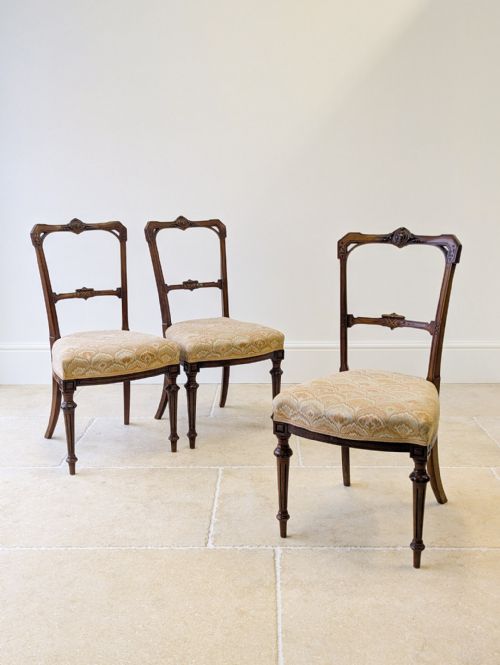
The documented styles span Victorian Rococo Revival, Aesthetic Movement, and Chippendale revival designs.
Assessing Craftsmanship and Distinction
Quality rests in the crispness of the timber carving, from intricate spider web motifs to deep scrollwork along the back rail.
Proportion and stance dictate the visual weight of the chair, separating straightforward utility pieces from finely balanced parlour and salon seating.
Howard and Sons·Hampton and sons
The Victorian Mahogany Accent Chair Glossary
- Cabriole leg
- A furniture leg that curves outward at the knee and tapers inward toward the foot, often ending in a scroll or pad.
- Nursing chair
- A low-seated Victorian armchair originally designed for comfortable infant feeding and bedroom use.
- Slipper chair
- An upholstered chair with low legs, historically used in bedrooms for changing shoes.
- Button back
- An upholstery style where depressions are formed across the padded surface by pulling buttons tight into the stuffing.
Victorian Mahogany Accent Chair: Frequently Asked Questions
Where should I place an accent chair?
These chairs suit bedrooms, drawing rooms, and hallways as occasional seating. Their compact profiles allow them to fit into corners or beside reading tables.
Matching the chair's style to the room helps integrate the dark wood and period upholstery into modern interiors.
How do I identify a Victorian chair?
Look for dense mahogany frames, characteristic nineteenth-century carving styles, and traditional upholstery foundations like hessian and horsehair.
Detailed backrests and turnings often point toward specific decades within the nineteenth century.
What is the difference between a nursing chair and a slipper chair?
Nursing chairs typically feature taller, upholstered backs paired with low seats designed for comfort. Slipper chairs generally have even lower profiles without prominent armrests.
Both types served nineteenth-century bedroom and boudoir functions.
Are these chairs comfortable for daily use?
Many nineteenth-century armchairs and library chairs were built with generous proportions and sprung upholstery. Modern comfort depends on the internal padding and webbing condition.
Pieces newly upholstered in calico or velvet offer reliable support for everyday sitting.