
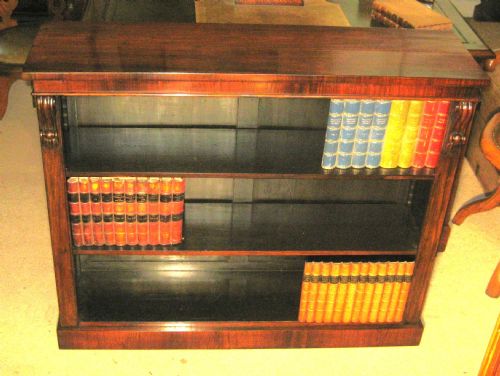
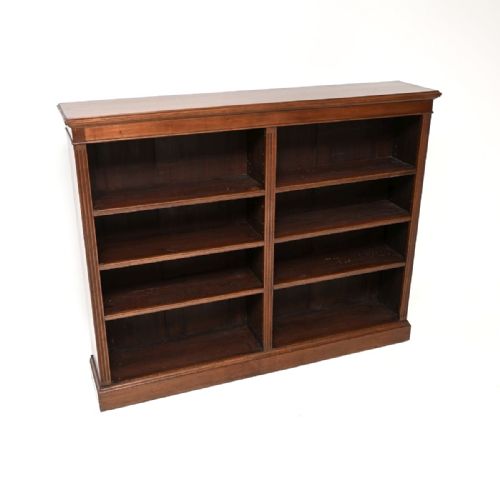
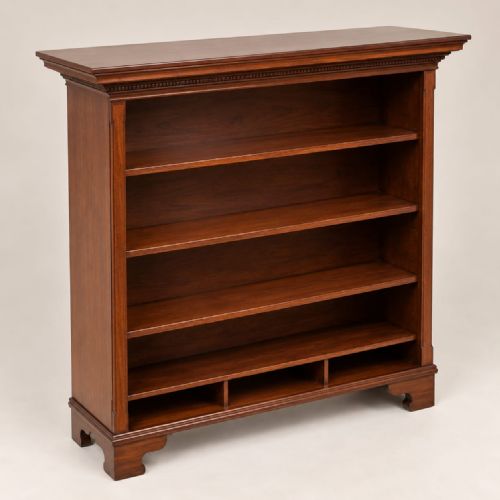
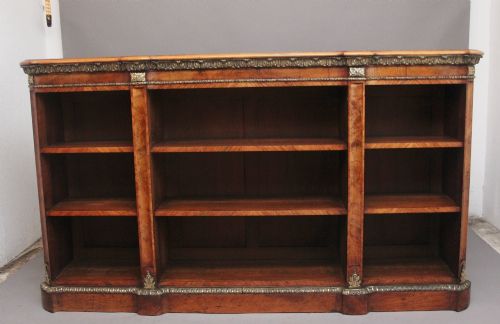
Victorian Low Shelving
Victorian low shelving offers accessible open storage, bringing nineteenth-century timber work and adjustable tiers directly into living spaces.
Victorian Low Shelving
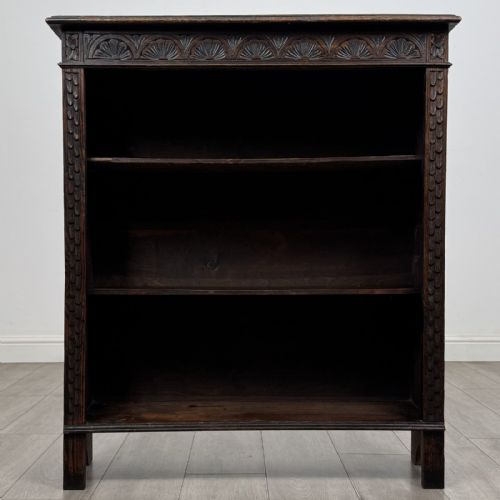
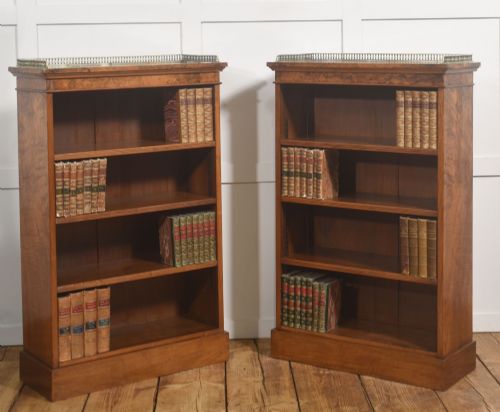
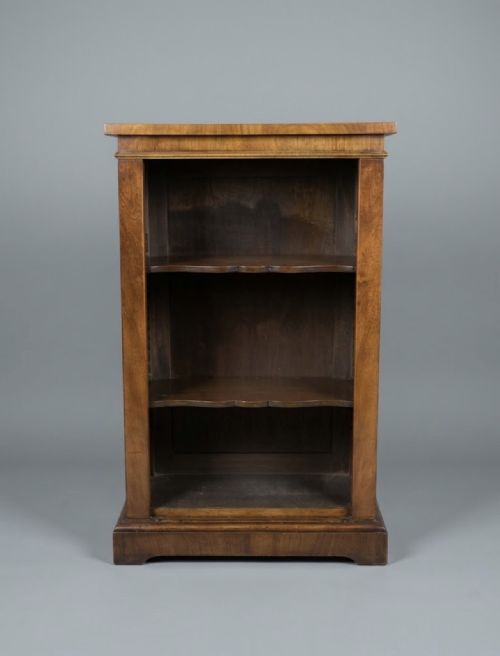
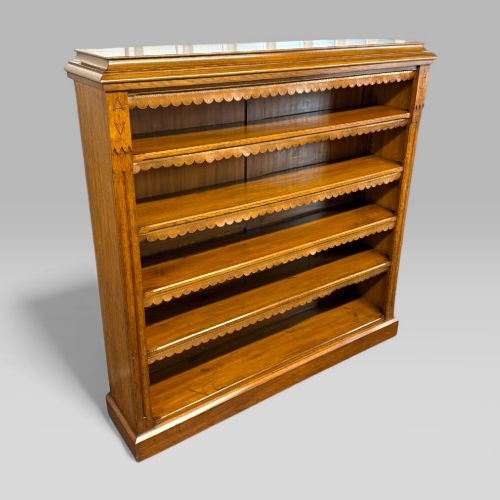
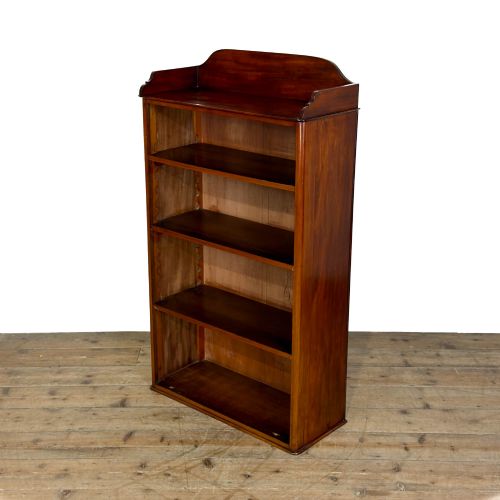
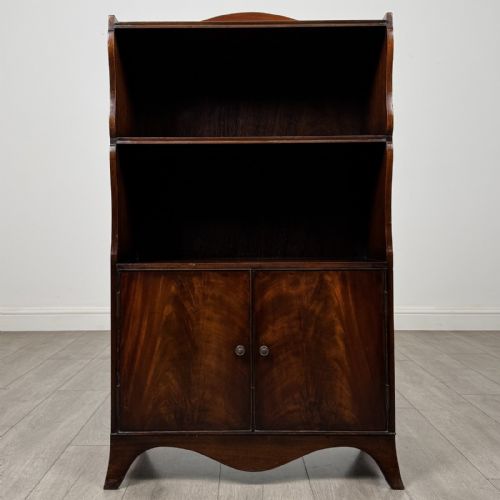
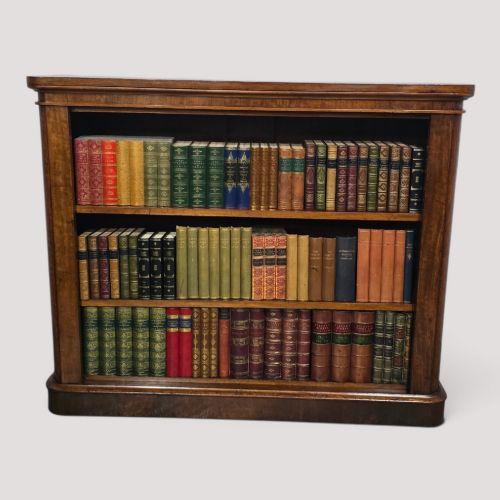
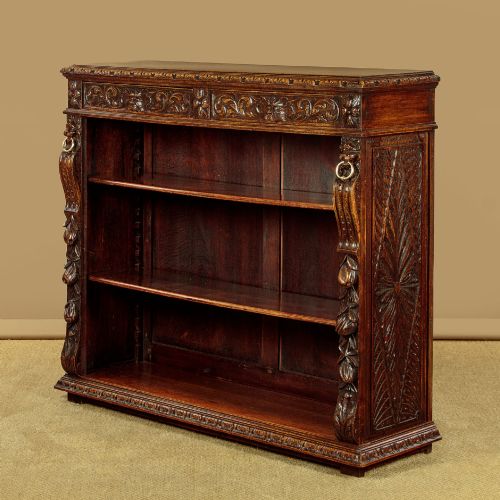
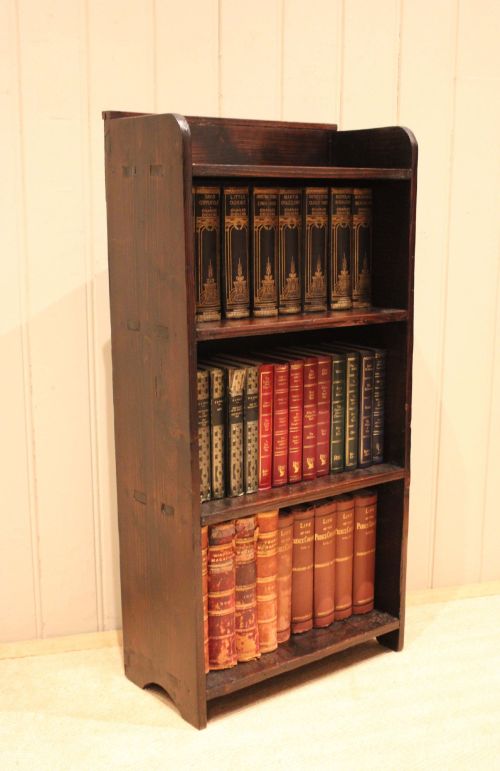
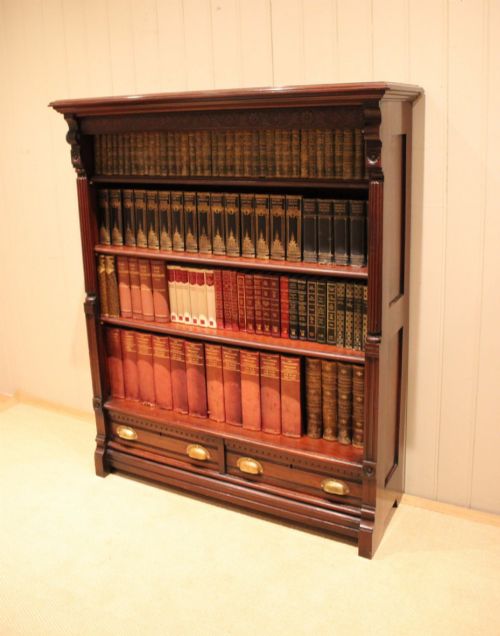
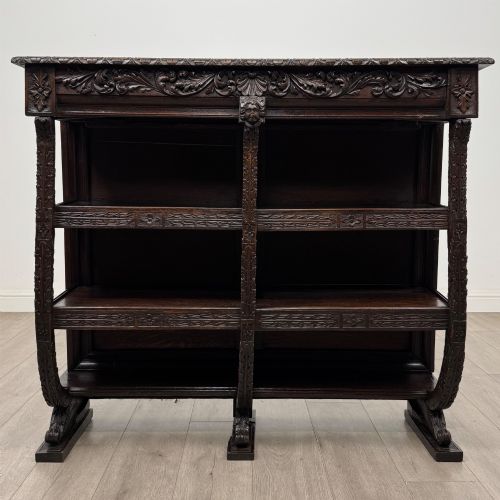
When buyers search for Victorian low shelving, they encounter open bookcases, dwarf units and stepped library pieces designed for practical domestic use. These items sit lower than traditional tall bookcases, keeping books and display objects within comfortable reach while maintaining a sense of space in a room.
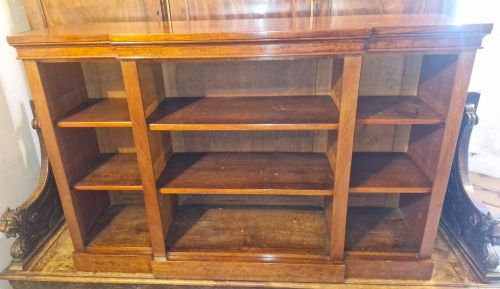
The selections span various forms, from compact rosewood and mahogany designs to larger oak, pine and walnut open bookcases. Many examples feature adjustable shelves, allowing owners to alter tier heights to accommodate volumes of different sizes.
Origins stretch across the nineteenth century and into the early twentieth century, taking in William IV, Late Victorian, Edwardian and Aesthetic Movement styles. Pieces range from rustic country pine to formal burr walnut mounted with ormolu and brass details.
Materials and construction
Cabinet makers utilised dense hardwoods such as mahogany, walnut, rosewood and oak for formal domestic furniture, often selecting figured grains like flame mahogany and burr walnut for visual impact. Softer timbers such as pine served for simpler country pieces and utilitarian shelving.
Construction methods relied on sturdy joinery to support heavy collections of books, incorporating adjustable wooden supports or brass rack systems for the shelves. Decorative elements included hand carving, ebonising, painted finishes and applied brass or ormolu mounts.
Listings feature timbers including mahogany, walnut, rosewood, oak, pine, and burr walnut across the Victorian, Edwardian, and Regency periods.
Defining quality in low shelving
Quality reveals itself through the choice of timber and the handling of the grain, particularly where figured veneers like burr walnut or flame mahogany receive careful matching across the front. Finer examples display crisply executed carvings, such as green man motifs or geometric mouldings, rather than soft or perfunctory detailing.
The sophistication of the internal fittings also distinguishes finer pieces, seen in robust adjustable shelf mechanisms and cleanly finished interiors. Heavier architectural proportions, balanced lower tiers and integrated brass or ormolu mounts indicate workshop production intended for prominent reception rooms.
Johnstone and Jeanes
The Victorian Low Shelving Glossary
- Open bookcase
- A bookcase lacking doors, designed for immediate access to books and decorative objects.
- Dwarf bookcase
- A low shelving unit, typically standing below eye level, suited for placement beneath windows or against principal walls.
- Ormolu
- Gilded bronze mounting applied to furniture as a decorative enhancement during the nineteenth century.
- Adjustable shelves
- Shelves resting on movable supports that allow the vertical space between tiers to be altered.
- Aesthetic Movement
- A late nineteenth-century design style emphasising artistic visual qualities and often featuring ebonised timber finishes.
Victorian Low Shelving: Frequently Asked Questions
How do adjustable shelves work?
Many nineteenth-century bookcases use wooden side ratchets or metal shelf strips that let you move wooden supports up and down. This system accommodates volumes of varying heights.
Checking the mechanism ensures the interior remains adaptable for modern collections of books and display items.
What is an ebonised finish?
Ebonising involves staining or treating timber to imitate ebony, a dark and dense wood prized for its formal appearance. Makers often applied this technique during the late nineteenth century.
Such finishes give pieces a striking dark silhouette that contrasts with gilt bronze mounts or carved details.
Are these units suitable for heavy books?
Solid hardwood versions in oak, mahogany and walnut provide sturdy support for large collections of heavy volumes. The presence of thick timber shelves prevents sagging over time.
Pine and softer woods suit lighter reading material and decorative displays rather than dense rows of heavy folios.