
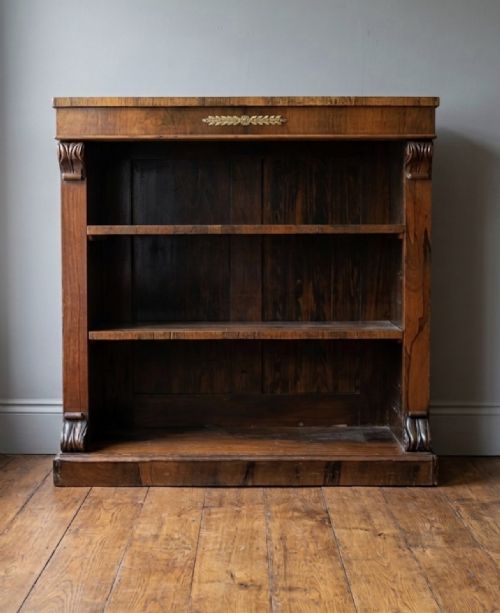


Victorian Dwarf Bookcase
A victorian dwarf bookcase offers compact low-level shelving, bringing period timber and proportion directly into your study or sitting room.
Victorian Dwarf Bookcase
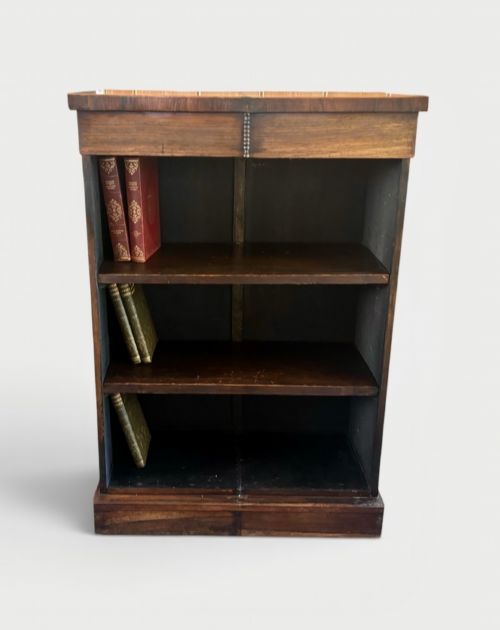
A victorian dwarf bookcase stands as a low-level shelving unit, keeping books within easy reach while leaving wall space free above. The pieces gathered here show the widespread use of mahogany, rosewood, oak, and walnut across the nineteenth century.
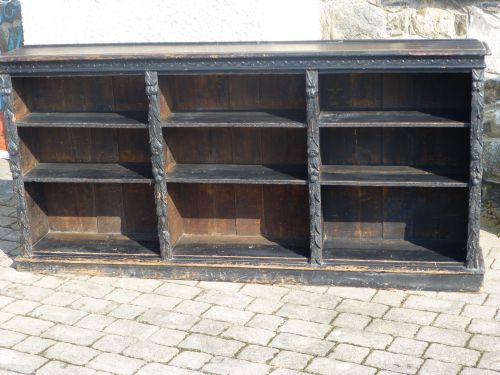
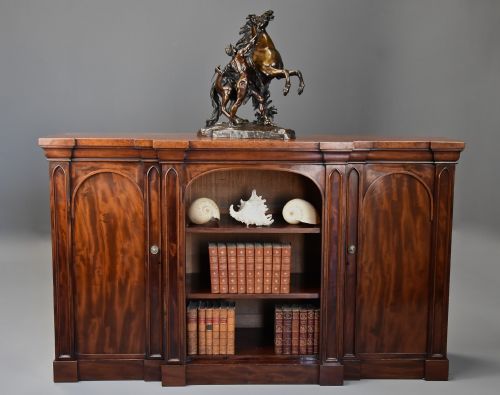
Open formats dominate the selection, though glazed doors and lower cupboards appear regularly. Makers shaped these low bookcases in standard rectilinear forms alongside breakfront and Gothic revival designs.
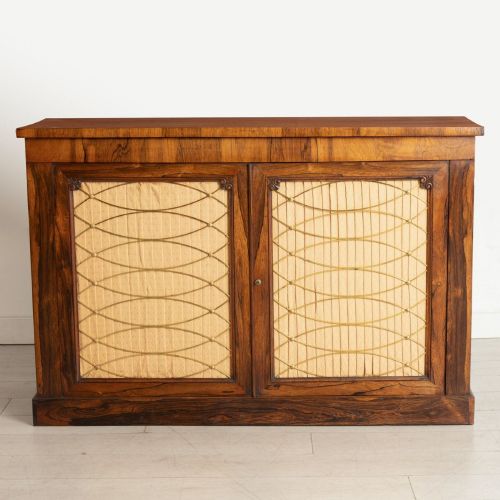
Most examples hail from the Victorian era, supplemented by related Regency and William IV pieces that share the same low stature. Side cabinets and low open library shelves complete the group.
Materials and Construction
Cabinetmakers built these low bookcases using solid hardwoods like mahogany and oak, often applying figured veneers of rosewood or walnut to primary surfaces. Flame mahogany veneer and goncalo alves add rich grain patterns to select pieces.
Gilt brass mounts, ormolu, and fine carving provide decorative contrast against the dark timber. Adjustable shelving systems allow practical arrangement of books within the compact frames.
Mahogany and rosewood dominate the timber selection, supported by oak, walnut, and goncalo alves across the nineteenth-century pieces.
Craftsmanship and Proportion
The standard of timber selection divides the ordinary from the exceptional, visible in the depth of figure within walnut and mahogany veneers. Matching of grain across doors and drawer fronts reveals the care taken at the workbench.
Refinement in subsidiary details, such as the crispness of carved green man motifs or Gothic tracery, elevates specific pieces. The quality of original brass fittings and the smoothness of adjustable shelf mechanisms further separate workshop output.
Shoolbred & Co
The Victorian Dwarf Bookcase Glossary
- Dwarf bookcase
- A low-standing bookcase designed to sit below dado height. This proportion keeps ceilings feeling high and books within arm's reach.
- Breakfront
- A piece of furniture where the central section projects forward from the flanking wings. This layout adds architectural depth to the room.
- Goncalo alves
- A dense tropical hardwood known as zebrawood, prized for its dramatic contrasting brown and golden stripes. It appears on select high-end nineteenth-century cabinets.
- Ormolu
- Cast bronze that has been gilded with gold leaf, used for decorative mounts on fine furniture. It highlights key architectural lines and corners.
Victorian Dwarf Bookcase: Frequently Asked Questions
What is a dwarf bookcase?
A dwarf bookcase is a low-level piece of furniture designed to hold books beneath normal eye level. Its height allows the wall space above to remain open for pictures or mirrors.
These compact units fit comfortably into smaller rooms where tall library bookcases would overwhelm the space.
How were these bookcases used?
Nineteenth-century households placed these low bookcases in studies, drawing rooms, and parlours to keep frequently read volumes close at hand. The top surface also served as a display area for clocks, bronzes, or small ornaments.
Open versions provided quick access, while glazed doors protected leather-bound volumes from dust and soot.
Are the shelves adjustable?
Many nineteenth-century examples feature adjustable shelves supported by brass studs or wooden ratchets. This adaptability allowed owners to reconfigure the interior space for books of varying heights.
Fixed shelves do appear on simpler country house pieces and certain earlier forms.
How do I spot a Regency piece?
Regency and early nineteenth-century pieces often display classical restraint, incorporating rosewood timbers, brass inlay, and gilt mounts. Their lines draw inspiration from ancient Roman and Greek design.
Later Victorian versions frequently embrace heavier proportions or revival styles such as Gothic tracery and carved details.