

Victorian Low Ottoman
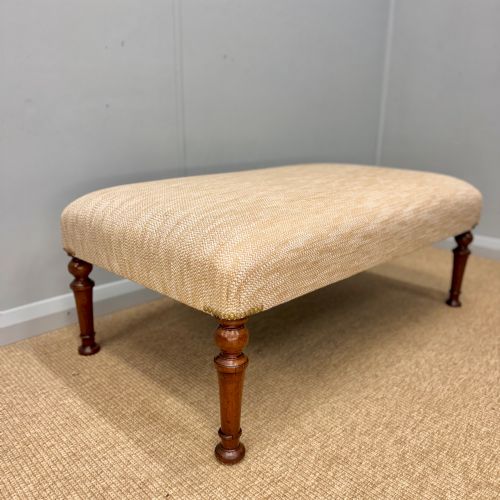
A victorian low ottoman provides a grounded seat or rest, bringing solid nineteenth-century timber frames and traditional upholstery into a room.
Victorian Low Ottoman
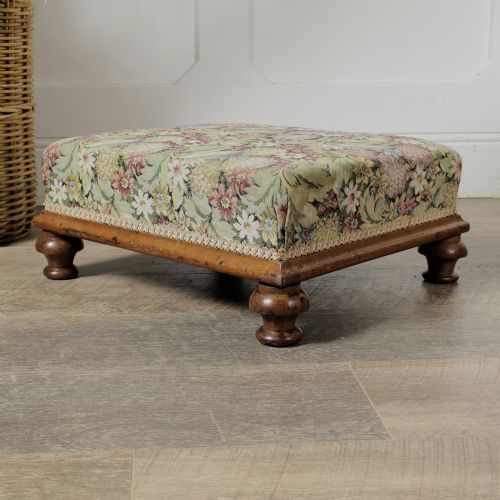
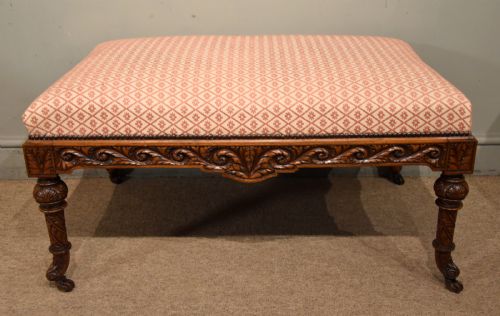
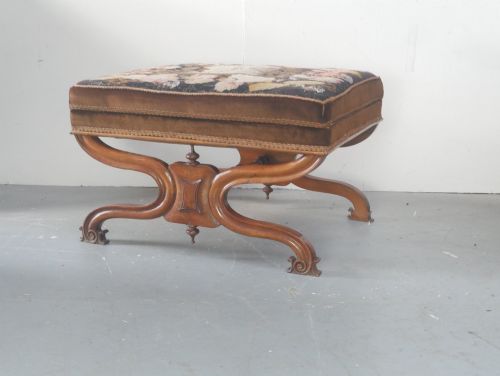
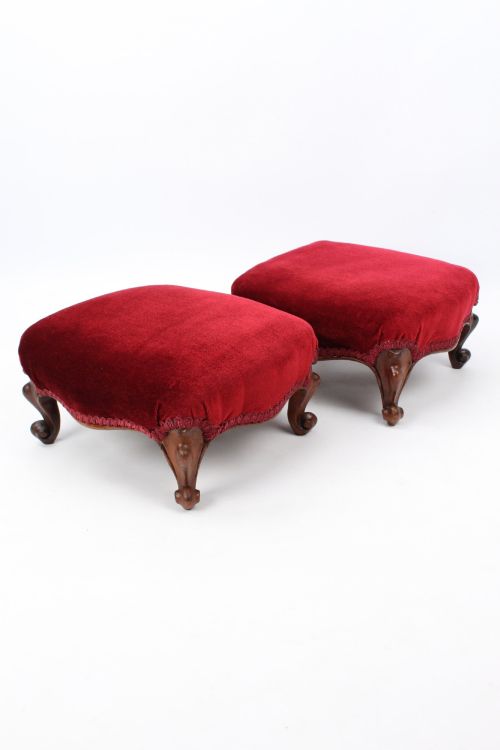
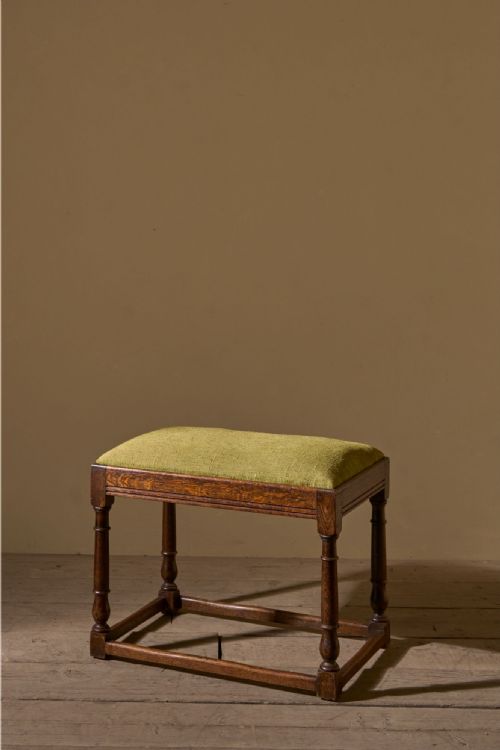
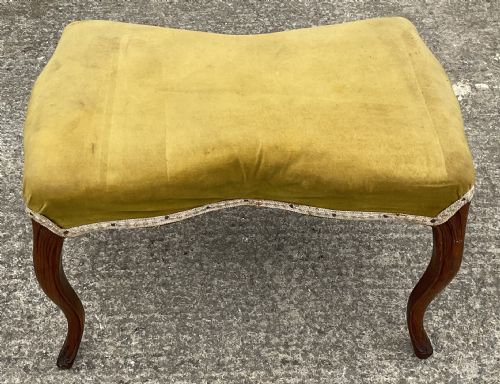
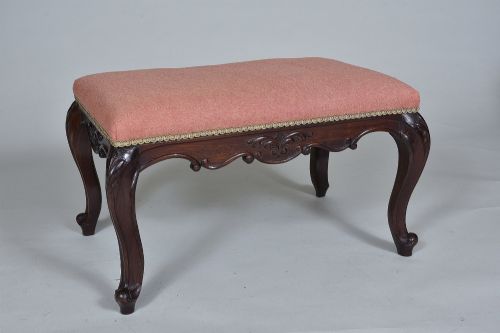
A victorian low ottoman appears primarily as a footstool, dressing stool, or salon seat, often taking an oblong or circular shape close to the floor. These pieces serve as functional low rests or occasional seats, frequently supported on brass castors for movement across a room.
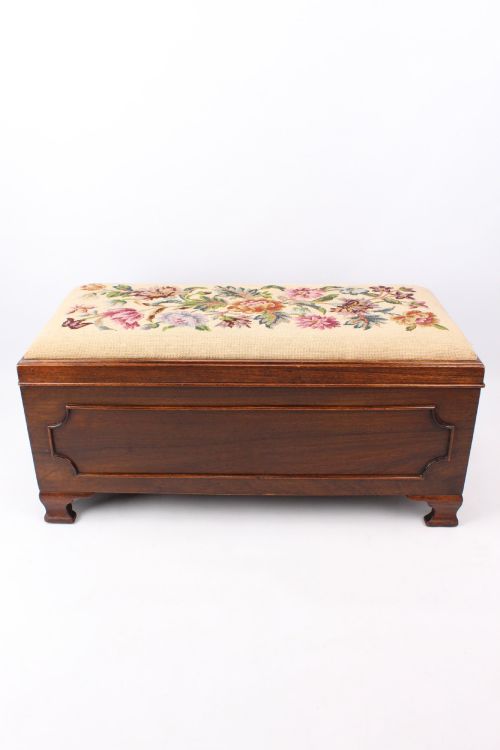
The materials and styles span from standard mahogany and walnut frames to Anglo-Indian rosewood and heavier Scottish Baronial forms. Buyers commonly encounter standard Victorian rectangular footstools alongside occasional box ottomans and wider low coffee table conversions.
Origins stretch across nineteenth-century English workshops, alongside occasional French and Anglo-Indian imports. While many pieces date directly to the Victorian era, related examples draw on earlier Georgian and Regency proportions.
Materials and Construction
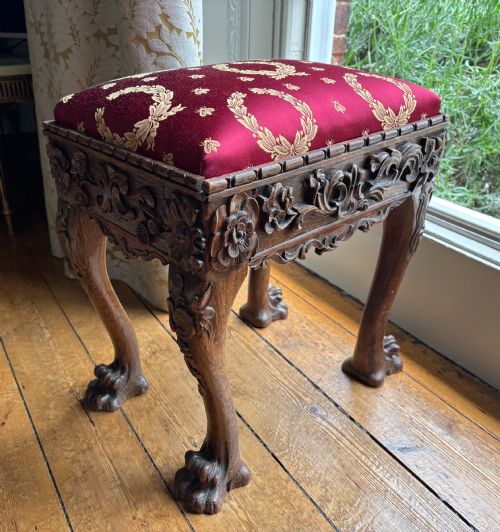
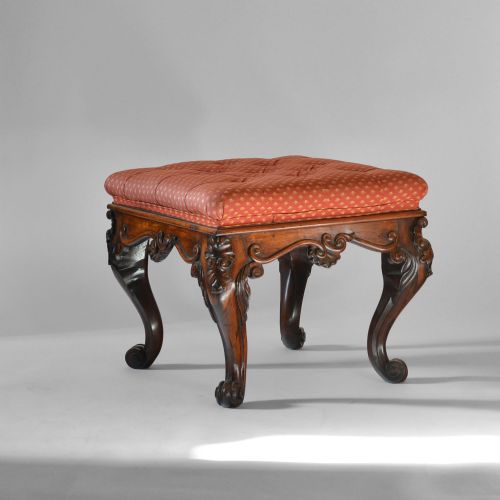
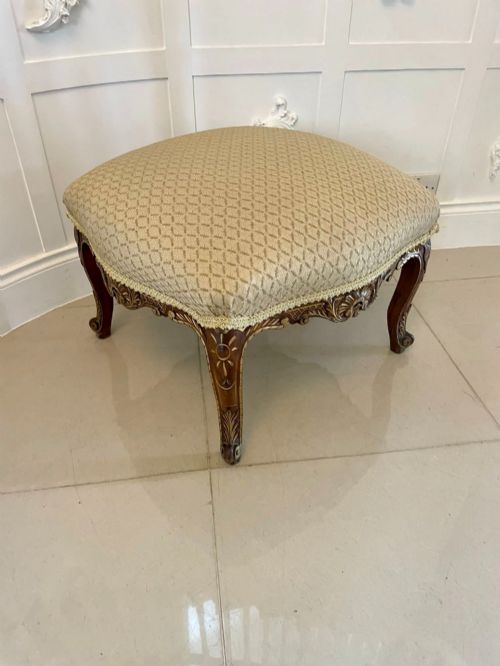
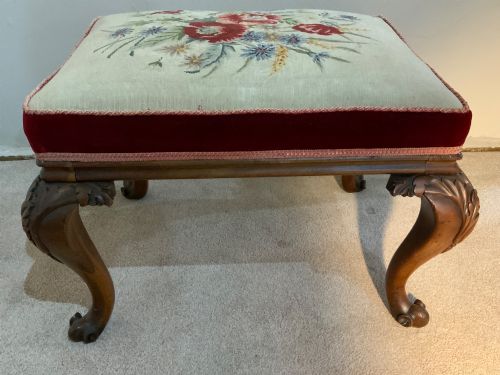
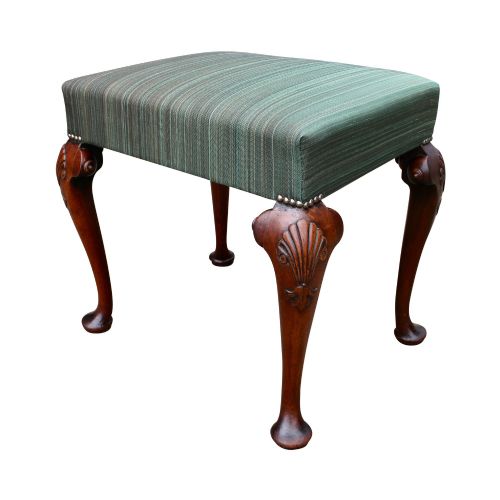
Frames rely on dense hardwoods like mahogany, walnut, rosewood, and oak, carved into cabriole legs or solid box structures. These timbers provide the rigid structural skeleton necessary to support padded seating and frequent use.
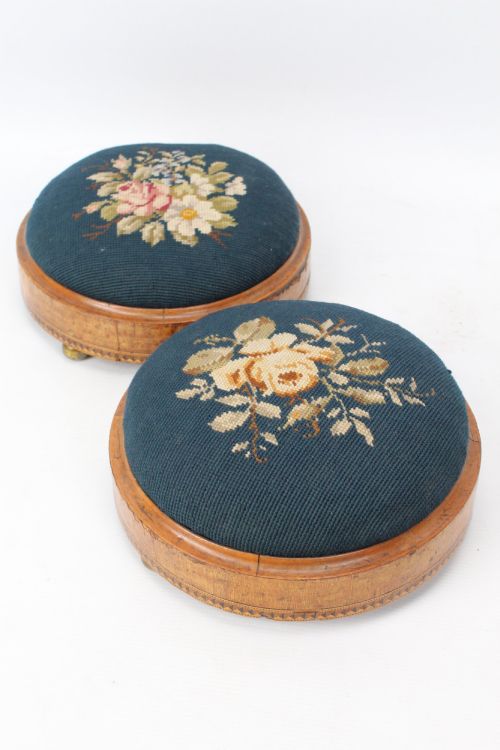
Upholstery incorporates heavy textiles, velvet, leather, needlework, tapestry, and woven rattan, fixed over traditional padding. Brass hardware such as castors appears frequently on low-slung frames to aid mobility.
Victorian Low Ottoman Retail Price Guide 2026
Typical asking prices for victorian low ottoman among the pieces listed under this phrase on Sellingantiques today, from the lower quarter to the upper quarter. They describe what is for sale here now, not the wider market.
Listings feature nineteenth-century pieces constructed from mahogany, walnut, rosewood, and oak.
Judging Quality
Quality rests in the crispness of the timber carving on walnut and rosewood frames, alongside the integrity of the underlying joinery. Superior examples maintain sturdy joints and well-defined decorative details without loose framing.
The choice of covering material and the execution of the upholstery dictate the finished character. Pieces retaining original needlework, leather, or period textile covers demonstrate high levels of preserved craftsmanship.
Howard and Sons·Gillows
The Victorian Low Ottoman Glossary
- Cabriole leg
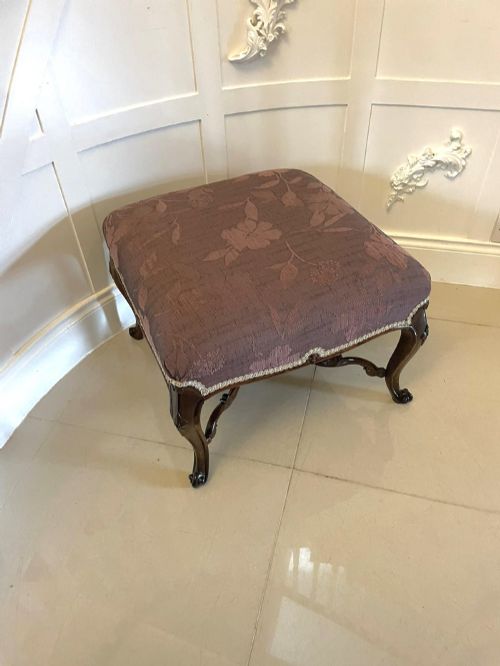
- A furniture leg that curves outward and then tapers inward, mimicking an animal shape. This style is frequently found on walnut and mahogany stools from the period.
- Ottoman
- A low upholstered seat or footrest without a back or arms. Some variants include box storage beneath the seat.
- Castor
- A small wheel fitted to the base of furniture legs for easy rolling. These are commonly cast in brass on nineteenth-century footstools.
Victorian Low Ottoman: Frequently Asked Questions
What is a victorian low ottoman used for?
These pieces function primarily as footstools, low seats, or short window benches. Their minimal height makes them suitable for resting feet or serving as low occasional seating.
Some larger box variants also operate as coffee tables or discreet storage trunks. They adapt easily to modern living spaces while retaining nineteenth-century proportions.
How do I identify a nineteenth-century frame?
Examine the timber species used for the structure, such as solid mahogany, walnut, or rosewood. Nineteenth-century framing typically displays traditional joinery methods and heavier weight than modern reproductions.
The presence of hand-carved details and period hardware like brass castors further confirms the age of the piece.
Are the upholstery covers original?
Many listings feature newly upholstered surfaces using traditional or heavy vintage textiles. Surviving original covers in materials like leather, tapestry, or needlework appear less frequently due to natural wear over time.
Buyers should check individual descriptions to determine whether the fabric is period-authentic or a modern replacement.
Can these stools be used as coffee tables?
Wider rectangular ottomans and box stools adapt well to serving as low coffee tables. Their sturdy wooden frames and flat upholstered or wooden tops provide a stable surface for everyday items.
Their reduced height ensures they sit comfortably below standard eye lines in a living room.