




Edwardian Foot Stool
An Edwardian foot stool brings domestic comfort and period charm to a room, offering low seating or a rest for the feet.
Edwardian Foot Stool
When you search for an edwardian foot stool, you encounter low seating designed for resting the feet or small seats placed near armchairs. The pieces appearing here span compact upholstered footstools, long ottomans, and specialised forms like piano stools or gout stools.
While the archive and current listings include earlier Victorian items and pieces from the nineteen-twenties, the Edwardian examples form the core of what you see. These range from simple beechwood frames to substantial mahogany and walnut designs carrying needlepoint tapestry or velvet upholstery.
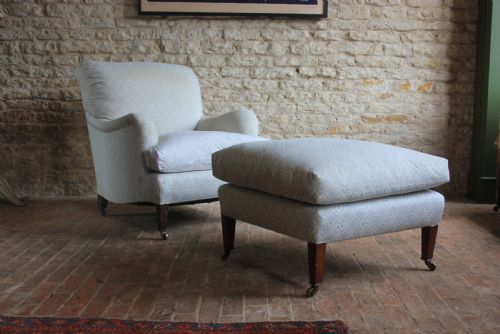
Makers utilised various timbers and fabrics to suit the formal drawing room or the simpler parlour. You find both individual footstools and pairs, alongside larger companions made to match armchairs.
Materials and construction
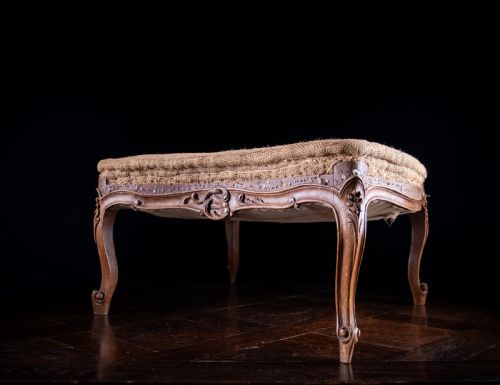
Makers built the frames of an edwardian foot stool using timbers such as mahogany, walnut, oak, beech, and occasional ebonised or gilt-wood. These woods were turned, carved, or left with simple clean lines depending on the chosen style.
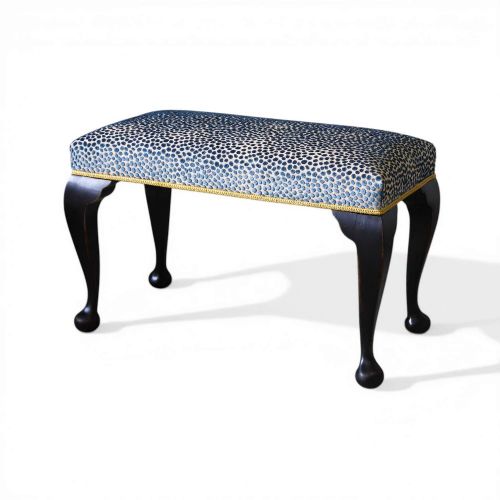
Upholstery forms a primary component of these pieces, employing fabrics like velvet, needlepoint tapestries, kilim, and button leather, often finished with braid trim. Metal elements such as brass appear on castors, hinges, or adjustable mechanisms for gout stools.
Edwardian Foot Stool Retail Price Guide 2026
Typical asking prices for edwardian foot stool among the pieces listed under this phrase on Sellingantiques today, from the lower quarter to the upper quarter. They describe what is for sale here now, not the wider market.
Some Edwardian foot stools double as ladies' carriage foot warmers, keeping toes cosy during chilly nineteenth-century horse-drawn journeys.
Judging quality
Quality in an edwardian foot stool rests on the solidity of the timber frame and the precision of any carving or turning. Heavier hardwoods like mahogany and walnut generally indicate a more substantial piece than softer or secondary woods.
The integrity of the original upholstery materials, including needlepoint tapestry or button leather, and the complexity of the frame design separate standard examples from finer workshop productions.
Howard & Sons·Leveson of Knightsbridge
The Edwardian Foot Stool Glossary
- Gout stool
- An adjustable footstool designed to elevate and support the foot for those suffering from joint ailments. These often feature mechanical ratchets to alter the angle.
- Tunbridge ware
- Small woodwork decorated with tiny mosaic wooden tesserae forming geometric or pictorial patterns. It appears on inlaid table tops and small furniture in the Victorian period.
- Duchesse brisee
- An armchair accompanied by a matching footstool or ottoman that together form a long daybed. The pieces function either separately or joined.
- Needlepoint
- Hand-stitched embroidery executed on an open-weave canvas mesh. It frequently covers the seats of period footstools and chairs.
- Cabriole leg
- A furniture leg that curves out in a convex arc and then bends in a concave arc resembling an animal's leg. It terminates in a pad, scroll, or claw foot.
Edwardian Foot Stool: Frequently Asked Questions
How were footstools used?
These low seats served primarily to support the feet while sitting in armchairs or by the fireplace. They also provided extra seating when rooms were crowded with guests.
Specialised versions, such as piano stools or gout stools, met the specific needs of musicians and those requiring physical support during long periods of sitting.
Are these pieces comfortable for daily use?
Most Edwardian footstools offer solid support beneath traditional upholstery, though cushioning varies by piece. Many retain firm stuffing that suits modern sitting habits.
Pieces with adjustable mechanisms or padded velvet and leather tops provide functional comfort alongside their decorative appeal.
How do I care for the upholstery?
Needlepoint tapestries and fabric covers require gentle vacuuming with a soft brush attachment to remove dust. Avoid harsh chemical cleaners that might damage period textiles.
Wooden frames benefit from occasional polishing with appropriate beeswax to nourish the timber without affecting the finish.
How can I tell an Edwardian footstool from a Victorian one?
Edwardian pieces generally display lighter timbers like mahogany or satinwood and simpler, less heavy carving than their Victorian predecessors. They often favour neoclassical or simpler revival styles.
Victorian footstools tend to feature darker walnut or rosewood, heavier proportions, and dense Tunbridge ware inlay or ornate button upholstery.