
Victorian Low Centre Table
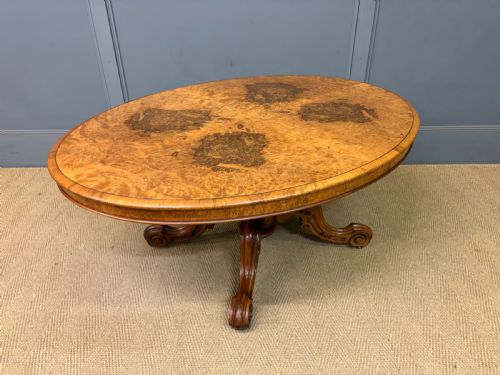
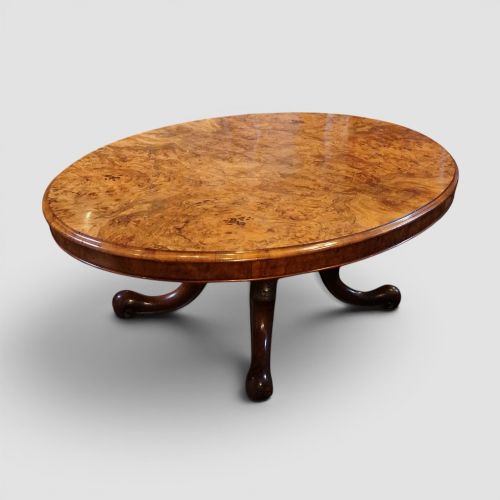
A victorian low centre table brings nineteenth-century cabinet work to modern seating, offering a solid timber surface built for daily use.
Victorian Low Centre Table
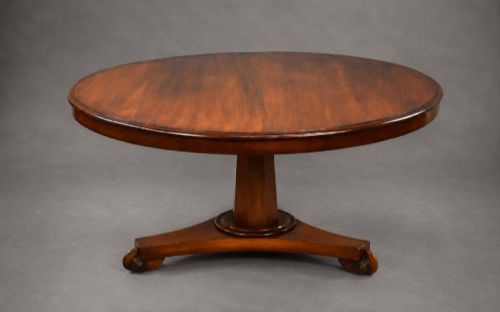
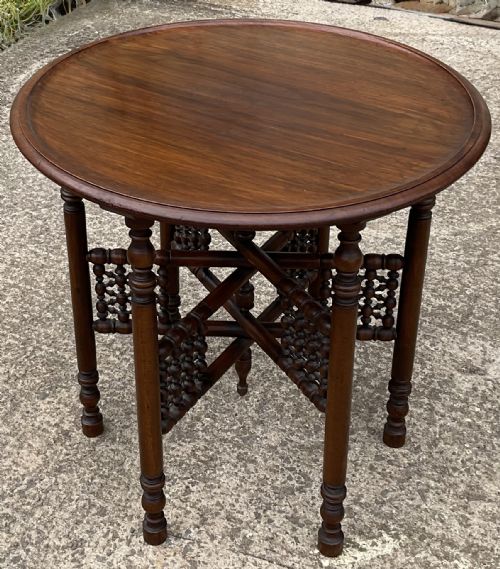
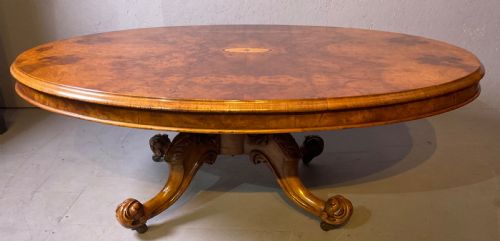
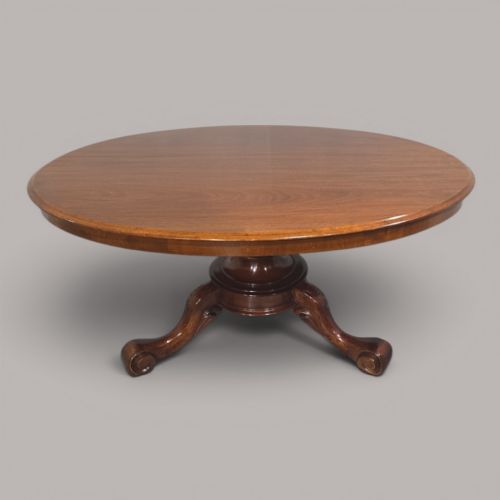
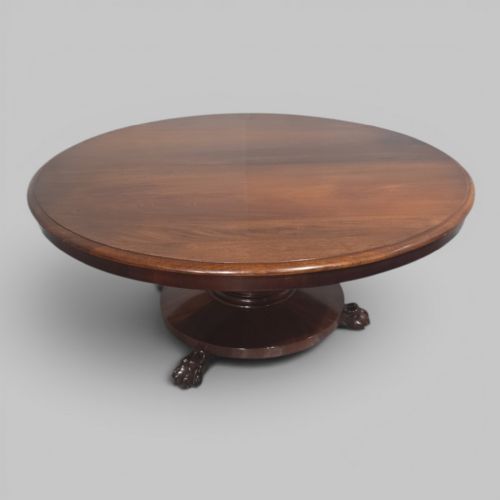
A victorian low centre table serves as a sturdy platform in a reception room, combining nineteenth-century joinery with a lowered proportion suited to modern seating arrangements. These pieces appear primarily as walnut, burr walnut, and mahogany coffee tables or occasional tables, alongside occasional oak and rosewood examples.
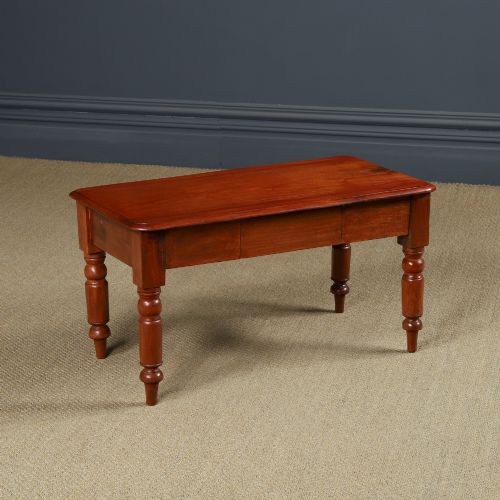
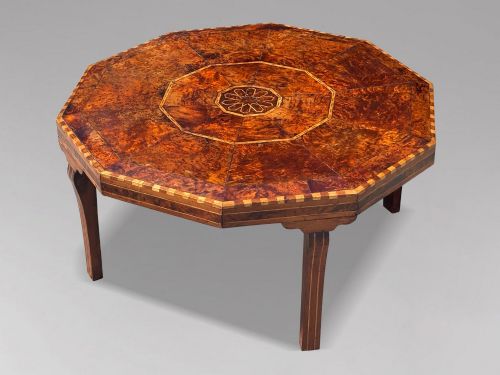
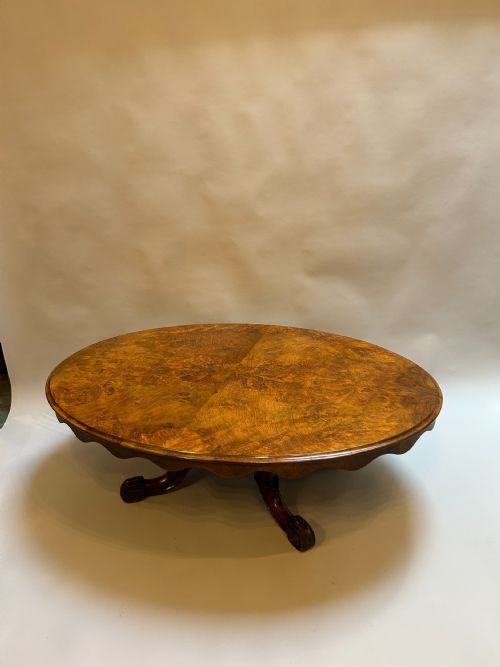
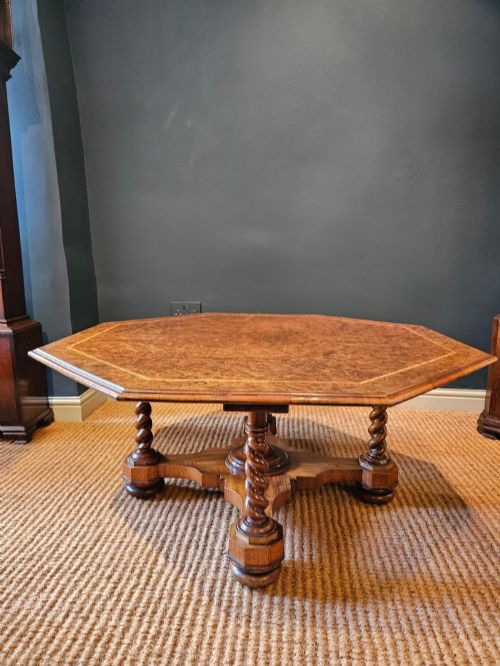
Most pieces date from the nineteenth century, including specific decades such as 1860, 1870, and 1880, while related pieces span periods from William IV and Regency to later revivals. Forms range from simple rectangular tops to large octagonal and oval surfaces.
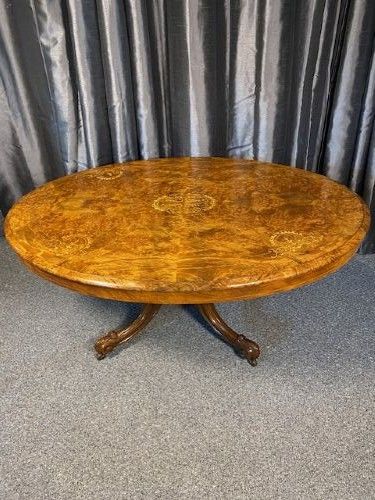
Makers and workshops of the period utilised timber grains for visual weight, often setting burr veneers or marquetry inlay across the top. Buyers encounter both original low formats and older tables adapted to coffee table height.
Materials and construction
Cabinet makers constructed these tables using dense hardwoods including walnut, burr walnut, mahogany, and rosewood, sometimes supported by secondary timbers like pine or oak. Selected sections display intricate burr yew or boxwood inlay and marquetry patterns set into the primary surface.
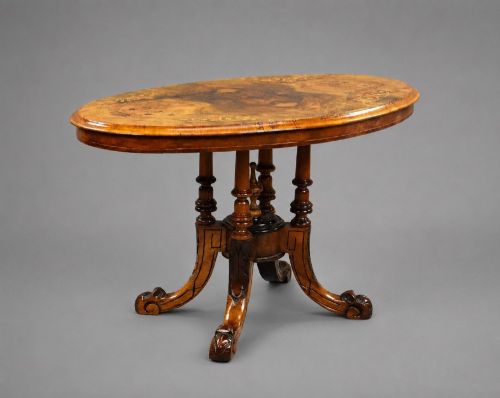
Bases range from hand-carved wooden pedestals and turned legs to cast iron tripod supports and occasional marble inserts. Joinery relied on traditional methods to secure heavy timber tops to central pillars or four-legged frames.
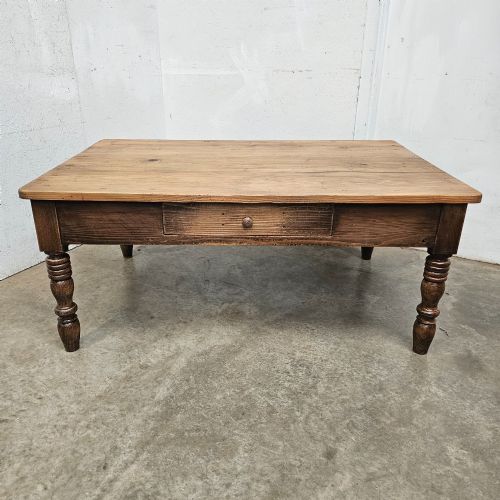
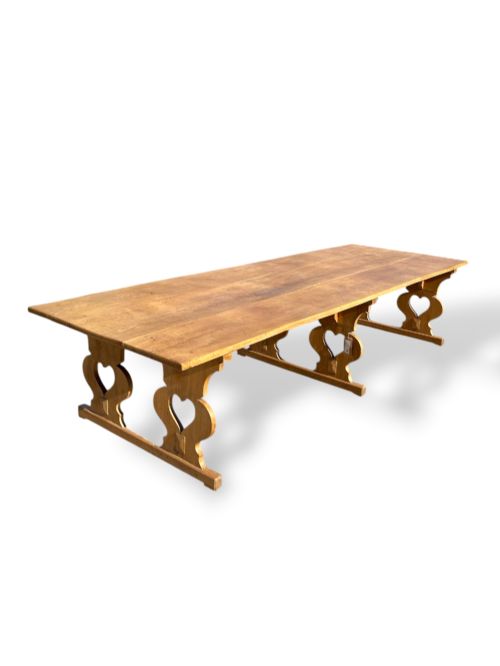
Table forms span simple pine surfaces, octagonal marquetry tops, and circular Anglo-Indian carvings.
Judging quality
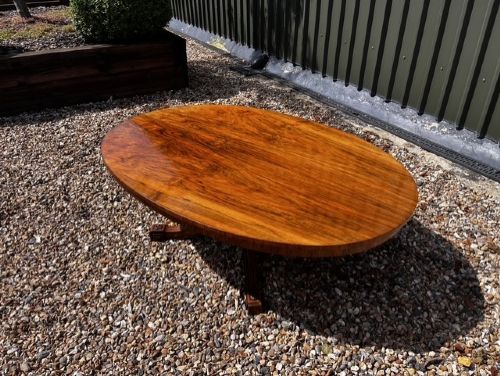
Quality rests on the selection of timber veneers, such as richly figured burr walnut or rosewood, and the crispness of hand-carved details on the legs and base. Superior examples demonstrate precise marquetry inlay and balanced proportions across large oval or octagonal formats.
Attribution to documented workshops like Gillows or Holland & Sons elevates a piece, as does the integration of original mounts, marble tops, or games table functions.
Holland & Sons Of London·Gillows of Lancaster
The Victorian Low Centre Table Glossary
- Burr walnut
- A veneer taken from the knot growths of walnut trees, prized for its swirling, highly figured grain patterns. It forms the primary decorative surface on many high-end Victorian tables.
- Marquetry
- The art of applying pieces of veneer to a structure to form decorative patterns and pictures. Craftsmen used contrasting timbers like boxwood to create geometric or floral motifs.
- Centre table
- A freestanding piece designed to be viewed from all sides rather than pushed against a wall. These often feature finished carving or inlay across the entire top and base.
- Occasional table
- A small, versatile table intended for intermittent use around a room. They share domestic spaces with larger centre and coffee tables.
- Tripod base
- A support structure resting on three feet, commonly carved or cast in iron. It provides stability for circular and octagonal tabletops.
Victorian Low Centre Table: Frequently Asked Questions
What is a victorian low centre table?
A victorian low centre table is a nineteenth-century wooden table, typically fashioned from walnut, mahogany, or rosewood, adapted or built for use as a coffee table.
These pieces feature polished timber tops, sometimes with marquetry inlay, supported by carved wooden bases, pedestals, or occasionally cast iron frames.
How do I date a victorian table?
Dating relies on timber selection, construction methods, and stylistic cues such as the heavy rosewood of the William IV period or the burr walnut favoured in the 1870s and 1880s.
Makers' stamps, brass locks, and characteristic carving styles also help place a table within the nineteenth century.
Were these tables originally this low?
Many tables found at coffee table height were originally taller centre tables, dining tables, or occasional tables that were subsequently reduced in height during the twentieth century.
Some period examples, however, were made low from the outset for specific seating arrangements or as centre stools.
How do I care for a burr walnut top?
Burr walnut requires protection from direct sunlight and excessive moisture to prevent the delicate veneers from lifting or fading over time.
Regular dusting with a dry cloth and occasional application of appropriate furniture wax keeps the polished timber nourished.