




Victorian Liqueur Glasses
Victorian liqueur glasses are small drinking vessels from the nineteenth century designed for after-dinner spirits, bringing period charm to modern tables.
Victorian Liqueur Glasses
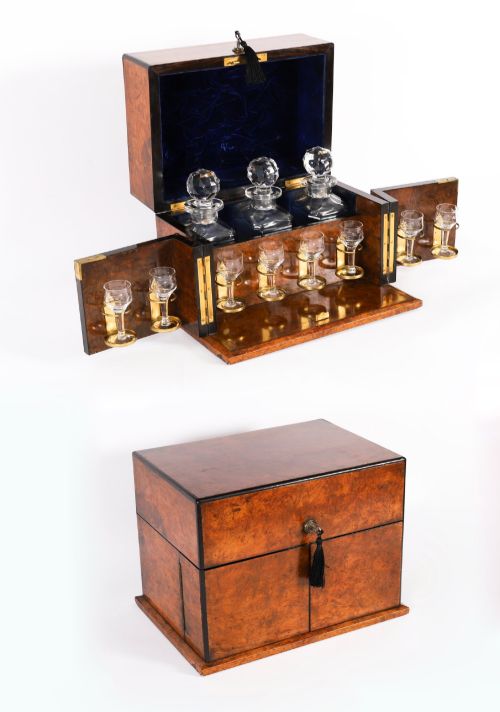
Victorian liqueur glasses are small drinking vessels designed for spirits and cordials, appearing alongside sets, tantaluses, and decanters in nineteenth-century homes. The examples seen here include coloured liquor glasses alongside larger service sets and matching ewers from the Victorian era.
Buyers will encounter these pieces within wider drinks services, mounted stands, and cabinets rather than solely as individual vessels. Their forms reflect the formal hospitality customs of the nineteenth century, often grouped with matching decanters and trays.
The materials and styles span standard Victorian cut crystal and coloured glass alongside specialised items like Russian silver vodka cups and Black Forest wooden liqueur cellars. This variety reflects the diverse manufacturing output of the period across different European centres.
How they were made
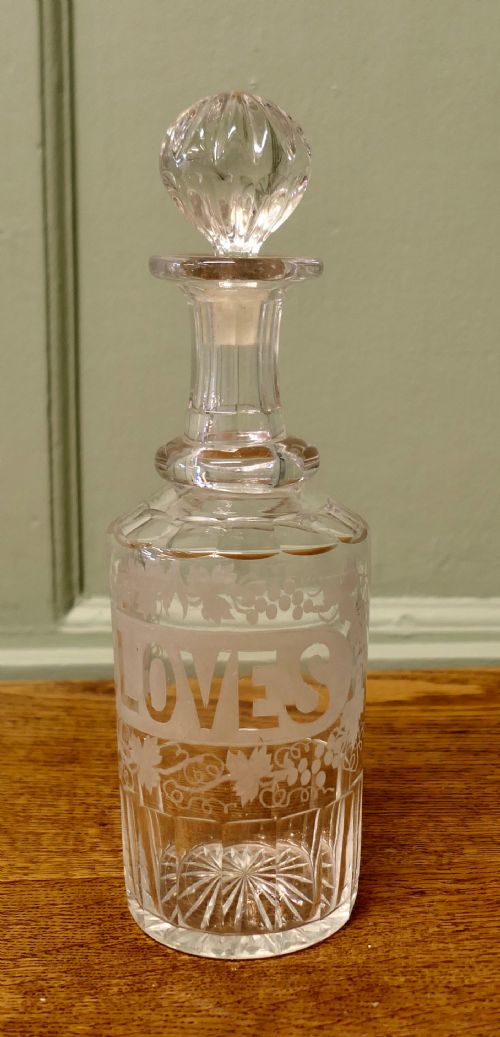
The pieces are formed from glass and lead crystal, utilising cutting, etching, and colouring techniques to create decorative surface patterns. Coloured and frosted finishes appear frequently alongside traditional clear crystal.
Many items incorporate metalwork components, utilising silver plate, brass, and solid silver for mounts, stands, and bottle tops. Wooden elements in satinwood and mahogany also feature in accompanying caddies, tantaluses, and games boxes.
Victorian Liqueur Glasses Retail Price Guide 2026
Typical asking prices for victorian liqueur glasses among the pieces listed under this phrase on Sellingantiques today, from the lower quarter to the upper quarter. They describe what is for sale here now, not the wider market.
Materials recorded across the current inventory include lead crystal, satinwood, mahogany, brass, enamel, and silver plate.
What varies in quality
Quality in these drinking vessels rests upon the crispness of the glass cutting, the clarity of the crystal, and the depth of any etching. Superior examples display precise facets and clean rims without optical distortion.
The standard of associated metalwork and cabinetry dictates the overall grade of a set. Silver plated mounts, fitted wooden stands in satinwood or mahogany, and complete matching sets command greater interest than standalone or mismatched components.
Aleksandr Timofeyevich Shevyakov
The Victorian Liqueur Glasses Glossary
- Tantalus
- A locked wooden frame holding decanters that displays the contents while preventing unauthorized access. They often incorporate games compendiums and storage compartments.
- Ewer
- A large jug with a wide spout used for pouring liquids, appearing in matched pairs or alongside glassware in the listings. These often feature decorative silver or metal mounts.
- Lead Crystal
- A heavy, brilliant form of glass containing metallic oxide that allows for deep cutting and light refraction. It provides the material foundation for many period decanters and glasses.
- Silver Plate
- A base metal coated with a thin layer of silver, commonly used for the trays, stands, and mounts of nineteenth-century drink sets. It offered the appearance of solid silver at a lower cost.
Victorian Liqueur Glasses: Frequently Asked Questions
What are Victorian liqueur glasses used for?
These small vessels were designed for serving strong after-dinner spirits and cordials in modest quantities during the nineteenth century. Their diminutive size suited the high-proof nature of traditional liqueurs.
Today, they function both as decorative cabinet pieces and as usable glassware for post-dinner drinks. Collectors often group them with period decanters and serving trays.
How do I identify Victorian glassware?
Identification relies on examining the weight of the glass, the style of the cutting, and the overall form characteristic of nineteenth-century manufacture. Many pieces exhibit distinct pontil marks or hand-etched decoration.
Context also helps with attribution, as these glasses frequently arrive housed in fitted wooden stands, silver-plated frames, or complete drink sets alongside matching decanters.
Are these glasses safe to use?
Most nineteenth-century crystal and glass can be used gently for serving drinks, provided they are washed by hand in lukewarm water. Extreme temperature changes should be avoided to prevent thermal shock.
Pieces with delicate enamel work or silver-plated mounts require extra care during cleaning and storage to preserve the metal and decorative surfaces.
What is a Black Forest cave de liqueur?
A cave de liqueur is a portable wooden cellarette, often carved in the distinctive Black Forest style, designed to securely house decanters and liqueur glasses. These elaborate boxes typically feature hinged lids and fitted interior compartments.
They represent the more decorative end of nineteenth-century hospitality equipment, combining functional storage with intricate woodworking craftsmanship.