
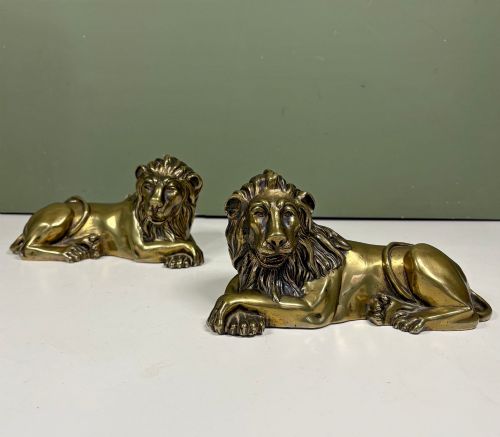

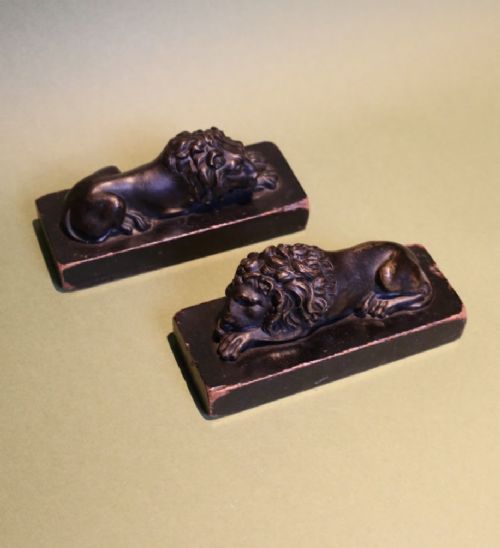


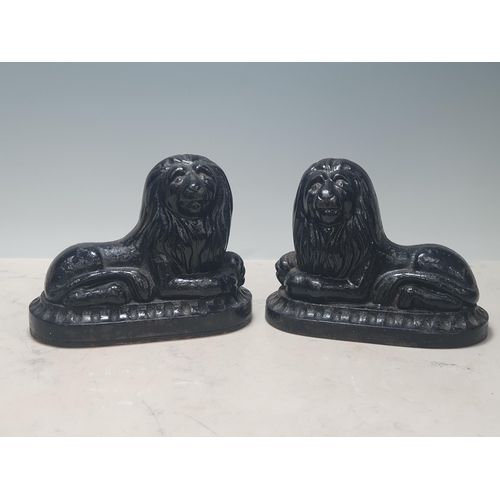
Victorian Lion Statue
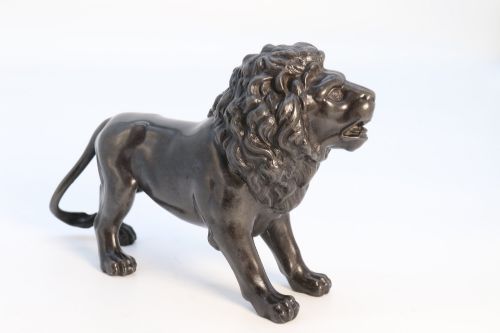
A Victorian lion statue brings classical majesty and a commanding presence to a room, garden or desk.
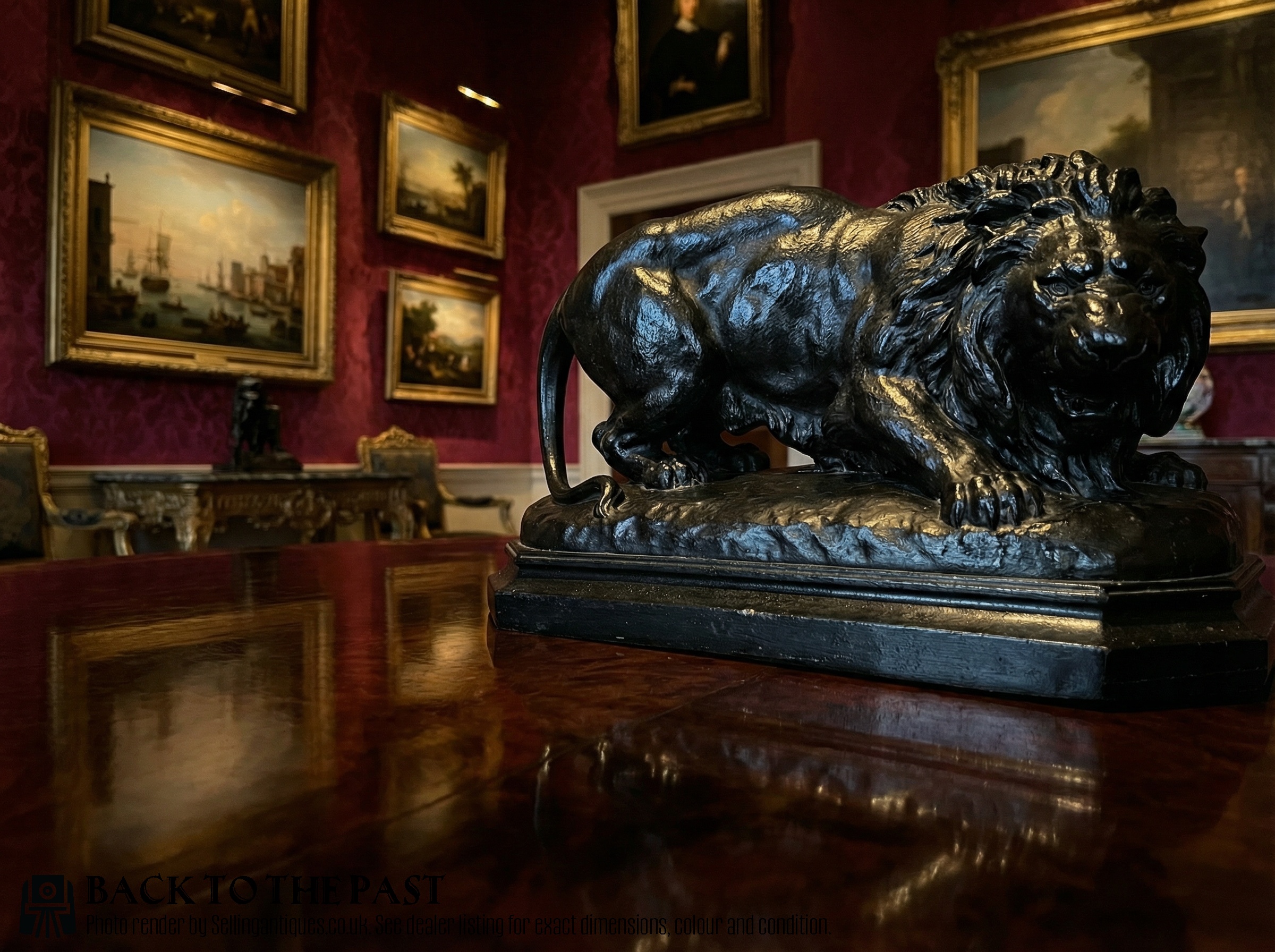
Victorian Lion Statue
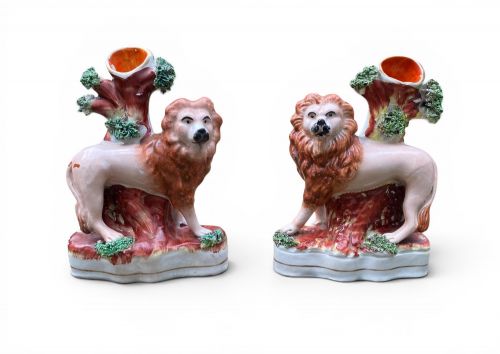
A victorian lion statue takes many forms across this selection, ranging from heavy terracotta garden ornaments and cast iron gate guardians to refined gilt bronze desk accessories and earthenware spill vases. Most examples date from the nineteenth century, with specific pieces appearing from the eighteen fifties through to the nineteen thirties.
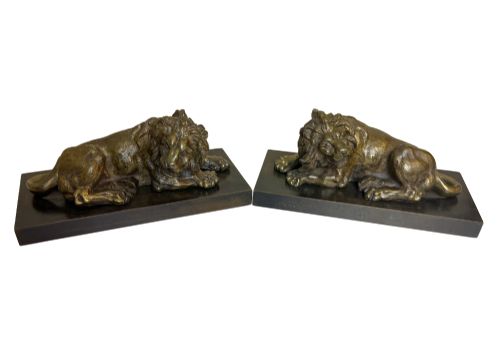
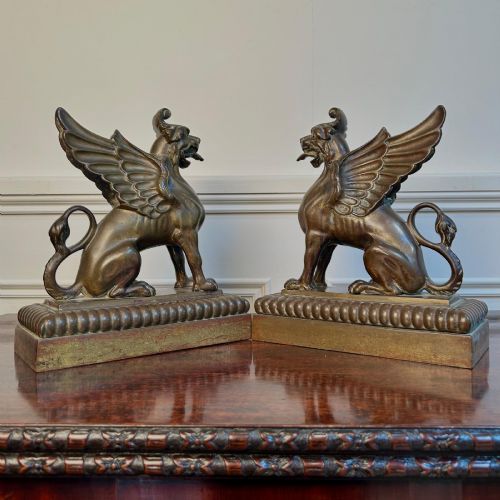
The aesthetic draws heavily on classical, neoclassical and gothic revival traditions, echoing grand European monuments and stately homes. You will frequently encounter matched pairs designed for mantelpieces, bookcases as bookends, or plinths flanking an entranceway.
Materials and Construction
Foundries and potteries utilised a diverse palette of materials, casting figures in bronze, brass, cast iron and terracotta, or modelling them in earthenware, ceramic and marble. Many earthenware and pottery items feature hand-painted details, lustrous glazes or simple black paint over metal.
Larger architectural pieces rely on robust terracotta and salt-glazed pottery designed to withstand outdoor elements, while interior desk studies and inkstands employ fine marble bases, gilt bronze and carved stone.
Several fierce beasts double as domestic helpers, holding up heavy library books or standing ready to provide a light for your pipe.
Assessing Craftsmanship and Presence
The distinction between ordinary production pieces and superior works lies in the crispness of the modelling and the depth of surface finish. Master modellers captured musculature, expression and stance with anatomical conviction rather than generic repetition.
Scale and material weight also dictate character, where monumental terracotta proportions or finely chased bronze details elevate an object from simple decorative ware to a commanding sculpture.
Lancaster and Sons of Hanley·Antoine-Felix Boure·Hurlford Kilmarnock
The Victorian Lion Statue Glossary
- Spill vase
- A hollow ceramic holder designed to store wooden spills used for lighting fires or pipes. They often depict animals flanking the central tube.
- Inkstand
- A desk accessory comprising a tray or stand holding an inkwell, frequently paired with decorative sculptural elements such as a recumbent lion.
- Terracotta
- Fired clay used extensively for garden ornaments and architectural sculptures. Its porous nature develops a rich weathered patina over time.
- Recumbent
- Lying down or resting with the head raised. This is a common posture for pair figures designed as bookends or gate guardians.
Victorian Lion Statue: Frequently Asked Questions
Where should I place a large terracotta lion?
Heavy terracotta and salt-glazed pieces suit garden terraces, porches or flanking entrance gates where they can withstand the weather.
Lighter ceramic and bronze versions belong indoors on sturdy tables, heavy sideboards or dedicated plinths.
How do I care for antique bronze and brass lions?
Dust metal sculptures gently with a soft dry cloth to prevent the accumulation of dirt in recessed areas.
Avoid abrasive cleaners or polishes that strip away the aged patina accumulated over the nineteenth century.
Are these statues suitable for outdoor use?
Terracotta, cast iron and salt-glazed pottery withstand outdoor environments effectively when placed on raised footings.
Plaster, earthenware and gilded items must remain indoors away from moisture and frost to preserve their surfaces.
How can I distinguish period pieces from later copies?
Examine the casting seams, glaze crazing and underside wear patterns typical of nineteenth-century manufacturing methods.
Hand-finished details and authentic surface weathering provide reliable indicators of age.