


Victorian Lighting Decor
Victorian lighting decor brings period atmosphere into a room through brass candlesticks, glass lustres, and oil lamps.
Victorian Lighting Decor
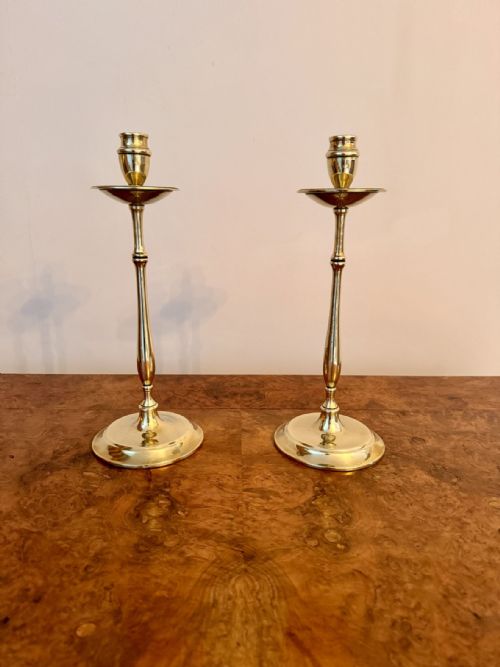
Victorian lighting decor spans functional and decorative pieces designed to illuminate interiors during the nineteenth century. When exploring victorian lighting decor, buyers encounter brass candlesticks, glass lustres, and oil lamps most frequently.
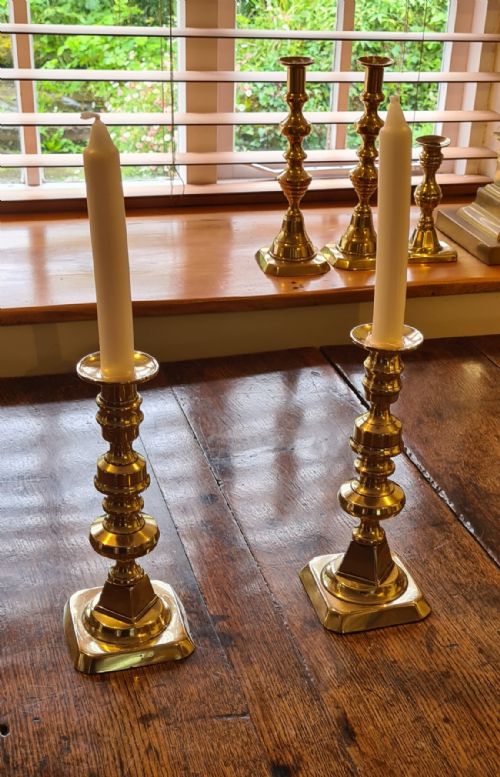
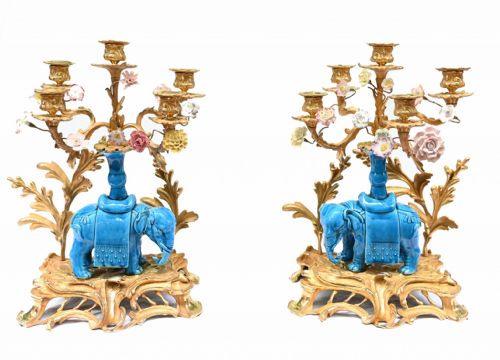
The selection ranges from utilitarian brass ejector sticks to elaborate church candlesticks and gilt brass candelabra stands. Period pieces also include table lamps, spirit dispensing barrel lamps, and mantel lustres fashioned from glass and porcelain.
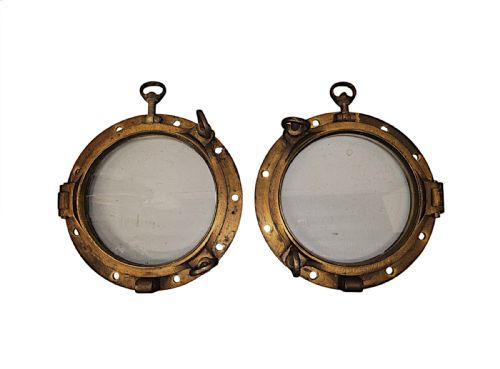
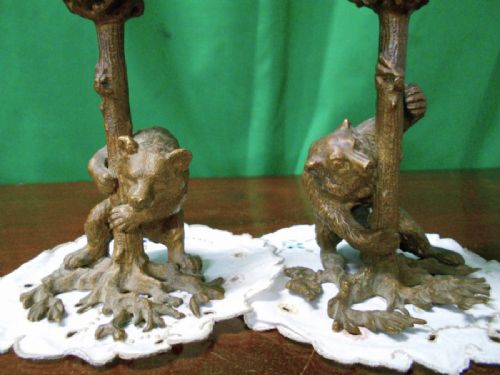
Makers drew upon diverse styles such as Gothic Revival, Maritime, Black Forest, and Greek Revival. Many examples date from the 1860s through to 1880, reflecting the dominant manufacturing periods of the era.
Materials and construction methods
Items in this category rely heavily on cast and turned brass, often formed into seamed candlesticks or ornate columns. Pewter, bronze, and silver provide alternative metal foundations for candlesticks and pricket sticks.
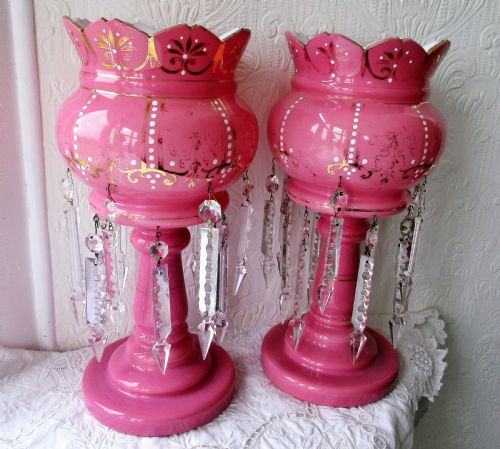
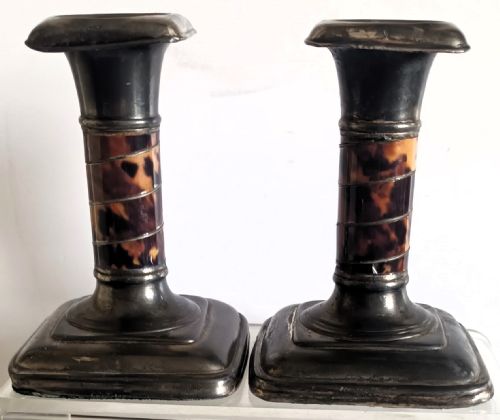
Glass and crystal appear frequently in pink glass lustres, spirit dispensing barrel lamps, and opaque oil lamp vessels. Artisans also incorporated materials such as tortoiseshell and enamel to add texture and colour to candlesticks.
Listings feature items spanning the 18th century to the 1920s, with a strong concentration of pieces originating in the Victorian era.
Distinctions in quality
Quality rests in the crispness of the casting and the weight of the metal, particularly in brass and bronze candlesticks. Superior examples display clean joints, well-defined decorative motifs, and balanced proportions.
Glass elements show distinction through clarity, depth of colour, and the intact survival of hanging prisms on lustres. Better pieces maintain their original components without replacement parts or structural compromise.
The Victorian Lighting Decor Glossary
- Lustre
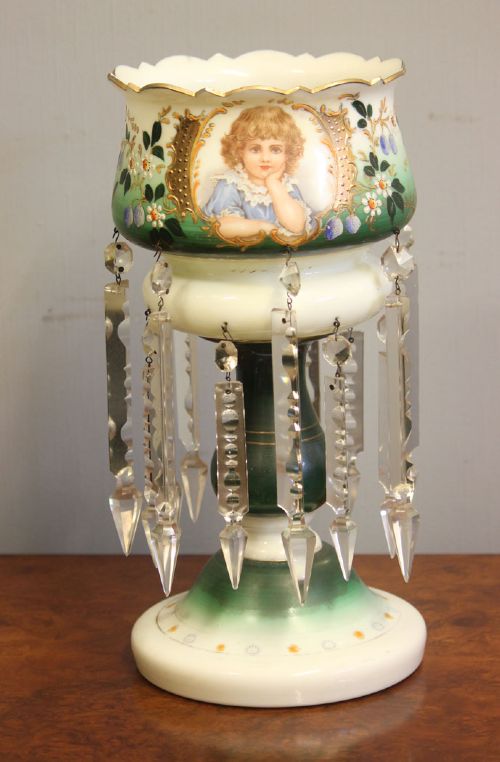
- A decorative tabletop vase or urn hung with cut glass prisms designed to reflect candlelight. They typically appear in pairs on mantelpieces.
- Ejector candlestick
- A brass candlestick fitted with an internal spring mechanism or push-rod to lift out the remaining candle stump. This feature made clearing burnt wax easier.
- Pricket stick
- A heavy candlestick featuring an upward-facing metal spike to secure the base of a large candle rather than a socket. These often derive from church or ecclesiastical settings.
- Candelabrum
- A branched candlestick holder designed to support multiple candles simultaneously from a single central stand. These pieces usually provided substantial illumination for formal rooms.
- Gothic Revival
- An architectural and decorative style that revived medieval forms, evident in pointed arches and heraldic motifs on metalwork. This aesthetic influenced nineteenth-century ecclesiastical and domestic metal pieces.
Victorian Lighting Decor: Frequently Asked Questions
How do I clean antique brass candlesticks?
Dust brass pieces gently with a soft dry cloth to preserve their surface patina. Avoid abrasive polishes that strip away the aged finish accumulated over decades.
Water and harsh chemical cleaners can damage delicate surfaces or residual lacquers. Keep metalwork dry and handle items carefully by their bases.
Were oil lamps used alongside candles?
Oil lamps provided brighter illumination than standard candles and served as primary light sources in Victorian living spaces. Glass and brass vessels held fuel while wicks burned to produce steady light.
Candlesticks remained popular for portability, allowing residents to carry light from room to room. Both forms of lighting coexisted throughout the nineteenth century.
What distinguishes Gothic Revival candlesticks?
Gothic Revival items feature architectural motifs inspired by medieval design, such as heavy tracery and pointed forms. These pieces often appeared in church settings or formal domestic interiors.
Craftsmen utilised cast brass and bronze to create substantial candlesticks and pricket sticks with dark patination. Their robust construction separates them from lighter domestic tableware.
How do I display glass lustres?
Glass lustres function best on mantelpieces, sideboards, or console tables where their hanging crystal prisms catch surrounding light. Placing them in pairs creates a symmetrical decorative arrangement.
Ensure they sit on stable, level surfaces away from heavy foot traffic to protect the dangling glass drops. Natural daylight enhances the rich colours of the glass vessels.