
Victorian Light Fixture
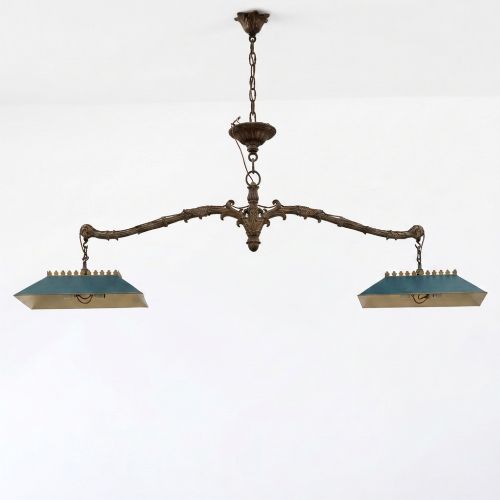
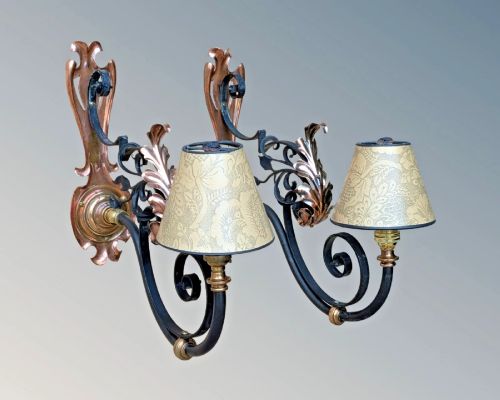
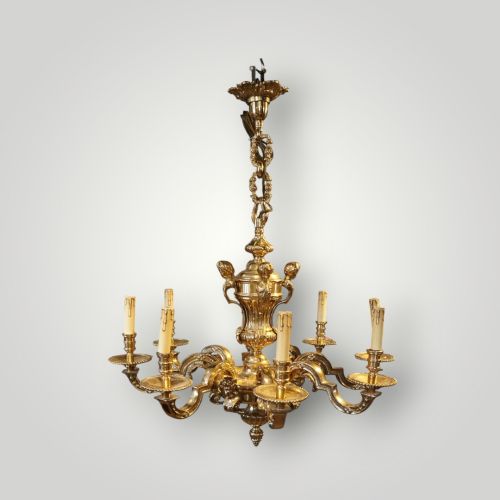
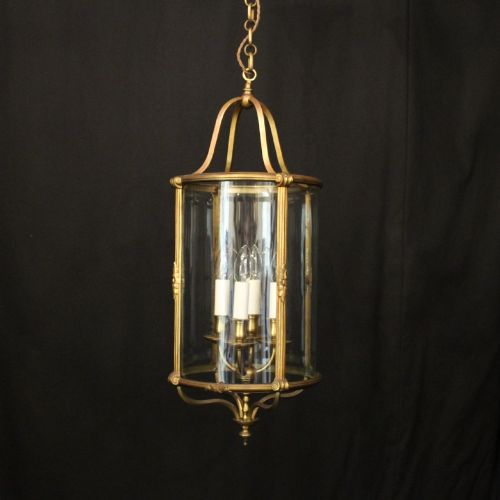
A victorian light fixture brings genuine period character to a room, offering functional illumination through solid brass, bronze and glass.
Victorian Light Fixture
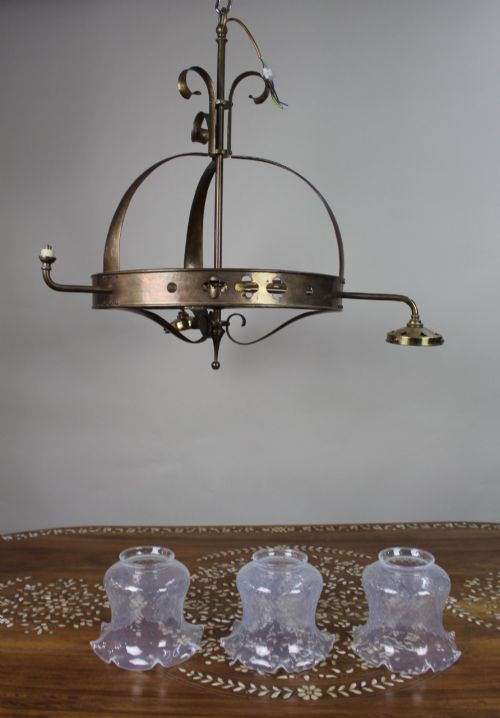
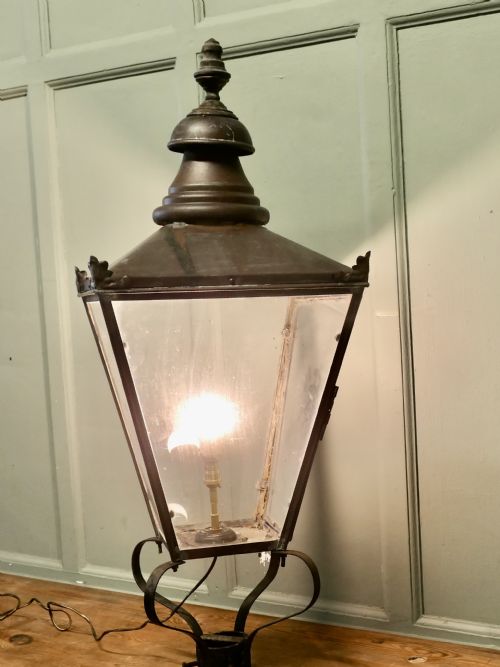
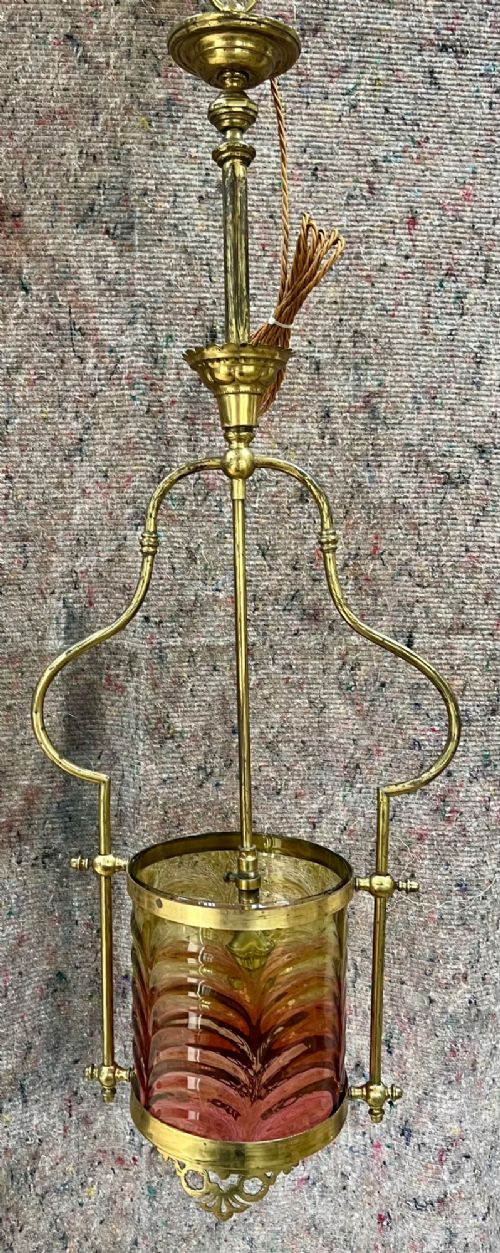
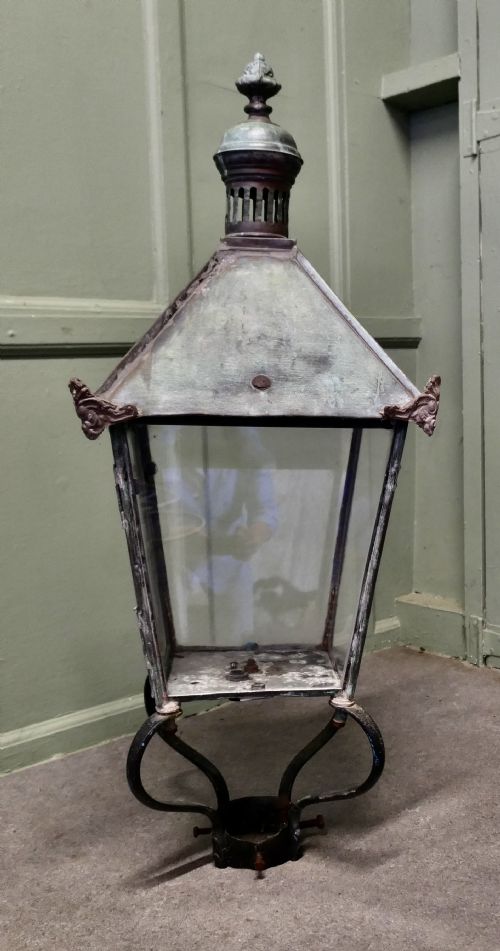
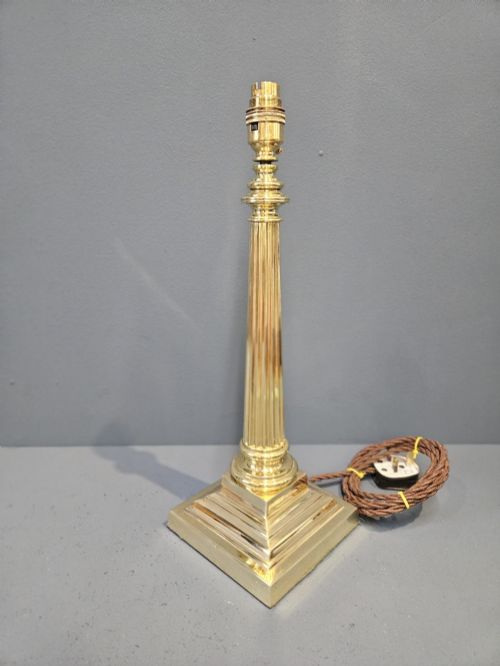
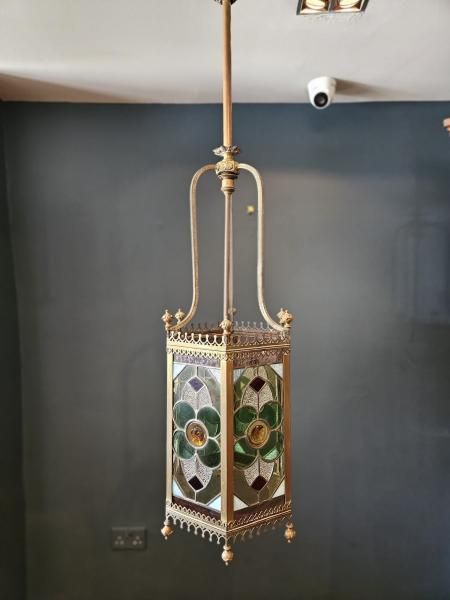
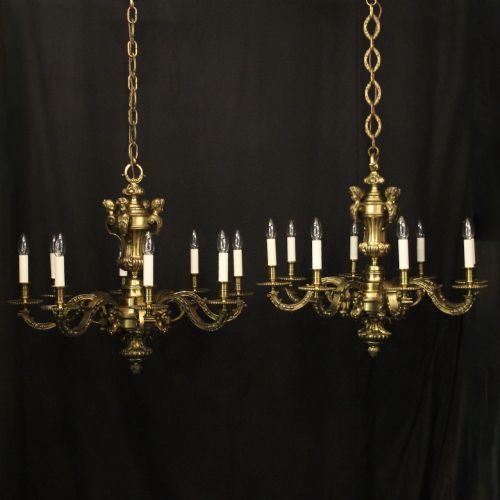
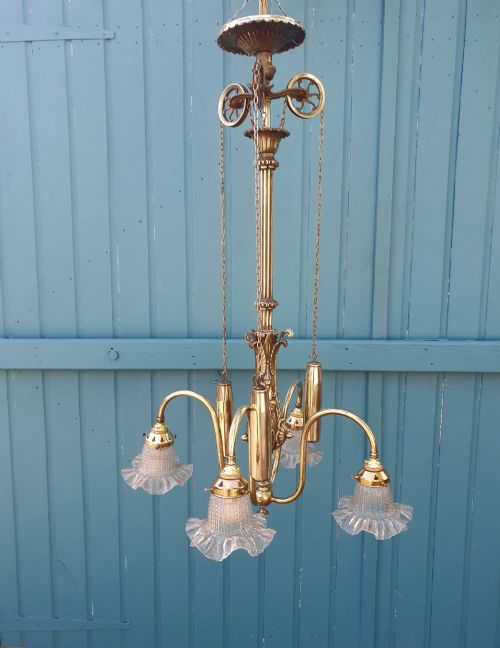
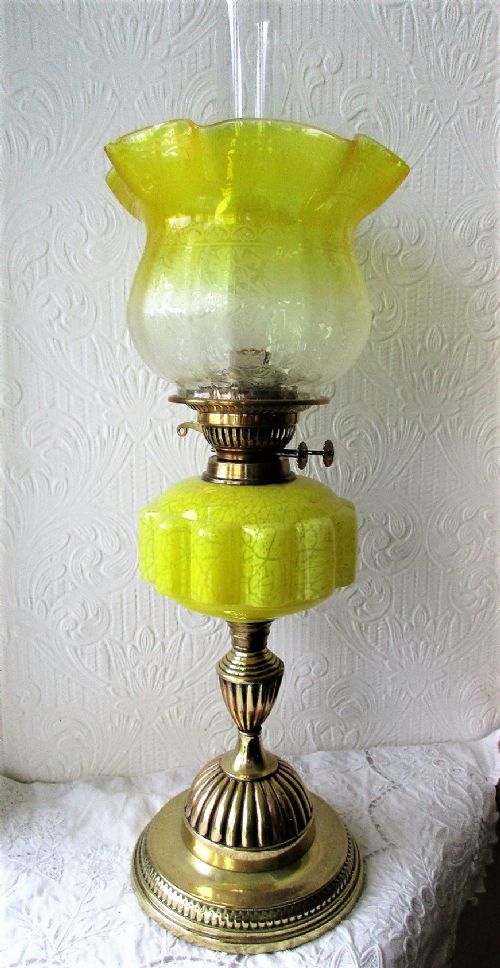
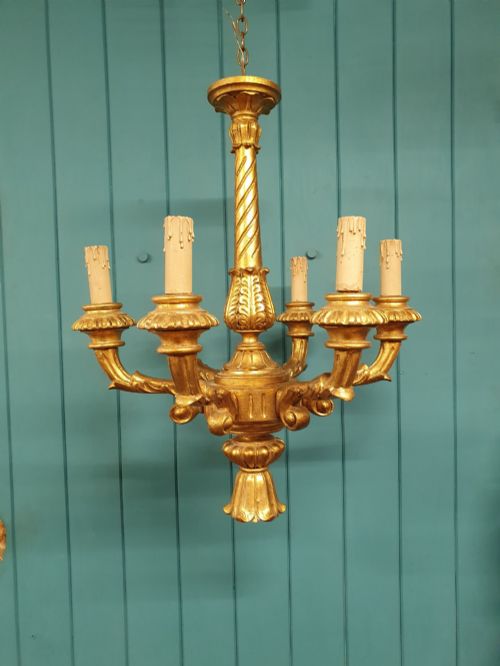
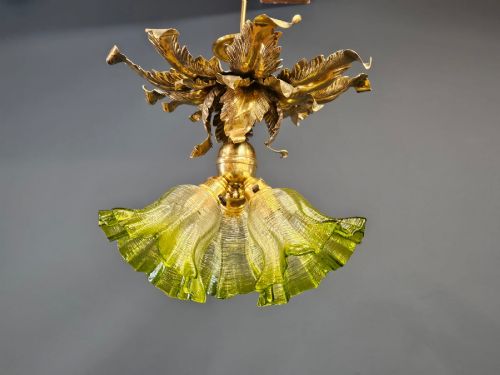
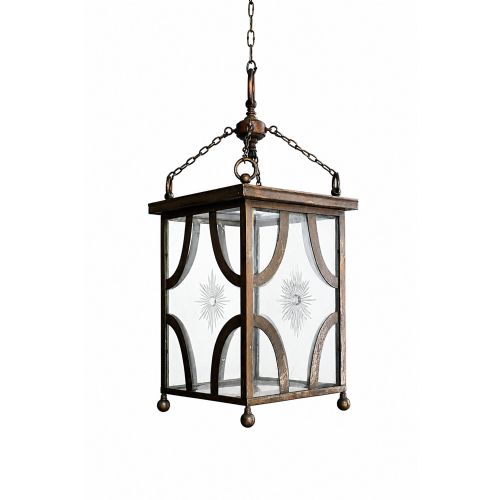
A victorian light fixture encompasses a broad variety of ceiling lights, wall lights, oil lamps and lanterns spanning the nineteenth century and into the Edwardian period. Buyers examining this selection encounter everything from heavy brass gasoliers and cut glass crystal chandeliers to utilitarian copper street lanterns and delicate table lamps.
Materials and Technique
Metalworking forms the backbone of these pieces, utilising cast and spun brass, solid bronze, wrought iron and copper to build sturdy structural frameworks. Foundries shaped these metals through casting, hammering and soldering, often applying patination or gilding to finish the surfaces.
Glass elements are integral to the construction, appearing as blown or moulded shades, cut glass crystals, opalescent bowls and leaded panels. Fabric and ceramic components also supplement the metal and glass bodies, particularly on period table lamps and oil lamps.
Several street lanterns listed here originally stood outside municipal gates or served as grand porch markers before finding their way indoors.
Assessment of Quality
The standard of a victorian light fixture is determined by the crispness of its metal casting, the weight of the materials used, and the integrity of the original components. Finer examples display meticulous hand-chased detailing on bronze or brass mounts, balanced proportions, and high-grade cut or moulded glass without modern replacements.
Workmanship in the assembly and decorative flourishes, such as integrated lion masks, gesso relief, or complex multi-branch configurations, separate standard commercial items from superior examples. The presence of original shades or matching pairs further elevates the standing of a piece.
Liberty
The Victorian Light Fixture Glossary
- Gasolier
- A branched lighting fixture designed to burn coal gas rather than candles or electricity. These frequently feature hollow arms that channel gas to the burners.
- Plafonnier
- A ceiling-mounted light fixture fitted flush or close to the ceiling surface. They often utilise moulded or pressed glass bowls held by metal mounts.
- Newel Post Lamp
- A decorative light fixture mounted directly onto the newel post at the base of a staircase. They provided welcoming illumination in nineteenth-century hallways.
- Holophane
- A brand of scientific glass known for its prismatic ribs designed to direct and diffuse light efficiently. These shades are frequently found on industrial and commercial pendant lights.
Victorian Light Fixture: Frequently Asked Questions
How do I wire a gasolier for modern electricity?
Most gasoliers and early oil lamps found today have been safely converted to run on standard household electrical circuits. Professional restorers run internal wiring through the original hollow gas channels or brass tubes without altering the exterior appearance.
Buyers should consult a qualified electrician to ensure that the antique fittings comply with current safety regulations while retaining their historical sockets and candle tubes.
Can I hang a heavy bronze chandelier from a normal ceiling?
Large nineteenth-century chandeliers cast in bronze or brass carry substantial weight and require secure anchoring into ceiling joists rather than standard plasterboard. A professional installer should assess the load-bearing capacity of the ceiling and use a heavy-duty steel hook fixed directly to the timber framing.
Distributing the weight correctly prevents structural damage and ensures the fixture hangs securely at the desired height in the room.
How do I clean antique brass and glass fixtures?
Dusting with a soft dry cloth is usually sufficient for regular maintenance of brass and bronze surfaces. Avoid abrasive metal polishes that can strip away the historical patination built up over decades.
Glass shades and crystals can be carefully removed and washed in warm soapy water, then dried thoroughly before being reattached to the metal frame.
What is the difference between a gasolier and a chandelier?
A chandelier historically refers to a branched light fixture originally designed to hold wax candles. A gasolier is a specific nineteenth-century variant engineered specifically to burn piped coal gas.
While both share a multi-branch hanging format, gasoliers often feature heavier central stems and distinct key valves or gas taps near the burners.