


Victorian Library Seating
Victorian library seating brings solid timber and aged leather together to anchor a study or reading room.
Victorian Library Seating
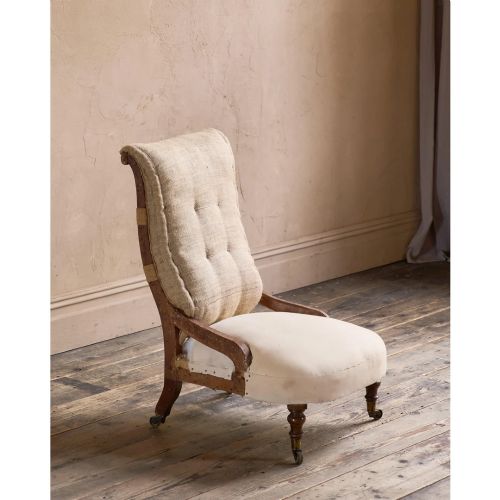
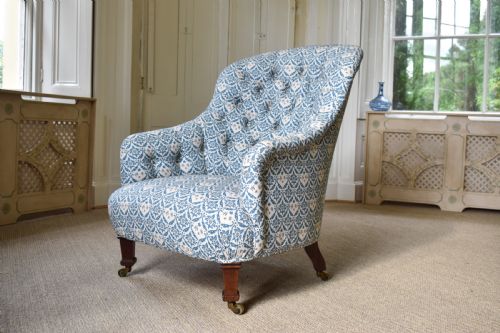
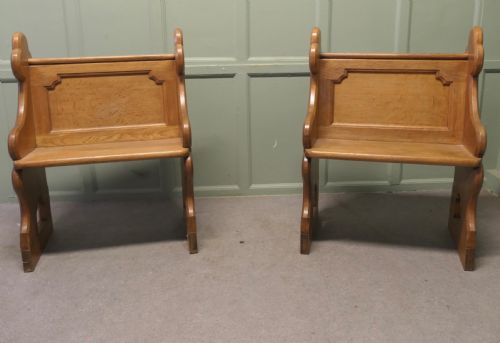
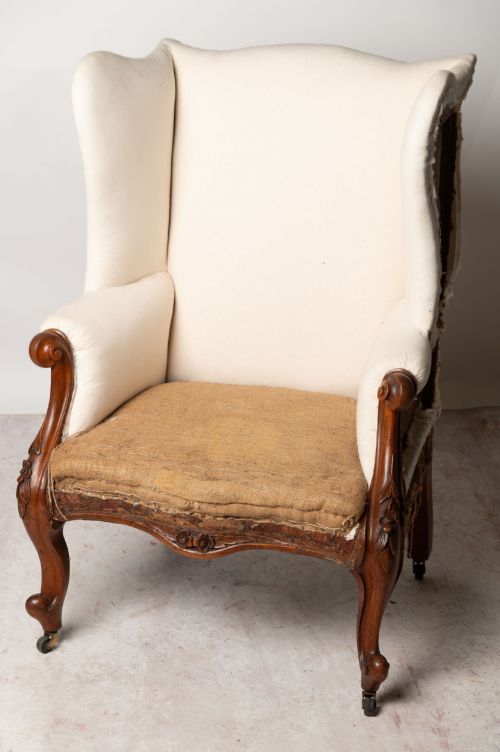
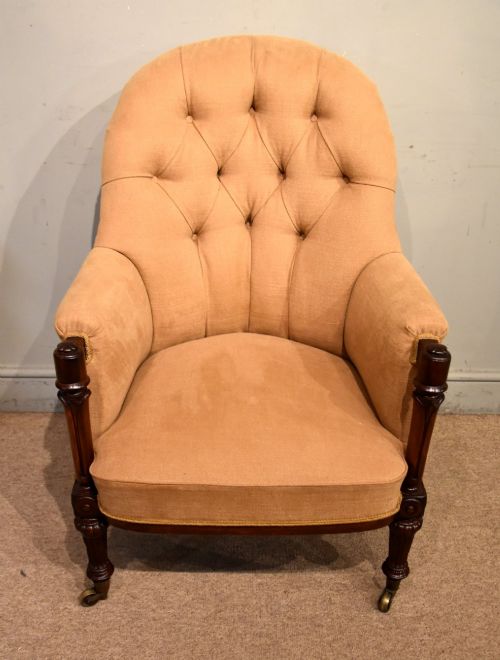
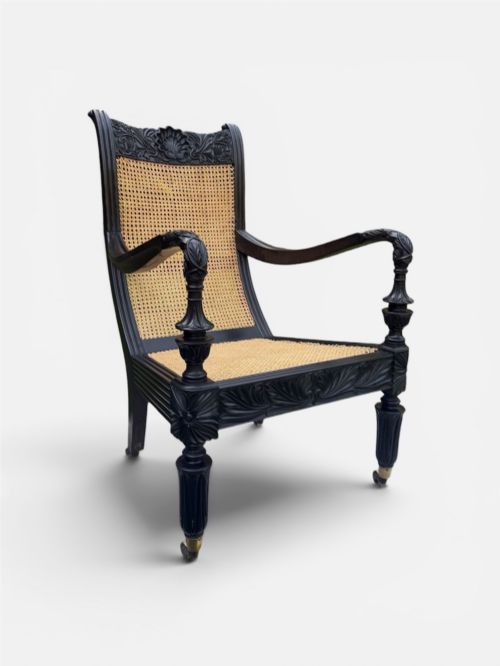
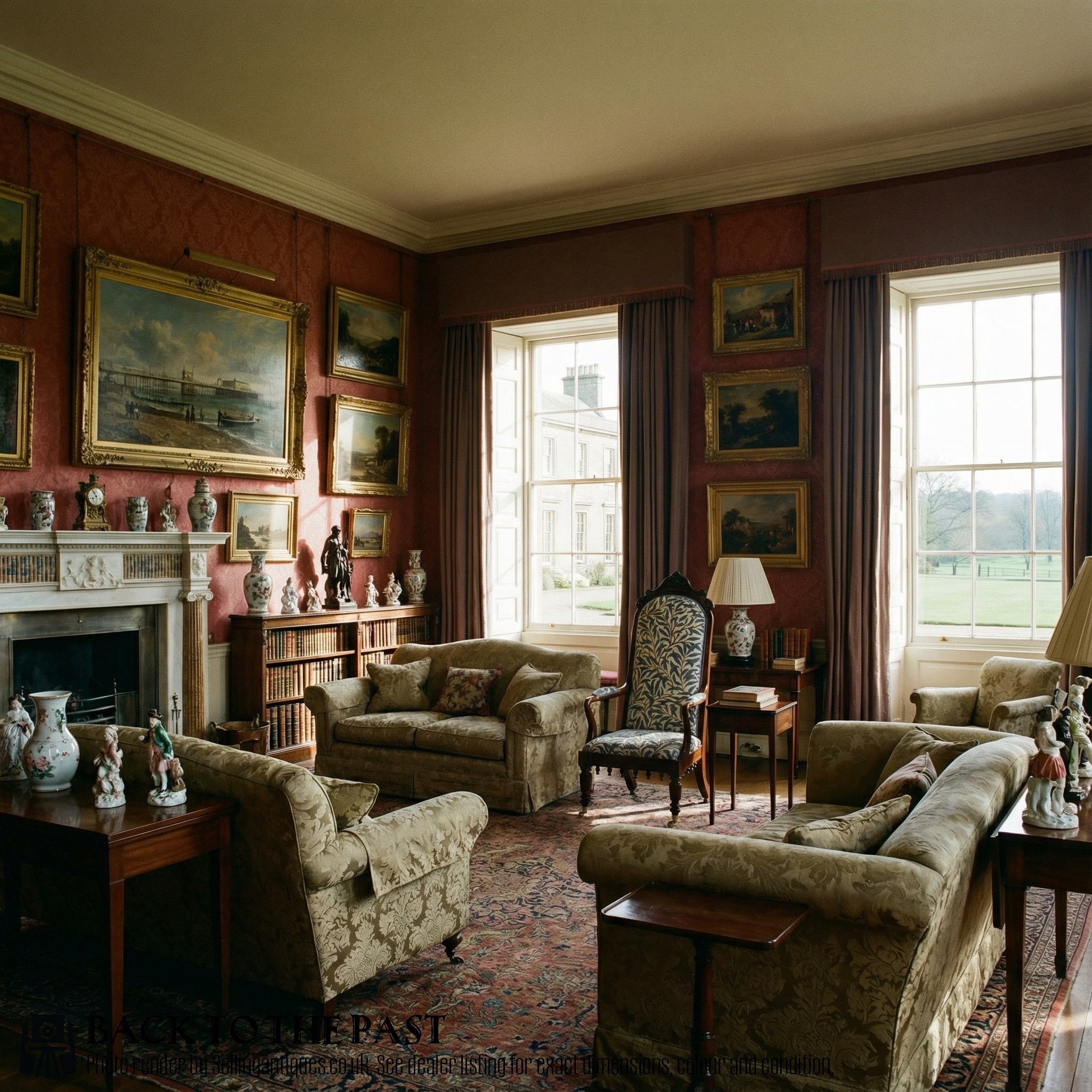
Victorian library seating encompasses heavy armchairs, desk chairs, reading chairs, and sofas designed for private studies and large country houses. Buyers look for substantial seating built to endure daily use in quiet rooms. The pieces appearing most frequently range across the nineteenth century, including specific decades from 1850 to 1890 alongside Regency influences.
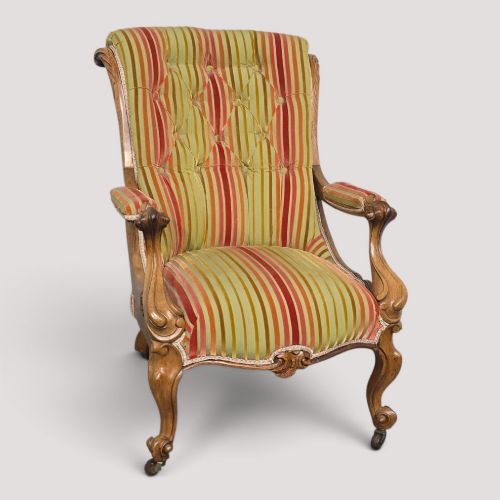
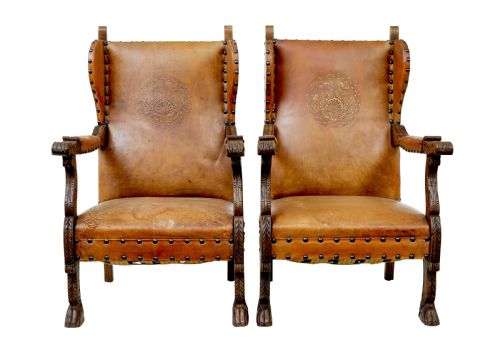
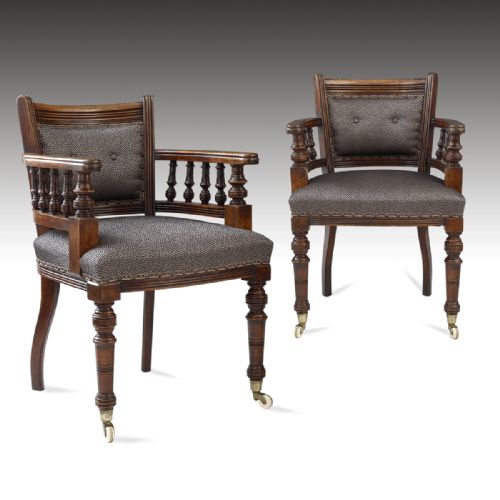
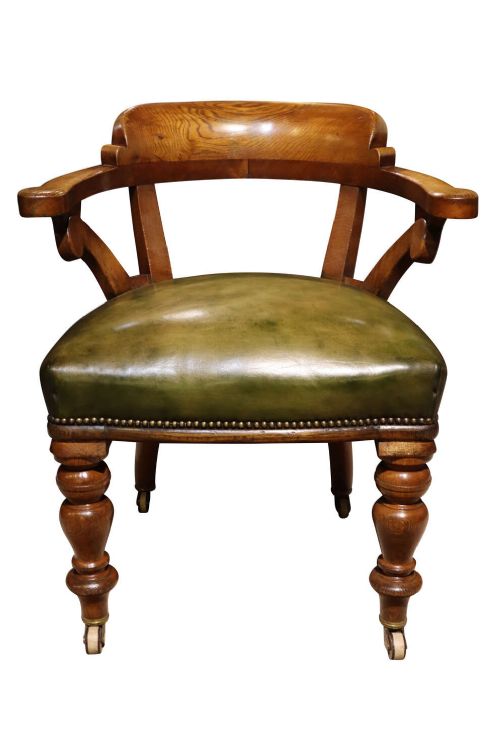
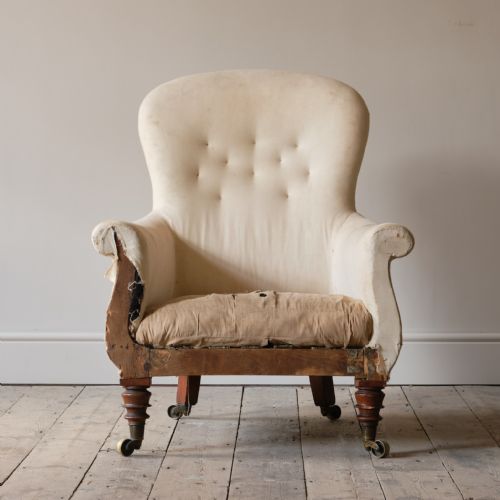
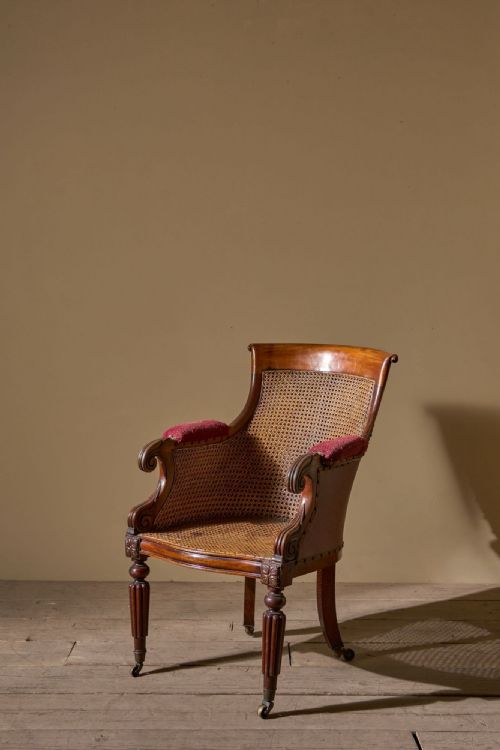
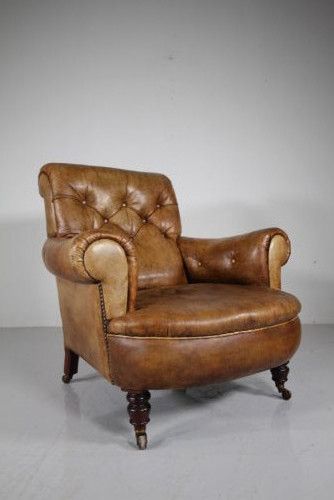
Forms vary from deep-seated button-back armchairs and revolving desk chairs to open-arm reading chairs and low club elbow chairs. Many examples utilise mahogany, oak, walnut, or rosewood frames paired with leather or fabric upholstery. Makers often adopted styles spanning Gothic Revival, Regency, Sheraton design, and Victorian Rococo Revival.
Materials and Construction
Carpenters constructed frames predominantly from dense hardwoods such as mahogany, oak, walnut, and rosewood, ensuring structural rigidity for heavy use. Cabinet makers carved structural supports with reeded details or applied veneers in burr elm and golden oak. Selected pieces incorporated solid ebony or brass fittings to accent the woodwork.
Upholstery techniques relied on durable horsehair stuffing beneath leather, velvet, calico, or fabric coverings, secured with brass tacking or button-tufting. Frame joints were typically mortised and tenoned to withstand the deep proportions of country house armchairs and Chesterfield sofas.
Listings feature nineteenth-century seating constructed from mahogany, oak, walnut, rosewood, and leather, spanning Regency to late Victorian styles.
Factors That Separate Quality
The distinction between standard commercial seating and exceptional examples lies in the depth of timber carving and the scale of the frame. Superior pieces display substantial proportions, such as large-scale English frames or robust golden oak, rather than light or thin construction. Carved mahogany and figured walnut indicate a higher tier of workshop production.
Upholstery execution alters the standing of a piece, particularly where embossed leather meets button-backed padding or hand-stitched details. Chairs attributed to known makers or specific stylistic traditions command greater interest through documented craftsmanship.
Howard and Sons·Gillows·Bruce James Talbert
The Victorian Library Seating Glossary
- Gothic Revival
- A nineteenth-century design movement drawing inspiration from medieval architecture and pointed arches. This style often manifests in carved oak frames with architectural motifs.
- Button Back
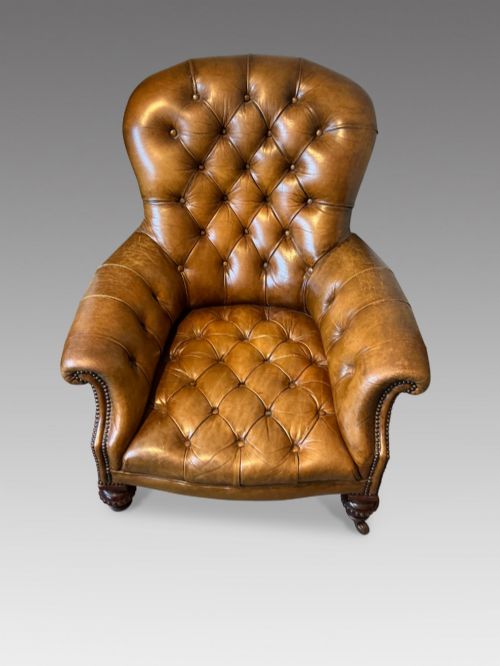
- An upholstery method where buttons are pulled deep into the padding to create a diamond-tufted pattern. This technique secures the interior stuffing while adding texture to leather or fabric.
- Chesterfield
- A large upholstered sofa or armchair characterised by arms and back of the same height. These deep-seated pieces are traditionally finished in buttoned leather.
- Reeded
- A decorative moulding formed of parallel convex strips carved directly into the timber. This linear carving is frequently found on nineteenth-century chair legs and arm supports.
- Club Elbow Chair
- A low, sturdy armchair with upholstered armrests designed for comfortable lounging in private libraries or smoking rooms. They typically feature compact proportions and leather upholstery.
Victorian Library Seating: Frequently Asked Questions
What defines a Victorian library chair?
These chairs combine robust timber frames made from mahogany, oak, or walnut with durable leather or fabric upholstery designed for long hours of reading. Their generous proportions separate them from lighter parlor seating.
Most examples feature supportive armrests, deep seats, and sturdy wooden legs, sometimes mounted on castors for mobility across study floors.
How do I identify a desk chair from a reading chair?
Desk chairs often incorporate swiveling mechanisms or firmer upright posture supports to suit writing environments. They tend to have lower profiles to slide neatly beneath desks.
Reading chairs prioritize relaxed, deep seating angles and wider armrests designed for extended comfort with a book.
Where were these chairs used historically?
Landowners and gentlemen placed them beside bookshelves, writing tables, and firesides in large country house libraries and private studies. They served as primary functional seating for working and reading.
Institution libraries and professional offices also utilised these sturdy wooden and leather designs for daily clerical work.
How do I care for antique leather upholstery?
Leather surfaces benefit from gentle cleaning with a damp cloth followed by regular applications of suitable wax or conditioner to prevent drying. Avoiding direct sunlight helps preserve the natural tone of the hide.
Keeping the room at a stable humidity prevents the underlying timber frame and the leather from cracking over time.