



Victorian Lacquer Desk
These Victorian lacquer desk pieces bring hand-painted chinoiserie, papier-mâché and mother-of-pearl to any study.
Victorian Lacquer Desk
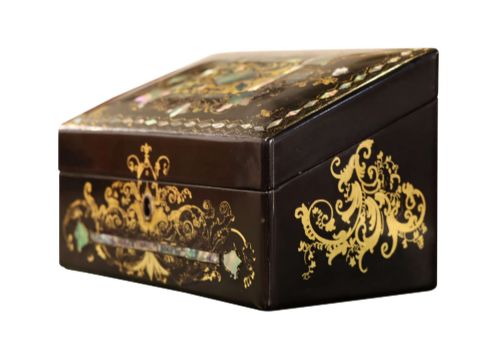
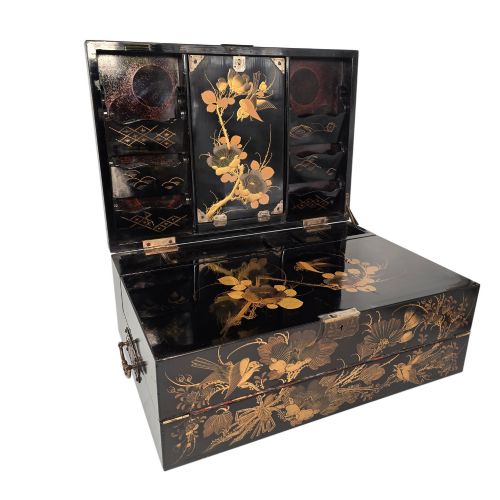
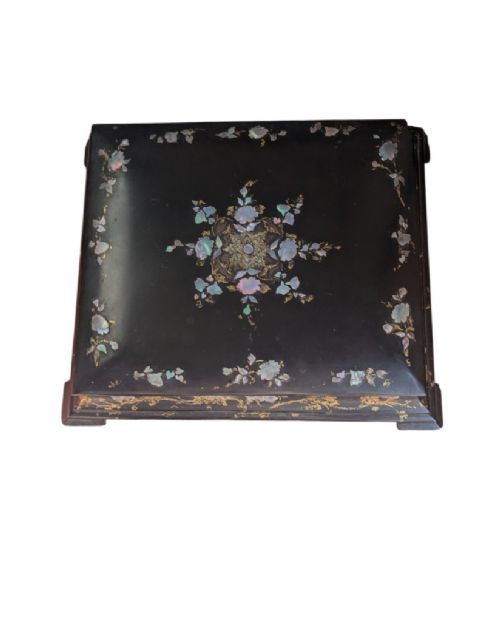
A victorian lacquer desk selection comprises items designed for writing and correspondence, spanning stationery boxes, writing boxes, letter openers and ink stands. These pieces predominantly date from the nineteenth century, including Victorian, Edwardian and Meiji period examples.
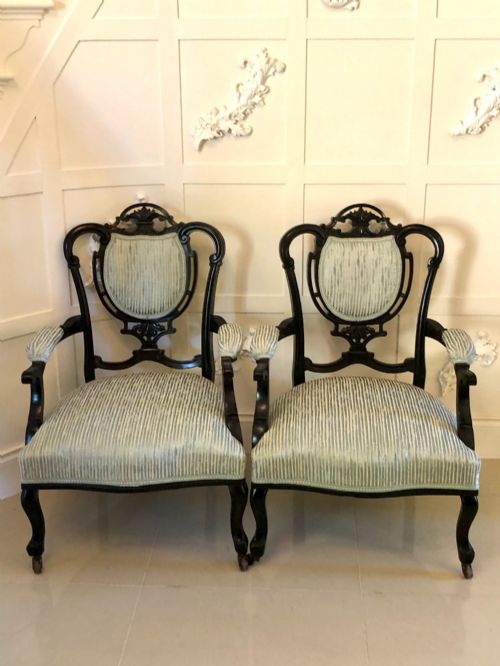
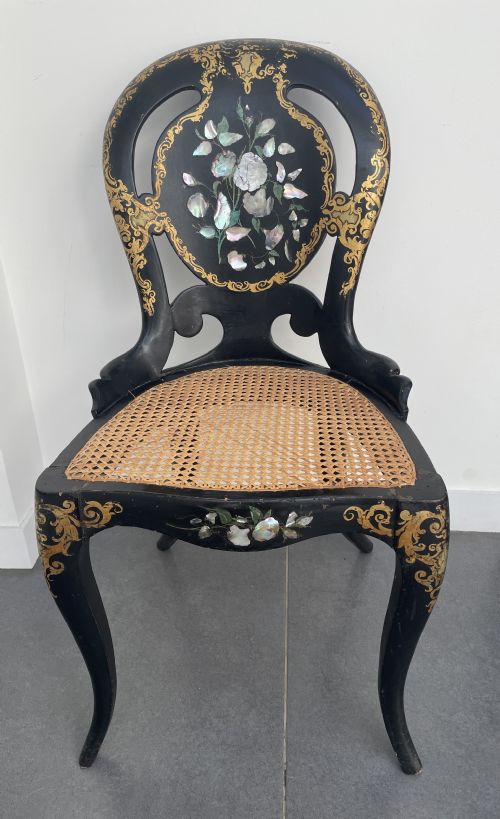
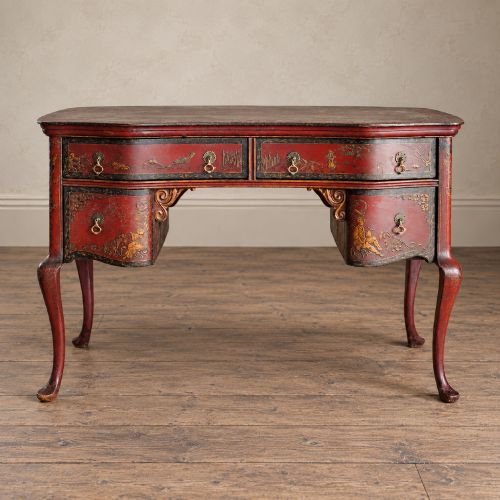
Forms extend beyond traditional writing boxes to encompass dressing tables, library chairs, armchairs and desk tidies. Papier-mâché surfaces frequently appear alongside wood foundations, decorated with hand-painted motifs and inlaid mother-of-pearl.
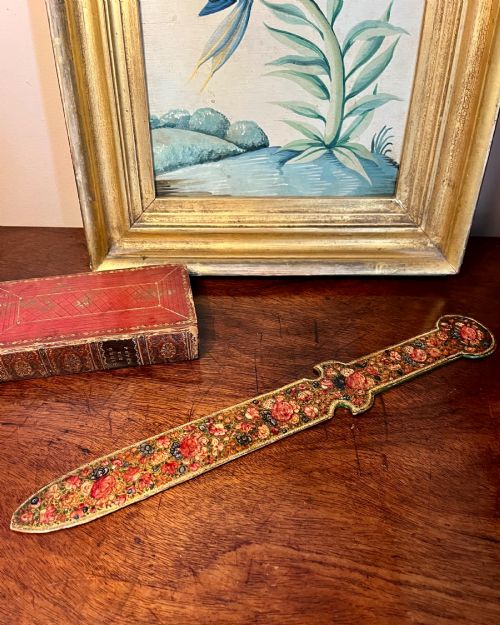
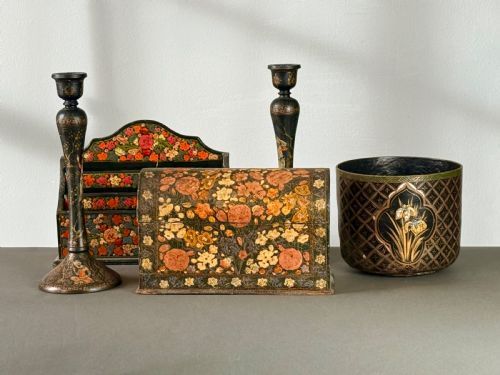
Regional variations include Kashmiri papier-mâché work and Japanese lacquer writing boxes alongside British Victorian productions. Many items incorporate practical compartments for ink, pens and paper alongside decorative painted schemes.
Materials and construction
Makers utilised papier-mâché and wood as foundations for lacquer finishes, applying layers of paint and gold leaf to achieve glossy decorative surfaces. Mother-of-pearl inlay provides shimmering contrast against dark black lacquer grounds.
Brass hardware secures stationery boxes and writing cabinets, while glass components form inkwells and lamp fittings. Hand-painted ornamentation defines the chinoiserie aesthetic across boxes, trays and furniture.
Victorian Lacquer Desk Retail Price Guide 2026
Typical asking prices for victorian lacquer desk among the pieces listed under this phrase on Sellingantiques today, from the lower quarter to the upper quarter. They describe what is for sale here now, not the wider market.
Listings feature nineteenth-century papier-mâché, wood, brass, glass and mother-of-pearl across boxes, chairs and lighting.
Assessing quality
Quality rests in the intricacy of the hand-painted decoration and the precision of the mother-of-pearl inlay work. Pieces displaying detailed figural or floral chinoiserie scenes demonstrate superior artistry compared to plain surfaces.
The integrity of the lacquer finish and the survival of original gold leaf distinguish finer examples. Maker attribution, such as work by Jennens and Bettridge, elevates the standing of nineteenth-century stationery boxes.
Jennens and Bettridge
The Victorian Lacquer Desk Glossary
- Papier-mâché
- A composite material made from paper pulp or layers of paper bound with glue, pressed and dried into sturdy forms for boxes and furniture before being lacquered.
- Chinoiserie
- European interpretations and imitations of Chinese and East Asian artistic traditions, prominent in the painted decoration of Victorian lacquer desks and cabinets.
- Mother-of-pearl
- The iridescent inner layer of certain mollusc shells, cut into thin pieces and inlaid into lacquer surfaces to create shimmering floral or geometric designs.
- Escritoire
- A small writing cabinet featuring a sloping lid or fall-front desk space, often fitted with internal pigeonholes and small drawers for correspondence.
Victorian Lacquer Desk: Frequently Asked Questions
What is a Victorian lacquer desk piece?
These items are nineteenth-century accessories and small furniture designed for writing, including stationery boxes, writing cabinets, letter racks and ink stands.
They combine practical compartments for correspondence with decorative lacquer finishes, hand-painted chinoiserie and mother-of-pearl inlay.
How do I identify papier-mâché items?
Papier-mâché objects feel surprisingly light yet rigid, formed from pressed paper pulp or layered paper treated with binding agents.
These pieces typically feature smooth, dark lacquered surfaces that serve as a base for painted ornamentation and mother-of-pearl inlay.
Where were these items made?
Production spans British Victorian workshops alongside Kashmiri craftsmen and Meiji period Japanese studios.
Each region brought distinct decorative traditions, from Kashmiri hand-painted papier-mâché to traditional Japanese lacquer techniques.
How do I care for lacquer surfaces?
Keep lacquer items away from direct sunlight and excessive moisture to protect the painted decoration and delicate finishes.
Dust gently with a dry, soft cloth and avoid chemical cleaning products that might damage the surface glaze.