






Victorian Kitchen Pan
These victorian kitchen pan pieces bring honest utility to the home, forged from heavy metals and shaped by practical hearth demands.
Victorian Kitchen Pan
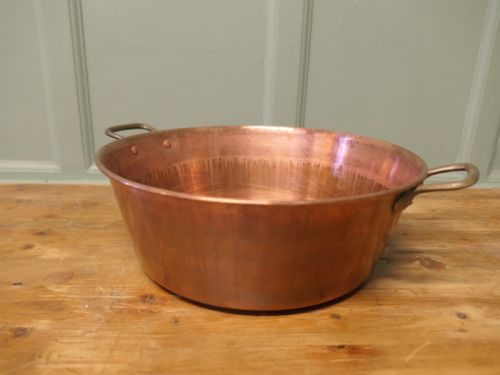
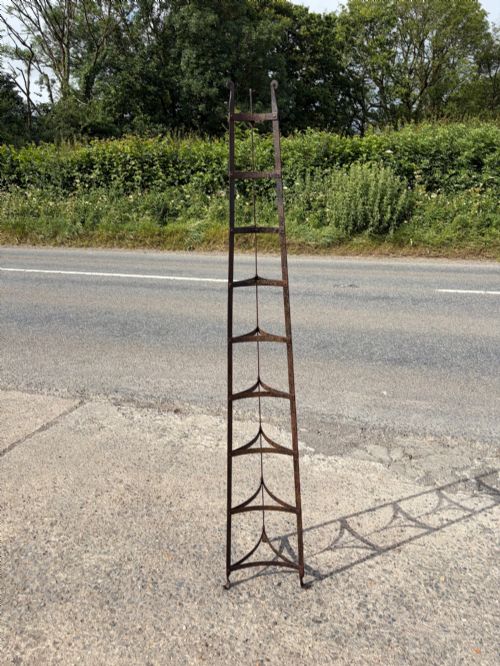
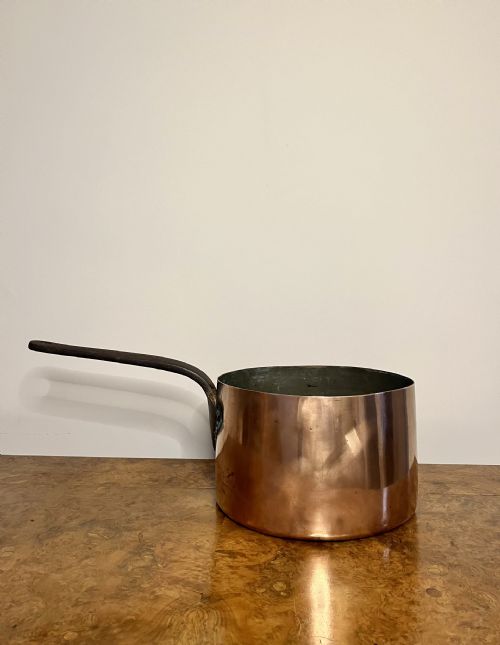
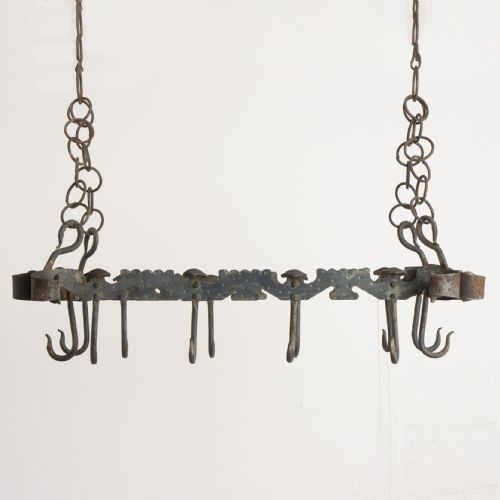
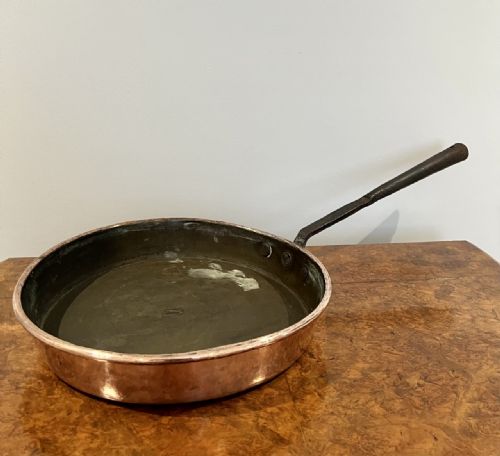
When you search for a victorian kitchen pan, you are looking at utilitarian vessels and storage furniture designed for heavy food preparation. The forms range from large double-handled jam pots and lidded saucepans to multi-tiered stands and pot racks.
You are most likely to meet substantial copper and brass vessels alongside wrought iron or cast iron stands on this page. Pieces span the nineteenth century, including Georgian and later Arts and Crafts examples, reflecting active rustic kitchens.
Materials and construction
Makers shaped these items primarily from copper, brass, and iron, utilising wrought or cast techniques for durability. Handles often feature contrasting metals like iron fixed to brass or copper bodies.
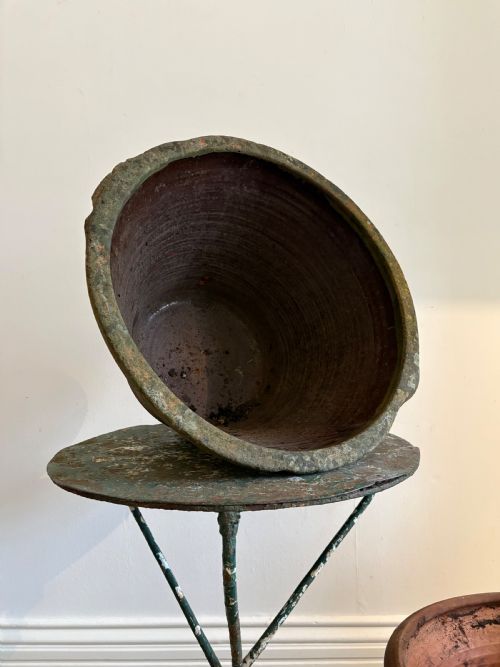
Terracotta also appears in dairy forms with glazed interiors, showing how diverse domestic tasks required specialised earthenware. Metal vessels rely on heavy gauges designed to withstand intense hearth heat.
Storage items include multi-tiered stands and racks alongside individual cooking vessels and dairy bowls.
Assessing quality
Quality rests in the weight of the metal and the integrity of the original construction rather than surface polish. Substantial gauge copper and robust iron framework separate utilitarian heavy-duty pieces from lighter domestic wares.
Maker signatures and patent marks, such as specific foundry names or patent designations, elevate certain vessels. Proportion and scale in larger pans and multi-tiered stands also indicate superior domestic output.
Hodges & Sons·Griffiths Patent
The Victorian Kitchen Pan Glossary
- Jam Pan
- A wide, open vessel designed for fruit preserving and sugar boiling. These typically feature dual handles for lifting heavy loads of boiling fruit.
- Saucepan Rack
- A tiered iron or wooden framework designed to suspend multiple cooking pots from hooks. These saved valuable floor space in busy sculleries.
- Dairy Bowl
- An open earthenware or terracotta vessel used for milk setting and cream separation. Glazed interiors prevented liquid absorption during dairy work.
- Wrought Iron
- Iron beaten and shaped by hand while hot to create strong structural frames. This material provided the rigid support needed for heavy pan stands.
Victorian Kitchen Pan: Frequently Asked Questions
How were copper pans used?
These vessels served for daily boiling, stewing, and preserving over open hearths or early range stoves. Their conductive metal distributed heat evenly across large quantities of food.
Households relied on them for heavy tasks like jam making and bulk stock preparation. The sturdy handles allowed cooks to lift hot, weighty loads safely.
Where did pan stands go?
Large tiered stands and saucepan racks stood against scullery walls or hung from sturdy ceiling beams. They kept heavy iron and copper cookware within reach of the cook.
Organising cookware in this manner protected soft copper surfaces from dents. It also allowed damp pots to air dry thoroughly after washing.
How do I date these pieces?
Dating relies on observing construction methods, handle attachments, and metal finishes. Nineteenth-century examples often display hand-beaten seams and specific maker stamps.
Stylistic shifts from Georgian proportions to Arts and Crafts simplicity help narrow down eras. Comparing handle rivets and wall thicknesses provides further chronological clues.
Are terracotta bowls waterproof?
These dairy bowls feature a glazed interior surface that prevents liquid absorption. The unglazed exterior allowed natural cooling evaporation for dairy work.
This specific combination made them ideal for setting milk and skimming cream. The heavy terracotta body kept contents cool during storage.