


Victorian Kitchen Larder
A victorian kitchen larder brings honest utility and robust character to a modern interior, offering generous storage rooted in 19th-century domestic life.
Victorian Kitchen Larder
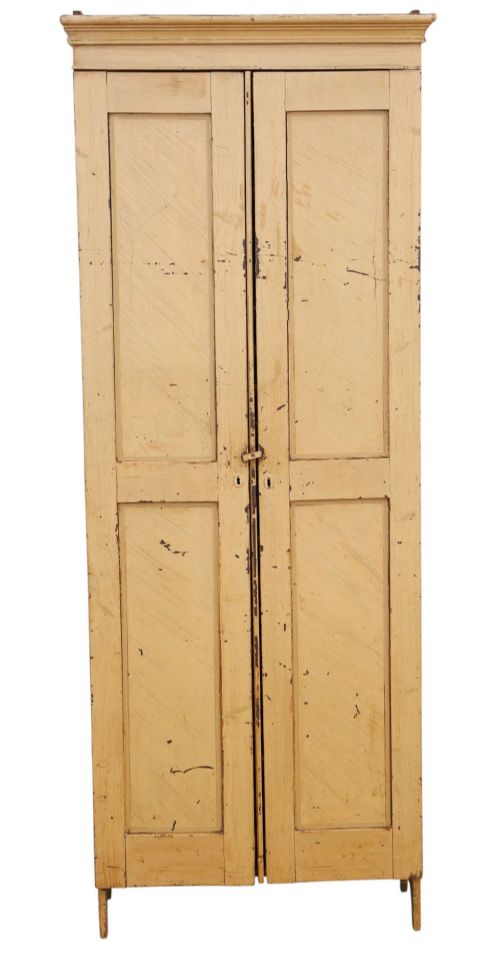
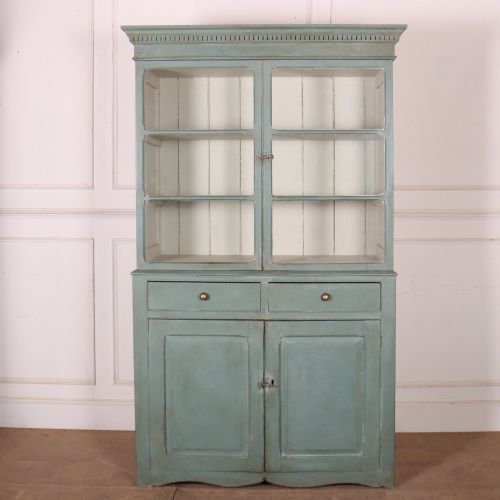
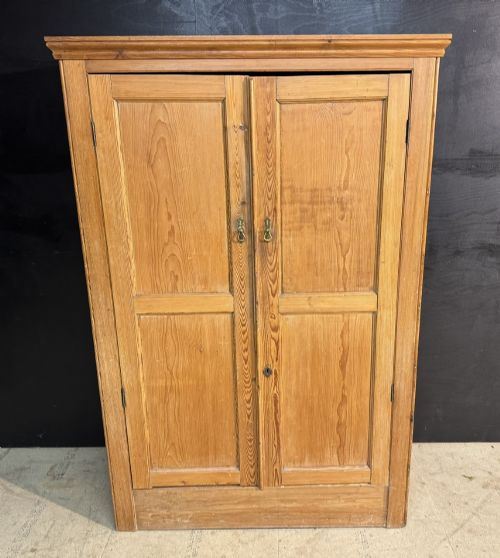
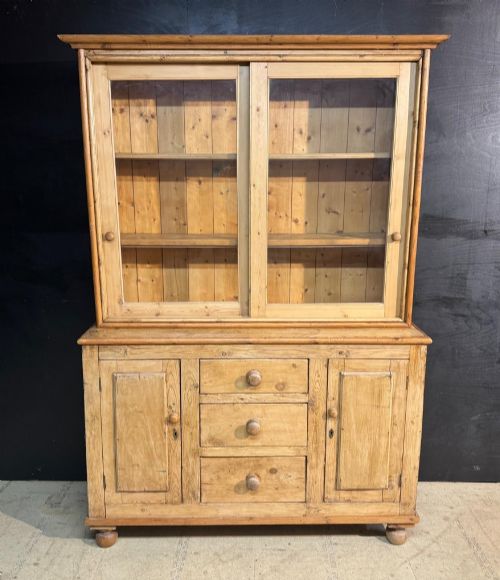
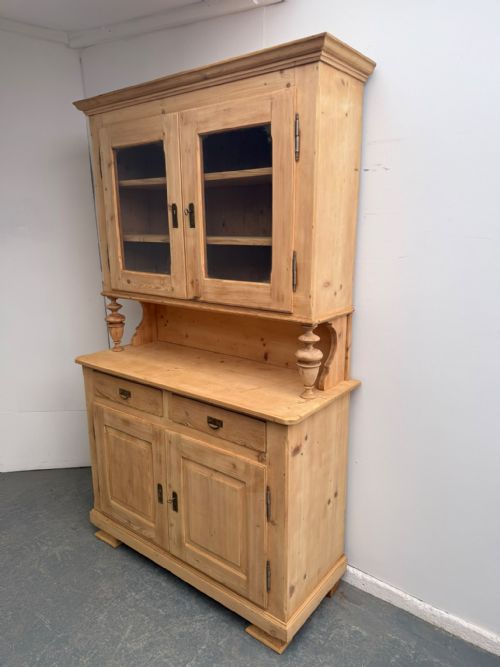
A victorian kitchen larder encompasses hardworking storage furniture designed for food preservation and household provisions, spanning tall cupboards, housekeeper's presses and kitchen dressers. These pieces originate primarily from the 19th century, with occasional examples reaching back to the 18th century or forward into the Edwardian period.
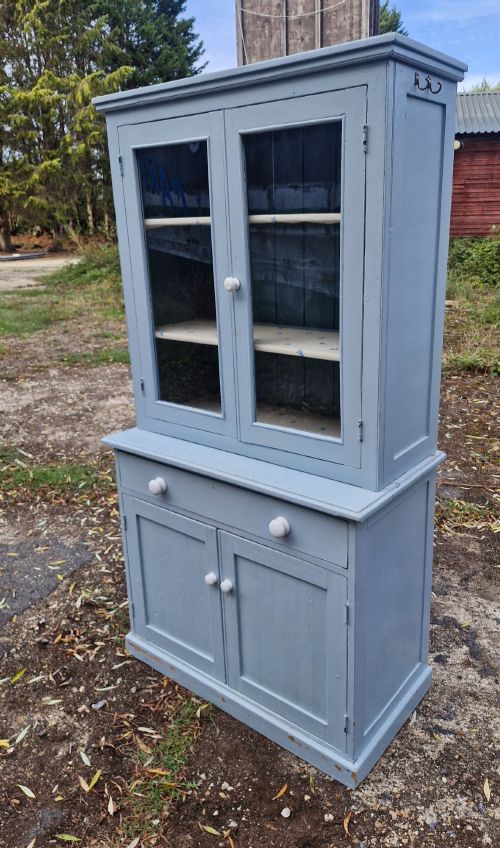
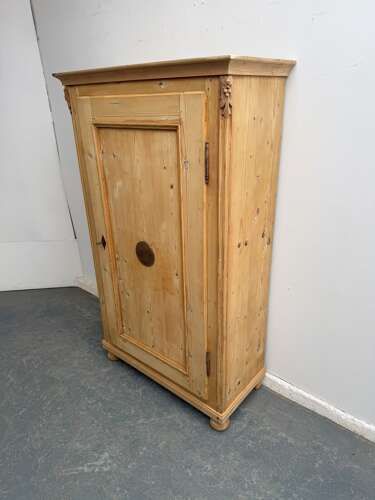
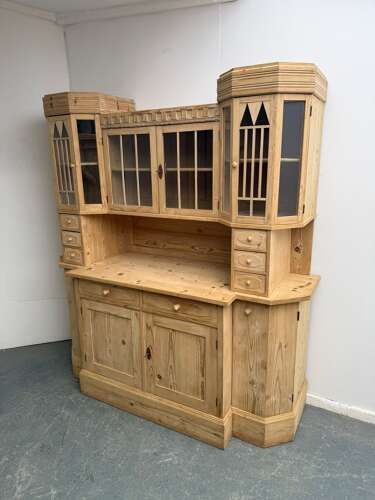
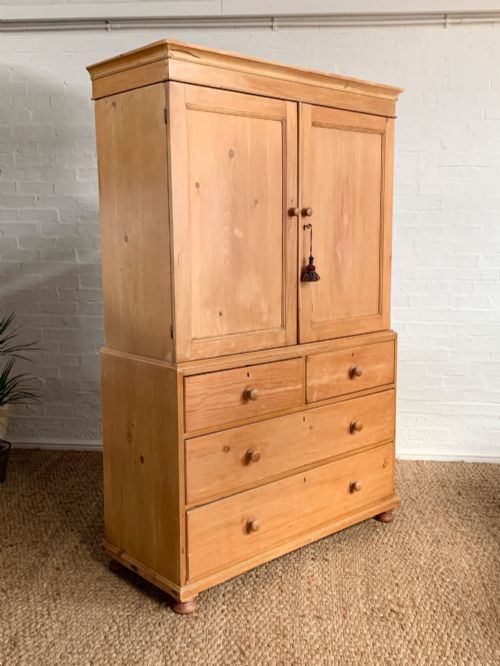
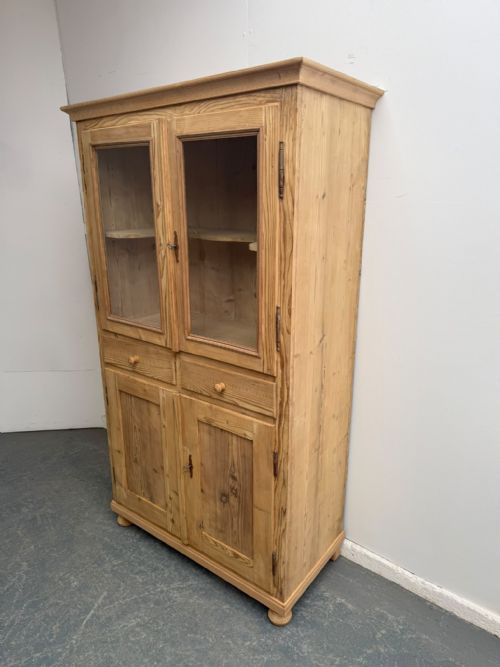
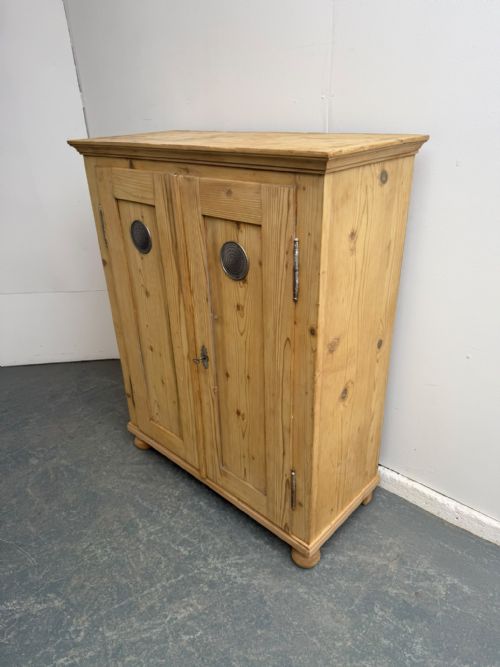
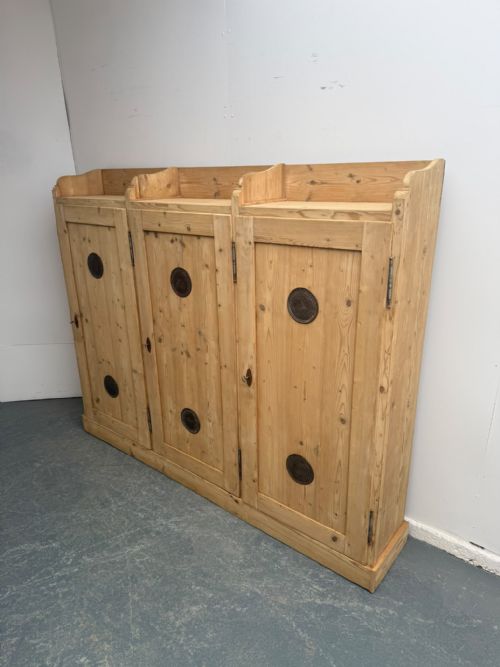
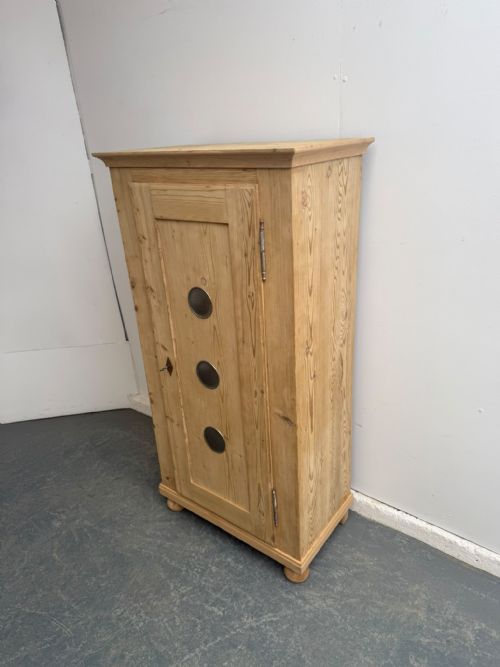
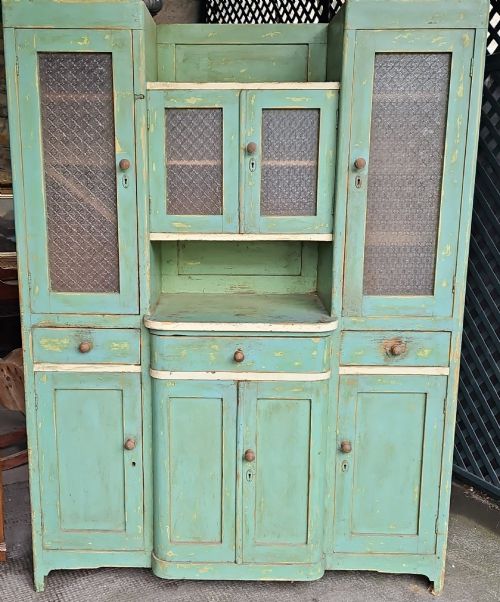
The version you are most likely to encounter on this page is the pine cupboard or housekeeper's cabinet, often found in either its stripped natural timber finish or retaining old paint. These functional forms range from narrow single-door cupboards and vented pie safes to large two-part dressers with glazed display sections.
Construction and materials
Keep an eye out for old bread and cheese cupboards, designed with tiny vented panels so your cheddar could breathe without attracting the local mice.
Assessing build and character
Quality in a victorian kitchen larder rests on the integrity of its proportions and the preservation of its original structural elements. Pieces that retain their early painted surfaces or authentic zinc and mesh ventilation panels command distinct interest compared to those altered over time.
Joinery techniques and the thickness of the timber determine the longevity of these hardworking items. Taller, multi-part cupboards require sound internal framing and sturdy shelving to support heavy household stores without sagging.
The Victorian Kitchen Larder Glossary
- Housekeeper's cupboard
- A large storage cabinet traditionally used for linens, dry goods and provisions in a country house. These sturdy pieces usually feature multiple doors and drawers.
- Vented cupboard
- A specialised storage cabinet fitted with pierced metal or wire mesh panels. This design allowed air circulation to preserve bread, cheese and other perishables.
- Pine
- A soft timber widely utilised for utilitarian 19th-century furniture. It was frequently painted, waxed or stripped depending on domestic fashions.
- Dresser
- A dual-purpose furniture form combining lower cupboards or drawers with upper shelving or glazed display cabinets. They served both storage and display functions in the kitchen.
Victorian Kitchen Larder: Frequently Asked Questions
What was the original purpose of a victorian kitchen larder?
These cupboards stored perishable food, dry goods, and kitchen utensils before mechanical refrigeration existed. Their solid construction protected provisions from pests and dust.
Larger housekeeper's versions also held household linens and tableware for the running of a busy 19th-century home.
How do I fit a tall larder into a modern kitchen?
A tall pine cupboard provides substantial vertical storage, making it ideal for pantry items or crockery in contemporary spaces. Measure your ceiling height carefully, as many 19th-century pieces exceed standard dimensions.
They work well as freestanding focal points against plain walls, bringing warmth and historical texture to modern rooms.
Should I keep the old paint or strip the pine?
Original painted surfaces show the history and working life of the piece, preserving its character. Many collectors value historic layers of paint or milk paint.
If the existing finish is flaking or unappealing, stripping reveals the clean grain of the underlying pine, which can then be waxed.
How do I identify a 19th-century piece from an Edwardian one?
Victorian examples often display heavier timber scantlings, hand-cut joints and older hardware styles. Edwardian pieces can show slightly lighter construction and different interior layouts reflecting changing domestic habits.
Regional country styles also influence the appearance, with Scottish and English pieces exhibiting subtle variations in moulding and panel design.