

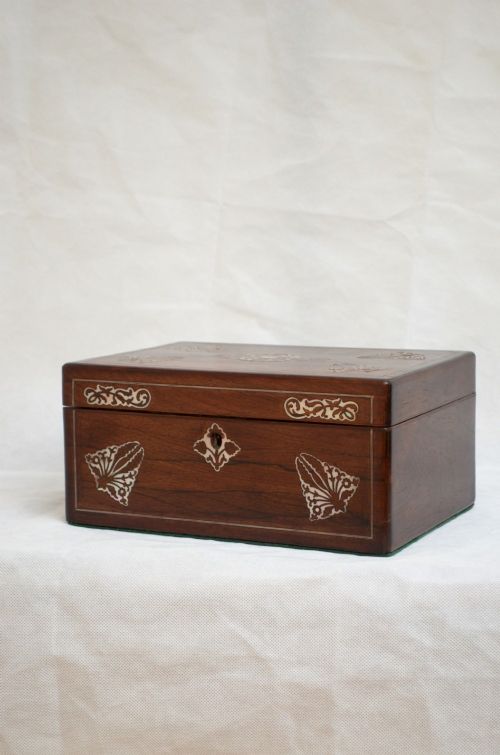


Victorian Keepsake Chest
A victorian keepsake chest offers a solid timber home for letters and small valuables, pairing period craftsmanship with enduring domestic utility.
Victorian Keepsake Chest
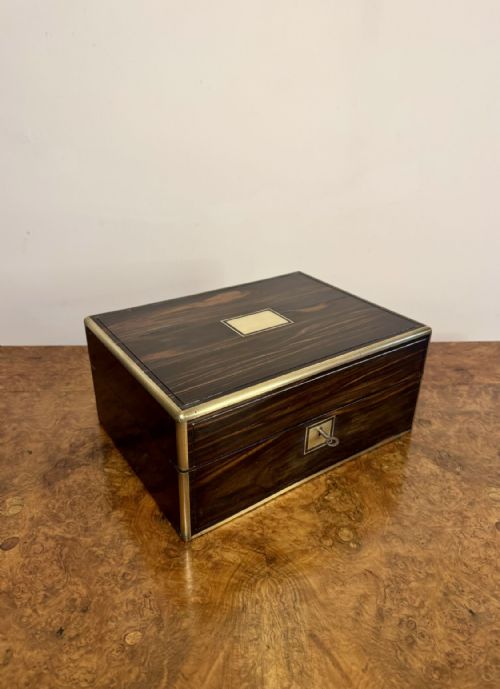
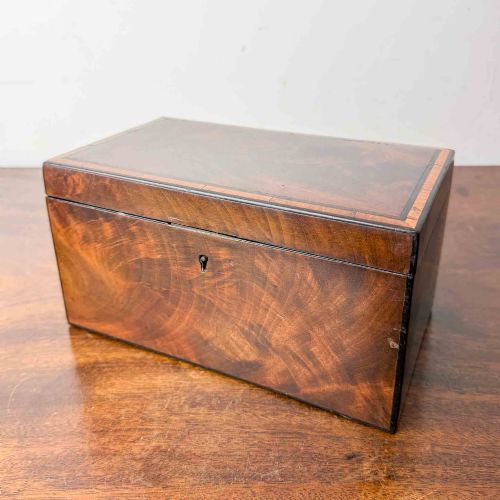
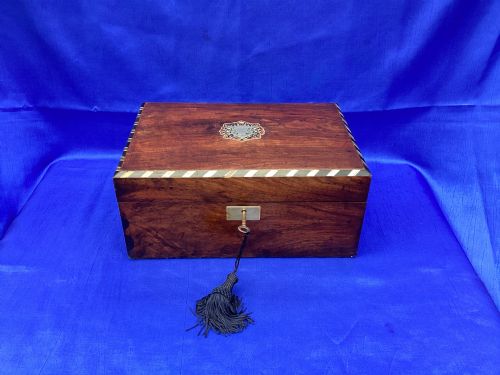
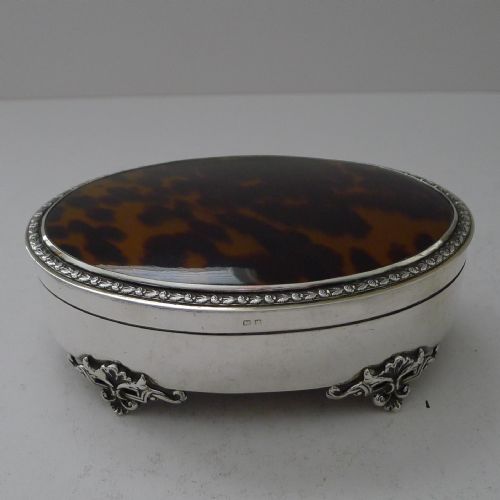
A victorian keepsake chest encompasses timber boxes, caskets, and miniature trunks used across the nineteenth century to secure personal correspondence and small valuables. The versions most commonly encountered on this page are constructed from dense hardwoods like rosewood and walnut, often fitted with internal trays.
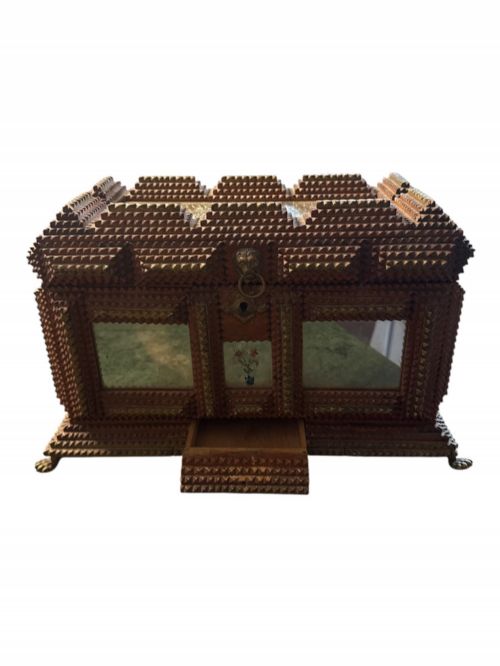
Makers utilised various regional styles, ranging from domestic Tunbridge Ware and folk art to Anglo-Indian and campaign iterations. These pieces frequently overlap in form with jewellery boxes, tea caddies, and document chests, reflecting the diverse storage needs of the period.
Materials and Construction
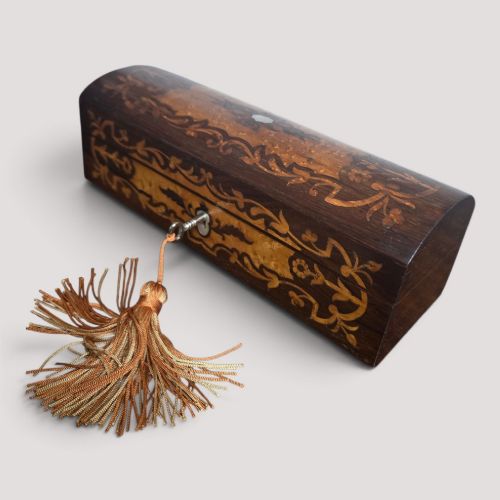
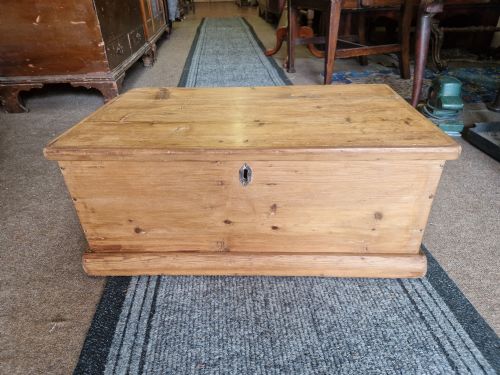
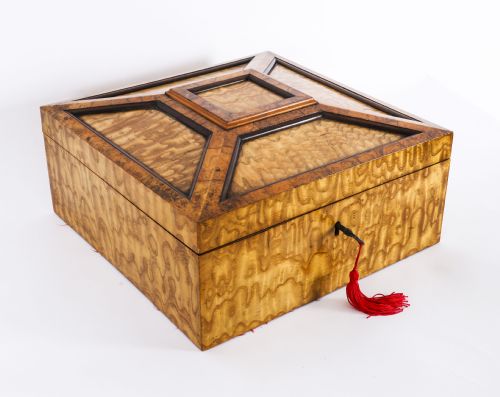
Craftsmen built these containers from dense timbers including mahogany, rosewood, walnut, and pine, frequently applying decorative veneers such as burr maple or amboyna. Surface enrichment relied on precision inlays of mother of pearl, brass banding, and intricate mosaic woodwork.
Structural integrity depended on tight joinery, while smaller decorative examples incorporated hand-painted finishes, folk art paintwork, or marquetry. Linings typically consisted of velvet or silk fitted to compartmentalised wooden trays designed to hold rings and letters.
Victorian Keepsake Chest Retail Price Guide 2026
Typical asking prices for victorian keepsake chest among the pieces listed under this phrase on Sellingantiques today, from the lower quarter to the upper quarter. They describe what is for sale here now, not the wider market.
Factors of Quality
Quality rests primarily on the selection of timber and the precision of surface decoration, distinguishing plain utility pieces from elaborate presentation caskets. Grain matching in burr veneers and the tightness of mosaic parquetry indicate the level of labour invested by the maker.
Hardware execution also separates standard boxes from finer examples, noting the weight of brass mounts, the smoothness of internal trays, and the preservation of original linings. Complete working locks and key escutcheons maintain the structural integrity expected of better nineteenth-century work.
Henry Hollamby
The Victorian Keepsake Chest Glossary
- Burr wood
- A growth on a tree that produces intricate, swirling grain patterns when sliced into veneer. These decorative sections were prized for lid panels on fine caskets.
- Tunbridge Ware
- A form of woodwork featuring mosaic patterns assembled from thousands of tiny coloured wood blocks. It creates pictorial or geometric designs on small boxes.
- Campaign trunk
- Portable furniture made for travel, typically featuring brass corners and recessed carrying handles. Miniature versions served as robust desktop chests.
- Marquetry
- The art of applying pieces of veneer to a structure to form decorative patterns. Craftsmen used contrasting timbers to create floral or geometric motifs on box lids.
- Casket
- A small ornamental box or chest used for holding valuables or keepsakes. The term often denotes a more decorative or arched-lid form than a standard rectangular box.
Victorian Keepsake Chest: Frequently Asked Questions
What were keepsake chests used for?
Victorians relied on these lidded boxes to store personal correspondence, documents, jewellery, and small keepsakes. They provided a secure, private place for items kept close at hand in domestic parlours or bedrooms.
Fitted interiors with trays and compartments helped organise small trinkets, ensuring delicate personal belongings remained protected from dust and damage.
How do I identify a Victorian box?
Dating these pieces involves examining the timber types, construction methods, and hardware styles typical of the nineteenth century. Rosewood, mahogany, and walnut predominate, often joined with hand-cut dovetails.
Makers frequently incorporated brass escutcheons, mother of pearl inlay, or distinctive regional techniques like Tunbridge Ware mosaics to signal the period of manufacture.
Are these chests suitable for daily use?
These timber boxes remain sturdy enough for everyday storage of modern trinkets, jewellery, or letters. Their robust construction from hardwoods ensures they withstand regular opening and closing.
Care should be taken with delicate linings or historical finishes, placing the chest away from direct heat sources to prevent timber movement.
What is the difference between a tea caddy and a keepsake chest?
Tea caddies were specifically manufactured to store loose tea leaves, often featuring internal lidded compartments and sometimes mixing bowls. Keepsake chests generally offer open tray storage or compartmentalised spaces for letters and jewellery.
While construction materials overlap significantly, the internal arrangement usually indicates the original intended contents of the box.